Inkjet Printed Sensors for Smart Packaging Applications
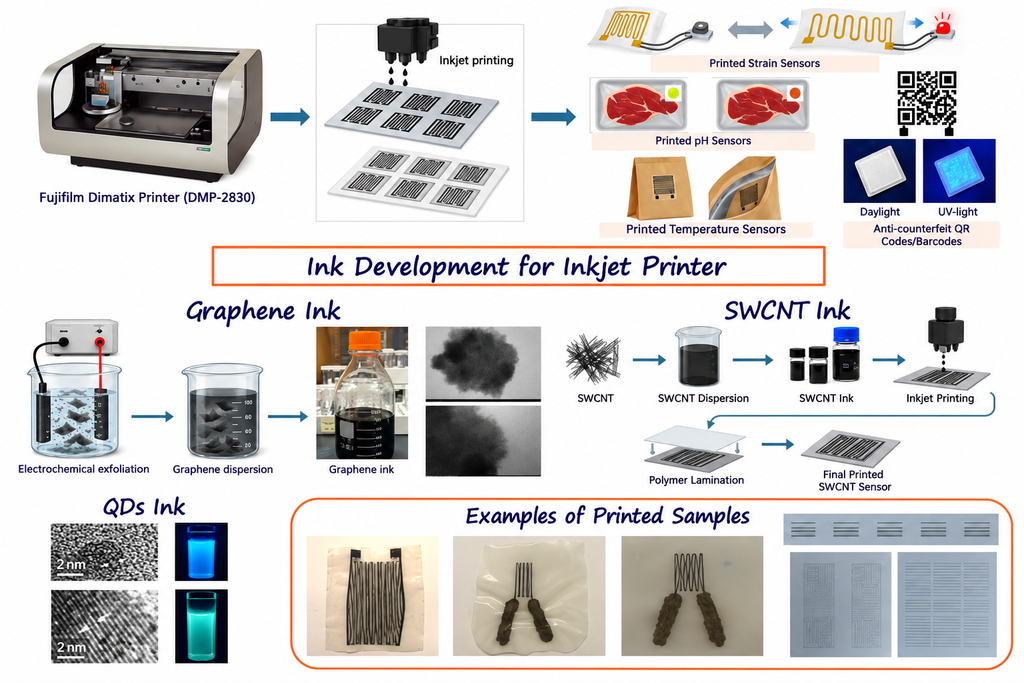
This research focuses on developing functional inks and inkjet-printed sensors for smart packaging applications. Graphene-, single-walled carbon nanotube (SWCNT)-, and carbon-based quantum dot inks are being explored for fabricating printed sensing platforms. These sensors can support real-time monitoring of food, agricultural, and healthcare products while enabling low-cost and scalable packaging technologies.
Antimicrobial and UV-Blocking TiO₂-Loaded Electrospun Pullulan Nanofiber Mats for Food Packaging

This study demonstrates that incorporating TiO₂ into electrospun pullulan creates a multifunctional nanofiber system that combines antimicrobial activity with strong UV protection while retaining a continuous fibrous structure.
Fabrication and Characterization of Peach Extract-Based Pullulan Nanofiber Films for Active Packaging

This study aims to fabricate peach pomace extract-loaded pullulan nanofiber films by electrospinning and evaluate how extract loading affects their morphology, chemical interactions, phenolic content and release, antioxidant activity, color, and surface properties.
Cold-Chain Packaging for Sub-Same Day (SSD) Grocery Delivery

This project evaluates insulated packaging systems for same-day grocery delivery. The study examines how package design, insulation, and internal headspace affect product temperature during delivery. Results support the development of cost-effective and sustainable packaging solutions that help maintain product quality and safety throughout the cold chain.
Meat freshness classification using CNN Transformer model
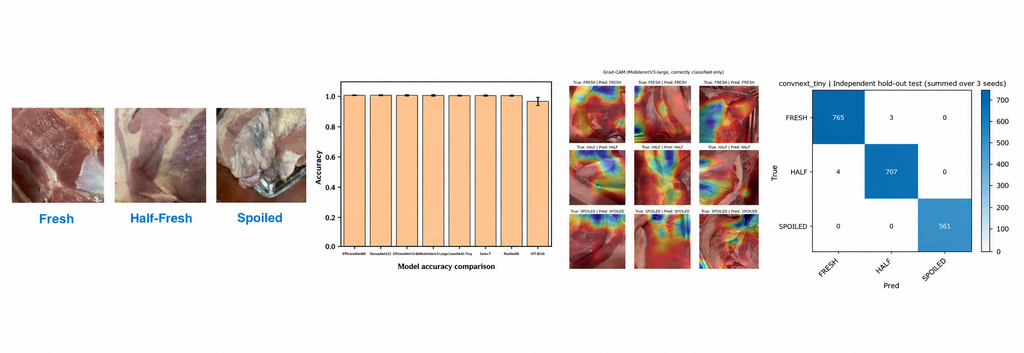
Meat freshness matters for food quality and consumer safety, but assessing it from images can be difficult and subjective. This study aimed to develop and compare deep learning models that classify meat images as fresh, half-fresh, or spoiled. We evaluated eight CNN and transformer models using RGB images, keeping near-duplicate image groups together during data splitting. We tested the models on an independent holdout set of 680 images. ConvNeXt-Tiny achieved the highest mean accuracy at 99.66% ± 0.22% across three training runs. Its remaining errors were mainly between fresh and half-fresh images, and it correctly classified all spoiled samples in the holdout evaluation.
BioActive Sustainable CheeseWrap
Active & Compostable Packaging for Artisan and Farmstead Cheese
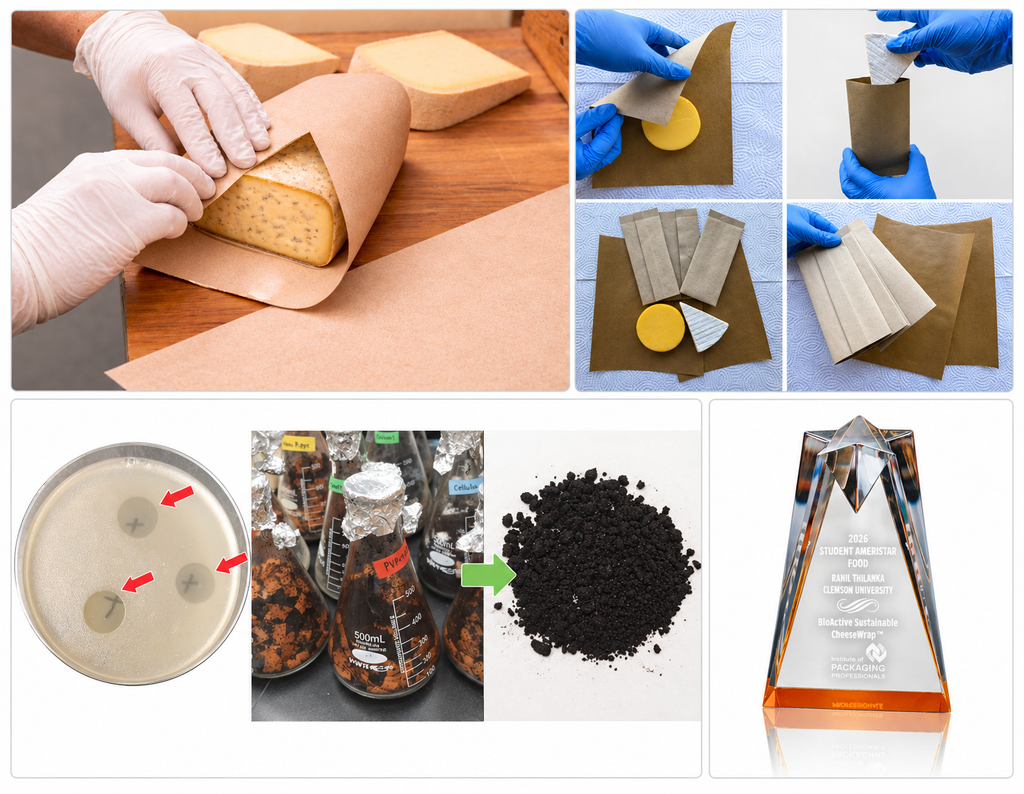
This project develops active and compostable packaging for artisan and farmstead cheeses. The paper-based coating system is designed to help protect cheese from microbial spoilage, moisture and oxygen transfer, while reducing the environmental impact of conventional multilayer plastic packaging. The material demonstrates antimicrobial activity, biodegradability, and improved oxygen-barrier performance.
Temperature-Sensitive Intelligent Packaging for Cold-Chain Monitoring
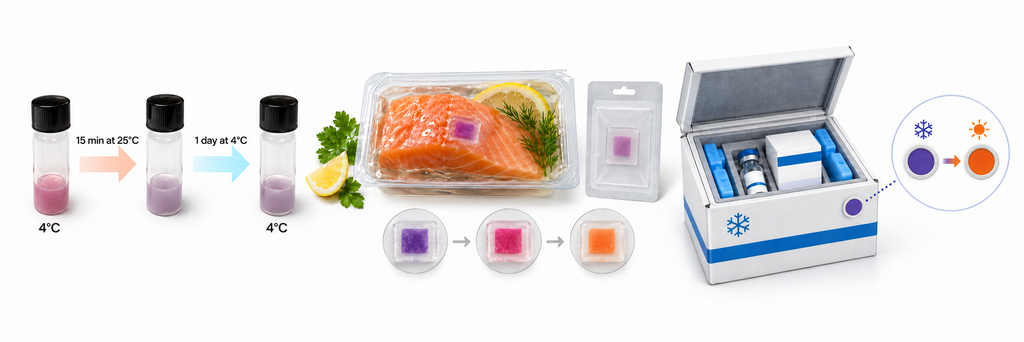
This project develops color-changing indicators for monitoring temperature exposure in food and healthcare packaging. The sensor provides a visible record of cold-chain disruptions without opening the package and is designed to support safer, more reliable temperature-sensitive product distribution.
SUSTAINABLE PACKAGING
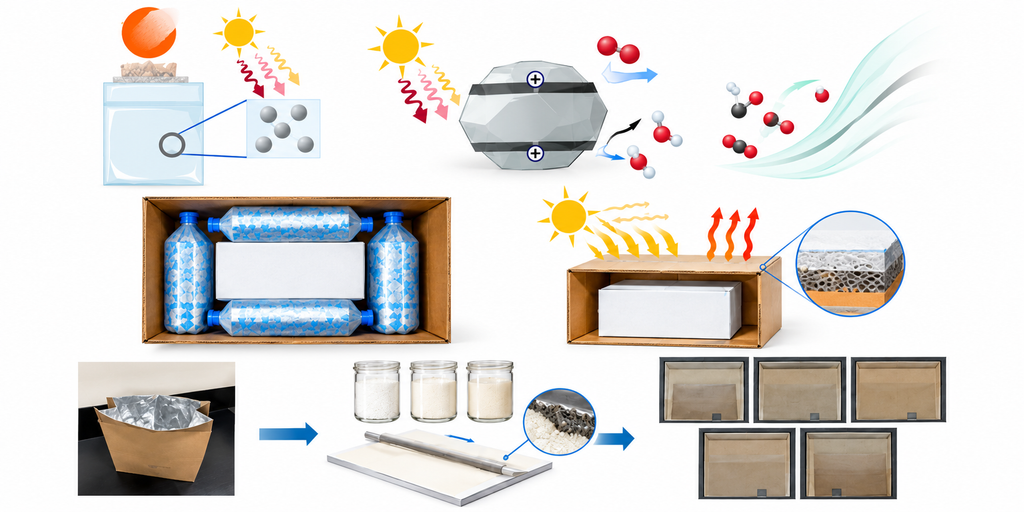
This research explores TiO₂-based photocatalytic materials and radiative-cooling coatings for sustainable packaging. The work aims to improve packaging functionality, support controlled end-of-life degradation, and maintain lower temperatures for cold-chain products through improved insulation and passive cooling
