by Claire Arnold
During my time abroad, I have had the opportunity to learn about French and Swiss cultures and how they relate to their healthcare systems. I learned how different the French healthcare system is from that in the United States. For instance, in France and Switzerland, residents have universal access, and in Switzerland, it is the law to have healthcare coverage. In the US, it is not required, leading to many individuals not being able to afford healthcare. Also, France has many benefits alongside healthcare, like longer maternity leave, required 5-week vacations, free screenings and immunizations, and more. I believe this contributes to the patriotism the French people have for their healthcare system. Switzerland is similar, as it is commonly considered one of the best healthcare systems in the world. Everyone in Switzerland is required to purchase health insurance if residing longer than 90 days. This was interesting to me because, since it is a law, it allows universal access to healthcare. Throughout this class, the activities and speakers have aided in my understanding of the US and other countries’ public healthcare.
In Switzerland, we visited the United Nations and heard from Henry Ntuku about Malaria. I learned a lot about the creation of the UN and how the League of Nations set the stage for it. Woodrow Wilson had a large part in the creation of the UN and set many of its morals. I did not realize how the United States did not support him, so he left for England, then Europe, to gain support for his ideas. The UN provides a space for countries to come together and discuss worldwide issues. It helps prevent wars and resolve conflicts before they escalate. We sat in the same seats that delegates do as they debate and talk through conflicts. I also learned how translation works and the UN’s 6 official languages.
From Ntuku, I learned of Malaria’s impact and devastation it causes in other countries. Malaria is not a problem for the US, but for underdeveloped African countries, it can kill hundreds of thousands of people a year. Mosquitoes are responsible for the most deaths by animals. It is important to prevent Malaria from spreading, but in order to do this, it requires funding. Funding has been decreasing in recent years, as the US pulled out of the USAID program, leaving Malaria research harder to accomplish. Drug therapy is a treatment option, but this is becoming increasingly difficult due to the resistance certain strains have. In order to combat resistance, multi-drug therapy is introduced, but it is hard for low-income countries because they cannot afford all of these drugs. Same as prevention, bed nets are needed to protect individuals at night, when mosquitoes are the most active. Overall, I learned how devastating Malaria is to other countries and how fortunate we are in the US to have access to research and drugs to combat this problem.
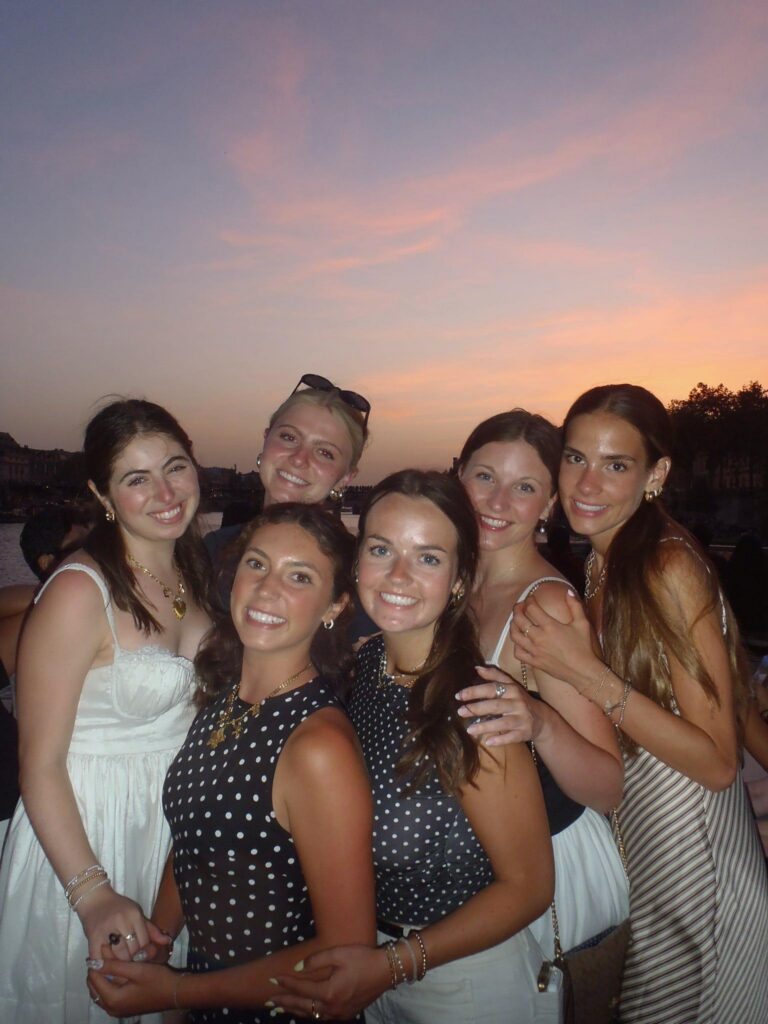
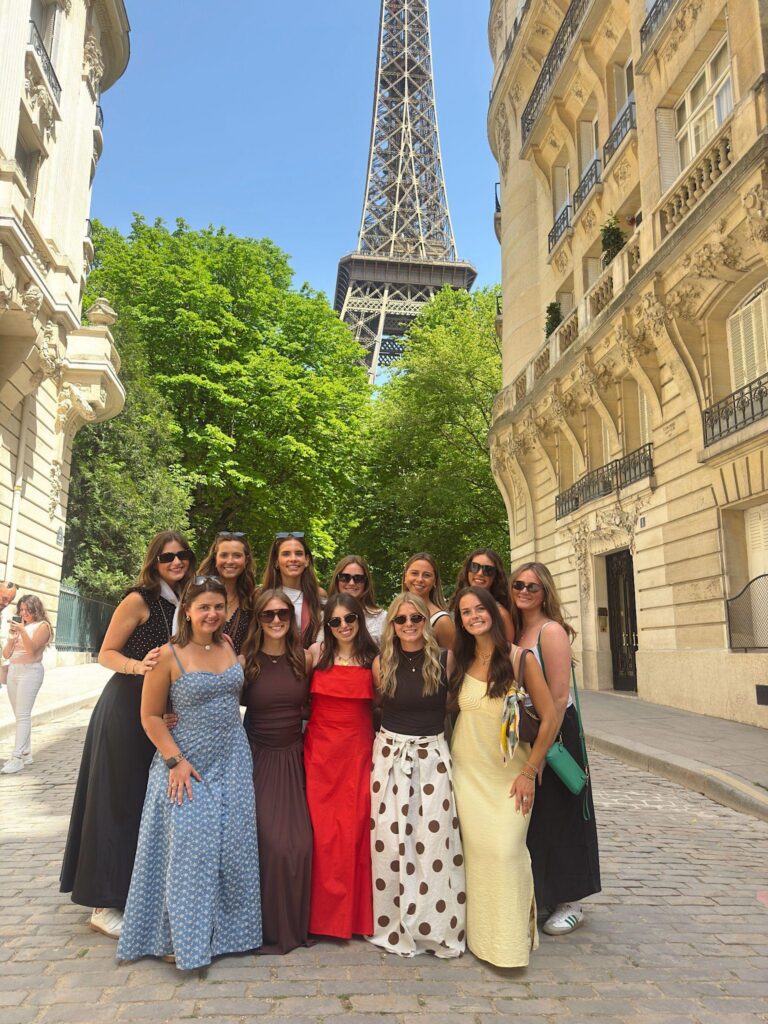
We also spent a long weekend in Paris, where a group of 24 of us spent the weekend diving into French Culture. We hit all of the tourist sites, including the Eiffel Tower, Louvre, Seine River, and more. Paris truly was beautiful and a great experience. Along with this, we spent 3 days in Geneva, Switzerland. Here, we could see the Swiss Alps and Lake Geneva. We spoke to a local Swiss, who informed us of local attractions and food. We spent these days exploring the town as well as learning about the healthcare system. I am excited to continue my studies in Madrid and to see what is next!