By Melissa Munoz, Small Fruit Horticulture Specialist
Cold weather is a regular challenge for strawberry growers in the Southeast, and cultivars may respond differently to the same conditions. During the 2025–2026 growing season, we observed cold injury across all 16 cultivars and selections in our strawberry cultivar evaluation, but the incidence varied among them.
Conditions inside and outside the row covers
Plants were protected with 1.5 oz/yd² row covers during cold events. Temperature and relative humidity were recorded inside and outside the covers during the January 30–February 6, 2026, cold snap (Figure 1). Temperatures under the covers were generally higher, with a few exceptions. During daytime and sunny days, temperatures inside the row covers were up to 20°C (~30 F). Additionally, we also observed up to 30% increase in the relative humidity inside the row covers. These conditions may favor disease and pest development, including Botrytis bligth, and mite activity (Bilbo, 2026).
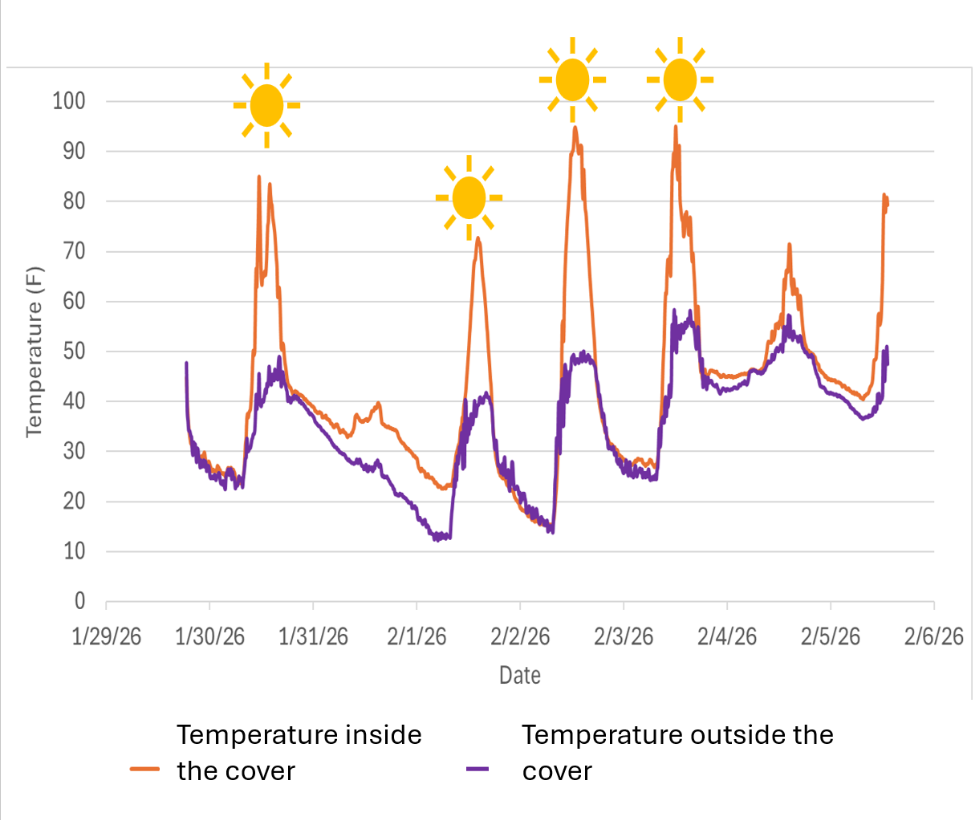
Figure 1. Temperature and relative humidity recorded inside and outside row covers during the January 30–February 6, 2026, cold snap.
Cultivar differences in cold injury
Following cold events, we visually assessed injury by recording the percentage of affected plants in each 14-plant plot. Each cultivar or selection was evaluated in four replicate plots.
All 16 cultivars and selections showed some degree of injury, but incidence varied among them. ‘Camarosa’ and ‘Chandler’ had lower cold injury incidence than ‘Ember’, ‘Encore’, and ‘Medallion’(Figure 2).
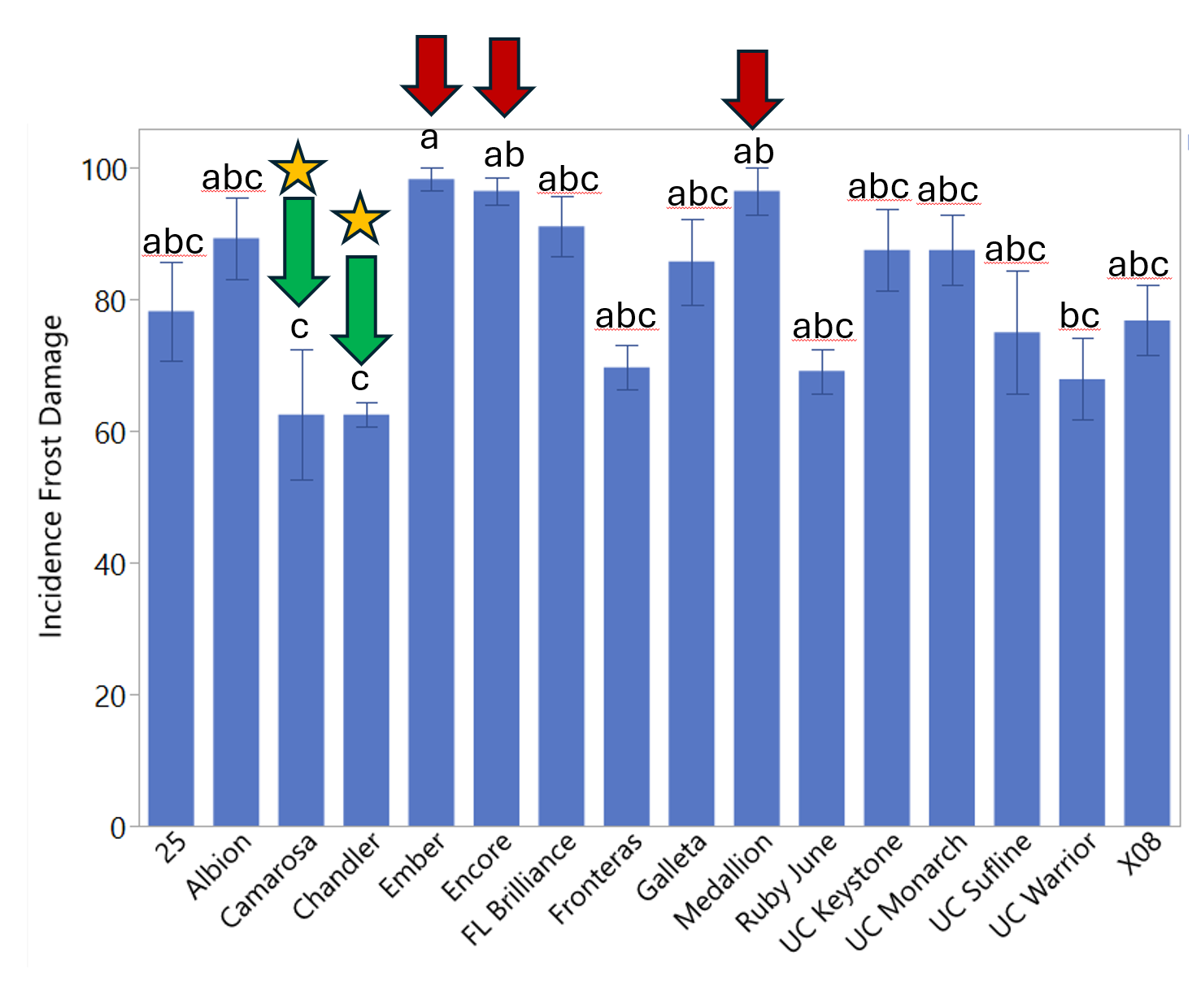
Figure 2. Cold injury incidence among the 16 cultivars and selections. Incidence is the percentage of plants with visible injury in each 14-plant plot, with four replicate plots per cultivar or selection. Cultivars and selections sharing a letter were not statistically different.
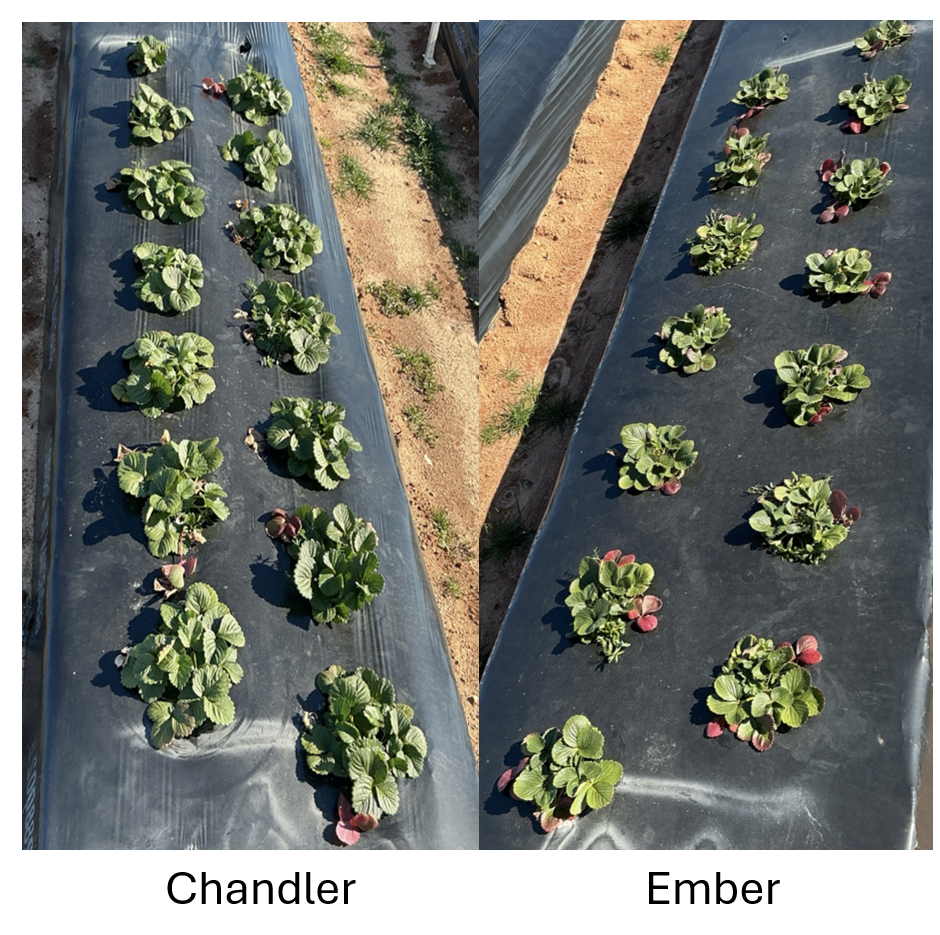
Figure 3. Comparison of ‘Chandler’ and ‘Ember’ strawberry plants following cold weather.
Cold injured tissue and disease observations
Following cold injury, we observed symptoms and signs of Botrytis cinerea on some affected plant tissue (Figure 4). These observations highlight the importance of monitoring plants after cold events for both injury and disease development.
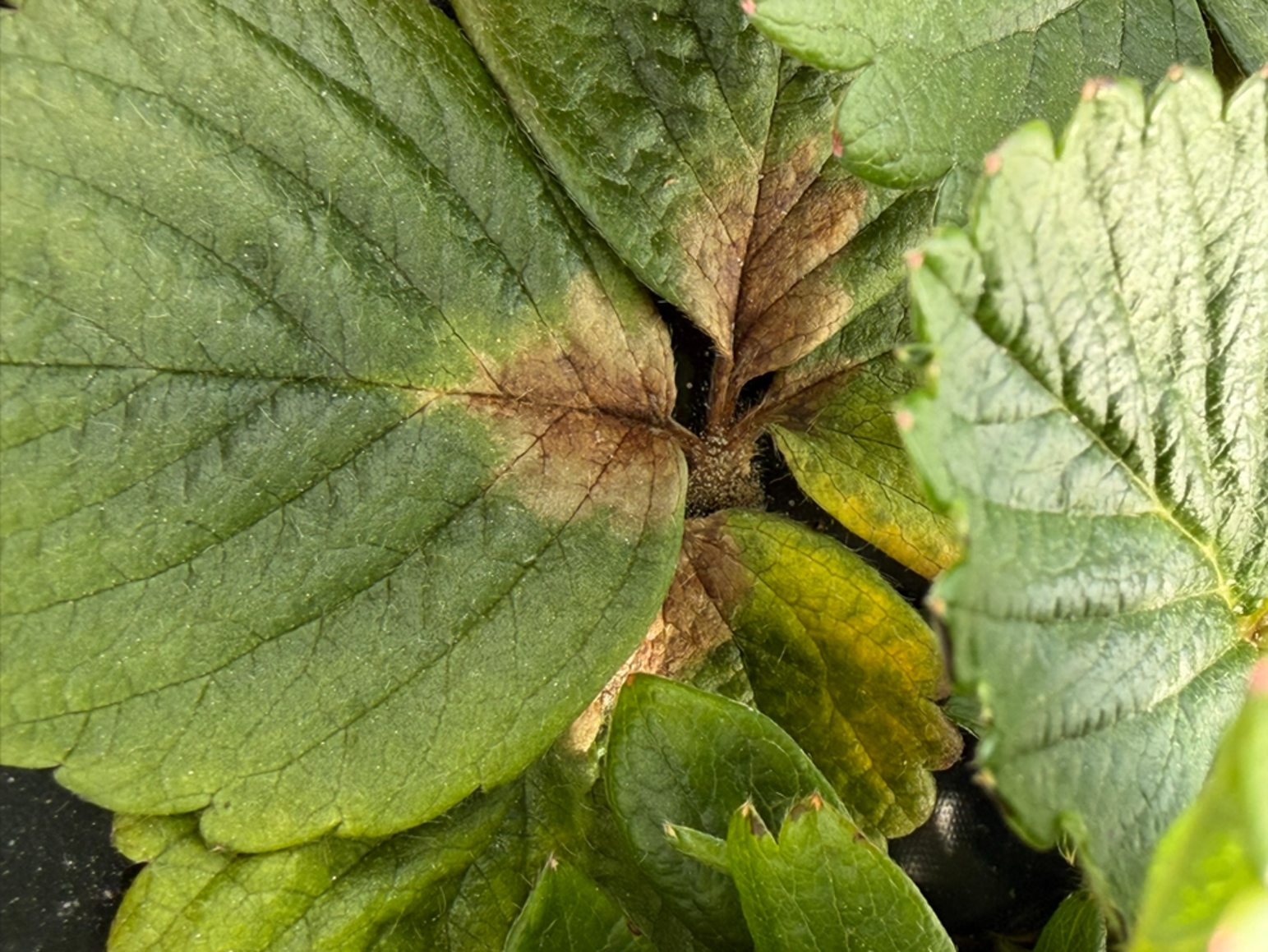
Figure 4. Symptoms and signs of Botrytis cinerea observed on strawberry plant tissue following cold injury.
In a separate observation in Dr. Lindsey Thiessen’s Neopestalotiopsis-inoculated plot, several ‘Medallion’ plants appeared to recover poorly following cold injury. Non-inoculated ‘Medallion’ plants also showed injury but fully recovered (Figure 5). This field observation suggests a possible interaction between disease and cold stress; further evaluation is needed to determine the causes of the difference.
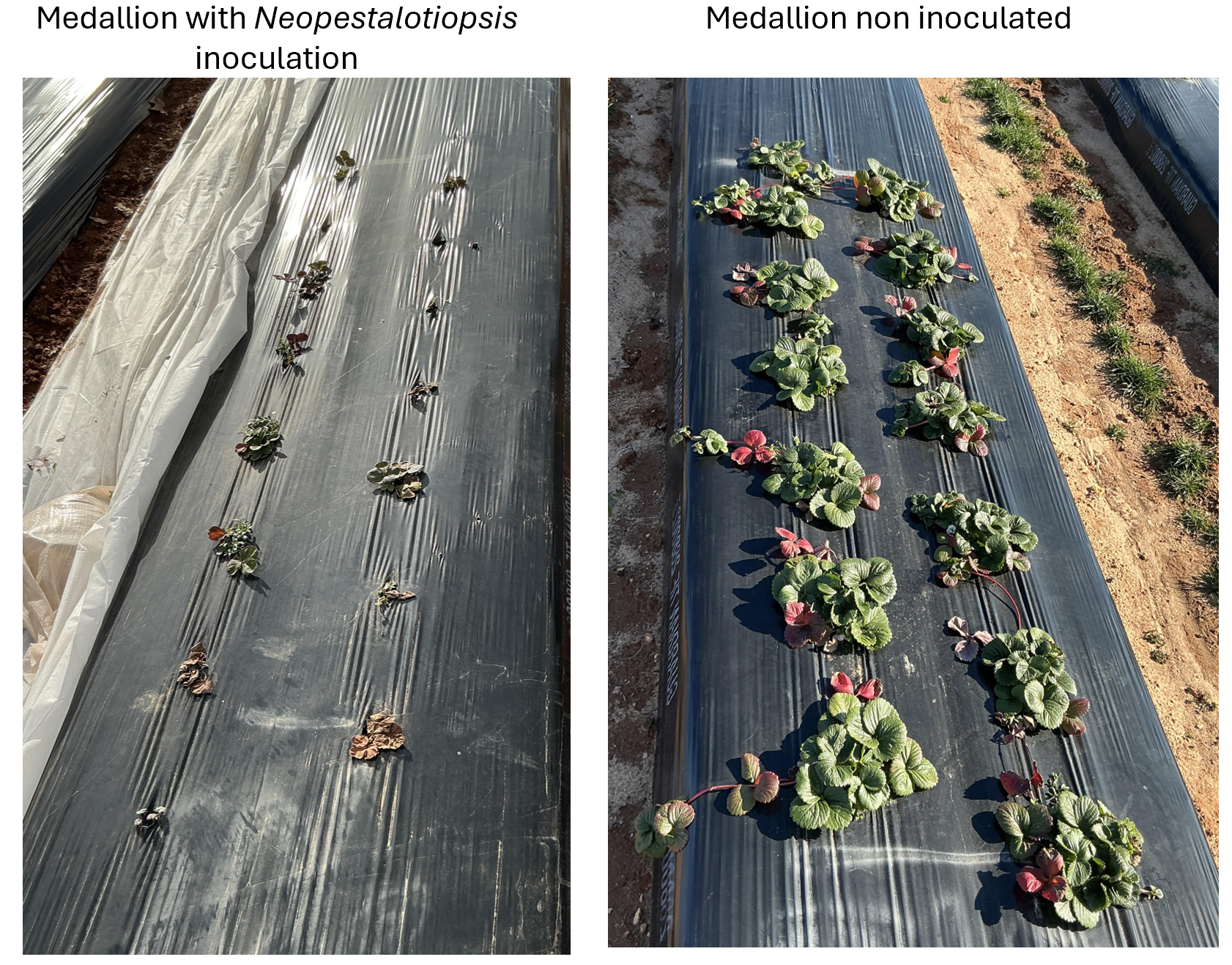
Figure 5. ‘Medallion’ plants in a Neopestalotiopsis-inoculated plot and non-inoculated plants following cold injury.
These observations are from one growing season and should be considered alongside yield, fruit quality, disease response, and other factors when selecting cultivars. Row covers are an important tool for cold protection, but plants can still experience damaging temperatures during severe cold events.
References and related resources
2025–2026 Strawberry Cultivar Evaluations. Clemson SC Fruits.
Bilbo, T. 2026. Strawberry Row Covers, Spider Mites, and Predatory Mites. The South Carolina Grower.
Editorial note: Before publication, identify the purpose of the red 10 °C reference line in Figure 1 and define the error bars and statistical test in Figure 2.
