Clemson University students are carrying forward the mission of the Tiger Gardens: Pulse Cookbook, adding new recipes and fresh perspectives to help combat the global issue of “hidden hunger.”
Hidden hunger—nutrient deficiencies that can affect people even when food is plentiful—remains a challenge worldwide. To address this, students in Clemson’s Pulse Quality and Nutritional Breeding program, led by Professor Dil Thavarajah, are building on the foundation laid by previous classes. Their work expands the cookbook with innovative recipes featuring pulses such as beans, chickpeas, lentils and peas, known for their affordability and high protein content.
New student contributions
This year’s class has introduced a diverse set of recipes inspired by their backgrounds and culinary creativity.
Ellie Harman, a junior plant and environmental sciences major from Leesville, South Carolina, prepared a Quinoa Salad with desi chickpeas and featuring cherry tomatoes, cucumber, red onion and dill.
“Creating this recipe gave me valuable experience working with ingredients I don’t typically use, especially desi chickpeas,” Harman said. “Preparing this dish helped me gain an appreciation for how pulses can be used to elevate both the nutritional value and sustainability of a meal while still being delicious and simple to prepare.
“This salad is very nutritious, high in plant-based protein, dietary fiber and essential vitamins and minerals. The desi chickpeas, in particular, support digestive health, promote steady energy levels and contribute to heart health.”
Eleanor Bingham, a senior plant and environmental sciences student from Charleston, South Carolina, prepared chocolate chip oatmeal cookies.
“My chocolate chip oatmeal cookie recipe used pea flour as a substitute for all-purpose flour and was also made with kale powder,” Bingham said. “By making this recipe and preparing this dish, I was able to learn more about how even desserts can be made healthy. Despite adding kale, the cookies still kept their sweet flavor, while being healthier than a normal cookie recipe. The pea flour provided protein and fiber, while the kale powder was rich in nutrients.”
Caroline Wingard, a senior food science and human nutrition major from Gilbert, South Carolina, prepared a Pulse Power Salad.
“I learned a lot about the high nutritional quality of pulses and legumes,” Wingard said. “Chickpeas and lentils are rich in both fiber and protein, as well as other essential nutrients. This salad is a delicious and simple way to incorporate a colorful meal that checks off the boxes for micronutrients, such as vitamins and minerals, as well as macronutrients, including protein.
“I have learned that pulse crops are extremely nutrient-dense foods. Eating them is a great way to get essential nutrients while steering clear of energy-dense foods that are high in calories and low in nutrients. They are an excellent addition to the diet.”
Building on a legacy
The cookbook continues to feature nutritional information, cost per serving and preparation details, making it a practical guide for families and communities seeking healthier diets. Students also emphasize sustainability, showing how pulses can reduce reliance on resource-intensive meat production.
The Tiger Gardens project, now in its 11th year, remains a model for year-round access to nutritious vegetables and pulses. Students not only contribute recipes but also grow crops in the gardens, reinforcing the connection between cultivation and consumption.
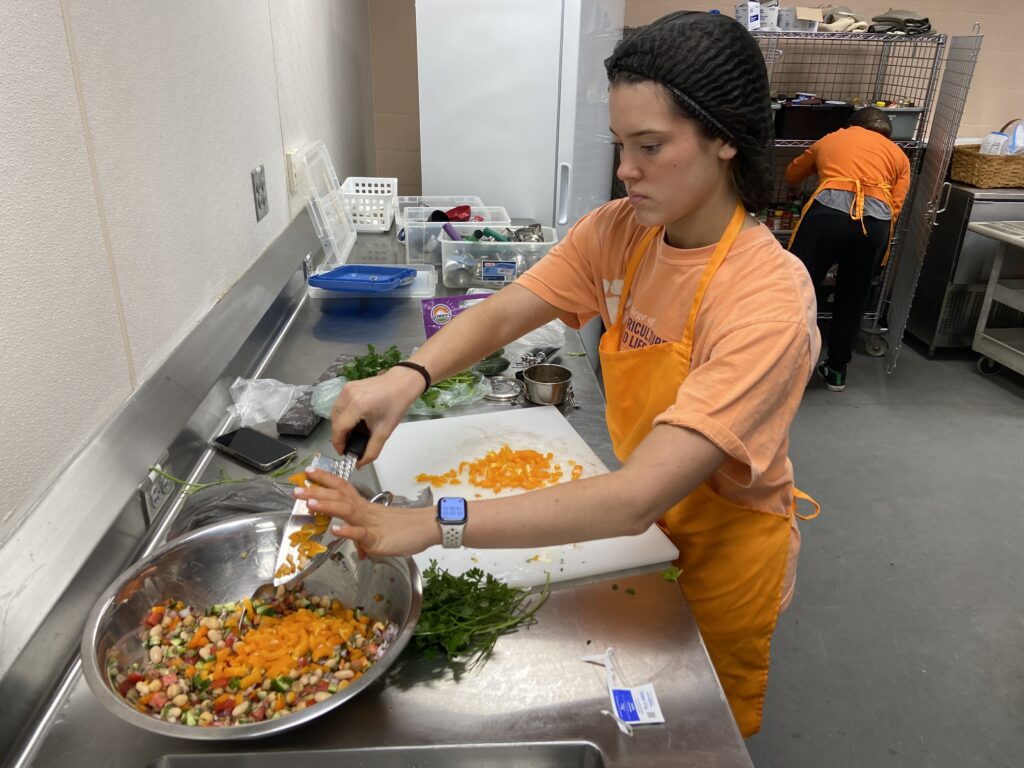




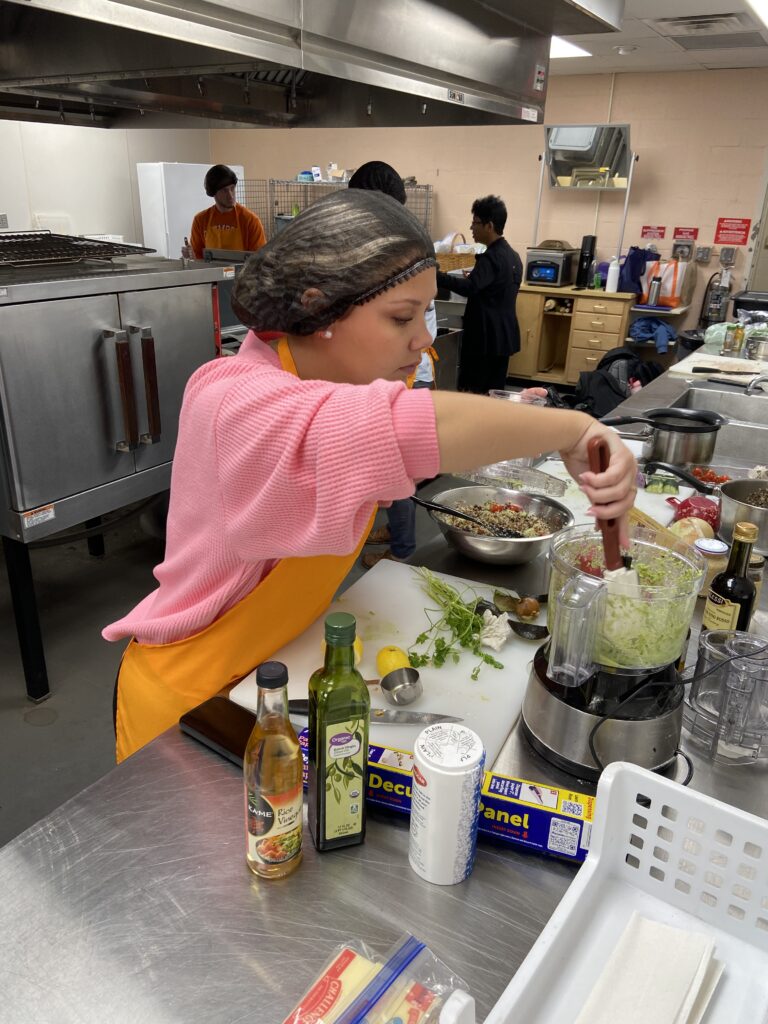

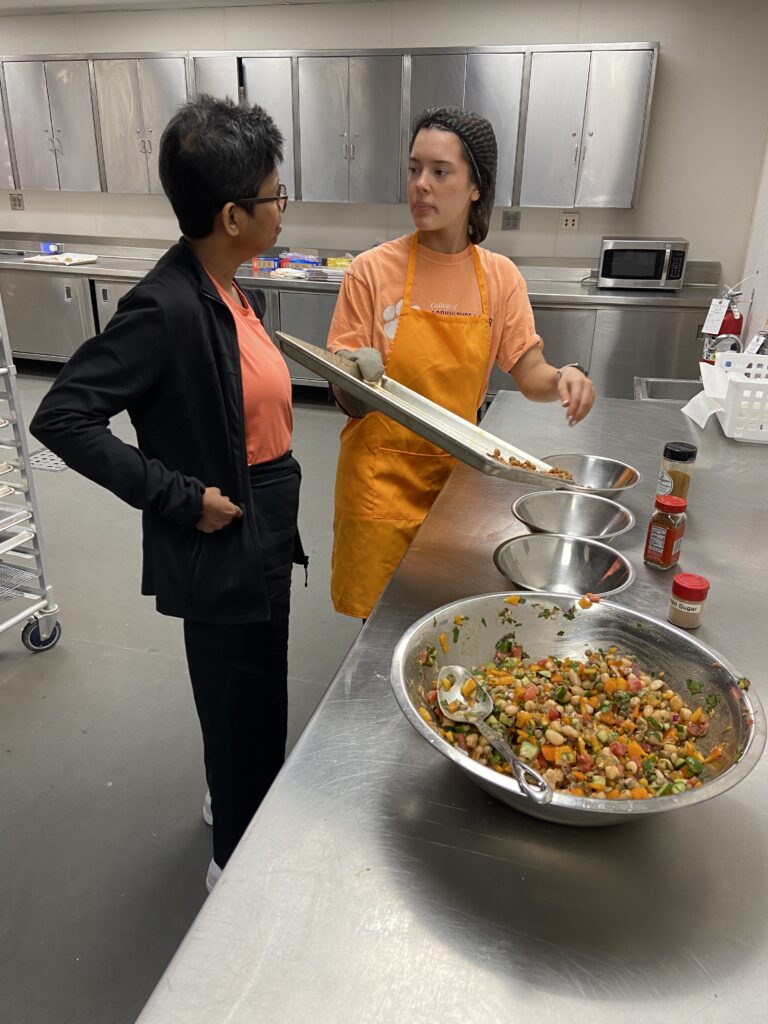

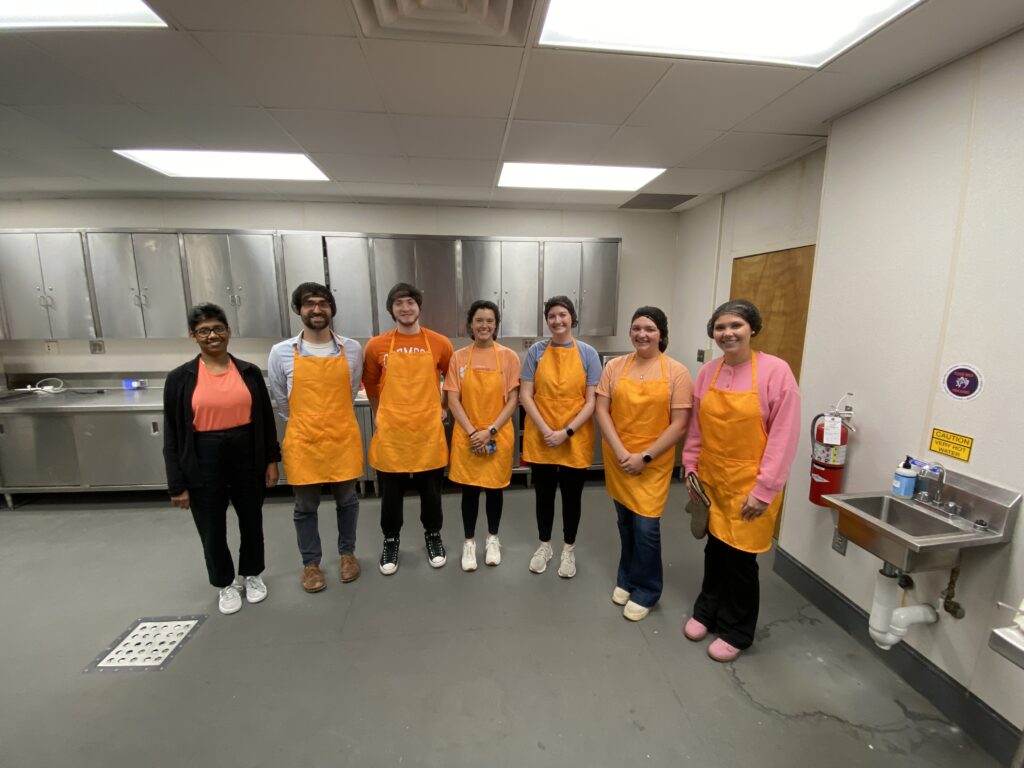
Students in Clemson’s Pulse Quality and Nutritional Breeding program, led by Professor Dil Thavarajah, continue the legacy of the Pulse Cookbook started a few years ago by adding new recipes and fresh perspectives to help combat the global issue of “hidden hunger.”
