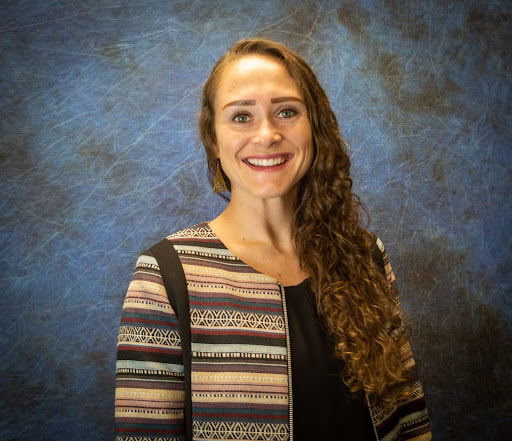
The New Way Sport Fund (NWSF), directed by Ashlyn Hardie, Ph.D., faculty fellow of the Robert H. Brooks Sports Science Institute and assistant professor in the Department of Parks, Recreation and Tourism Management, and funded by the Center of Sport Management Research and Education at Texas A&M and the GYS4D Initiative, continues to create waves in the sports development sector. After securing funding and supporting five innovative grassroots organizations worldwide this spring, the fund is already seeing tangible results in the communities it serves. These groups, from Brazil to Uganda, represent a diverse range of initiatives that use sport as a tool for positive social change, and NWSF’s support is helping them take their missions to the next level.
Proyecto Social Skate – Brazil: a safe space for cultural integration
Proyecto Social Skate Ramp
Based in Brazil, Proyecto Social Skate uses skateboarding to create a safe space for diverse groups, particularly refugee families, child immigrants and indigenous populations. With the seed funding, they expanded their skate ramp to accommodate a 20% increase in participants and purchased essential equipment including skateboards, knee pads and helmets. This expansion allows Proyecto Social Skate to continue bringing together young people from different ethnic and cultural backgrounds, offering them a place for sport and an opportunity for cultural assimilation and integration
Comisión Mujer Joven – Nicaragua: empowering young women through sport
In Nicaragua, Comisión Mujer Joven is using the funding to invest in equipment, field space and curriculum development for young women. One of the most exciting outcomes so far is their new mental health support initiative. The group has provided a counselor for all 92 participants, helping athletes navigate concerns outside of performance—such as personal or mental health struggles. Additionally, Comisión Mujer Joven is hosting a tournament to raise funds and sustain their initiatives, demonstrating their forward-thinking approach to financial sustainability.
Girls in Football – Lebanon: overcoming barriers in sports for women
The Lebanese organization Girls in Football, is focused on breaking barriers for women in sports. With NWSF’s help, they have been able to pay for coaches and rent field space. This investment is key to their mission of providing girls with the opportunity to play football in an environment that supports and encourages their participation.
Rural Disabled Women Association (RUDIWA) – Uganda: education and inclusion for disabled women and girls
RUDIWA, based in Uganda, is using its funding to support disabled women and girls by offering access to education and sporting programs. The organization has provided books, menstrual hygiene products and other supplies to 25 participants who could not afford them. Beyond that, RUDIWA has created inclusive sports programs where women with disabilities can engage with their community, find fellowship and gain valuable life skills. By providing educational resources and sport opportunities, RUDIWA is fostering greater inclusion and empowerment.
Impact Academy – Egypt: a boxing academy for women and girls
Impact Academy Participants
In Egypt, Impact Academy, a boxing initiative for women and girls, is saving its funding to secure a permanent practice space. This thoughtful, strategic move will allow them to create a safe, self-sustaining space for their athletes, free from the disruption they often face in rental facilities. Impact Academy is planning to use their space for training and to generate income, making this an example of sustainability in action.
A focus on capacity building and future plans
One of the key elements of the NWSF is its commitment to supporting both immediate needs and long-term sustainability. Each of the five groups has been allocated 10 capacity-building hours to help them with essential areas such as grant applications, financial management, curriculum development and more. These tailored consultations aim to empower the organizations to become self-sufficient and expand their impact.
“We’ve heard from many groups that this funding is life-changing,” said Hardie. “This is often the first time they’ve received unrestricted funding, which allows them to make their own decisions on how to spend the money. That level of trust and flexibility is incredibly empowering.”
The fund has also received positive feedback for its accessibility.
“The application process was so easy, and we really appreciate the opportunity to learn how to do things on our own,” said one participant. Many organizations expressed gratitude for the opportunity to be guided in a way that respects their local expertise while also offering valuable resources for their growth.
Looking ahead: round two of funding and research initiatives
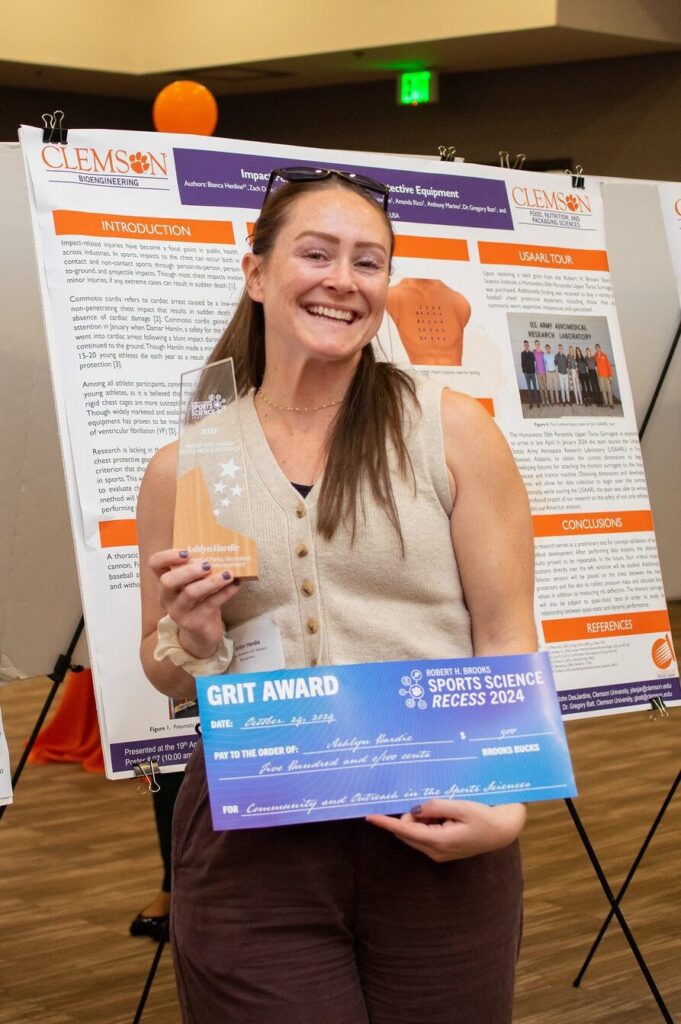
Ashlyn Hardie winning the GRIT award for her New Way Sport Fund
As the summer approaches, NWSF is gearing up for round two of funding. With funding support from the Center of Sport Management Research and Education at Texas A&M University already secured for the next funding cycle, the call for applications will open in July, allowing for new organizations to benefit from this funding mechanism and the embedded support resources. In the meantime, NWSF is conducting research on the outcomes of the funded groups, collaborating with Marlene A. Dixon (Texas A&M), Dr. Kat Raw (Swinburne Institute of Technology in Melbourne), and Dr. Per Svensson (Louisiana State University) to assess what strategies are most effective in creating sustainable change through sport.
As Hardie highlights, “I could not be leading this on my own. Essential collaborators and supporters include the funders — CSMRE at Texas A&M and the GYS4D Initiative — along with the Practitioner Advisory Committee, which consists of Nora Dooley, the director of Soccer Without Borders, Juliana Roman, member of La Nuestra Feminista, and Pappu Modak, secretary and head of Sports and Hope for Independence.”
With a focus on collaboration, trust and empowerment, the New Way Sport Fund is paving the way for a more inclusive, sustainable future for sports-based social change worldwide.
SunWoo Park, Clemson Ph.D. candidate, presents her research on the college football sport experience at a CSRI poster session
Clemson University’s Robert H. Brooks Sports Science Institute (RHBSSI) recently showcased at the College Sport Research Institute’s (CSRI) annual conference on college sport held March 19-21 in Columbia, South Carolina.
CSRI’s mission is to encourage and support interdisciplinary and inter-university college sport research, serve as the research consortium for college sport researchers from across the United States, and disseminate college sport research results to academics, college practitioners, and the general public.
As a premiere sponsor of the event, RHBSSI contributed to the success of the conference and engaged in meaningful discussions with scholars, practitioners and industry leaders studying college sport. Several RHBSSI faculty fellows and Clemson students attended, gaining valuable insights and sharing their cutting-edge research and innovation in sport. This gathering highlighted the Institute’s commitment to advancing research, education and collaboration on issues in intercollegiate athletics.
Clemson expertise on college sport
Faculty and Ph.D. students from the following Clemson departments attended the conference on behalf of RHBSSI and presented their research on college sport.
Chris Corr, Clemson University / Robert Hoffman, The Pennsylvania State University Abington / Richard M. Southall, University of South Carolina / Christopher Atwater, Troy University
Sarah Stokowski, Clemson University / Alex E. Chisholm, Clemson University / Andrew Rudd, Franklin Pierce University / Michael Godfrey, Clemson University
“‘Thank you to the Institute for supporting me to attend CSRI,” said Sarah Stokowski, associate professor of athletic leadership in the Clemson University Department of Education and Organizational Leadership Development. “I had the best time! It was also nice to see so many of my Clemson colleagues in attendance.”
Sponsorship impact
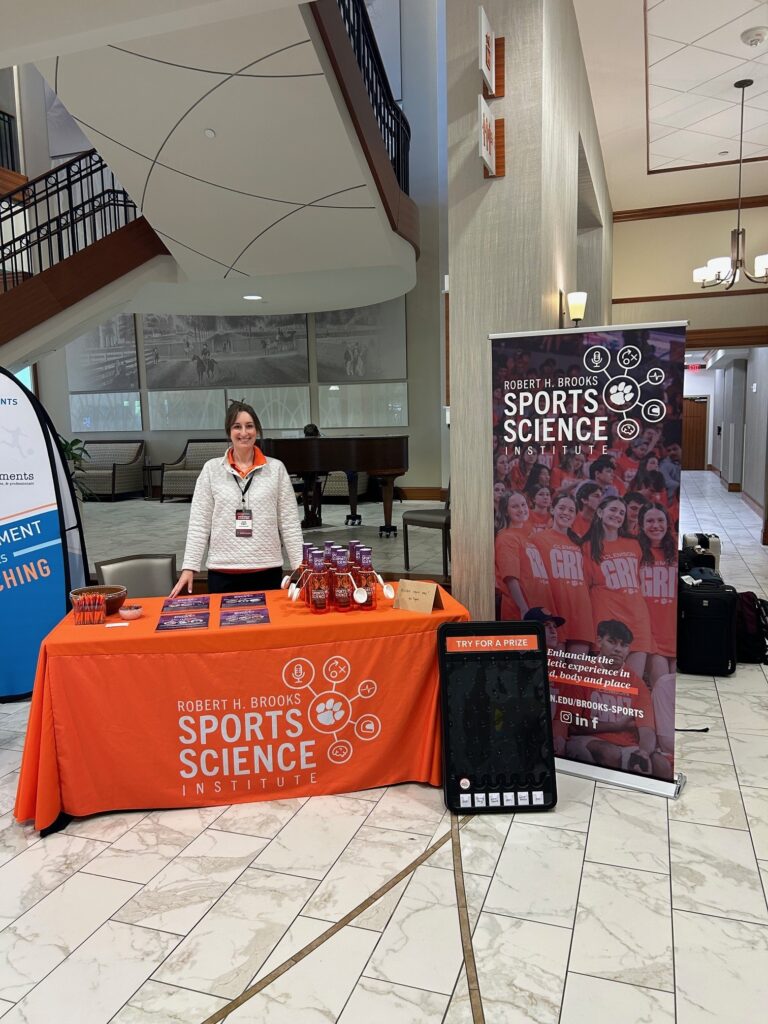
RHBSSI Assistant Director, Kayla Rogers, at the sponsorship table
“The CSRI conference provided an engaging venue to meet experts from across the country leading the academic study of college sport,” said John DesJardins, interim director of RHBSSI. “Our faculty fellows from Clemson’s College of Education have a rich history of attending, presenting at, and leading the conference, and we were honored to be involved this year and support several faculty and students to attend and present.”
RHBSSI set up a table at the event, providing an established space to meet attendees and talk about potential cross-over.
“Partnering with CSRI was the perfect opportunity to support Clemson faculty in the field and facilitate more cross-collaboration – between our faculty and those at other universities studying intercollegiate athletics,” said Kayla Rogers, assistant director of RHBSSI.
“Brooks helped make the conference be the best that it could be and I’m beyond appreciative and grateful,” said Chris Corr, executive director of CSRI and senior lecturer at Clemson University.
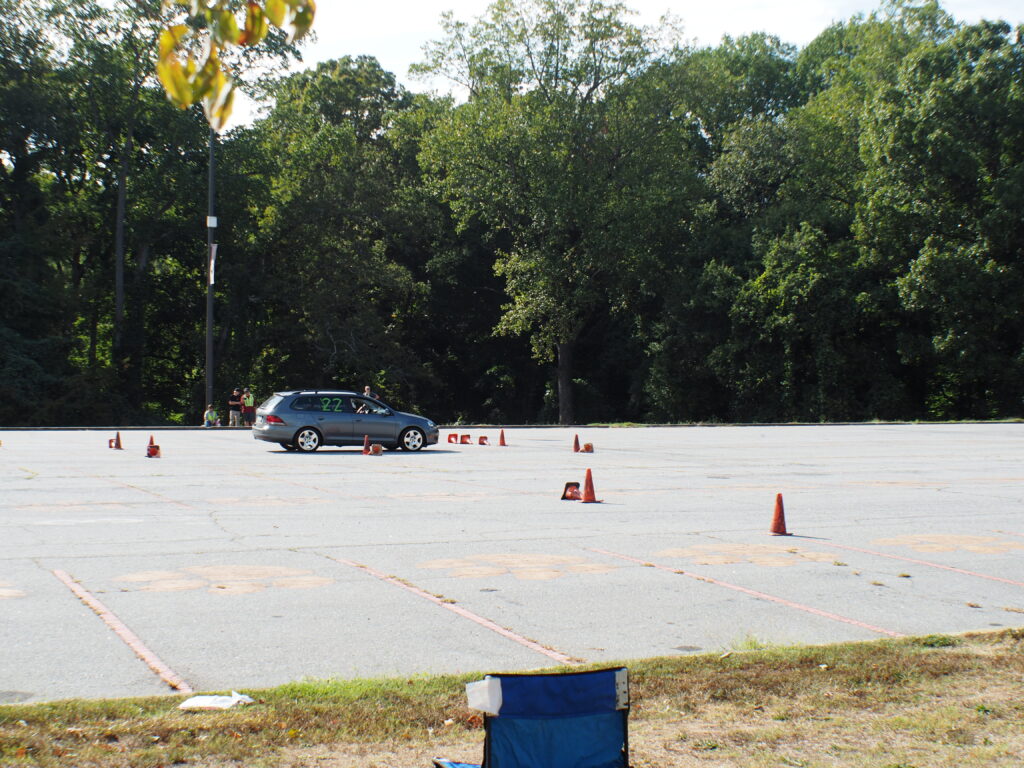
Natalie Bell racing in a Clemson Sports Car auto-crossing event.
Bell as a young child.
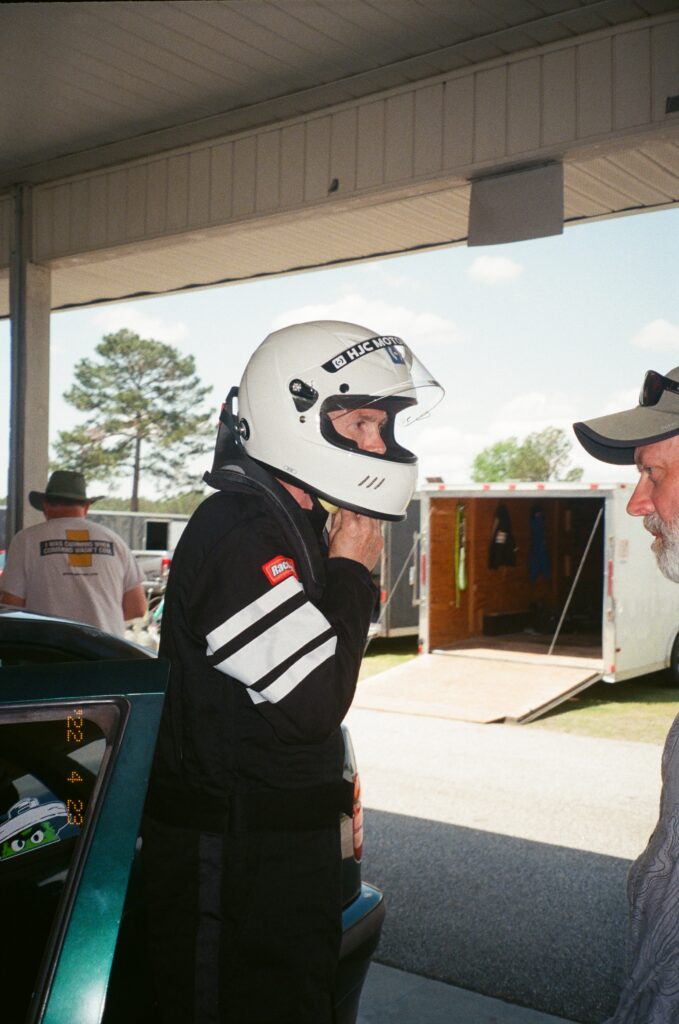
I grew up surrounded by my dad’s love of cars, specifically BMWs. He even bought me my own BMW to push around the house, and I spent Sundays with him watching F1 races in my lucky checkered flag socks, cheering on Kimi Raikkonen. I spent hours in the garage while he worked on his autocross car, so much so that when I was three, I begged him for my mechanic’s creeper to see what he was doing.
My dad was constantly fixing up his car for autocross- a racing event where drivers race one at a time through a cone-lined course. The objective is speed and agility, as hitting a cone results in a time penalty. The event organizers calculate all the times, and drivers can see where their times compare to their peers. As I watched him draw out autocross courses for our local Baltimore autocross group, I told him that I couldn’t wait to turn thirteen so that I could ride in the car with him as he raced.
Bell’s dad ready to compete in 24 hours of Lemon.
That dream would end up on pause for a while. My dad sold his tan BMW to go back to school and didn’t race for a decade. Eventually, my dad stumbled upon 24 Hours of Lemons, which is probably the weirdest racing event you could ever partake in. 24 Hours of Lemons is a riff off of 24 Hours of Lemans, a prestigious professional racing event. However, Lemons is not prestigious and is not 24 hours long.
Lemons is a two-day endurance event with various locations across the country where drivers and mechanics give old “lemons” of cars new lives as race cars. Each team must buy a car for $500 and then outfit it with a roll cage and additional safety features. My dad gathered a team of his coworkers to form Team Race Team, fixed up a BMW 318ti that hadn’t run in 10 years, and turned it into Oscar the Grouch. Or Otto, because he’s German.
Bell and Father preparing to race.
Watching my dad race again renewed my interest in racing. Eventually, I want to race alongside my dad in 24 Hours of Lemons, and autocrossing is one of the first steps. I have autocrossed as a part of Clemson Sports Car Club for the past two semesters, and I plan to continue to autocross post-grad. I love the sport of constantly trying to beat my own time while simultaneously trying to stay near my dad’s time (which is much faster than mine.)
It’s so rewarding to participate in autocross with my dad and finally fulfill my childhood dream of racing with him. He has taught me not to give up on my passions- sometimes, they take time.
A photo from clemsonfae.com featuring a former student-designed car
As the spring semester continues to pick up, so do the actions of the students of Clemson Formula SAE (CUFSAE), who are preparing for important events in April and May.
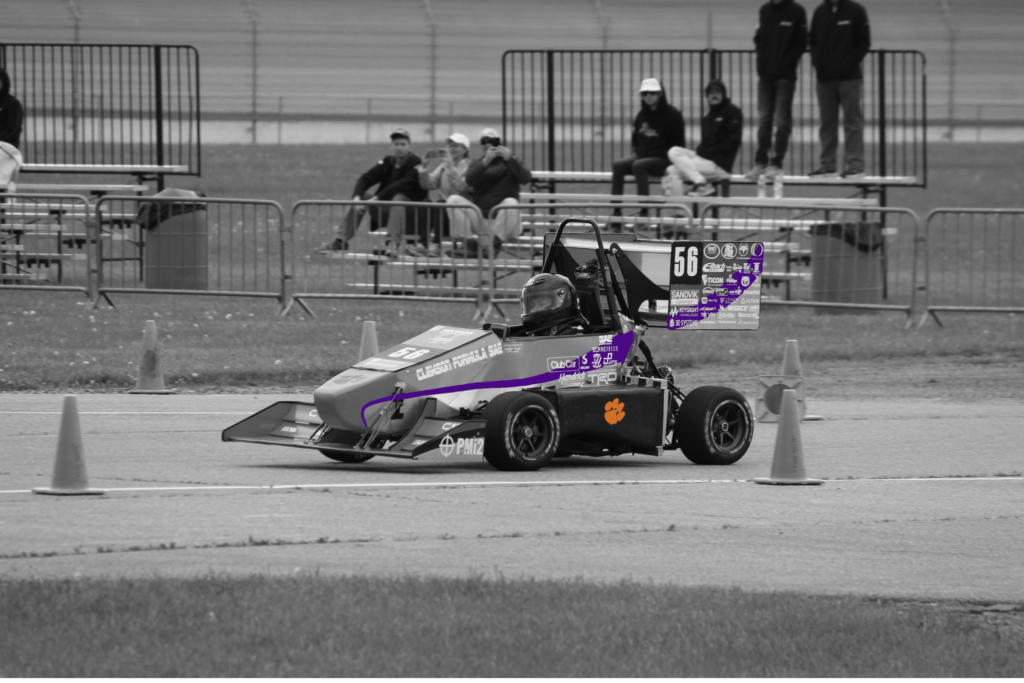
CUFSAE is a student race team that focuses on design, fabrication and competition of an open-wheeled, formula style race car. The team competes in the Society of Automotive Engineers student design competition.
In addition to the formulation of a race car, students have to work in all other facets of the racing business, including team management, public relations and sponsor procurement. The Robert H. Brooks Sports Science Institute is proud to sponsor CUFSAE for another year.
For Clemson’s team, their sights are on the Michigan FSAE Competition in May for the planning and the creation of the racecar, called Tiger 25, where they will race at the Michigan International Speedway.
Student members of CUFSAE can join five different divisions: aerodynamics, business, chassis, electrical, powertrain and suspension.
Clemson Formula SAE team, Fall 2024.
The team lead of the group is Grant Harley, who is studying Electrical and Computer Engineering in his first year of graduate school at Clemson. One of Harley’s main focuses is to keep the team focused on the design timeline for the car. In doing so, he sets weekly meetings with the leadership team and remains in contact with the Department of Mechanical Engineering faculty advisor.
“The biggest thing I have to do before our car release is make sure the car is following the necessary production timeline and keeping the entire team on the same page about what needs to be done and when it needs to be done,” Harley said.
A Charleston native, Harley is also a part of the electrical team, where he helps design the brake system plausibility device (BSPD) – a safety component that shuts the car off if the throttle position or brake pressure stop reading.
“This helps protect the driver in the case of a malfunction in the car and protects the car from dangerous operating procedures,” Harley said.
Cameron Boerst, Vehicle Operations Manager.
Harley works closely with Vehicle Operations Manager, Cameron Boerst, a Mechanical Engineering junior with an Electrical Engineering minor. Boerst’s job focuses on test-day operations, planning when the car will run, whether on or off campus.
“This requires communication and planning between divisions to make sure the rear and front wings are ready, the electronics are working, the powertrain is running, and the suspension is tuned for a day of running,” Boerst said.
Another Charleston native, Boerst is also designing the drivetrain of the car, which is what he looks forward to the most out of this project.
“The drivetrain is responsible for delivering power from the engine to the hubs of the rear wheels,” Boerst explained. “This includes a lot of CAD modeling in SolidWorks paired with Finite Element Analysis (FEA) on the forces experienced by the drivetrain.”
Peter Gaspich, Brooks Scholar
No matter how strong the engine may be, suspension is incredibly important to the car’s success. This is led by fellow junior mechanical engineer and recent Brooks Scholar, Peter Gaspich, an inaugural member of the new class of automotive engineers at Clemson. Gaspich and his team focus on manufacturing and testing of the car’s suspension system ahead of the May event.
“In other words, my goal is to ensure that the driver can get optimal performance from the tires and maximize grip throughout each lap, as maintaining grip to the road is the most essential part of a fast lap time,” Gaspich said. “No matter how powerful the engine is, it won’t be going anywhere very fast if it’s just spinning tires.”
The Greenville native also has one of the most important tasks on race day: constantly studying the car’s responses and making needed changes to the car to help the driver with the ride.
At this point in the semester, the suspension team is working on manufacturing all of the suspension parts, something that Gaspich heavily takes part in.
“This includes outlining manufacturing plans, training new members on shop equipment, coordinating with sponsors to outsource the manufacturing of more complex components and spending late nights at the shop with my closest friends!” he said.
The Tiger 24 racing in the Pittsburgh Shootout
With a project as big as designing and building a formula race car, it’s the little steps that count. For Harley, he is most looking forward to seeing the car run on its own for the first time.
“I am most looking forward to the first time the car runs under its own power,” he said. “It’s an extremely fulfilling moment watching this project that you’ve spent almost a year designing and building culminate into this one moment.”
Every week means the team is one step closer to the first race. With March beginning, it’s crunch time for CUFSAE. The team hopes to see successes similar to, or greater than, last year’s Tiger 24 design.
Clemson Formula SAE team member working on the Tiger 25
From Gaspich’s perspective, as well as many others on the team, the opportunity to work on an ongoing project to present it in front of 119 other schools is something that the classroom doesn’t provide.
“I cannot express enough how important being involved in Formula SAE is to anyone interested in a career in motorsports, or even engineering in-general, as engineering is so much more than what you learn in the classroom,” Gaspich said.
Whether participating as a passion project or looking for experience for a future job in the motorsports industry, all eyes look to May where Tiger 25 will be racing on asphalt that has hosted NASCAR and IndyCar events.
Since 2013, World Tennis Day has been celebrated the first Monday of March each year, kicking off tennis season in North America.
Dr. Angeline Scheinbaum, Department of Marketing
At Clemson, Dr. Angeline Scheinbaum, Dan Duncan Professor of Sports Marketing, has partnered with the United States Tennis Association (USTA) since 2021 to study the perceptions of tennis league play and pandemic impact. Her research explains and predicts linkages among consumer attitude, affect, cognition, behavioral intent and consumer behavior.
A former Clemson women’s tennis player at practice
Her work with the USTA, which engages students at the University, is ongoing. Dr. Scheinbaum is now working with Dr. Sarah Stokowski in the College of Education to study similarities between the USTA’s and USA Ultimate’s post-pandemic concerns about female participation in their respective sports.
Scheinbaum competes for the USTA
“It appears that there may have been a similar decline in the participation among young female athletes in both tennis and Ultimate Frisbee after the COVID-19 pandemic,” noted Scheinbaum. “We have just begun to compare data sets from these national associations to see if we can glean any important information on the decline, and how to reinvigorate participation from this demographic across the nation.”
Celebrate World Tennis Day with the Robert H. Brooks Sports Science Institute this week by picking up a racket and hitting the court, learning about the history of tennis, and staying tuned on Clemson’s research with the USTA.
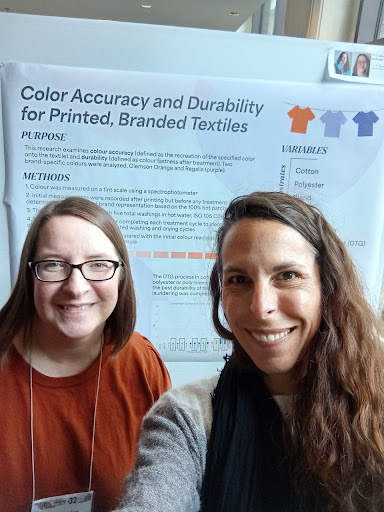
Drs. Erica Walker and Amanda Bridges’ research discovers different strategies to ensure the University’s brand colors remain consistent on athletic apparel
Most sports fans own at least one t-shirt donning the brand of their favorite team or jersey representing their favorite athlete. When they are preparing to join the crowd at a field, rink or stadium, sports fans expect their regalia to look on-brand.
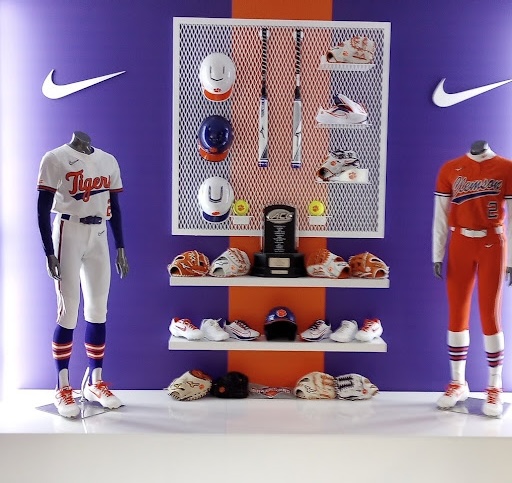
According to Drs. Erica Walker and Amanda Bridges, Clemson faculty in the Department of Graphic Communications, “Branded athletic apparel is a multi-billion dollar business expanding year over year. Sports teams and their fans expect brand accuracy and durability across all types of textile-based products from clothing to home decor. Color is a vital part of a brand’s identity and printing consistent, durable and accurate brand colors across different materials can be challenging for manufacturers.”
Clemson Orange is printed on different textiles and laundered to see how true-to-brand the color of the Clemson paw remains.
The pair have examined the accuracy and durability of two Clemson brand colors, Clemson Orange and Regalia (purple), “specified by the brand as Pantone and CMYK values and measured as LAB values using a spectrophotometer, and printed on three textiles commonly used for clothing.”
Late in 2024, Walker and Bridges received international recognition for their research presented at conferences in Montreal, Canada (Color and Imaging Conference, October 2024) and Seville, Spain (International Conference of Education, Research and Innovation, November 2024). Additionally, they will present in Boulder, Colorado this March at the Technical Association of Graphic Arts (TAGA) conference.
Walker shared some of the challenges their research aimed to address.
“Orange is an especially difficult color to match in any medium,” she said. “Our eyes are pretty sensitive to variations in this color range so branded content creators have to be especially vigilant to ensure a consistent visual match.
Another challenge is the variety of materials and places that the color appears. We see Clemson Orange on the TV screen, on printed t-shirts, painted on the grass on the athletic fields, on the plastic seat backs, on metal decorative art outside, and so many other surfaces. Each backing material and process must be carefully chosen and controlled to ensure accurate brand color.”
During their investigation, the two provided opportunities for freshmen-level experiential learning with a direct-to-garment (DTG) printer and worked closely with Clemson Athletics to assess how the University’s brand colors are affected by commercial washing processes, looking at color degradation.
Walker shared advice for printers and manufacturers to achieve color accuracy and durability.
Bridges (left) and Walker (right) attended the CIC Conference in Montreal, Canada last November.
“You can never have too much quality control throughout the process. Everyone who touches the artwork or product from the beginning design to manufacturing to the sales floor has a role in ensuring brand accurate colors,” she said. “This even includes fans! How we launder brand-color products can help the colors stay accurate for longer.
There are definitely some combinations of textiles and processes that will provide more accurate colors both initially and after multiple washes, so manufacturers take that into consideration when developing new products and deciding how to manufacture them.”
At the end of the day, one question remains above all in Walker’s and Bridges’ research: How can the University engage with textile manufacturers, printers and launderers to ensure the brand stays true on apparel and other products?
“This project helped me connect my color work on screen to what the cameras actually record live—the uniforms of the players and the branded fan gear,” Walker said. “The current study attempts to back the solution up further than ColorNet, which fixed the brand colors after they were recorded on camera. Wouldn’t it be great to get the color more closely aligned both on and offscreen to provide a unified, cohesive brand experience?”
Walker has been a faculty fellow at the Robert H. Brooks Sports Science Institute for many years. The proposals she submitted for ‘director’s funding’ were reviewed and approved by RHBSSI leadership, and the Institute was pleased to fund the purchase of the DTG printer and offer financial assistance to participate in the conferences.
“It was a very [special] international conference and the first time either of us had attended it,” Walker said about CIC. “[It] would definitely be a valuable event to visit again and we really appreciate the support which allowed us to go to both CIC and TAGA this academic year.”
On February 21, Clemson University held an engaging event for Tigers of all backgrounds to join the launch of the University’s new capital campaign, Fiercely Forward, the driving force to achieve the bold initiatives of the University’s strategic plan, Clemson Elevate.
Partners of the Robert H. Brooks Sports Science Institute showcased their sports science technologies, research and creative endeavors in a fun-filled display of helmet-hitting, off-road vehicle exploring and exoskeleton viewing.
Bioengineers, packaging scientists, and automotive and industrial engineers from the Institute’s fellows cohort participated in the event, engaging with guests and explaining how their lines of inquiry and new innovations are making an impact in the greater Clemson community and across the globe.
For the Robert H. Brooks Sports Science Institute, this campaign is a launching ground for new initiatives in support of the University’s strategic plan, positioning RHBSSI to become a national leader in sports science and equipping students with the skills, experiences and connections to thrive in a dynamic industry of sports enthusiasts of all backgrounds.
Coming into the new year of 2025, the Robert H. Brooks Sports Science Institute welcomes four new and one returning student intern for the spring 2025 semester. The five come with outstanding backgrounds, looking to bring new ideas and advances to the Institute.
Griffin Barfield
Griffin Barfield is a junior Communication major and Spanish minor from Oceanport, NJ. He is the lead writer and editing intern for the Institute for the spring semester. This role involves providing the University with content about breakthroughs in the sports science community that are occurring at Clemson, interviewing students and faculty about the endeavors.
“I’m excited to get going with the Robert H. Brooks Sports Science Institute,” Barfield said. “I’m looking forward to writing about unique advances that are occurring right here on campus and the people behind them.”
In addition to writing with RHBSSI this semester, Barfield is the current sports editor of The Tiger, Clemson student newspaper. While managing a newsroom of over 23 reporters, his experience in this role will help look deeper into the people behind the advances in the sport science world, hoping to tell a one-of-a-kind story.
Evelyn Lane
Evelyn Lane is from Piedmont, SC and is a junior Marketing major with a minor in Spanish. She is the Institute’s communications lead, creating content for the Robert H. Brooks Sports Science Institute’s social media handles.
“I am so excited to work with RHBSSI to help promote the Institute and all of the amazing things they do for the faculty, students, and university as a whole,” Lane said. “I am looking forward to continuing to improve my skills in marketing communications and social media strategy, as well as work with my fellow interns and see all the things we will be able to accomplish together.”
Lane previously worked with Cadency, Clemson University’s student-led brand agency, for the last two years. While working with the agency’s social media account and brand strategy, she will look to bring that experience to the Institute in the spring semester.
Natalie Bell
Natalie Bell is a senior Graphic Communications major with a minor in Brand Communications from Greenville, SC. Returning from the fall semester, she will continue her work as the lead graphic design intern in the spring with the Institute, creating visual media to benefit sports science efforts at Clemson.
“I am excited to return as the Robert H. Brooks Sports Science Institute graphic design lead!” Bell said. “I loved my experience as a RHBSSI intern last fall. I look forward to seeing how I can further apply my graphic design skills to our events and promotional materials.”
Bell returns with the skills gained from the Institute a semester ago, where she will build off of her work from the fall. She is also currently the creative director in Cadency, looking to continue to use experience from her work there to enhance the Institute.
Nicole Souza
Nicole Souza is a senior Bioengineering major from Duxbury, MA. She will serve as the technical communications specialist, acting as the technical knowledge base for concepts and technologies related to the events in sports science. She will also help with getting a firsthand look at the hard work that happens behind the scenes of these endeavors.
“I’m really looking forward to working with the Robert H. Brooks Sports Science Institute,” Souza said. “It’s just a unique opportunity to collaborate with students from across campus and help share the Institute’s mission.”
Previously, Souza spent time in the industry through valuable internship experiences, working with medical devices and pharmaceutical companies. It has allowed her to receive a strong, technical foundation in science and engineering, which will help recognize the actions that are being done in the field of sports science.
Keeleigh Bush
Keeleigh Bush is from Rutherfordton, NC and is a senior Parks, Recreation, and Tourism Management major with an emphasis in Tourism and Event Management. She is the events lead intern for the spring semester, arranging events over the course of the upcoming months.
“I am extremely excited to get started this semester as the Events lead for the RHBSSI!” Bush said. “This is such an incredible opportunity to expand my network, and apply the skills and experience I have learned over the past three years. I’m looking forward to working with the team and being hands-on this semester.”
Bush also serves as the public relations chair for the Clemson Event Planners Association. With this role, she will use her experience to help plan exciting events for RHBSSI to hold over the course of the spring semester.
The Robert H. Brooks Sports Science Institute is thrilled to welcome six new Clemson faculty and staff members to its cohort of fellows beginning Spring 2025.
Marissa Shuffler
Associate Professor, Psychology
Shuffler has over a decade of experience conducting basic and applied research in the areas of team development, leadership and organizational effectiveness. Shuffler is director of Clemson’s DIGITAL (Deriving Innovative & riGorous scIence for Teaming And Leading) Research Lab, supervising a team of graduate and undergraduate students. Her research focuses on the study of scientifically derived, innovative interventions needed to develop, sustain and maximize inter- and intra-team functioning and wellbeing. Shuffler’s work also addresses the challenges of leading and leadership development in high risk and complex environments, including healthcare systems, the military and spaceflight. To date, Shuffler has served as Principal Investigator or Co-Investigator for more than two dozen research projects totaling over $23 million in funding from federal and private entities. In 2017, Shuffler was awarded a prestigious National Science Foundation CAREER grant for her research exploring team development interventions and the use of latent profile analysis as a mechanism for better designing interventions for team effectiveness.
Jessica Aviles
Assistant Professor, Industrial Engineering
Avilés specializes in understanding how people move, why they move the way they move and how to help them move better. Her passions lie in improving mobility by applying innovative training interventions and assistive devices. Her research interests cover industrial athlete rehabilitation, fall prevention and human factors and ergonomics in healthcare. At Clemson, her work revolves are exoskeletal research. With a doctorate in Biomedical Engineering, Avilés has taught senior-level occupational biomechanics and also the design and analysis of work systems. Avilés is a Brooks grant awardee and principal investigator in the PHASE (Pursuing Health through Adaptation, Sports and Ergonomics) Lab at Clemson.
Tyler Harvey
Senior Lecturer, Bioengineering
Harvey received his Ph.D. in Bioengineering from Clemson in 2018. Since then, he has taught undergraduate courses in sports engineering, bioengineering design theory, applied biomedical design, bioengineering ethics and entrepreneurship and more. His research interests involve cognitive impacts of virtual reality sports training, sports biomechanics, computational modeling of living systems and more. Harvey is passionate about increasing access to STEM for underserved and underrepresented groups.
Amy Pope
Principal Lecturer, Physics and Astronomy
Pope combines her passion for physics and sports to create engaging learning experiences for students. She teaches Physics of Sports, a course that uses real-world athletic scenarios to illustrate core physics principles. Her contributions to The Conversation on the physics of breakdancing and ski jumping highlight the physical processes behind these Olympic sports, making complex concepts relatable to a broader audience. As a faculty member in the Department of Physics and Astronomy, Pope leverages the universal appeal of sports to make physics more accessible, relevant and engaging for all learners.
Leona Ransdell
4-H Equine Program Leader
Ransdell received her B.S. in Animal Science with an Equine Business concentration from Clemson in 2012. She has served as a 4-H Agent with both the Clemson Cooperative Extension and Virginia Cooperative Extension as the 4-H Equine Program Director. In Virginia, Leona led educational teams to multiple wins at the Eastern National 4-H Horse Championships and managed one of the largest youth-only horse shows on the East Coast. She also coached the Virginia Tech Western and Horse Judging teams and taught equine science and biomechanics courses. Additionally, she earned her AQHA Level 1 Judging Card. Returning to Clemson in 2024, Leona hopes to build on the past successes of the 4-H program in South Carolina with a special focus on the educational events and programs to help mitigate the lack of large animal veterinarians. She is excited to further the interests of the equine industry and bring together stakeholders to address and build a strong future for the equine industry in South Carolina.
Christopher Chouinard
Assistant Professor, Chemistry
After briefly working as a project manager for a contract research lab in Massachusetts, Chouinard received Ph.D. in Chemistry from the University of Florida. There, he worked under world-renowned mass spectrometrist Rick Yost and was responsible for integrating drift tube-ion mobility spectrometry (DTIMS) into the Yost lab. Chris’ interests at UF involved IM-MS studies of clinical molecules (steroids, Vitamin D metabolites) and he received grant funding through the Partnership for Clean Competition to develop novel IM-MS methods for improved identification of anabolic androgenic steroids in athletes. Chouinard then engaged in a prestigious post-doctoral position at Pacific Northwest National Laboratory in Richland, WA where he worked with Dick Smith, another world leader in mass spectrometry, designing and developing a Structures for Lossless Ion Manipulations (SLIM) platform that enabled the first integration of LC into the SLIM IM-MS pipeline for improved analysis in phosphoproteomics. Chouinard joined Clemson in 2022 and continues his work in ion mobility-mass spectrometry.
Any Clemson faculty or staff making contributions to the sports field, broadly defined, are invited to apply to become members of the Institute. Fellows meet twice annually, collaborate on multi-disciplinary projects and are eligible to receive additional funding from RHBSSI for their work. Click here to view the full list of fellows and click here to learn more about becoming a Brooks Fellow.
With March marking Women’s History Month, the Clemson Athletics and sports science communities have plenty to celebrate, including several women’s varsity programs at the University, one of which is the rowing team.
Competing in its first-ever season in 1999, the Clemson women’s rowing team has an enriched history and has been a staple of Clemson Athletics for two-and-a-half decades.
After Clemson announced it was adding a varsity women’s program in 1997, two years later, the Tigers were on Lake Hartwell practicing and competing. Since then, the team has accomplished great feats and has even climbed all the way to the mountain top in NCAA competition.
One decade after being established as a program, Clemson’s Varsity 4+ team captured Clemson’s first-ever national championship at the NCAA Rowing Championships in Cherry Hill, New Jersey, in 2009.
That championship helped pave the way for future rowing athletes to attend and compete at Clemson University, two of whom are set to speak at the Robert H. Brooks Sports Science Institute’s (RHBSSI) annual lecture series later this month.
An attempt at a world record
In honor of Women’s History Month, RHBSSI is proud to be hosting Jenny D’Anthony and Anna McLean on March 26 in Freeman Hall for its annual lecture series.
The duo will speak about their ongoing preparation for the estimated 60-day trip from Monterey Bay, Calif., to Kauai, Hawaii, as a part of the World’s Toughest Row competition. From taking two-hour sleeping shifts to burning 10,000 calories a day to desalinating ocean water, D’Anthony and McLean will begin their journey across the Pacific on June 8.
Jenny D’Anthony (left) and Anna McLean (right) are set to row the Pacific Ocean in June but will speak on Clemson University’s campus beforehand in March.
For months, the pair has been training to be the youngest and fastest female athletes to row across the Pacific Ocean. As a part of their mission, D’Anthony and McLean are raising money for the Hear Her Roar campaign, which brings awareness and financial support to Clemson’s female student-athletes.
McLean and D’Anthony were members of Clemson’s rowing team beginning in 2014 until they graduated from Clemson in 2017 and 2018, respectively. In 2022, McLean, from the United Kingdom, and D’Anthony, from the United States, formed United Row.
D’Anthony credits her time at Clemson for the person she is today and her motivation to complete the upcoming row across the Pacific.
“My Clemson experience was nothing short of incredible,” D’Anthony told Iptay. “It transformed me in ways well beyond athletics. Opening my eyes and mind to things I never thought possible. I wear the paw with pride and am grateful for the opportunity to represent and give back to my alma-mater. I am incredibly excited to immerse myself in an all-consuming challenge, where I will test my limits both physically and mentally. There are few, if any, times in life you can entirely devote your attention to one goal. This is one incredible exception.”
As for McLean, her experience as a Tiger already inspired her to row the Atlantic Ocean with her brother in 43 days, 15 hours and 22 minutes in 2019. Now, she’s onto an even bigger challenge with her best friend.
“As a student-athlete at Clemson I was able to meld my love for rowing alongside my passion for business,” McLean told Iptay. “Surrounded by such driven and highly successful students empowered me to ‘never settle’ (but) rather continue striving for more. From mornings on Lake Hartwell to months in the Atlantic Ocean, and now with dreams even bigger, conquering the Pacific, I am beyond grateful for the foundation Clemson laid and humbled to be giving back to my alma mater and supporting future generations to pursue their dreams too.”
Clemson students, faculty, alumni and community members are invited to hear D’Anthony and McLean discuss their upcoming 2,800 nautical-mile rowing competition. The talk with RHBSSI will begin at 6 p.m. EST on March 26 in the Freeman Hall auditorium, followed by a reception with food and refreshments in the Freeman Hall gallery from 7-8 p.m.