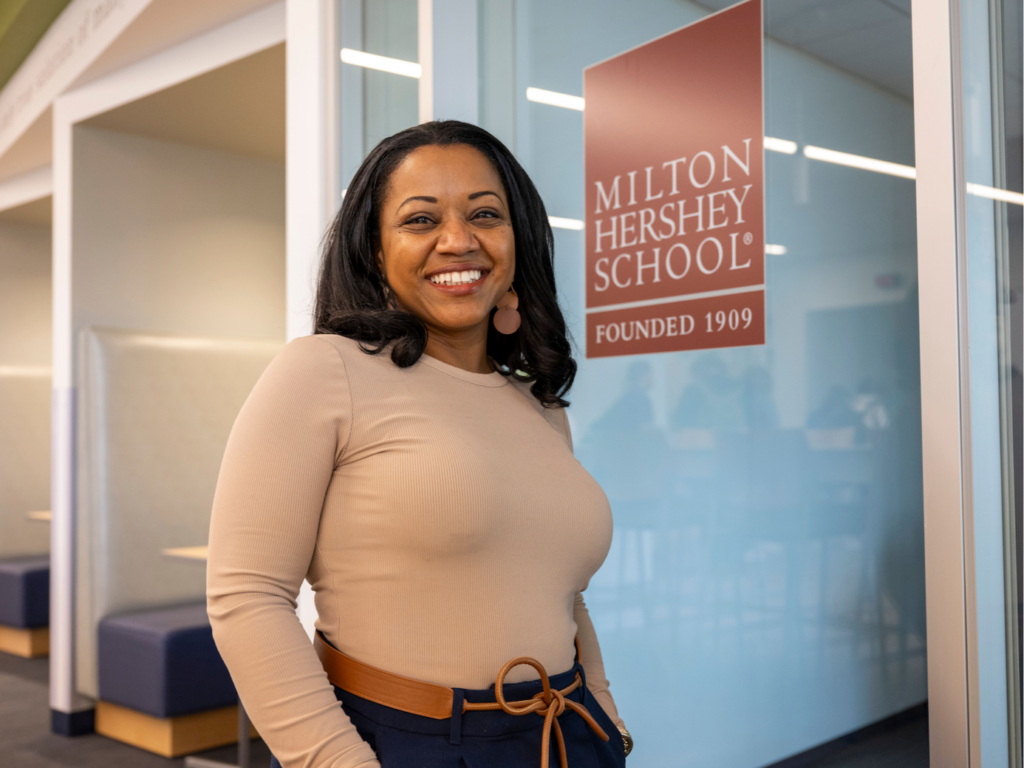
Sharice Johnson, a Clemson University graduate with a Master of Science in Youth Development Leadership, currently serves as the Coordinator of Staff & Student Engagement at Milton Hershey School in Hershey, Pennsylvania.
What first inspired your passion for youth development?
I often say that I didn’t choose youth development; youth development chose me. Long before I had a title or a degree, I was simply a teenager who enjoyed helping younger kids. What began as a high school volunteer opportunity became the foundation of a lifelong calling.
More than two decades later, that same joy I experienced while tutoring younger students continues to fuel my commitment to mentoring, leadership development, and creating spaces where young people can discover their gifts, find their voice, and become the leaders they were created to be. Being around young people keeps me hopeful and reminds me that the future is full of possibilities. There is nothing more rewarding than watching a young person discover a strength they didn’t know they had, step outside of their comfort zone, or gain the confidence to use their voice. They continue to remind me why I do this work and why I remain passionate about investing in the next generation.
How did Clemson’s Youth Development Leadership program influence your career?
My experience in Clemson University’s Youth Development Leadership program was truly life-changing. By the time I entered the program, I had already been working with young people for many years. I had passion, experience, and a genuine love for the work. What Clemson gave me was the language, frameworks, and evidence-based practices to better understand why effective youth development works and how to do it with greater intentionality.
The program helped me connect my day-to-day experiences with research and theory, sharpening skills that I had developed through practice. I learned that meaningful youth development is much more than activities and events, it’s about cultivating relationships, fostering belonging, building strengths, and creating opportunities for young people to discover their potential. Most importantly, the program taught me how to connect my creativity with purpose. I’ve always enjoyed dreaming up new ideas and experiences for young people, but Clemson helped me transform those ideas into intentional, outcomes-driven programs that make a lasting impact. It elevated my approach from simply delivering programs to designing experiences that empower youth to lead, grow, and succeed.
Looking back, Clemson helped me step my game up. It gave me the confidence to see myself not just as someone who works with young people, but as a youth development leader committed to advancing the field. Beyond my professional role, I have the privilege of serving as a youth empowerment speaker, where I inspire young people to discover their strengths, develop their leadership capacity, and pursue lives of purpose. Clemson not only enhanced my skills as a practitioner; it expanded my vision. It reinforced my belief that youth development is both an art and a science, and it empowered me to become a stronger advocate, educator, and leader for the next generation.
What does “empowering young people” mean to you in practice?
Empowering young people is about showing up with intention. It starts with building authentic relationships and creating spaces where young people feel seen, heard, and valued for who they are.Empowerment also begins with helping young people recognize their sparks: the unique gifts, interests, and strengths that make them who they are. My role is to help them see their superpowers, build confidence in their abilities, and remind them that they already possess tremendous potential.
I believe in holding young people to high standards while providing the support and encouragement they need to grow. Caring for young people means challenging them to stretch beyond their comfort zones and helping them develop the confidence and resilience needed to succeed. Young people rise when they know adults believe in them enough to both encourage and challenge them.
But empowerment doesn’t stop with encouragement. As a mentor and advocate, I believe I have a responsibility to connect young people to experiences, resources, and people that align with their interests, aspirations, and career pathways. In practice, that means giving young people a voice, providing opportunities for leadership, celebrating their growth, and creating relationships that inspire them to dream bigger. My goal is not to tell young people who they should become, but to provide the support, exposure, and encouragement that allow them to discover their own path and step confidently into their future.
What keeps you motivated after more than two decades in this field?
What keeps me motivated after more than two decades in this field is simple: I genuinely love being around young people.Their energy, creativity, and potential fuel my passion. Empowering young people isn’t just what I do; it’s who I am. It’s a passion that extends far beyond my job and into every area of my life.
In my full-time role at Milton Hershey School, a private, no-cost residential home and school serving students from underserved backgrounds, I have the privilege of architecting systems and experiences that ensure every student feels connected, heard, developed, and empowered. I believe every young person deserves opportunities to thrive and adults who are committed to helping them reach their full potential. This past year, we celebrated a decade of Girls Grace, the school’s first-ever all-girls confidence conference that I founded and lead with a group of twelve dedicated empowered women. What began as an idea has grown into a meaningful tradition that has impacted countless young women by helping them build confidence, character, and community.
I serve on the Board of Directors for Girls on the Run Mid State PA, helping provide strategic oversight and vision to ensure girls have access to programs that strengthen their confidence and well-being. I also serve on the Board of Directors for the AKA Foundation of Central Pennsylvania, Incorporated, where I helped co-create Young Women Ready2Lead, our first-ever leadership conference for middle and high school girls. The program was intentionally designed to develop strong character, leadership skills, career awareness, and self-confidence. After all these years, what keeps me going are the moments when I see a young person discover a new strength, find their voice, or begin to believe in themselves.
What does the next generation need most from adults and leaders?
I believe what today’s young people need most from adults and leaders are mentors and role models who lead by example, see their full potential, and intentionally connect them to experiences that align with their interests and aspirations. Young people need caring adults who listen, encourage, and help them navigate life with confidence and purpose.
Throughout my career, I’ve seen firsthand that a mentor can change the trajectory of a young person’s life. They help young people discover strengths they may not yet see in themselves and remind them that they don’t have to navigate life’s challenges alone. I also believe mentorship doesn’t stop when we become adults. As leaders, we need mentors too. I’m intentional about sharing that message with my students because I want them to understand that learning never stops. No matter how much experience we gain or how successful we become, there is always room to grow, learn, and be poured into by others.
That’s one of the reasons I’m excited about my upcoming book on mentoring. Drawing from decades of experience in youth development, I’m sharing practical insights and stories to help caring adults become intentional difference-makers in the lives of young people. When adults choose to show up consistently and invest in the next generation, they don’t just influence individual lives, they help shape stronger families, communities, and futures. My hope is that the book will inspire more adults to recognize the profound impact they can have simply by showing up, leading by example, and investing in the potential of others.
Interested in Youth Development Leadership Master’s program?
Learn more about Clemson University’s M.S. in Youth Development Leadership and how the program prepares professionals to empower young people through research-informed practice, leadership, and positive youth development.
Learn more: Youth Development Leadership Master’s Program
