By Griffin Barfield
Each year, the Robert H. Brooks Sports Science Institute supports Clemson’s student body by expanding access to scholarships and enhancing experiential learning opportunities, providing funding to various undergraduate and graduate students who are studying sport in their disciplines.
Through annual research awards and professorship funding endowed to faculty in the Departments of Automotive Engineering, Communication, Marketing and Parks, Recreation and Tourism Management, graduate students are hired to engage in research activities affecting the field of sports science.
This year, two of the Institute’s ‘legacy professors’ – Bryan Denham, Ph.D., in the Department of Communication in the College of Behavioral, Social and Health Sciences and Angeline Scheinbaum, Ph.D., in the Department of Marketing in the Wilbur O. and Ann Powers College of Business – funded two graduate students each at Clemson University.
These students are four of the seven graduate students that the Institute has supported over the last academic year.
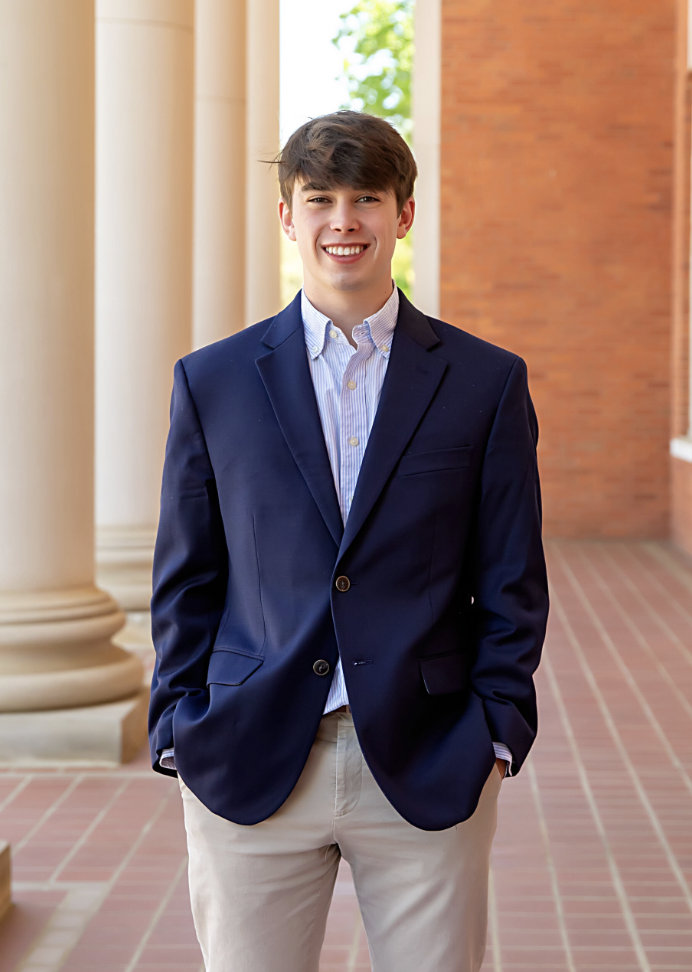
Within the Department of Communication, two research assistants have been analyzing social networks and sports on a global scale with sports communication faculty.
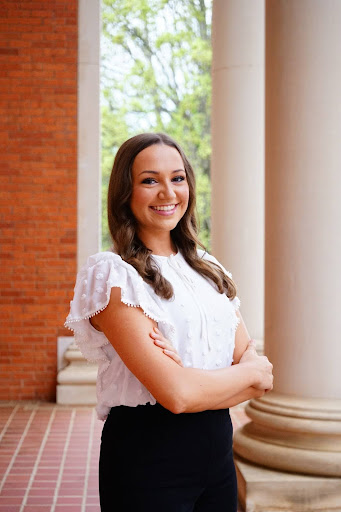
Cassidy Gruber and Erin Knight have been researching social media responses that have been presented during the PGA Tour and LIV golf merger, looking to find the role of care during organizational changes. After reworking the literature review, they aim to have a manuscript titled Understanding the role of care in communicating organizational change: A social network analysis of the PGA Tour-LIV golf controversy, published in the Social Media + Society journal.
Assistant professors, Virginia Harrison, Ph.D., and Brandon Boatwright, Ph.D., will be spearheading the manuscript.
“The Robert H. Brooks Sports Science Institute has given me a unique and rewarding opportunity to incorporate my strategic communication background into sports science research this semester,” Gruber said. “I have thoroughly enjoyed being a part of a motivated research team and contributing to meaningful projects!”
Knight is also working to understand the social media conversation of sportswashing and nation branding, which has become a rising issue from the political lens of sports. This is her first assignment as a research assistant, and she will continue her work into the Spring 2026 semester.

“It’s been really exciting to be a part of the research process in this way,” Knight said, “especially with such an interesting focal point.”
Boatwright and Harrison are also faculty fellows of the Institute.
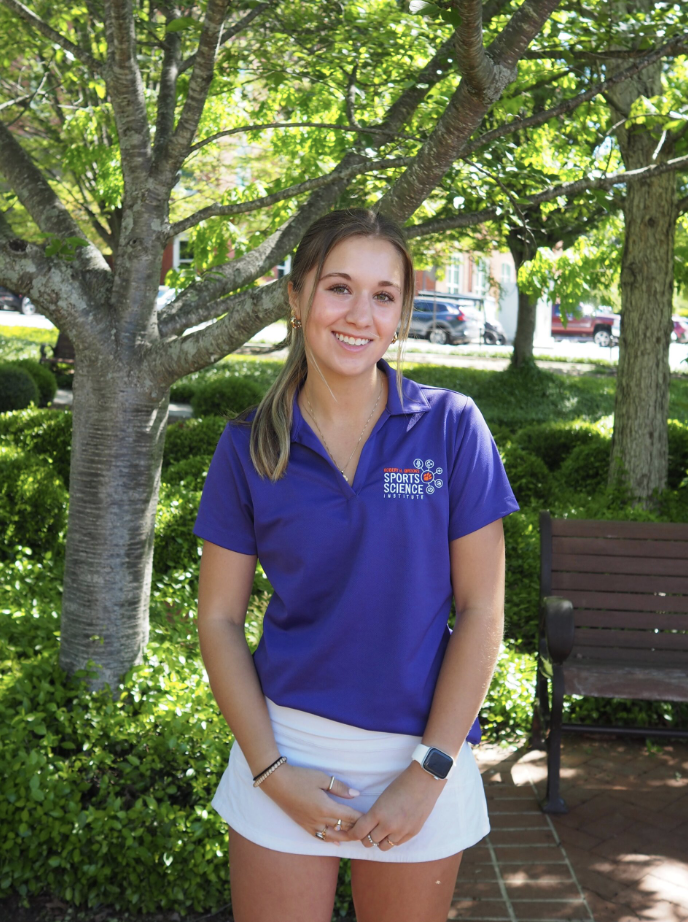
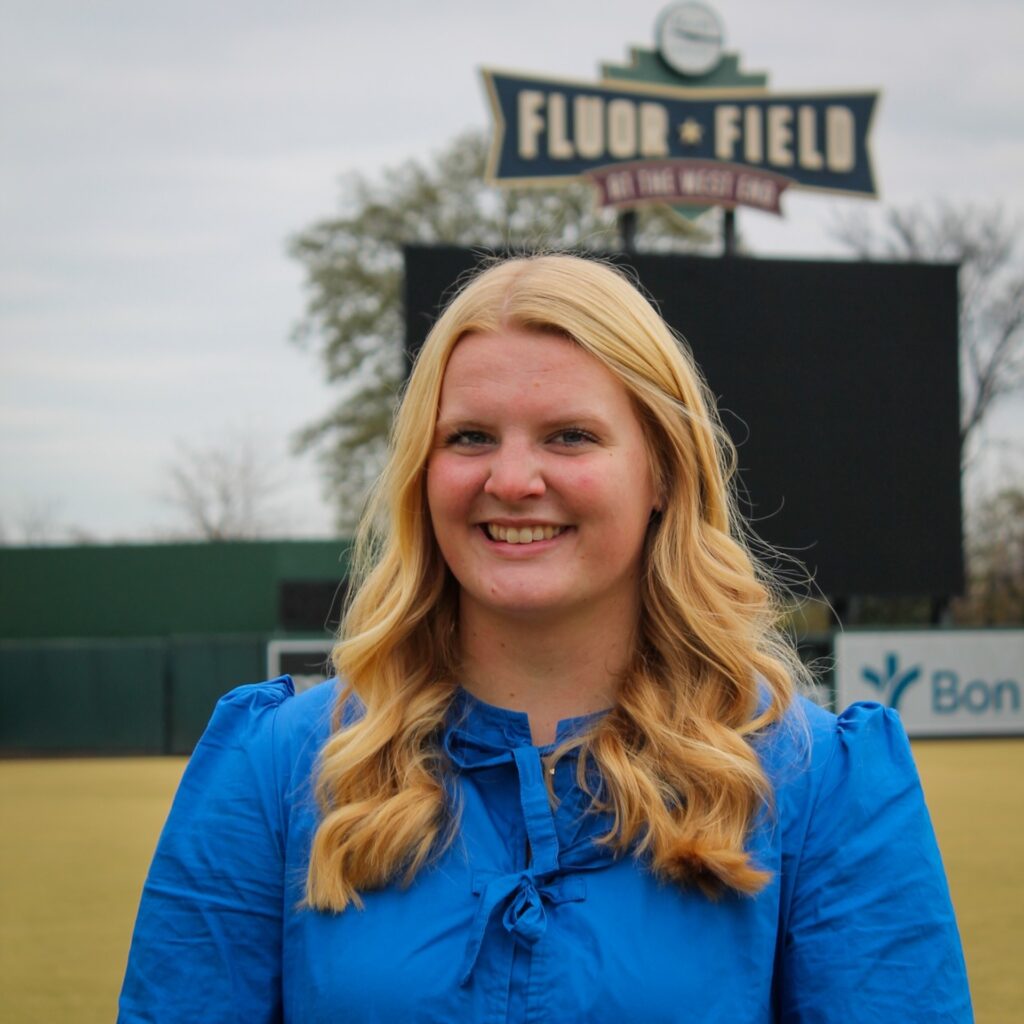
In the Department of Marketing, research assistants Sairah Abraham and Cara Levin work closely with Dr. Scheinbaum, the Institute’s Dan Duncan Endowed Professor of Sports Marketing.
The two have centered their research on sports marketing and consumer behavior, focusing on Corporate Social Responsibility over the last year with their team. The pair have been examining sport sponsorship as a form of corporate community involvement, investigating how local consumers view sponsor brands and exploring their feelings of gratitude.
Their team has found outcomes through four large-scale field studies across three professional sports: automotive racing, PGA golf, and USA professional cycling. The research project under the direction of Dr. Scheinbaum found that consumer-corporate identification perceptions help the sponsor-event fit, and the consumer intentions to support sponsor brands, allowing the results to assist with local sponsor brands’ strategies.
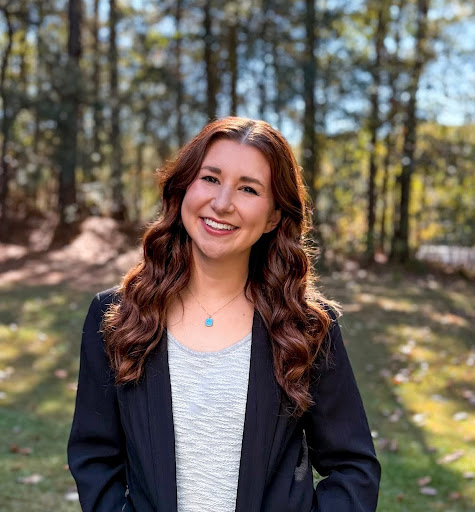
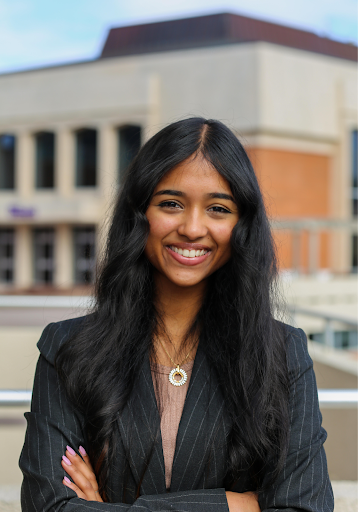
“As a Brooks RA, it’s exciting to see how psychology, sports and marketing can team up,” Abraham said. “Each brings unique strengths to interdisciplinary studies that advance research that captures both the science of people and the spirit of the game!”
Levin has also looked into how sponsorship and community engagement initiatives influence consumer perceptions of the brand’s authenticity, ethical leadership and trust. She has a background in Industrial-Organizational (I/O) Psychology, using that to see how corporate strategy and stakeholder response are affected.
“Clemson’s drive powers both our athletics and research,” Levin said.
As their research wraps up and the semester comes to a close, the students will be reporting on any outcomes or taking their work into 2026.