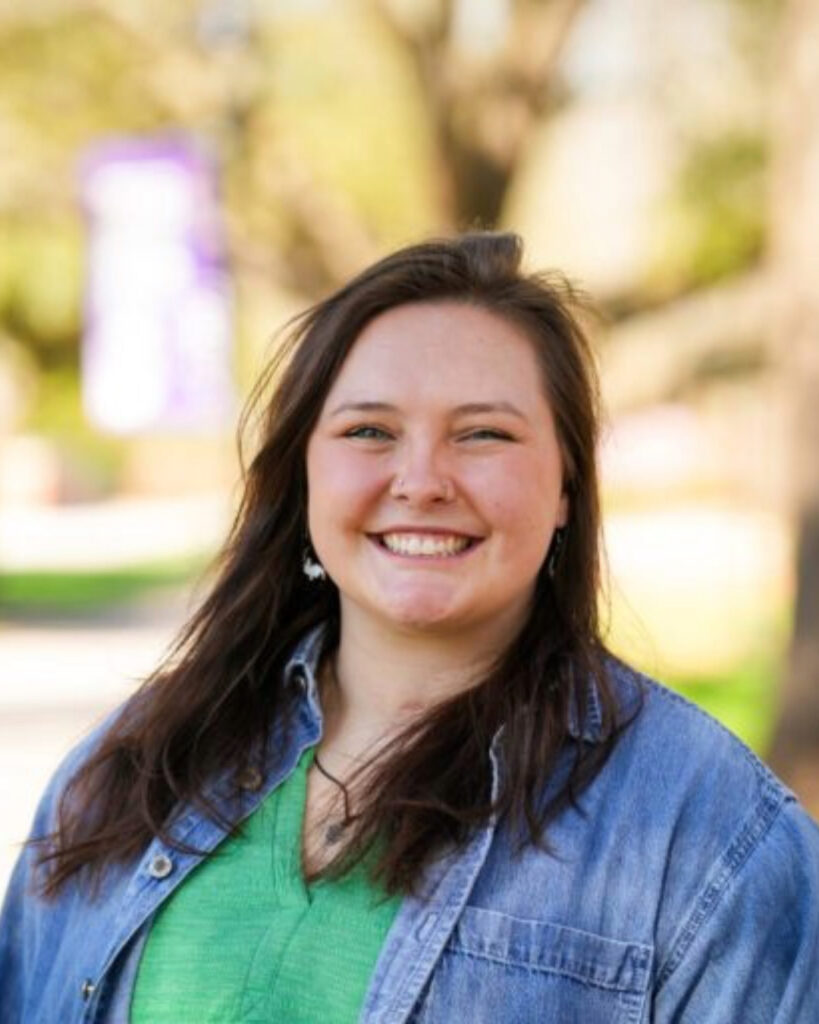
Megan Hazzard, a Clemson University graduate with a degree in Parks, Recreation, and Tourism Management, currently serves as the Managing Director of the Henrico Sports & Entertainment Authority in Henrico, Virginia.
What does your position involve on a daily basis?
We are always working on pre-planning for upcoming events but also working on long-term planning for our large-scale events. My job entails business development so we constantly review requests for proposals, conduct site visits, attend conferences, and bid on new events to bring to Henrico County, whether that is an indoor event at the new Henrico Sports & Events or an outdoor tournament at one of our parks. One of my favorite events that we bid on several years ago which we have now extended through 2029 is the Atlantic 10 Women’s Basketball Championship that is hosted here every March.
The NCAA bid portal opens later this year, so we will work with our Richmond Region Tourism partners to review our opportunities and compile proposals to hopefully bring NCAA events to the region in future years. Last cycle we won the 2027 DIII Volleyball National Championship and will look to bid on more events for this next cycle. I work closely with several different departments and external stakeholders when hosting these events, so meetings and communication are key to hosting successful events.
How did your early experience in event sales and operations prepare you for executive leadership?
Building my career through event sales and operations truly paved the way to where I am today. Those early roles gave me hands-on experience and helped me build invaluable relationships that continue to shape my career. The sports community is incredibly tight-knit; we rely on one another, support one another, and reputation matters. Working on the sales side taught me that relationships are everything in this business. It reinforced the importance of trust, follow-through, and doing exactly what you say you’re going to do.
On the operations side, I learned the value of hard work and long hours. Events are not a 9-to-5 business, but they are the “fun” business. Behind every successful event is a team putting in time, solving problems in real time, and making sure the experience feels seamless for everyone else. This industry requires grit, flexibility, and passion. It has absolutely been hard work, but I’ve always loved what I do. That passion makes the long hours worthwhile and makes showing up every day easy.
How do sporting events and entertainment venues create economic and social impact for a community?
From an economic standpoint, events drive hotel stays, restaurant traffic, retail spending, and transportation usage which all funnel taxes back into our county. Visitors fill our hotels, dine in our restaurants, and explore our local attractions, creating direct spending that supports small businesses and generates tax revenue that benefits the broader community. Those hotel taxes and meal taxes help pay for improvements to public schools and public safety buildings. Large tournaments and multi-day competitions are especially powerful because they bring repeat visitation and introduce new audiences to the region.
But social impacts are just as important. Events create energy. They give residents something to rally around. They provide opportunities for young athletes to compete at high levels without leaving their hometown. Sporting events also introduce people to neighborhoods and venues they may not otherwise visit, increasing awareness and engagement across the region. When done strategically, sports tourism isn’t just about a weekend event. It’s about long-term destination positioning, workforce development, and building a community people are proud to live in.
What are the biggest challenges and rewards of developing large-scale facilities?
The biggest challenges have included aligning multiple stakeholders with different priorities, managing budgets and timelines in an evolving economic environment, ensuring the facility is designed for long-term flexibility, and balancing community expectations with operational realities. We have several public private partnerships in our county which have been hard work, but they are big success stories for us.
With projects like the Henrico Sports & Events Center and the future Best Products Arena/Mixed Use Development we are currently working on, you’re not just building a structure. You’re building a long-term asset that must serve athletes, promoters, residents, and visitors for decades. Seeing a facility to come to life and immediately generate economic impact, create jobs, attract national events, and host community gatherings is incredibly fulfilling. They drive hotel growth, retail expansion, and increased national visibility.
What advice would you give Clemson PRTM students interested in sports tourism or event management?
Say yes early and often. Internships, game-day operations, volunteer roles, and facility tours all provide valuable hands-on experience. Take every opportunity to get involved. This industry is relationship-driven and experience-driven. Say yes to meeting new people, going to networking events, and sitting on committees. You never know when someone you crossed paths with can help open doors for you in the future.
Learn the business side of sports. Sports tourism and venue management aren’t just about the excitement of game day, they’re about contracts, budgeting, operations, sponsorship sales, logistics, and community relations. Understanding the financial and strategic side will set you apart. It’s a fun business to be in, but if you want to grow in your position, you have to learn all the facets of the business.