It’s the second month of the new year. Did you set New Year’s resolutions this year? Did you keep them? I do not set resolutions every year, but I have successfully set and kept them in the past. However, none of my resolutions were achieved without the accompanying shame and anxiety about how I would feel if I were to join the millions of others who abandon their resolutions by the second Friday in January. In other words, I have kept resolutions when the achievement was not the resolution itself but only the avoidance of failure.
When lamenting this tension recently, a friend told me she doesn’t count her January productivity toward her work or life projects at all. She does what she needs to do to get her job done, but if she has broader goals, such as “learn a language,” “write a novel,” or “lose weight,” she gives herself the month of January to be okay with her status quo, rather than striving for more. She looks at other months for productivity and achievement.
I was intrigued. My friend’s decision to only begin “counting” her productivity on February 1 made me think about seasons when we just need to sit back and survive. Staff at Clemson have been through a lot lately: leadership changes, ERP improvements, political shifts, financial mayhem, to name only a few. Maintaining our productivity and professionalism while handling so much change is an achievement in itself.
My No.1 strength in StrengthsFinder is “Achiever,” which I often find to be a burden, pushing me to strive more and rest never. Because of this “strength,” if I decide to call it that, I’m one of those people who need to have tiered goals: A big one that will take years, then something that will take this year, this semester, this month, this week, this day. Right now, my big goal is working on my PhD. But rather than a year-long or semester-long goal, what if I give myself permission to just get by?
I’m not advocating that we spurn productivity or stop trying. Caring about this place and pouring our hearts into our work is what makes this university run. But I found my productivity to be somewhat counterintuitive: When I gave myself permission to take a little break from the achievement grind, I was more productive than ever, without the fear or shame I’m used to. I actually made a personal breakthrough and started working on a project I had dreamed about for years and kept putting off, waiting until there was a lull in everything else in my life. That lull is not coming! I needed to create it for myself.
I’ve also started putting important but easily ignored things on my weekly to-do list: figure out what self-care I need, take a walk outside, spend uninterrupted time with my kids, have a conversation with my husband that does not involve logistics of feeding and housing and transporting these children. As someone guided by lists, when there is a place for a checkmark by these, I’m much more likely to see them as something to achieve and find fulfillment in.
So let me just say this: You’re doing fine. I’m doing fine. We’ll get through these seasons of change, and that can be our big achievement for 2026.
Box No.1:
What is the Ombuds Office?
The Ombuds Office is a confidential, independent, neutral, and informal space for staff to process concerns, get information, and develop options for how to move forward in a difficult situation. I can provide education, conflict coaching, mediation, and facilitation as well as referrals to other resources across Clemson. If you are unsure how to move forward in any way, I can help you work through it.
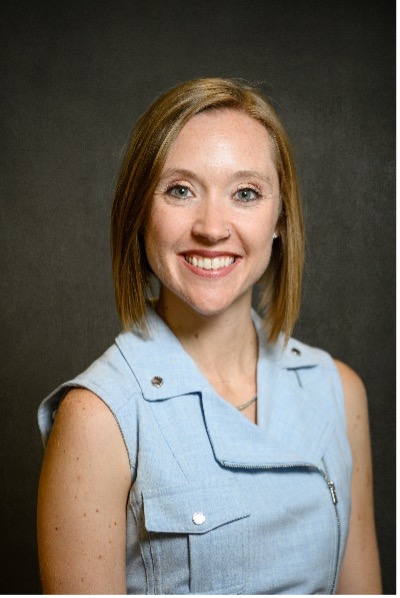
Tessa Byer
Phone: 864-656-5353
Email: tbyer@clemson.edu
Address: 135 Old Greenville Hwy, Ste. 203 (Next to Esso!)
Box No. 2:
Save the date for upcoming trainings offered by the Ombuds:
Teamwork that Works
February 26, 2026, from 12:00 to 1:00
Virtually only, sign up here:
Combating Burnout and Cultivating Resilience
March 6, 2026, from 9:00 to 11:00
Virtually only
Navigating Intergenerational Workplaces
April 10, 2026, from 9:00 to 11:00
In person at University Facilities Center, sign up here:
