Have you ever been drawn into a conflict between co-workers or colleagues? Perhaps one or both people pressured you to take sides. If you felt uncomfortable doing so, because you could see valid points from both points of view, you were likely striving for impartiality. Situations like these are difficult in life in general but even more so within the office setting when you just want people to get along, so you can get back to work.
I recently met with a staff member who had been brought into the middle of an interpersonal conflict between two of his co-workers. They work in a very small office and have a culture that allows for frequent and open communication. Since starting in his role, other staff members have gone to him with their problems, but this particular conflict has been eating up too much of his time and energy. He wants his co-workers to get along, but he can see how they both can be right and both be wrong at times during the conflict. He also has a much longer history with one of the co-workers, while the other is new to the office. He really likes both colleagues, and he believes picking sides would ruin his relationship with at least one of them. He would like to be impartial, help them resolve this conflict, maintain these relationships, and ultimately get back to work but is not sure how.
So, what does it actually mean to be impartial?
If you have ever met with our office or attended one of our training sessions, you might have heard us mention that impartiality is one of our guiding principles. For an Ombuds, impartiality is a professional standard. Since we have no stake in the outcome of a conflict, we have the luxury of distance. We can focus entirely on a fair process where everyone is treated equally. But in the daily life of a department, you often don’t have the luxury of being uninvolved. You are involved because you share an office, a project, or a lunch table with the people in conflict. When you are in it, impartiality isn’t a default setting; it’s a conscious choice.
During an office conflict, you might find yourself wondering: “Do I want to be impartial, or do I have to be?” As a peer, the choice is often about protecting your environment. You might want to stay impartial to preserve your relationships; you value both people and know that picking a side could cause lasting damage to those relationships. Other times, you have to be impartial as a matter of professional integrity; perhaps because you are an informal leader in the group or because the team’s success is based on your decisions. The key is to realize that even if you aren’t an Ombuds, you can still employ the benefits of impartiality: listening to everyone, refusing to let personal bias sway you, and keeping your focus on objective standards rather than office politics.
Bernard Mayer suggests in his book, The Conflict Paradox, “true impartiality isn’t just about staying out of it but being a balanced resource holding space for the rightness and wrongness of both parties simultaneously.” In the scenario I described earlier, it’s the ability to listen to that long-time colleague and the new hire with the same level of curiosity and not letting your history cloud your judgement. Being impartial also means prioritizing what both people truly want to accomplish in the conflict. Whether it is your job to decide who is the winner or not, you can advocate for a fair process where all the facts and feelings are on the table before a solution is identified.
How can I be impartial at work when I am brought into a conflict?
First, clarify your role early. If you are being pulled into a conflict, it is okay to set a boundary. You can say, “I value my relationship with both of you, so I’m going to stay impartial. I won’t take sides, but I am happy to help you both brainstorm how to move forward.”
Next, have a “Heart at Peace.” Before you jump in, ask yourself if you’ve already picked a side in your mind. The Arbinger Institute’s book, The Anatomy of Peace, reminds us that if we see one person as a “problem” and the other as a “victim,” we’ve already taken sides and lost our impartiality. Try to see both individuals as people with legitimate needs and fears.
Finally, focus on the mutual problem: When you feel pressured to take a side, pivot the conversation back to what everyone wants. You might say, “It sounds like you both want this project to succeed, but you have different ideas on the timeline. Let’s focus on that goal.” If you have ever been through our Difficult Situations at Work training (shameless plug) we call this concept, “Us vs. The Problem” rather than “You vs. Me.”
Being impartial isn’t about being passive; it’s about being a steady anchor in a stormy situation. By staying impartial, you aren’t just staying out of it; you’re actually creating the safe space necessary for the conflict to finally be resolved.
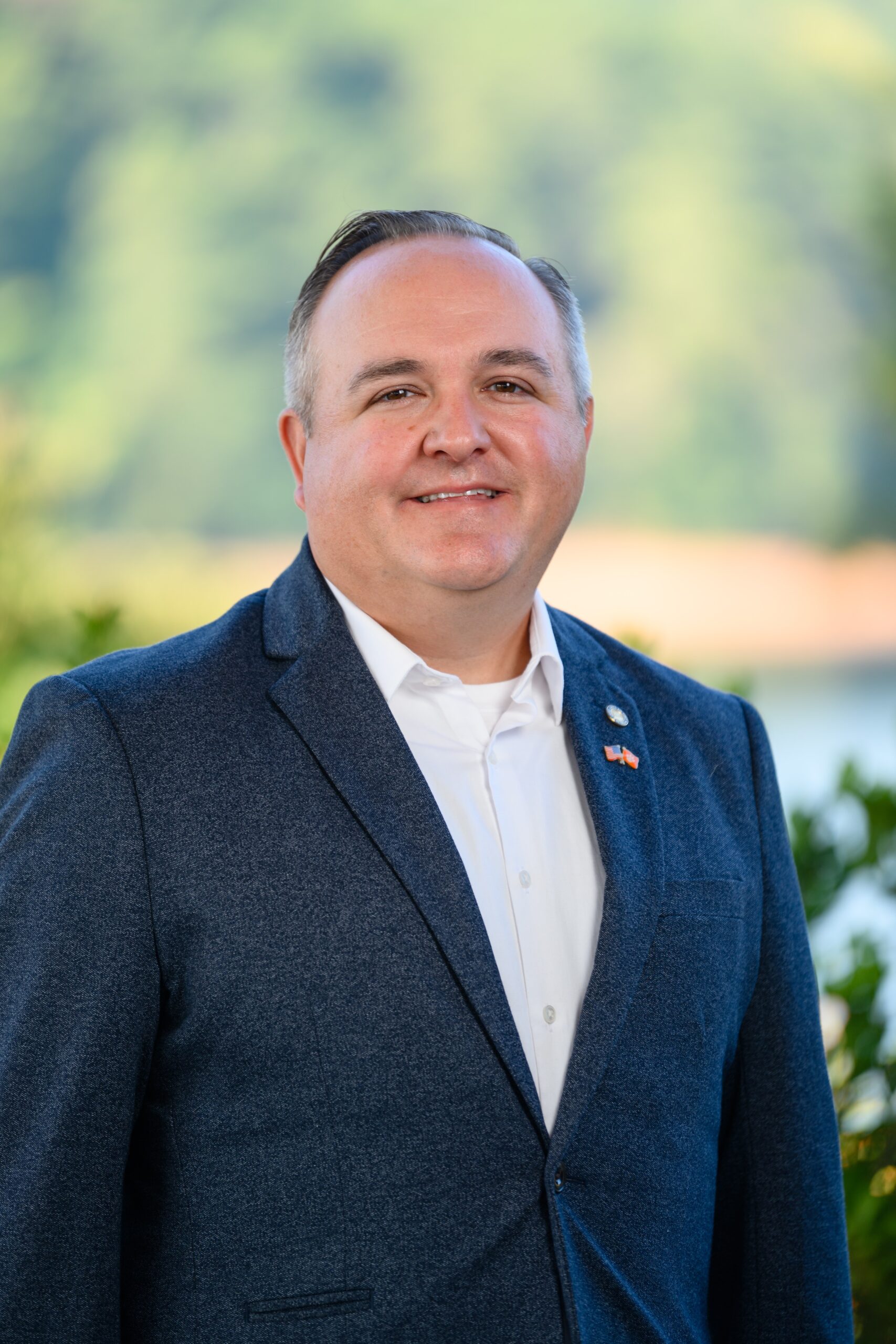
Michael Scott
Associate Ombuds
Phone: 864-656-6353
Email: mesctt@clemson.edu
Address: 135 Old Greenville Hwy, Ste. 203 (Next to Esso!)
What is the Ombuds Office?
The Ombuds Office is a confidential, independent, neutral, and informal space for staff to process concerns, get information, and develop options for how to move forward in a difficult situation. I can provide education, conflict coaching, mediation, and facilitation as well as referrals to other resources across Clemson. If you are unsure how to move forward in any way, I can help you work through it.
Save the date for upcoming Fall 2026 trainings offered by the Ombuds Office:
Don’t Tough It Out: Difficult Situations at Work
Friday, Sept. 11 from 9:00 to 12:00
In-person at University Facilities Center, sign up here: https://clemson.bridgeapp.com/learner/training/cf15179e/sessions/7126/enroll
Navigating Intergenerational Workplaces
Friday, Sept. 25 from 9:00 to 11:30
Virtually only, sign up here: https://clemson.bridgeapp.com/learner/training/8c562aa0/sessions/7128/enroll
Giving Effective Feedback
Wed., Oct. 14 from 9:00 to 10:30
Virtually only, sign up here: https://clemson.bridgeapp.com/learner/training/3bc50439/sessions/7129/enroll
Emotional Intelligence at Work
Friday, Oct. 30 from 9:00 to 11:00
In-person at University Facilities Center, sign up here: https://clemson.bridgeapp.com/learner/training/1be18cf1/sessions/7130/enroll
Combating Burnout and Cultivating Resilience
Friday, Nov. 6 from 9:00 to 11:00
Virtually only, sign up here: https://clemson.bridgeapp.com/learner/training/86042925/sessions/7132/enroll
