By Liliane Silva, Forages Specialist, Clemson University
Cool-season forages are widely used in South Carolina forage-livestock operations. In the upstate region, most operations rely on tall fescue stands as the basis of their forage systems, either planted in monoculture or mixed with cool- and warm-season species. Statewide, we also rely on cool-season annual forages (e.g., grasses, legumes, brassicas) to extend the grazing season into the fall and winter months, either by planting them in prepared seedbeds or by overseeding them into perennial warm-season stands. Whether you have a cool-season monoculture or a mixed stand, you may have noticed signs of cold injury due to the prolonged cold temperatures, snow, and ice formation that we have experienced since Fall.
Over the past few years, we have experienced dry late summer and/or fall periods, and this past year was no different, which impacted germination and stand development. However, this season we experienced a combination of a prolonged dry period and lower temperatures since early Fall, which has delayed planting and seedling growth and caused varying levels of plant cold injury across the state.
The optimal temperature range for cool-season forage growth is 65–78°F. Below 50°F, plant growth slows down. At temperatures near/at freezing, growth stops completely. The prolonged exposure of forages to subfreezing temperatures, and later to snow and ice formation, can damage plants, as plant cells may rupture or burst when they freeze. For example, Figure 1 was taken on January 22, 2026, and shows cold injury in cool-season annual forages planted in late October by overseeding a bermudagrass stand in Blackville, SC.

Figure 1. Cold injury in cool-season forages in an overseeded bermudagrass stand in Blackville, SC.
Cold tolerance may vary among forage species and varieties (Figure 2), so the level of the cold injury or damage observed and the plant’s ability to recover may vary. Also, the plant’s vegetative stage at the time it was exposed to more intensive damage can be another factor influencing its response. The warmer temperatures we experienced during the week of January 5th signaled to plants that proper conditions for growth were present, only to be affected by the latest weather conditions we are experiencing. Therefore, over the next days and weeks, it will be important to assess the level of cold injury and damage you are observing in your fields and to understand the management options you should consider.


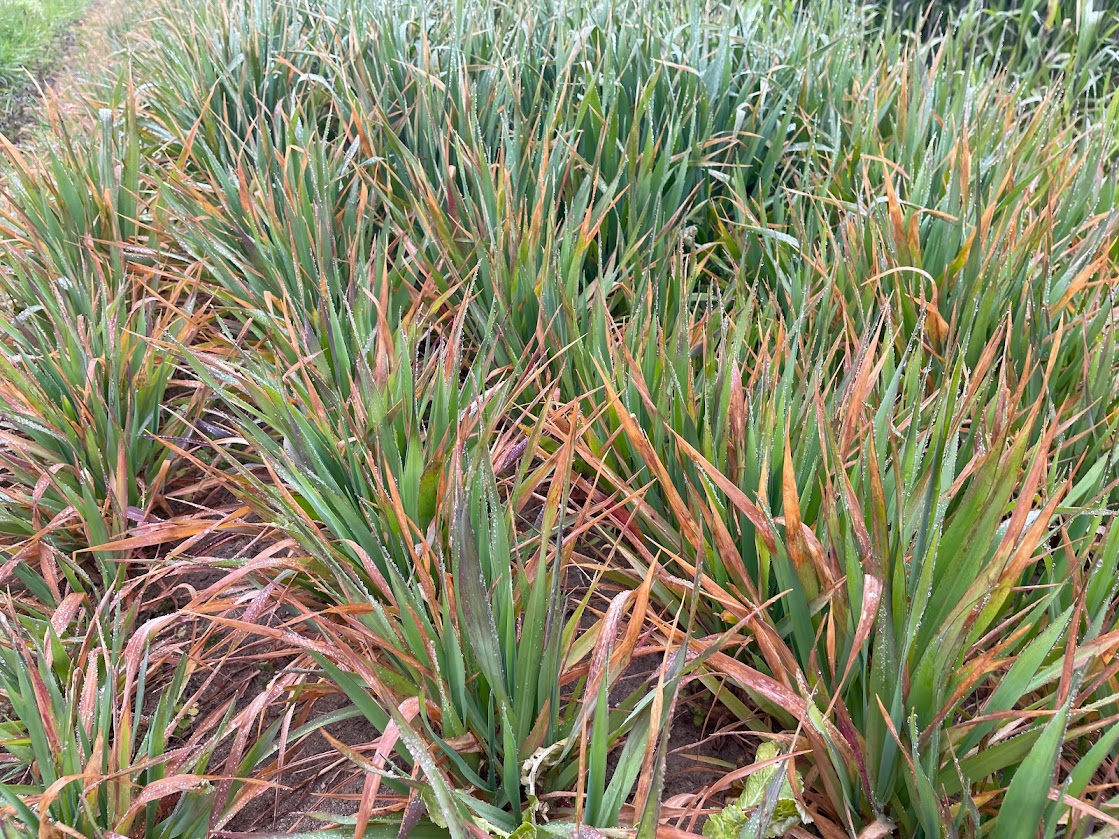
Figure 2. Cold damage on radish (left), wheat (middle), and oat (right).
In areas of the state that have experienced snow accumulation, snow insulation can help protect forage plants from freezing temperatures and wind, while moderating temperature changes and retaining some moisture. However, all those factors depend on the amount and depth of snow, the duration it lasted, and the plants’ cold tolerance levels, among others. Below are common questions and considerations to help with the next steps in your planning and management for this season.
As usual, I would like to emphasize that you should reach out to your local livestock and forages Extension agent or Forages Specialist if you need further information, have questions and/or need to discuss specifics of challenges and issues you are facing in your operations. There is no “one size fits all” in managing forage-livestock systems, and in this short publication, I cannot cover all the questions one may have. Your questions may be the same as others’, but the answer we give you needs to take into account your operations’ resources, goals, and infrastructure – so it will be tailored to you/your operation.
Some considerations:
- What should I do now?
The first step may be to assess cold damage and injury in your fields. The next bullet point explains what you should look for. But assessing your fields over the next days will help determine your next steps and plan.
- What are the commonly associated cold injury and damage symptoms in plants?
Generally, the main symptoms of cold weather in forage crops include chlorosis (yellowing), tissue necrosis (especially on the tips of leaves exposed to cold wind), leaf rolling and wilting, and reduced growth; lodging can also occur. The continued exposure to sub- and freezing temperatures may further injure and/or damage plants, exacerbating the issues previously described.
- Will my forage stands withstand the cold temperatures and recover?
Many cool-season forages can tolerate subfreezing temperatures for short periods, even with snowfall, but this depends heavily on the forage species and variety’s cold tolerance. Also, on other factors such as plant development stage, stand health, topography/slope (prone to wind damage), and soil and air temperatures. For recently planted perennial or annual cool-season stands, the stage of development the plants were in before the drastic cold event(s) will strongly influence their recovery and, depending on the level of damage, can lead to winter kill.
- Can I graze my cool-season forage stands now?
This is a common question that many producers are facing now. It depends on how severe the cold injury/damage was and whether the forage stand is ready to be grazed. Sometimes, the actual cold damage will only be visible days after the main cold event hits, which is why it is recommended to assess the stand over the next days.
In conditions where the plants were largely damaged, and yellowing of the whole plants is evident in stands, then, it might be worth grazing what is possible to be able to use the forage, even if it means fencing off parts of a field sometimes. If the growing points of the plants were killed due to winter kill, the plants are unable to continue developing leaves, so this can be observed in the field to assess plant damage. Some cool-season forages have a strong ability to produce lateral tillers once the apical dominance (apical meristem dies) is broken; this should be assessed on a case-by-case basis.
If you are able to graze your cool-season stands, be careful to leave enough leaf area/proper stubble height behind so the plants can withstand the lower temperatures expected over the next few weeks. Additionally, allowing the plants a proper regrowth period after being grazed will be essential. Generally speaking, when we refer to the regrowth interval of cool-season forages, we may say 4 to 6 weeks, given the variation in forage growth during the fall and winter months. Avoiding overgrazing stands now will help to keep plants healthy and give them better chances of reduced cold-related issues later on.
- Should I replant my annual cool-season stands?
First and foremost, as of today (01/26/2026), the temperature ranges we are forecasted for the next 10 days may not be conducive to adequate germination and/or early growth of cool-season forage seedlings. Additionally, seedlings may be injured with the subfreezing temperatures we should continue to have in the next 10 days. Then, assessing annual cool-season stands may determine the options available. Replanting or planting late (during late winter/spring) will limit the amount of forages produced during the season until it starts to warm up again and the changes in photoperiod and temperature ranges signal to cool-season forages that their life cycle has ended. In other words, I would rather consider on a case-by-case basis, but most of the time, replanting now will signify an economical investment that we may not have enough forage production due to the short season for those stands. Therefore, this must be considered by the producer before taking an action towards replanting and I highly recommend discussing this with your local Extension agent first.
- What about my tall fescue stands?
Tall fescue stands are likely to do well when properly managed. Tall fescue has a waxy layer on its leaves that reduces damage caused by lower temperatures. It can also hold its forage quality better in comparison to some of the other cool-season forages, but it is still prone to losses in quality when leaves are damaged and start to become necrotic.
- What about forage mixtures? What should I expect to see on mixed stands?
Forage mixtures can vary in composition, but here I am mostly referring to combinations of grasses, legumes, and maybe brassicas. If you planted brassicas last Fall like me, you may have noticed they had some cold damage since Nov/Dec. In our research plots, brassicas are mixed with grasses and legumes, so even while they were struggling due to the lower temperatures, we were still able to continue to graze our trials due to the mixture compositions. Additionally, having other species in the mixtures allowed us to see that areas where we had more diverse patches with all components growing, the brassicas were able to withstand the colder weather better than where they were more exposed. Forage mixtures generally allow for improved forage production and quality distribution, but in this scenario of cold damage, they can also allow for microclimate protection under fuller coverage, depending on the mixture of annual cool-season forages used. Then, some species are more cold-tolerant than others, such as oat versus cereal rye and wheat. Having diverse forage mixtures can be an “insurance” for seasons that present greater challenges, such as this year, as some species may withstand the challenges and persist while others may die in the mixture.
- What can I do to help prevent cold damage in stands?
The best approach is to implement effective management strategies to support healthy, persistent stands. Among the main strategies are proper fertilization, especially of N, P, and K levels, to support plant production, and the plant’s “immune system” to support it under challenging conditions. Then, the grazing management used will be crucial to allow plants to properly recover after grazing events by restoring leaf area and energy reserves, and ensuring persistence over time. Following research-based recommendations for grazing management, especially regarding target entrance height, stubble height, and nutrient replenishment, can support better forage production and quality throughout the season.
Although extreme weather events are unusual, we are starting to see trends of these events becoming more frequent over the past decades. Therefore, planning ahead can be the best approach to help mitigate future issues moving forward. Some of the points to consider when planning ahead will be what cold tolerant forage varieties are adapted and available to your region that you can use. For information on this, you should consult Dr. Silva’s publication on “2024-2025 Cool-season Forage Results from the Edisto and Sandhill RECs Demonstration Plots” which is updated yearly with the results from the demonstration plots managed that year. This provides information from newer forage grass, legumes and brassica varieties from local areas in SC. Additionally, implementing a mindset to enhance the resilience of forage systems and the operation as a whole is crucial. When addressing the resilience of the forage systems, we will think about strategies to improve management that support enhanced production, sustainability and feasibility. That may look different from producer to producer, but, will require one to think about the forage demand and supply, strategies to cope with periods of shortage in production and what can help support dry matter with lower costs, among other factors.
What about my dormant warm-season perennial grass stands (e.g., bahiagrass and bermudagrass)? Are they at risk of being injured as well? This answer has two big factors worth consideration:
a) Warm snaps, such as the temperatures observed on the week of Jan 5th in some parts of the state, may have indicated adequate conditions for germination of these plants. If that happened, plants would likely have gone back into dormancy with the latest colder temperatures, then would rely on what is left of their energy storage in their root systems to regrow during springtime. In early spring, once these stands start to regrow, I highly recommend assessing fields for potential winter loss issues so they can be addressed through replanting if needed. Depending on the level of damage observed, in most cases, proper nutrient management through adequate fertilization and appropriate grazing or cutting strategies (including regrowth interval and stubble height) supports stand restoration.
b) It depends on the management you have implemented in the previous season. Their energy storage and K levels will be of extreme importance for withstanding challenging conditions, especially if warmer snaps cause them to germinate outside adequate periods and the plants have to recover and regrow later, as mentioned in the previous bullet point (a).
