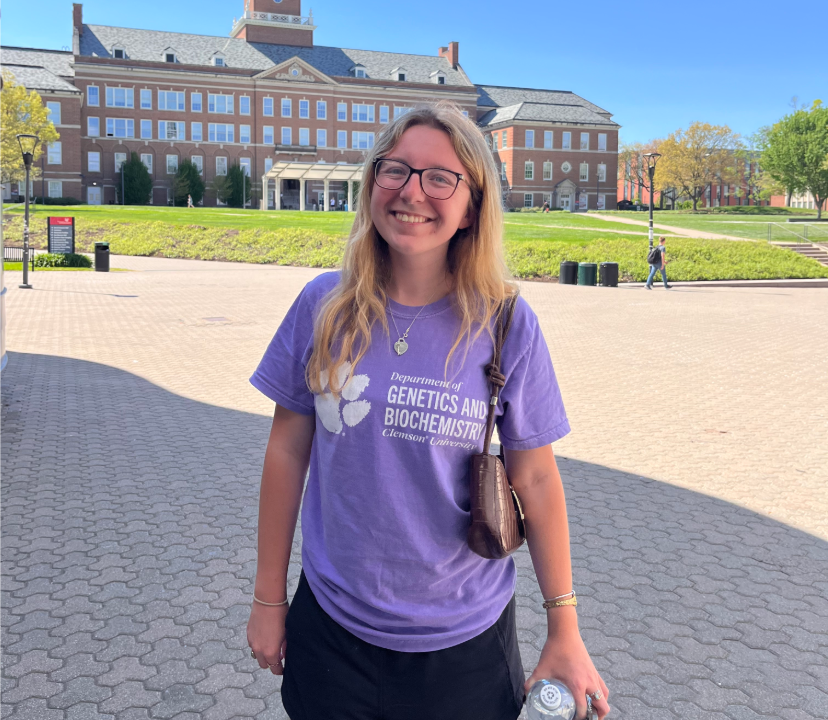
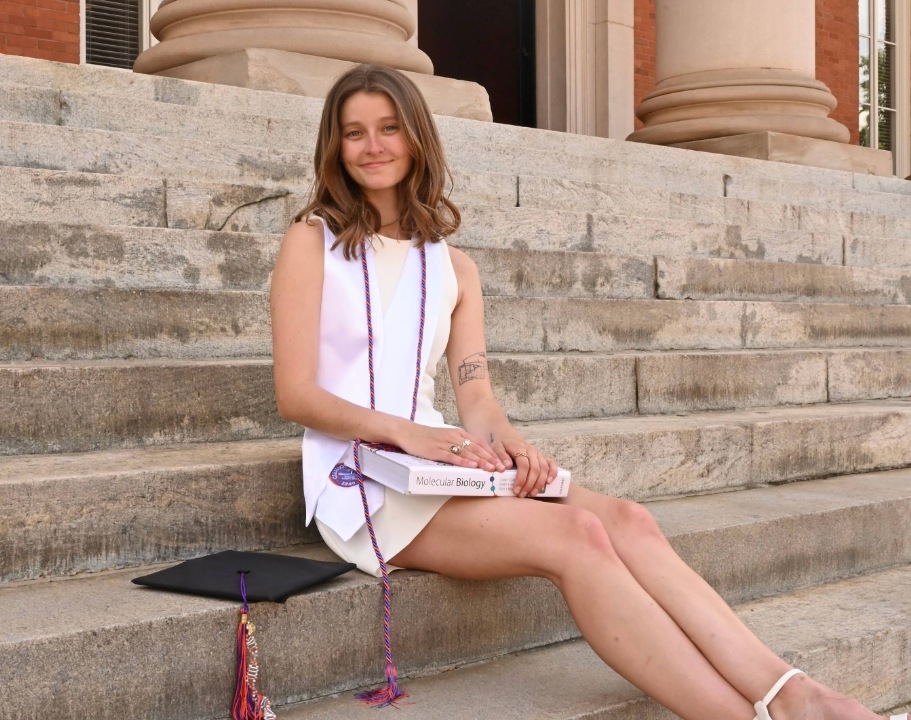
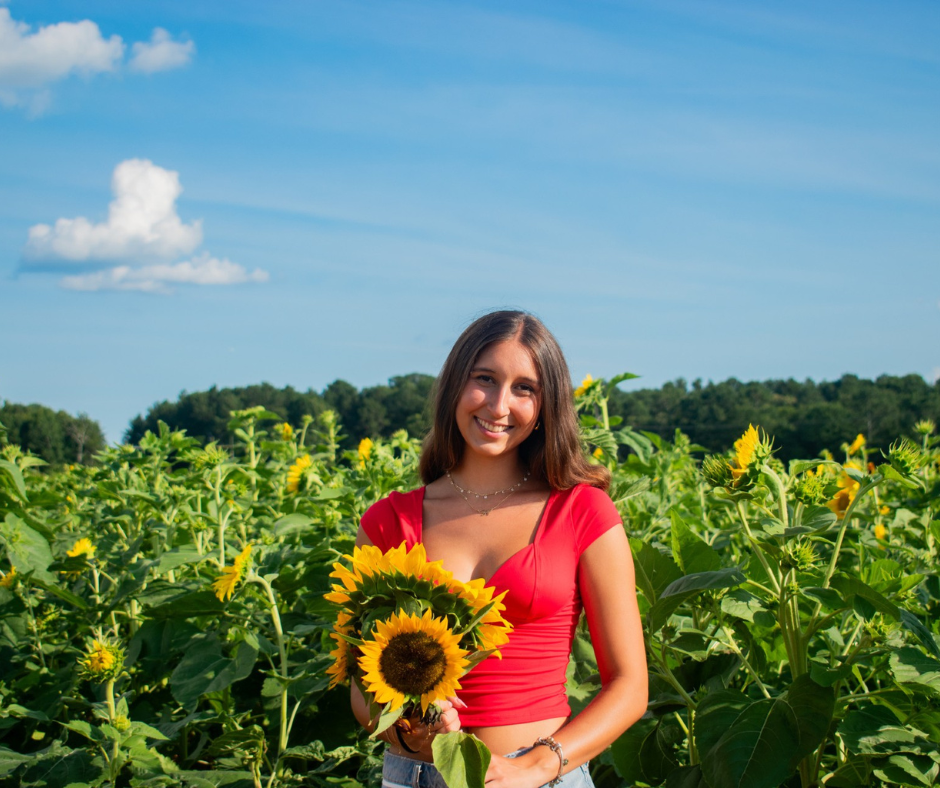
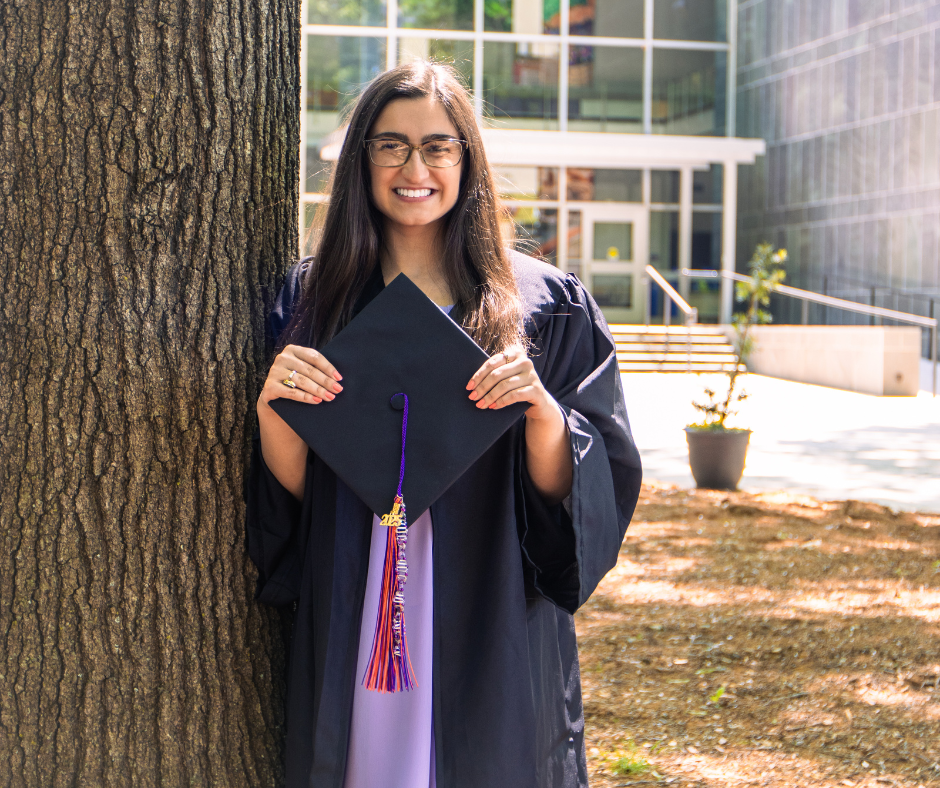
Few students squeeze as much into four years as May 2026 biochemistry graduate Kristen Gulbrandsen. From leading student organizations and mentoring classmates to conducting nationally recognized research, she embraced every opportunity Clemson had to offer.
Taking significant advantage of Google Calendar, Kristen was able to balance an impressive list of campus involvements, serving as Public Relations Officer and later President of the Genetics and Biochemistry Club, representing the College of Science as a Student Ambassador, serving on the University’s Academic Integrity Committee, working as an Athletics Tutor in biology and chemistry, and participating as a sister of Alpha Omega Epsilon (AΩE).
“I like to make myself busy…These organizations provided me with a lovely support system when I have made lifelong friendships, especially through AΩE and the Genetics and Biochemistry Club.“
In addition to campus involvement, Kristen participated in extensive research during her undergraduate years via two different Creative Inquiries (CIs), the K-12 math competitions with Dr. Jason Brown from Physics and Astronomy and gut microbiota research with Dr. Anna Seekatz from Biological Sciences.
“Through Dr. Brown’s CI, I learnt skills in interdisciplinary collaboration and how to inspire the future in STEM! Dr. Seekatz provided me with a supportive space on how to conduct science in a responsible and inquisitive way. She helped develop my technical skills, along with teaching me how to think like a scientist…She gave me a plethora of opportunities to present my work locally, as well as nationally.”
Kristen came into Clemson “All In!” and one of the most valuable lessons Kristen learned at Clemson was that there is no single correct path through college. After feeling overwhelmed by the endless opportunities during her first semester, she realized that success comes from creating your own path.
“I figured out that there is not one “right” way, but infinite correct ways. As long as you enjoy what you are doing, you are gaining from the experience.”
Starting July 1st, Kristen will be attending a Ph.D. program in Immunology at Cincinnati Children’s Hospital Medical Center and University of Cincinnati.
“I am ecstatic to join their program, as their work there deeply inspires me.”
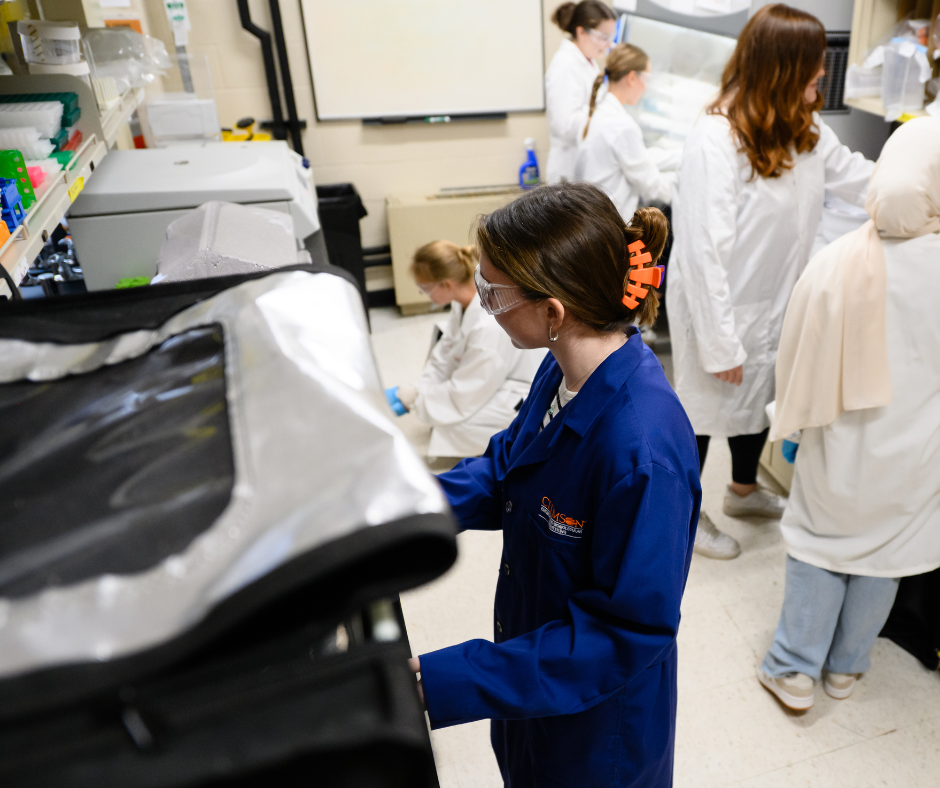
In this CI, students participate in tissue sectioning, advanced microscopy and histological analysis to assess plant anatomy and analyze how drought and other stressors alter plant tissues, helping them gain a better understanding of how environmental pressures affect agricultural systems.
“Dr. Mukhtar is as enthusiastic about working with undergraduates as he is about his own research,” wrote one student nominator for the Phil and Mary Bradley Faculty Award. “Even from my first conversation with him, I could tell he’s incredibly passionate about what he does and that he’s excited about including new students. He makes sure I know that he believes in me as a scientist … I’ve learned many important research skills, and I feel more confident in the lab because of him.”
Dr. Mukhtar says that the Carr Family Endowed Fund, which was established with a gift from Chalmers and Lori Anne Carr, owners and operators of Titan Farms, provides support for CI projects related to fruit and vegetable crop production, agriculture industries and rural economic development. will help provide students with a more immersive research experience and expand access to research technology to tackle real world agricultural challenges.
Phil and Mary Bradley helped launch the CI program in 2005 with a gift of $100,000. Since that time, they have continued to support CI by endowing the faculty award since 2006. The Bradleys’ generous gift allows each recipient to receive a plaque and salary supplement.
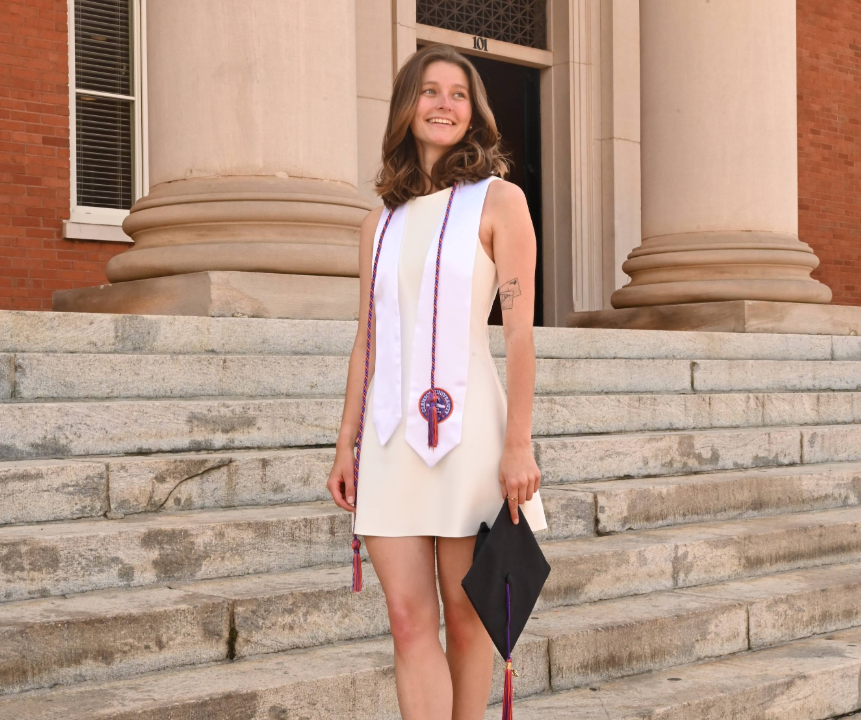
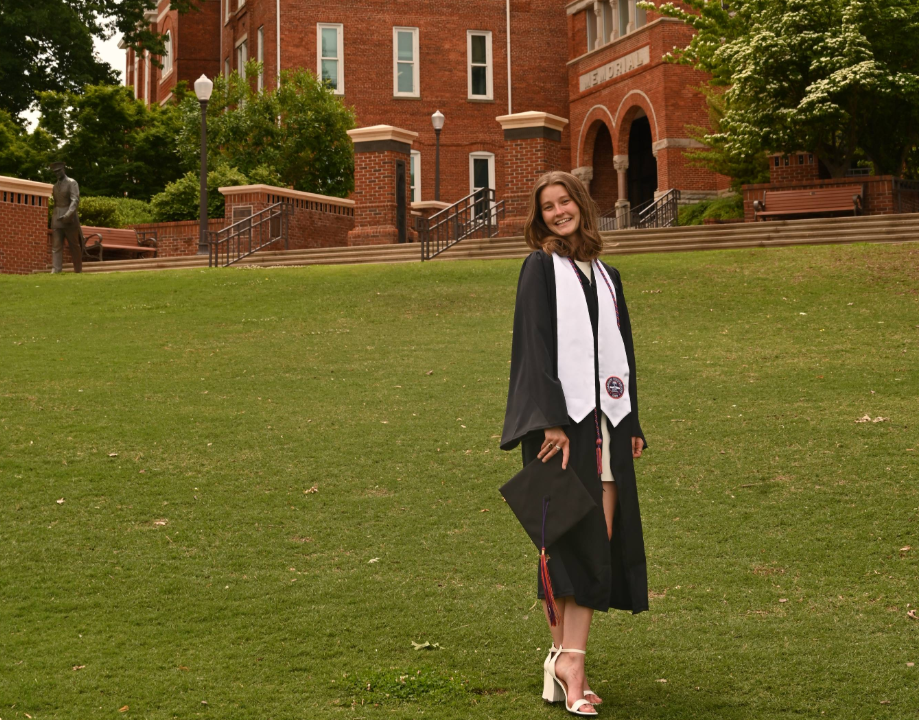
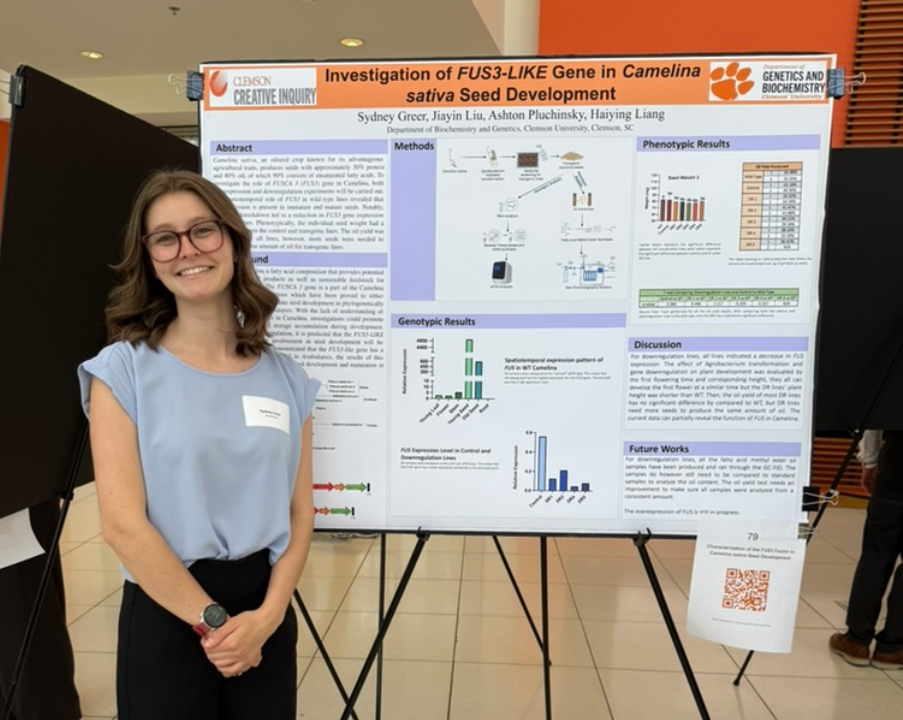
For genetics and biochemistry May grad Sydney Greer, Clemson became more than just a place to earn a degree — it became the place where she discovered confidence in herself. Whether she was performing with the Clemson University Steel Band, training service dogs for veterans, running trails through the Experimental Forest or conducting research in Dr. Shahid Mukhtar’s lab, Sydney embraced every opportunity to grow both as a scientist and as a person.
“I was involved in the Experimental Forest Trail Running Club, Clemson Battle Buddies, the Genetics and Biochemistry Club, and a Creative Inquiry project… I was also a member of the Clemson University Steel Band and Gigging Band. Having grown up playing the steel pan, I was excited to continue playing at Clemson. Being part of both groups was an incredible experience, and the rehearsals and performances gave me the opportunity to grow as a musician.”
Sydney is grateful for the academics and science courses, but she also learned invaluable life skills during her undergrad, embracing experiences that pushed her outside of her comfort zone.
“The most important thing I’ve learned over the last four years is confidence in myself. From public speaking to presentations and performing on stage, I’ve grown into someone who is far more comfortable taking on new challenges.”
Before coming to Clemson, Sydney recognized the Clemson ring and its tradition but says she didn’t fully understand the significance it held for those who wore it. Now, it holds special meaning and receiving hers is one of Sydney’s favorite memories.
“I wear mine every day, and it reminds me of the late nights studying in Cooper, the memories I made on and beyond campus, the experiences that shaped me and the incredible friends I met along the way.”
Sydney’s research involvement has been one of the most fulfilling aspects of her time as an undergrad student, her research projects where she served as the lead with PI Dr. Mukhtar even inspiring her to pursue her Ph.D. in biochemistry and molecular biology.
One of these projects is the investigation of drought responses in soybean root nodules with a multi-transcriptomic approach where Sydney uses single-cell and spatial transcriptomics to assess gene expression changes in response to extreme drought in the nodules. In the second project that is continuing through graduate school, she is researching the role of eccDNA in herbicide resistance in Arabidopsis thaliana.
“Working with these cutting-edge techniques has been one of the most rewarding aspects of this project, and I am excited to continue applying these powerful approaches to future research. I am incredibly excited to continue my journey here through a Ph.D. in biochemistry and molecular biology.”
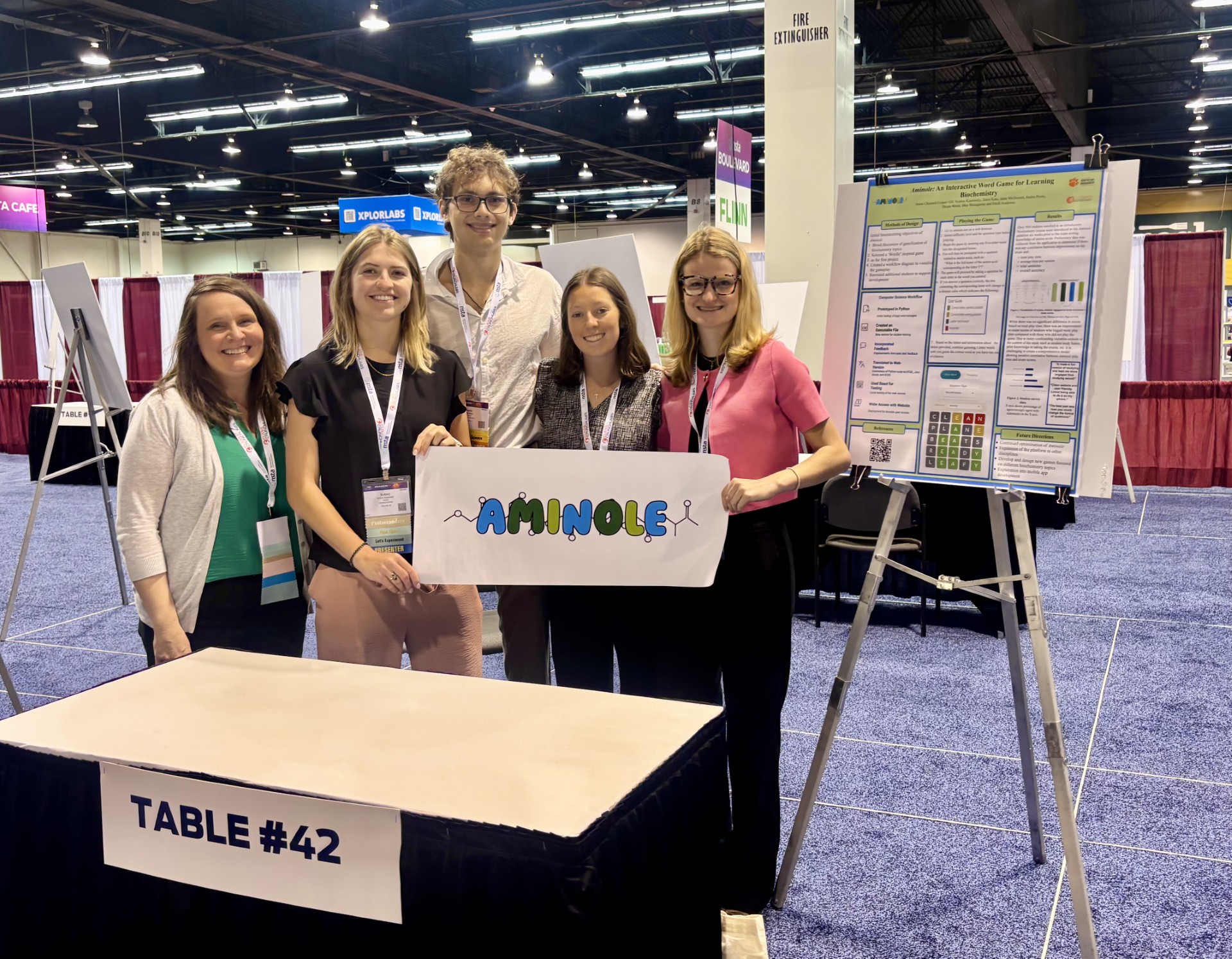
Over the last year and a half, a group of seven students have been part of a Creative Inquiry led by Dr. Heidi Anderson to develop interactive tools to aid in learning biochemistry content.
From this group, a web-based application called ‘Aminole’ (based off of the New York Times game ‘Wordle’) was developed to aid students in learning the twenty common amino acids. The game has been used by Clemson students in introductory biochemistry courses and was well-received as a fun and engaging way to aid in the learning process.
In April, four of the students along with Dr. Anderson traveled to Anaheim, CA to present a poster about the game at the National Science Teacher Association conference.
“I am so proud of the team of students who have dedicated time and creativity to make this idea come to life,” says Dr. Anderson. “Seeing Aminole presented at a national conference and being so well-received was encouraging to the students and myself.
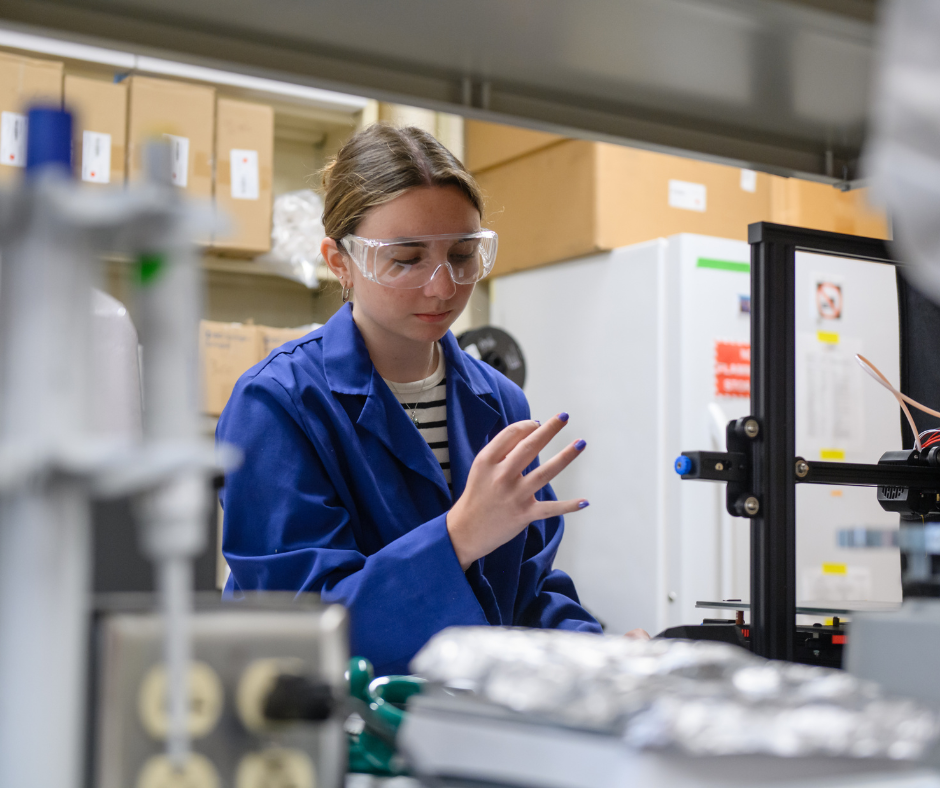
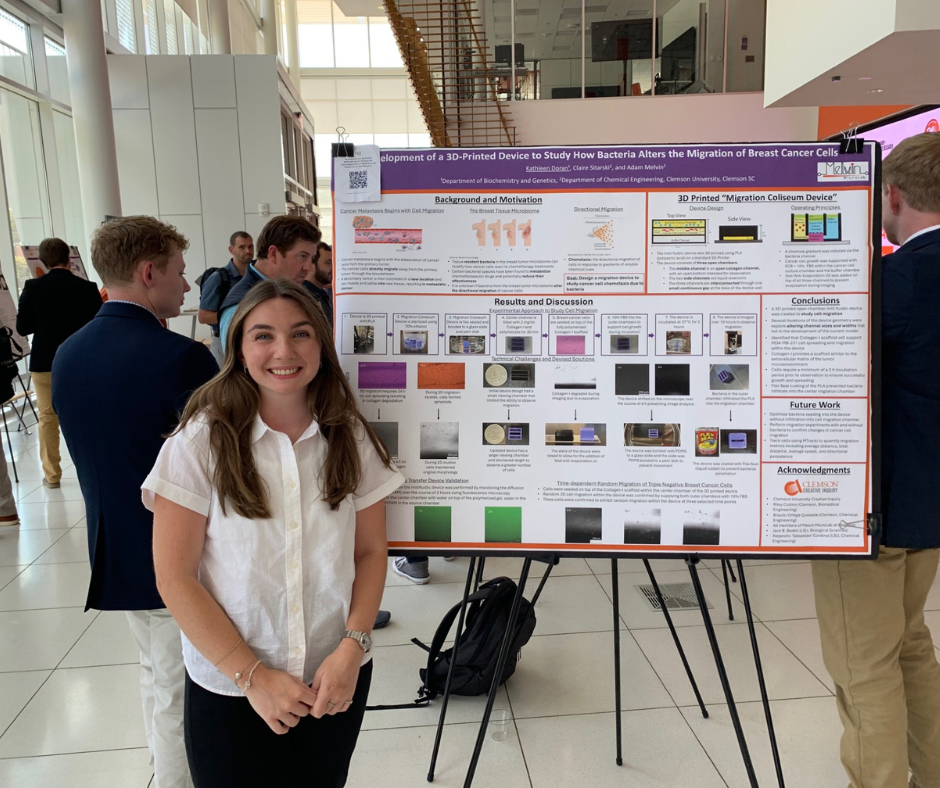
Kathleen Doran, junior biochemistry and genetics major from Stephentown, NY, stayed on campus this summer in working on Creative Inquiry (CI) project in Dr. Adam Melvin’s MicroLab titled “Biophysical analysis of the chemotactic response of different cell types exposed to various stimuli spanning the breast tumor.”
Coming into Clemson, Kathleen knew she wanted to be involved in research. She began searching for labs and came across Dr. Melvin’s lab and joined in the Spring of 2024.
“During the academic year I am a member of Melvin MicroLab, in the Department of Chemical and Biomolecular Engineering. My project focuses on the chemotaxis of breast cancer cells in response to bacterial presence.”
In the fall of her freshman year, Kathleen took Careers in Biochemistry and Genetics, which is where she learned about the Creative Inquiry Program. Kathleen’s Summer CI project focused on the development of a 3D printed device to study how bacteria alters the migration of breast cancer cells.
“Currently, there are few studies that have been able to identify if bacteria from the breast tumor microbiome alters the directional migration of cancer cells. Our work hopes to visualize cancer cell chemotaxis due to bacteria.”
Kathleen notes that the Summer CI Program has been a wonderful experience to continue her ongoing research and get to know more about the work being done by others within the Melvin lab.
“I loved getting to know what other people are working on, and having the opportunity to discuss issues that other teams may have struggled with and sharing different approaches to address complications. Working in the Melvin Lab has been one of the defining experiences of my time here at Clemson.”
SOFIA BUFANO
Senior international biochemistry student Sofia Bufano always knew she wanted to participate in a research lab during her academic career at Clemson and found the perfect fit in the Research and Education in Disease Diagnosis and Intervention Laboratory (REDDI Lab).
“I stumbled across Dr. Congyue Peng’s lab in the REDDI lab, and I liked her publications and her current research in the pathology field. I joined the lab spring semester of freshman year, and I’ve been an undergraduate researcher there ever since.”
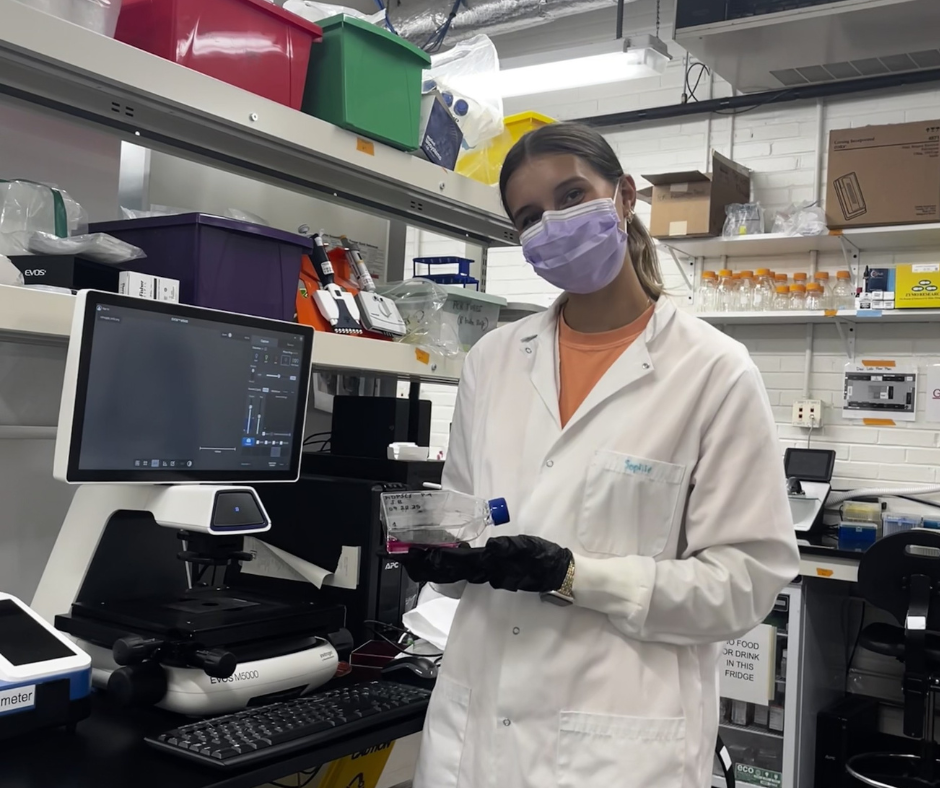
This summer Sofia participated in a Creative Inquiry (CI) within the REDDI lab working on a project with the ultimate goal of differentiating human Dental Pulp Stem Cells into Motor Neuron Cells.
“So far, I have been taking care of my hDPSCs (passaging and changing media), and I performed RNA extraction, RNA to cDNA conversion, and qPCR to characterize the hDPSCs for specific primers we have selected, which will also be used to characterize Neuron Cells after differentiation.”
Sofia was nervous this summer to be in the lab and working on her own research project with new protocols and without any other lab partners. However, once she got used to it, Sofia felt beyond satisfied with her progress and research.
“The summer CI research was a life-changing experience on so many levels! Prior to this summer internship, I had in mind to pursue a Ph.D. in science after college, and this experience was the confirmation I needed that this path is the right choice for me.”
When Sofia was not in the lab, she used her free time to travel and spend time with friends and family, some of her closest friends staying in Clemson participating in CIs as well.
“We often got together after lab to chat about our experiments and watch TV. I also traveled quite a bit: I went horseback riding in the Dominican Republic, snorkeling in Curaçao, sightseeing in Aruba, and I spent some time in Hilton Head with friends and family.”
Sofia is Italian and officially became an American citizen in April and experienced her first American 4th of July this year!
CATLY NGUYEN
When Dr. Jim Morris was the guest speaker at a Biochemistry and Genetics Club meeting, senior biochemistry major Catly (Cat) Nguyen became interested in his research, leading to a position as an undergraduate researcher in the Morris Labs. This summer, Cat is participating in the Undergraduate Research + Creative Inquiry (CI) program, while continuing her research with Dr. Morris.
“Hearing Dr. Morris talk about his journey into research/molecular biology and his work was so insightful and interesting. It gave me the courage to email him and ask to join his lab as an undergraduate researcher.”
In the Morris Lab, Cat’s research focuses on identifying and localizing potential drug targets and understanding drug uptake in Trypanosoma brucei, a protozoan parasite that causes African sleeping sickness. Trypanosomes are so complex because their cellular mechanisms, like glucose metabolism, are not yet fully understood.
“Our goal here is expand our understanding of their cellular biology so that we can exploit it for drug targets.”
This summer, for her CI, Cat is specifically investigating how drugs and inhibitors are trafficked to glycosomes, which are specialized peroxisomes that house essential glycolytic enzymes.
“To do this, I’ve been working on purifying PTS-tagged (peroxisomal targeting sequence) eYFP proteins, which will help us characterize how these proteins are delivered to the glycosomes and potentially co-delivered with drugs.”
Another part of Cat’s research is working on another side cloning project where the goal is to find the origin of replication within a plasmid by dividing it into smaller fragments and amplifying them using specific designed primer pairs. Once one is discovered, they can clone EYFP into it, allowing N. fowleri to replicate the fluorescent protein independently and establish long-term expression of EYFP once it is transfected into the parasite.
“So far, I’ve had such an amazing experience in Dr. Morris’ lab during the summer. I’ve gotten to spend more time in lab, getting more work done, being able to see positive results, and most importantly expanding my understanding of molecular biology and biochemistry.”
Cat has been able to apply this experience to her lecture courses and has been able to interact with and learn from graduate students, whom she notes as great mentors. Cat knows this experience in the Morris lab will help her reach her future ambitions.
“From this experience, I hope to better prepare myself for a future in research. I am pursuing pharmacy school after undergrad and am planning on going into biochemical pharmaceutical research where I focus on drug discovery/delivery. So, working with Dr. Morris this summer has be extremely valuable to my future goals.”
Outside of her CI, Cat has been spending her summer planting, spending time with friends and families, cooking and baking, going to concerts, reading and traveling.
ALEXANDRA HARRINGTON
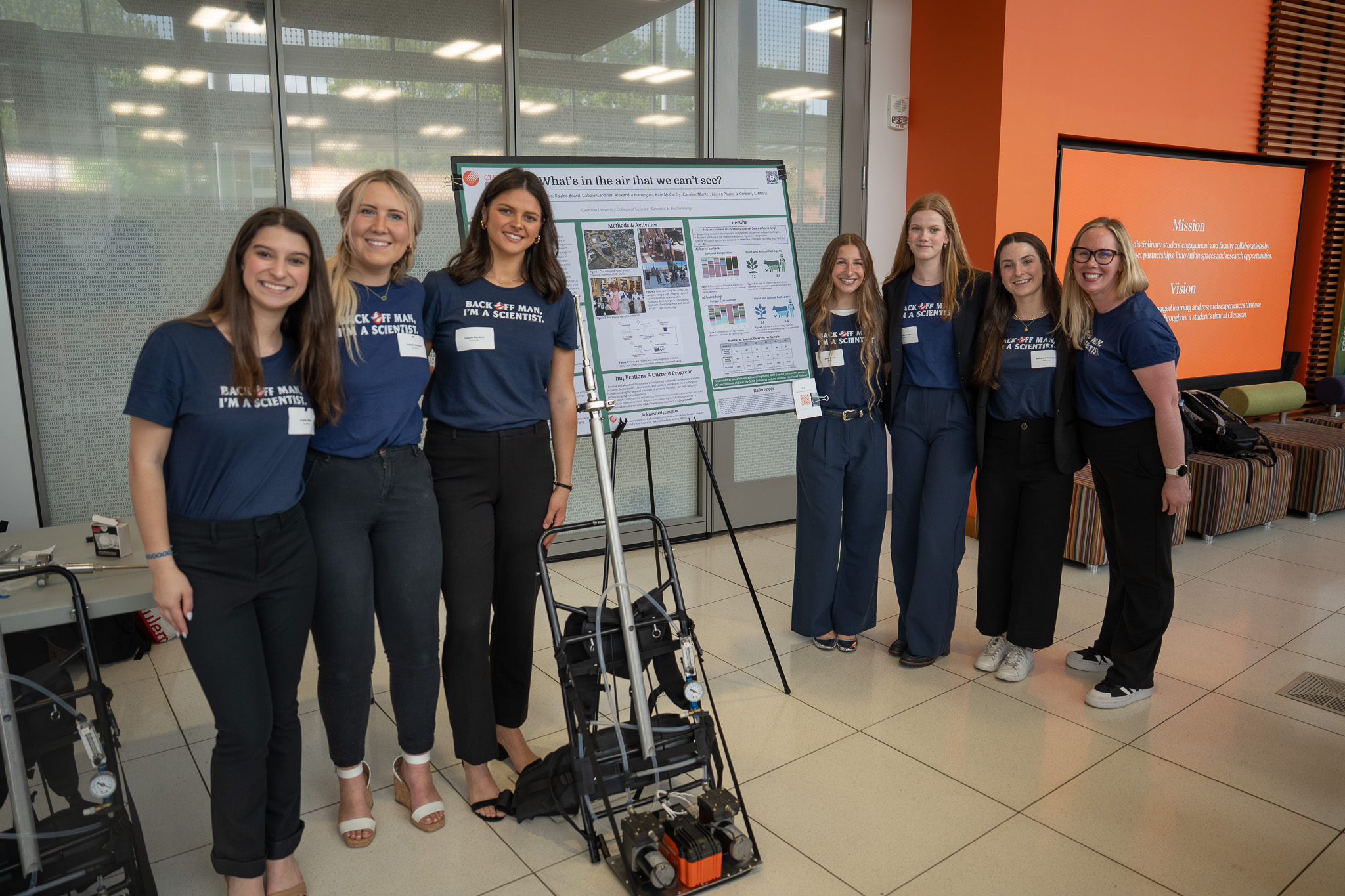
Currently working in the Creative Inquiry (CI) project Investigating the role of the TMLH (CNAG_05675) gene and the gBB (CNAG_00403) gene in the carnitine biosynthesis pathway in Cryptococcus neoformans, senior genetics and biochemistry major Alexandra Harrington strives to contribute and make a difference in the scientific community.
Alexandra is researching the carnitine biosynthesis pathway in the Eukaryotic Pathogens Innovation Center (EPIC) with its director Dr. Kerry Smith and plans to continue her research throughout the Fall semester as she pursues a Departmental Honors.
“I was very interested in the EPIC here at Clemson because it combines my majors in biochemistry and genetics and my minor in microbiology.”
For her CI, Alexandra is investigating the role of the TMLH (CNAG_05675) gene and the gBB (CNAG_00403) gene in the carnitine biosynthesis pathway in Cryptococcus neoformans, a fungal pathogen responsible for diseases like meningitis and pneumonia. Alexandra’s project aims to completely characterize the carnitine biosynthesis pathway, specifically genes TMLH and gBB, as it pertains to acetate metabolism and amino acid biosynthesis in the virulence of fungal pathogen C. neoformans.
“I have spent these past several weeks especially focusing on the TMLH gene, in which I have grown my C. neoformans wild-type in media and isolated its DNA, isolated my target DNA (TMLH), used PCR to amplify the TMLH gene and I am currently working to clone my TMLH gene into a plasmid and further confirm that transformation occurred using PCR and sequencing. I am working towards having all elements necessary to perform complementation using a gene-editing method called Transient CRISPR-Cas9 Coupled with Electroporation (TRACE).”
Through her summer CI Alexandra hopes to strengthen her critical thinking and problem-solving skills and deepen understanding of what she is learning in her classroom lectures and labs, particularly the techniques, processes and pathways, and apply them to real-world experiments.
“Through this project, I want a greater understanding of fungal metabolism and virulence. I have been able to isolate DNA, conduct many PCR procedures, interpret gel electrophoresis results, and I have learned the importance of designing primers as well as cloning target DNA into plasmid DNA.”
She was especially excited to work with the gene editing technology CRISPR-Cas9 that is becoming increasingly effective and vital in the fields of biochemistry, genetics and biomedicine to discover gene therapies.
“My project has already taught me how to learn by asking meaningful questions and how important it is to step back and find another route to a solution. In addition, I have thoroughly enjoyed being a part of a team, both developing connections with and learning from lab mates.”
Alexandra finds excitement in knowing that one day she may help discover something truly important to healthcare that makes a difference in someone’s life and sees this program as an experience that will help her get closer to achieving her career and life goals.
“It is rewarding knowing that this project has the potential to better understand pathogen virulence and to use this pathway as a target for antifungal drug treatments in the future.”
During the academic year, Alexandra participates in Dr. Kimberly Métris’ lab, Beta Beta Beta Biological Sciences Fraternity, the women’s lacrosse team, Clemson Hope, Kappa Delta, Clemson’s Sigma Delta Pi Hispanic National Honor Society and the Spanish club, Hablemos. When not in the lab this summer, she spends her time studying for the MCAT, attending baseball games, both Clemson and the Phillies, enjoying lake days with friends, golfing, walking on the dikes and reading.
Natalie Shay, genetics student graduating this May, has been emersed in research, clubs and the community since she arrived, research being one of Natalie’s top priorities.
“During my freshman and sophomore year, I was in a CI with Dr. Marc Birtwistle where I helped study cancer diagnostics and pharmacology.”
Junior and senior year, Natalie developed an interest in neurobiology, resulting in an undergraduate researcher position in Dr. Julia George’s lab, where Natalie studied gene expression in the brains of zebra finch embryos, particularly DNA methylation changes.
“These experiences shaped me as a scientist, and I couldn’t be more thankful for them!”
Natalie was also the president of the Biochemistry and Genetics club, and her favorite course was Epigenetics; she loves figuring out how so many factors affect our gene expression beyond just our DNA sequence.
Natalie is grateful for the lifelong friends that she has made at Clemson over the last four years.
“It was awesome to find friends who love science as much as I do!”
After graduation, Natalie will be joining Dr. Jessica Larsen’s lab to pursue a master’s degree in bioengineering, her overall career goal to research and develop gene therapies.
“I’m glad I get to stay at Clemson a little bit longer!”
The last four years of her undergraduate studies, graduating biochemistry senior Kailie Greer, has spent trying new things and meeting new people. From studying abroad to participating in a Creative Inquiry (CI) Program, Kailie has fully taken advantage of the experiential learning that Clemson has to offer.
Kailie was a part of Dr. Scott Pratt’s Advancement of Assisted Reproductive Technologies for Cattle and Other Species CI and studied abroad in Florence, Italy last summer at the Institute of Lorenzo de’ Medici (LdM) in Florence, Italy, which is noted as one of the most distinctive and well-established study abroad institutions in Italy. In addition, Kailie worked part-time at Crossroads Animal Hospital in Seneca, SC.
Upon graduation, Kailie is taking a gap year and working at Salt Marsh Animal Hospital in Kiawah, SC before applying to veterinary school.
“Clemson has brought me so many opportunities and I am forever thankful for the four years I had here.”
Associate professor Michael Sehorn has been awarded the 2025 Ted G. Westmoreland Faculty Excellence Award, which is presented annually to honor a distinguished faculty member who has made exemplary contributions to undergraduate student success at Clemson University.
Dr. Sehorn is a member of the Eukaryotic Pathogens Innovation Center and the Center for Optical Materials Science and Engineering Technologies with a research focus on DNA repair and genome stability. Dedicated to student mentorship, Sehorn has guided numerous undergraduates to postgraduate education at prestigious institutions such as Harvard, Yale, Stanford, Johns Hopkins and the University of Pennsylvania and on to win major awards, including the Algernon Sydney Sullivan Award, Phi Kappa Phi Fellowship, Norris Medal, Truman Scholar and Beckman Scholar.
In addition, his long-standing engagement with Creative Inquiry Program is evident through his service on the CI + UR Advisory Committee and as a Creative Inquiry Fellow. As an experiential learning ambassador, Sehorn supports the Clemson Elevate initiative by advising and facilitating experiential through research.
He developed two courses that provide pre-med students with clinical research and shadowing experiences. Additionally, Sehorn is the faculty advisor for the pre-med Alpha Epsilon Delta pre-health organization. He has led multiple Office of Teaching Effectiveness and Innovation Faculty Learning Communities to enhance teaching effectiveness.
The Ted G. Westmoreland Faculty Excellence Award recipient receives a monetary award of $1,000 and a plaque. Additionally, the faculty member’s name is added to the perpetual Dr. Ted G. Westmoreland Award for Faculty Excellence plaque on display in the Class of 1956 Academic Success Center Building.
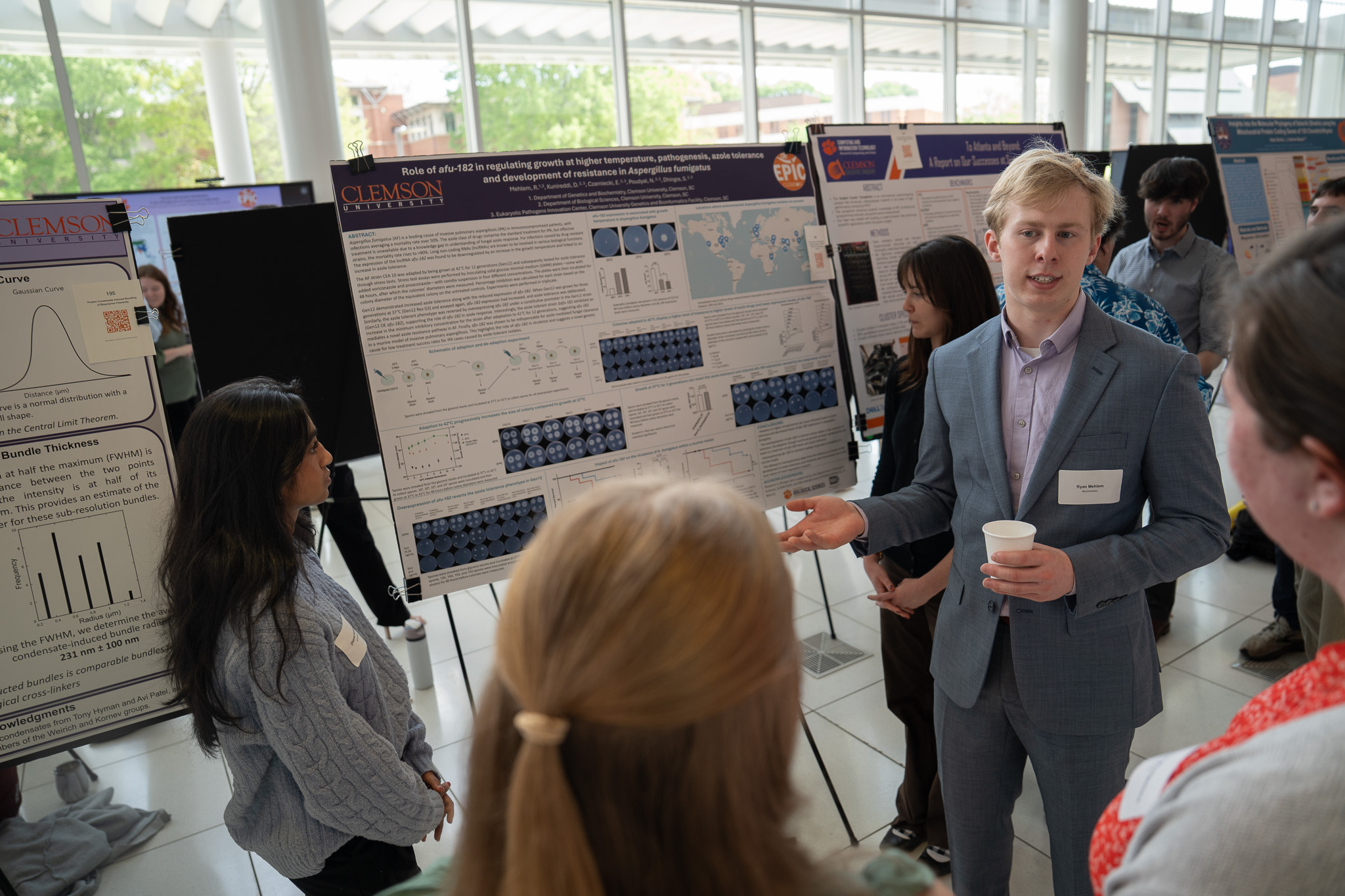
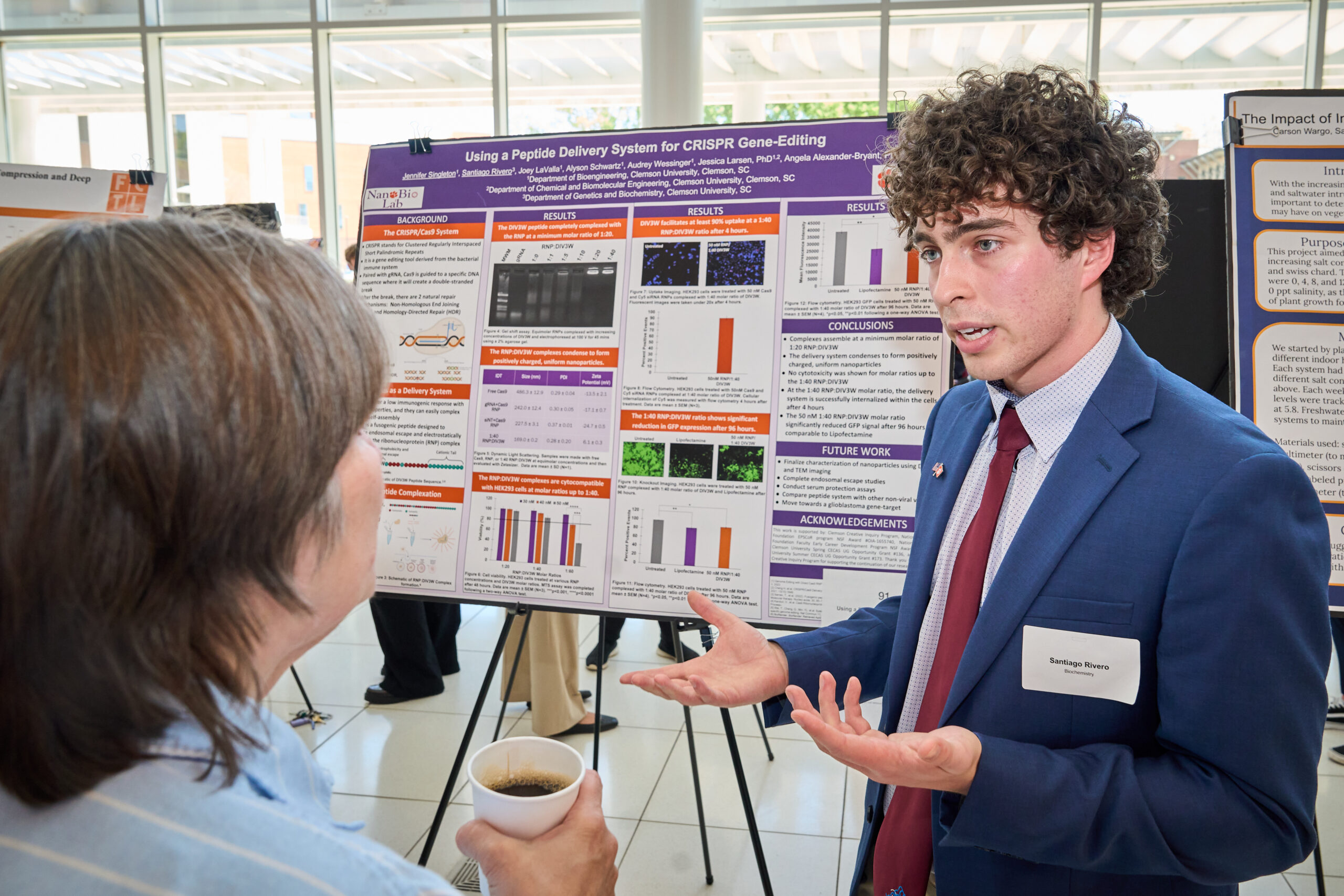
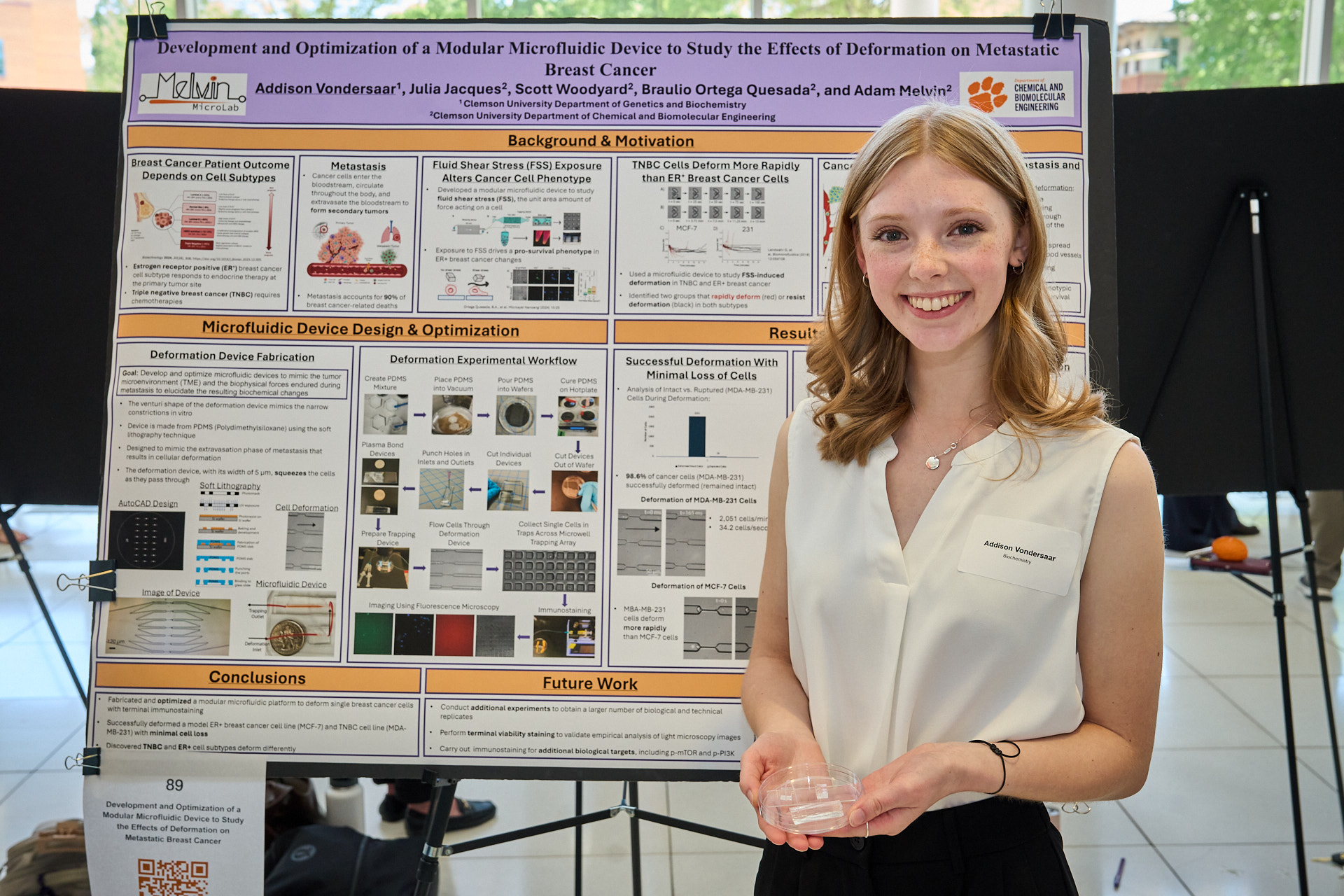
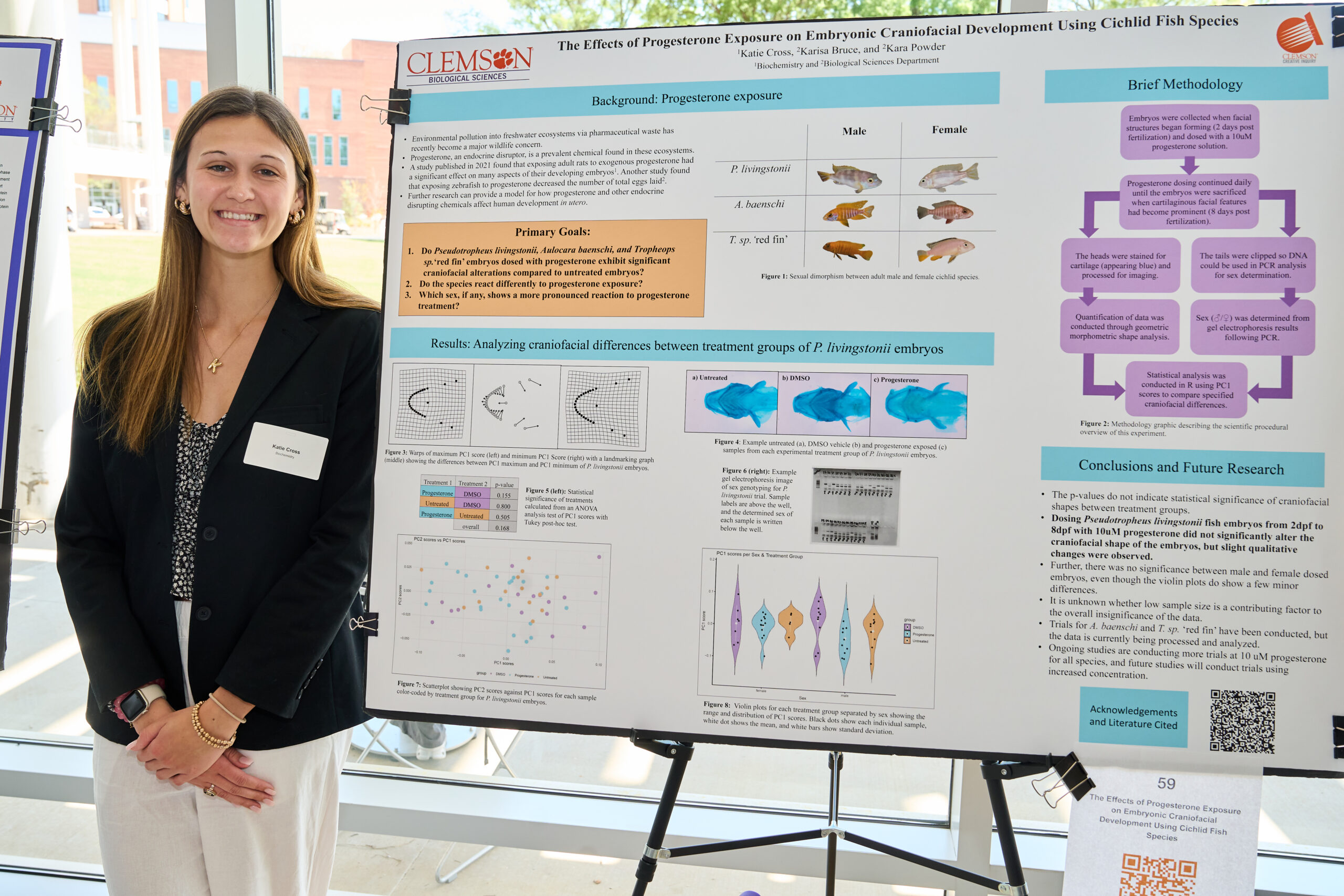
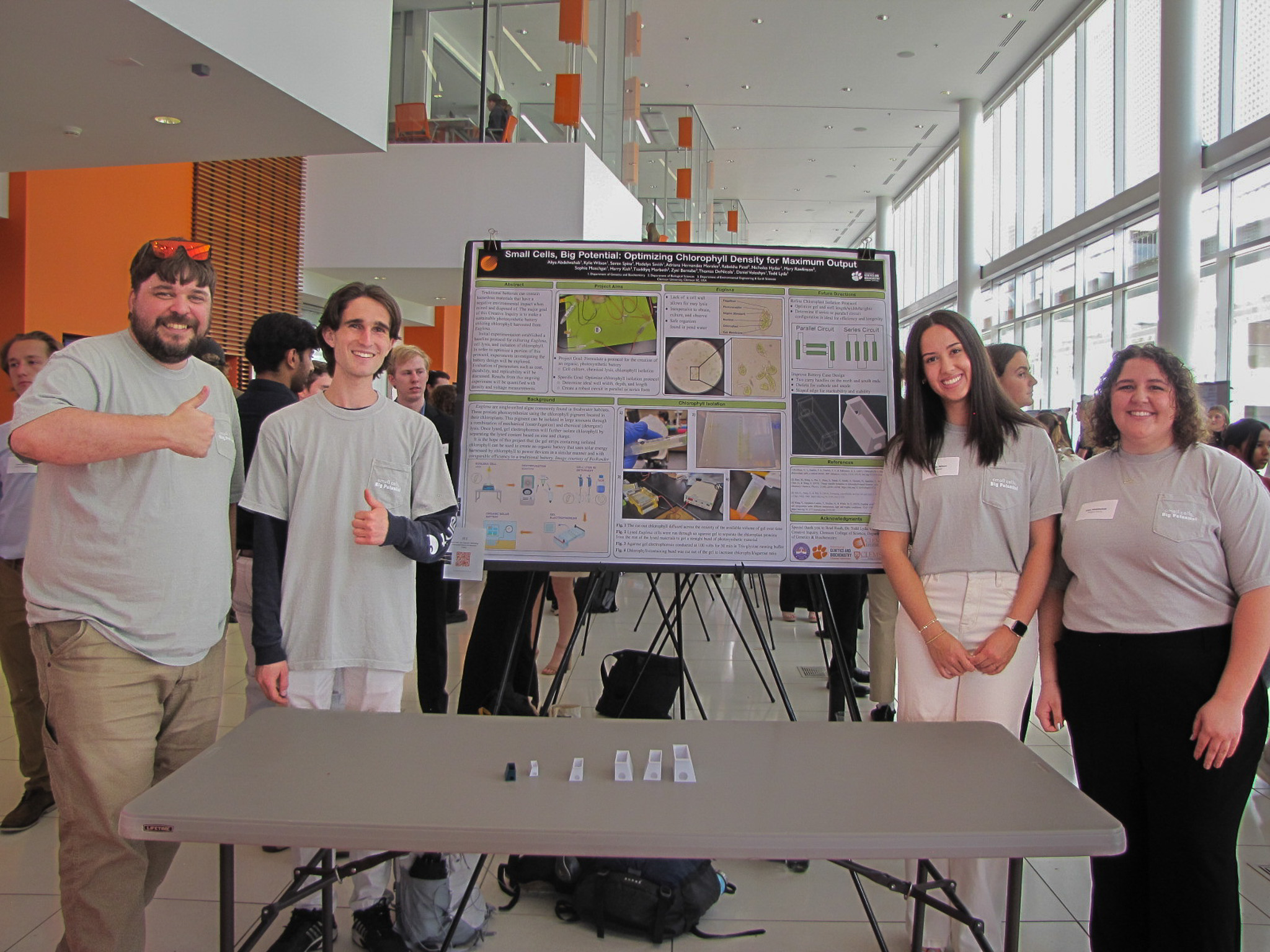
Senior biochemistry major Kristen Gulbrandsen placed 1st at the 20th annual Focus on Creative Inquiry (FoCI) event, which is Clemson’s university-wide poster forum that showcases undergraduate research, service-learning and other experiential learning activities supported by the Creative Inquiry program. Kristen’s poster presentation was titled “Enterococcus faecalis Inhibits Clostridium innocuum In Vitro Under Multiple Conditions.”
Many other G&B students presented their research at FoCI as well.
The Creative Inquiry poster session in the Watt Family Innovation Center on April 9, 2025.The Creative Inquiry poster session in the Watt Family Innovation Center on April 9, 2025.The Creative Inquiry poster session in the Watt Family Innovation Center on April 9, 2025.The Creative Inquiry poster session in the Watt Family Innovation Center on April 9, 2025.The Creative Inquiry poster session in the Watt Family Innovation Center on April 9, 2025.The Creative Inquiry poster session in the Watt Family Innovation Center on April 9, 2025.The Creative Inquiry poster session in the Watt Family Innovation Center on April 9, 2025.The Creative Inquiry poster session in the Watt Family Innovation Center on April 9, 2025.
Sophomore and Honors College student Ciara Alderman initially chose to major in biochemistry because her career plan was to attend medical school. Though her aspirations have changed, her love her biochemistry has only grown.
“I love challenging myself and learning about the biochemical processes that affects every living organism.”
When looking for colleges, Ciara was looking for a place that was welcoming, student-centered and somewhere that she knew she could succeed.
“Allowing undergraduates to participate in research and projects the way Clemson does is unheard of. I knew that Clemson would provide me with the resources and experiences I need to succeed in the classroom and beyond.”
Now that Ciara has been on campus for a while, she has found a community in the Genetics and Biochemistry department, with both students and faculty.
“I think we have the best faculty and staff of any department!”
Aside from the departmental community, Ciara has become involved in several extracurricular activities on campus. One is working for Clemson Home as a Residential Community Mentor (RCM) helping students navigate their freshman year at Clemson.
“The most fulfilling part of my job is being a mentor to my residents. Being an RCM fills me with unexplainable joy as I help foster an inclusive community that creates an environment for students to succeed.”
Ciara is also a member of Clemson’s Xi Chapter of Alpha Omega Epsilon (A.O.E), a professional and social sorority for women in engineering and science focused on friendship, leadership and professionalism. Being a member of A.O.E has given Ciara the opportunity to connect with women in all STEM fields as well as other Genetics and Biochemistry majors.
“Through A.O.E, I have made lifelong friends, developed my professional skills and made a positive impact in my community.”
This semester Ciara joined a Creative Inquiry (CI) project focused on running standardized national STEM competitions for K-12 students.
“I am passionate about providing students with the opportunity to develop their STEM knowledge, skills and experiences before entering college, and this CI gives me the chance.”
In her free time, Ciara enjoys playing sports like volleyball, spikeball, football and pickleball with her friends. She is a huge fan of Clemson sports attends all the games she can. She also loves the outdoors, taking advantage of Clemson’s location in the upstate by hiking and kayaking on Lake Hartwell, walking at the Dikes and camping in the Blue Ridge. On days when she wants to relax, Ciara loves to read anything from short memoirs and essay collections to historical fiction and mysteries.
“A fun fact about me is that I have a black belt in Karate!”
Ciara’s aspirations grew and changed as she delved into the world of biochemistry. No longer was medical school at the forefront of her brain. After graduation, Ciara aspires to go on to Physical Therapy school and get her DPT.
“It is my dream to be able to work for a sports team as a Physical Therapist to help athletes get back on their feet and back to the sport they love.”