Genetics and Biochemistry News

Biochemistry student researches stroke care

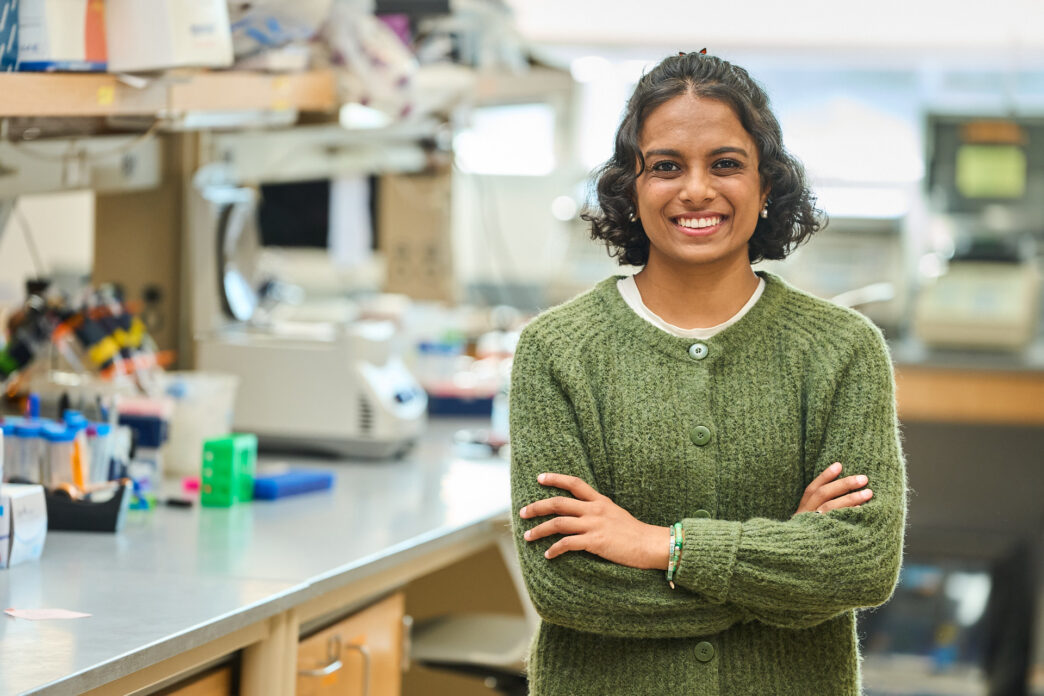
Girl in lab in green sweater.

Clemson University senior double majoring in biochemistry and psychology Yashvi Patel spent the past summer at the Mayo Clinic in Jacksonville, Florida completing a clinical research internship focused on stroke treatment.

Thrombolytics, which are administered when someone suffers a stroke, are clot-busting drugs used to restore blood flow to the brain. Though we know to provide thrombolytics as treatment for a stroke, many questions still remain about the drugs.

At the Mayo Clinic, under the guidance of Dr. William Freema, Yashvi reviewed patient data in neurocritical care to analyze patterns related to stroke treatment. Her main project for the summer focused on how a particular thrombolytic affects patients who have suffered from a stroke, analyzing how soon patients can begin physical movement such as sitting on the edge of the bed, standing or walking after having a stroke and receiving the drug.

Woman in lab working with a machine.

In addition to her main project, Yashvi was able to experience other features the Mayo Clinic had to offer, shadowing other departments such as neuropsychological testing, a double-liver heart transplant, radiation oncology, cutting-edge MRI and radiation therapy machines, and ion therapy

“It’s such a different environment and the caliber of research is incredible,” she said.

Woman in green sweater sitting outside smiling.

Read more about Yashvi and her past summer internship, involvement on campus and DNA repair research in Dr. Michael Sehorn’s lab in the Clemson News article “Clemson student’s research journey spans DNA repair to stroke care.”

Caldwell named Rhodes Scholarship finalist

Elizabeth Caldwell, senior genetics major, has been selected as a finalist for the Rhodes Scholarship, one of the most prestigious and selective major fellowships available to American college students.

The Rhodes Scholarship, a fully funded postgraduate award which enables talented young people from around the world to study at the University of Oxford, is recognized worldwide as the oldest and most well-known scholarship for academic excellence. Rhode scholars are chosen based on those who demonstrate academic excellence, the energy to use their talents to the fullest, and attributes such as truth, courage, kindness, devotion to duty, moral force of character and instincts to lead.

Elizabeth, who researches rare diseases and advocates for the disability community, was recently announced as Clemson’s 5th Truman Scholar, a federally funded scholarship granted to U.S. undergraduate students for demonstrated leadership potential, academic excellence and a commitment to public service.

Elizabeth is also part of the National Scholars Program, Clemson’s most selective university-wide merit scholarship program. National Scholars are selected through a rigorous process that identifies students with the highest levels of intellectual vision and community engagement.

“A brilliant scientist and determined advocate, Elizabeth’s remarkable accomplishments are eclipsed only by her steadfast and inspirational commitment to making our campus, community, and society more welcoming and accessible,” said Sarah Winslow, inaugural dean of the Clemson University Honors College.

Elizabeth is actively engaged on campus and in the community. She is part of associate professor Michael Sehorn’s lab, which explores DNA repair pathways, serves as the only undergraduate student on Clemson’s Accessibility Commission, and founded Tigers 4 Accessibility, Clemson’s first and only student organization dedicated to creating a more inclusive and accessible campus culture and physical environment.

In addition, Elizabeth acts as a volunteer at the Clemson Free Clinic, a local medical center that provides health care to the area’s low-income population, where she created a Mobility Aid Program that raised $3,000 to offset medical equipment costs for patients.

Elizabeth is one of approximately 800 students nominated nationwide for the Rhodes Scholarship, competing for 32 spots. She is one of 15 finalists from the district representing South Carolina, Georgia and North Carolina. She interviews for the award on November 15 and 16.

If chosen, Elizabeth plans to pursue a master’s program focused on genomic medicine, followed by a master’s degree in global health and epidemiology.

Read more in the Clemson News article.
