Genetics and Biochemistry News

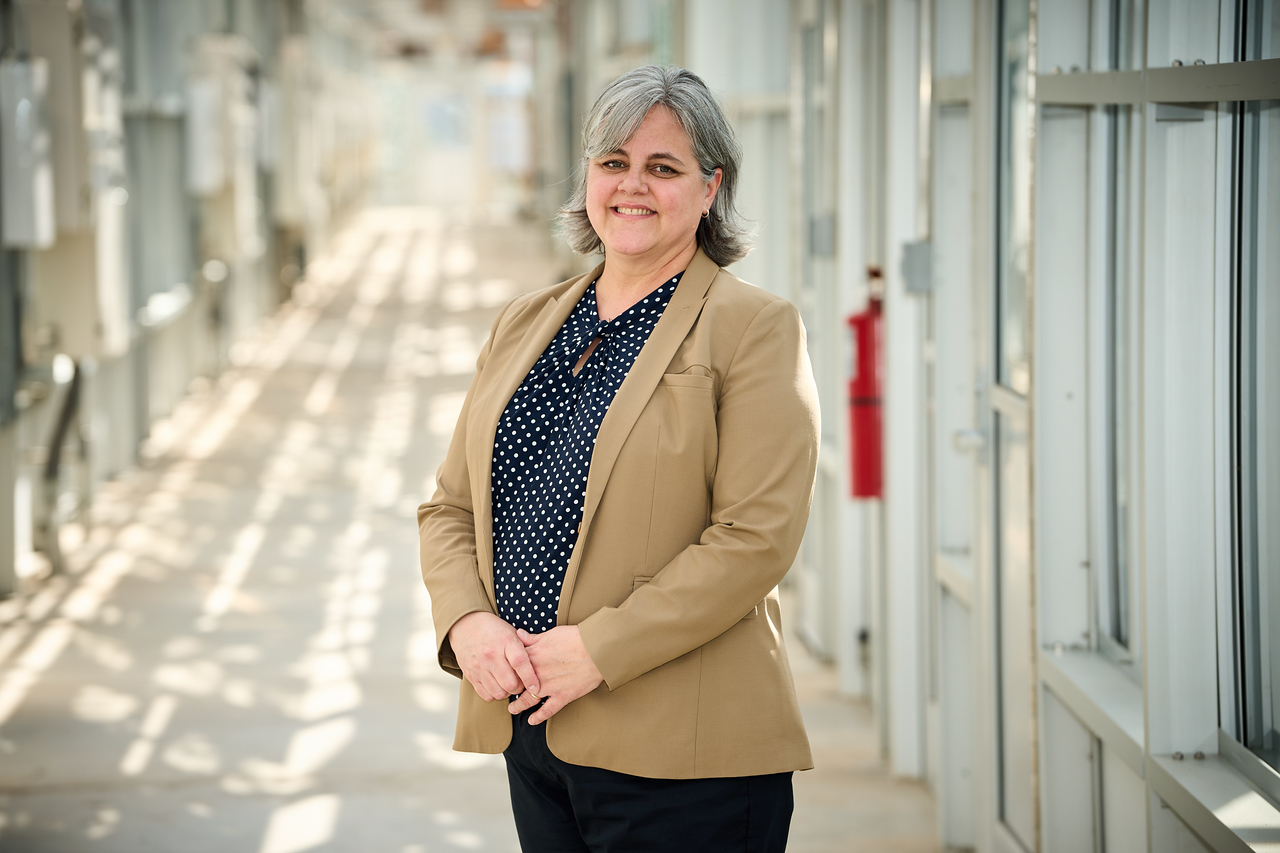
Lawton-Rauh elected to AAAS

Amy Lawton-Rauh, senior associate provost and professor in the Department of Genetics and Biochemistry has been named a 2025 Fellow of the American Association for the Advancement of Science (AAAS), which is one of the highest honors in the scientific community.

Selected for her exceptional research and leadership in her field, with this election, Lawton-Rauh is being recognized by the AAAS for her contributions to the field of plant evolution. Her latest research addresses a rapidly growing agricultural challenge: herbicide-resistant Palmer amaranth (pigweed) invading cotton and soybean fields. This research also advanced understanding of resistance mechanisms across many organisms, including pathogens and invasive species.

Lawton-Rauh sees her election as an AAAS as both an honor and a responsibility, aiming to keep her own scientific spark and creativity while creating an environment at Clemson where students, faculty and staff can find and cultivate theirs.

“Dr. Amy Lawton-Rauh’s election as a fellow of AAAS recognizes not only her important research contributions, but also her exceptional leadership at Clemson,” Young said. “She has cultivated excellence in scholarship, empowered colleagues and students, and helped shape a collaborative environment where scientific innovation thrives in meaningful and lasting ways.”

Dolan collaborates with Brazilian researcher

Scientist in lac coat and goggles looking into a microscopic computer.

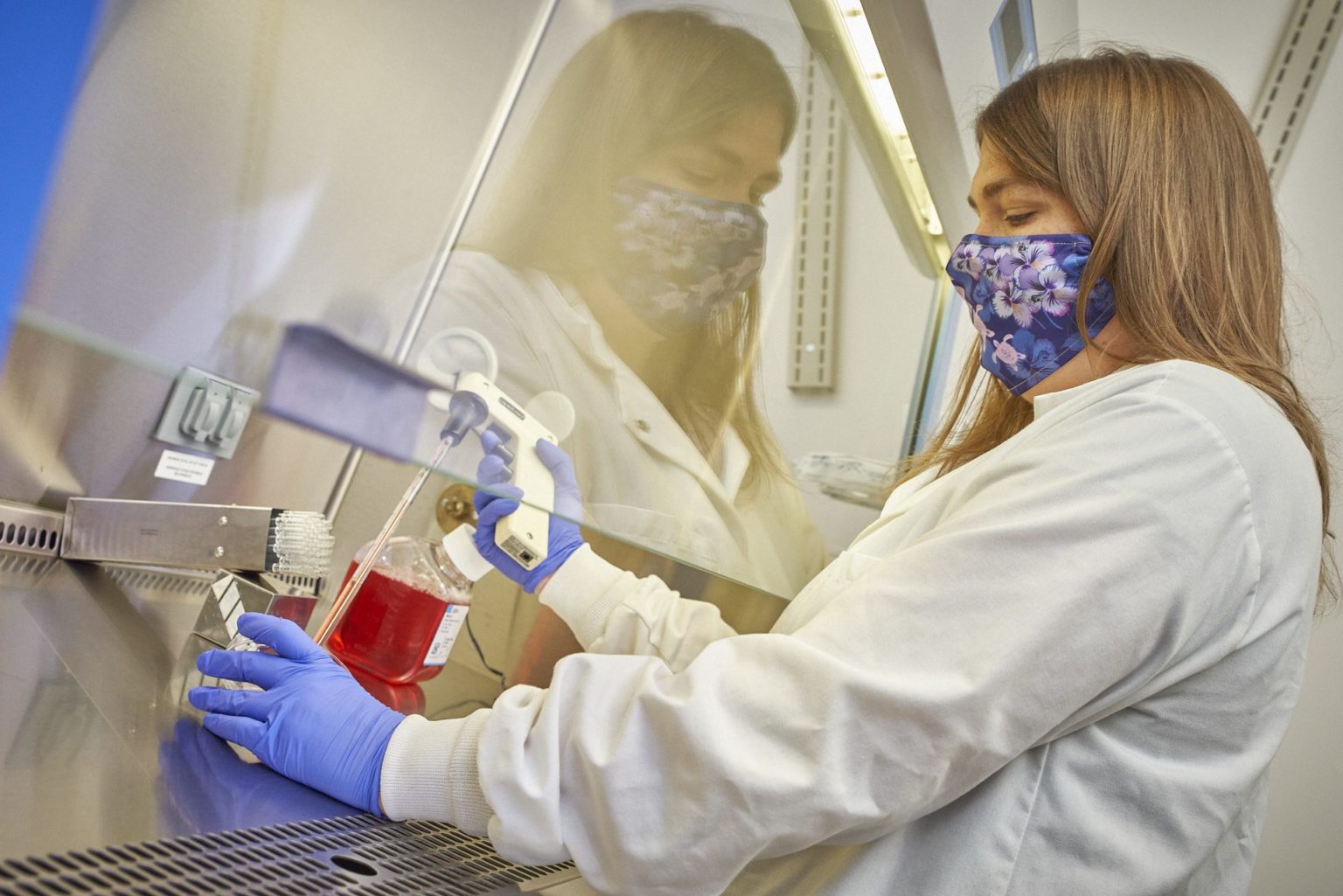
Assistant professor in Genetics and Biochemistry Dr. Stephen Dolan, who is also a part of the Eukaryotic Pathogens Innovation Center (EPIC), has joined forces with molecular biologist Gustavo Goldman at the University of São Paulo in Brazil to understand how dangerous fungi survive their own poisons and how that could be turned into a new antifungal drug.

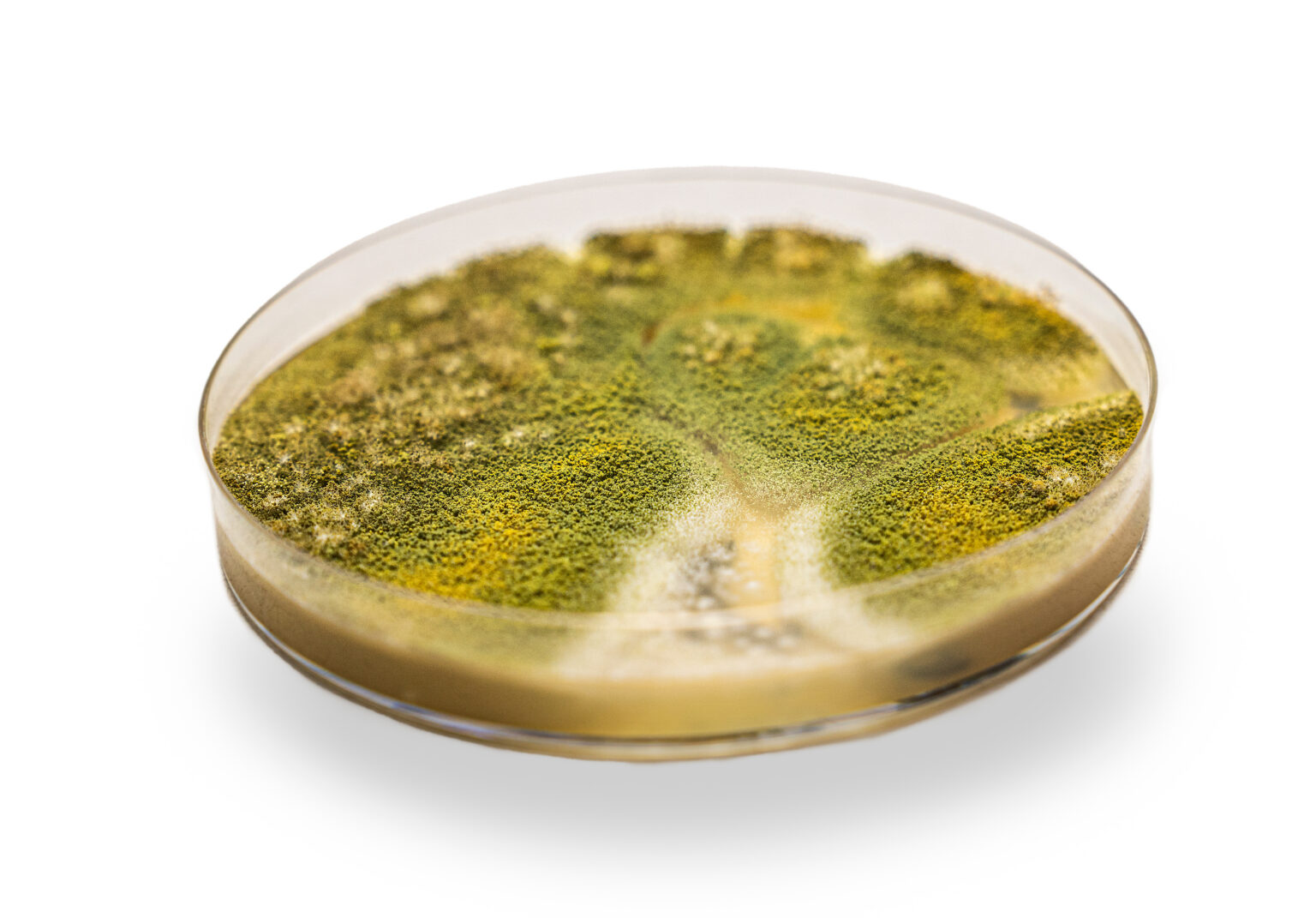
The two researchers work on the fungi Aspergillus fumigatus, a common mold that can cause life-threatening lung infections in people with weakened immune systems. A. fumigatus produces a potent toxin called gliotoxin that enables the fungus to cause disease and outcompete other microbes, but it is also so toxic that it can poison the fungus itself. To survive, the fungus has developed protective systems that neutralize gliotoxin.

With Dolan specializing in creating mutant strains of fungi and analyzing the resulting data to see which genes matter most for survival and Goldman’s strengths in fungal genetics and biochemistry, the team was able to connect molecular mechanisms to big-picture questions about how fungi cause disease.

petri dish with fungi in it.

Together they discovered that mitochondria are a key weak spot for gliotoxin. The toxin disrupts mitochondrial function, and when defenses fail, the fungus’s energy systems collapse, leading to cell death. The results reveal new details about how fungi defend themselves against their own toxins and highlight mitochondria as a possible target for future antifungal treatments, which is important because drug resistance is on the rise and current treatments for fungal infections can be toxic or ineffective.

Dolan has actually been working with Goldman since his Ph.D. and they have published two papers together, with more forthcoming and they’ve started participating in virtual joint lab meetings once a month. Dolan believes that collaboration in research is essential for impactful work.

“The mindset of working independently without engaging other labs is disappearing,” Dolan says. 

Read more in the Clemson News article.

EPIC forms EPICON to further research

scientist with gogles on choosing a test tube.

“Science isn’t done in isolation. Labs must collaborate with others to move science forward. That’s just the nature of science…” says Dr. Kerry Smith, a professor in the Clemson Department of Genetics and Biochemistry and director of Eukaryotic Pathogens Innovation Center (EPIC).

This ideology is part of what prompted EPIC, which is one of Clemson’s largest research centers, to join with partners from around the world to form EPICON, the Eukaryotic Pathogens International Consortium. Dr. Smith now serves as EPICON’s first board chair.

The consortium founding members include the University of Sao Paulo (USP) in Brazil, the University of Ghana and Pontificia Universidad Catolica del Ecuador (PUCE), which complement and supplement the research done by EPIC’s 24 faculty members, who represent three colleges and eight departments. 

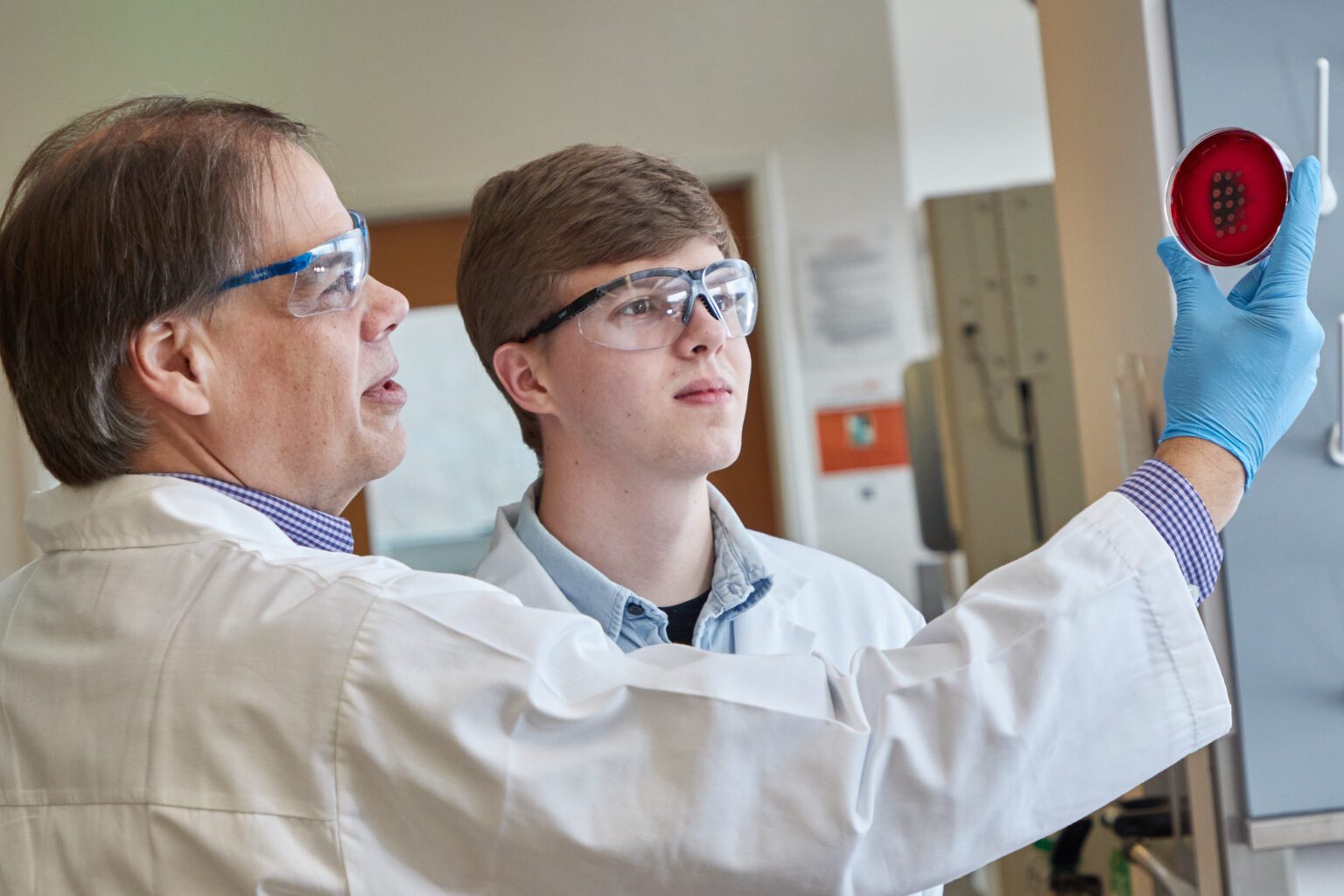
two scientists with goggles on looking at a petri dish,

“We realized that to tackle a serious global problem, we would need global partners,” said Bruce Rafert, the founding executive director of EPICON. “A new consortium made a lot of sense.”

Our partners are spectacular. USP is a top 100 global institution, and Ghana and Ecuador bring front-line experience with the very pathogens we study. The consortium essentially blankets the area where the global impacts of our pathogens are most severe and cause the biggest problems.” Rafert said.

The consortium was built on existing collaborations at the scientific level such as Stephen Dolan, an assistant professor in the Clemson Department of Genetics and Biochemistry, and Gustavo Goldman, a professor at USP, who have a close working relationship. Dolan began visiting Goldman’s lab while working toward his Ph.D. in Ireland and he and two of his graduate students traveled to Sao Paulo and Goldman’s lab. Goldman even visited Clemson last summer. They’ve published two scientific papers together.

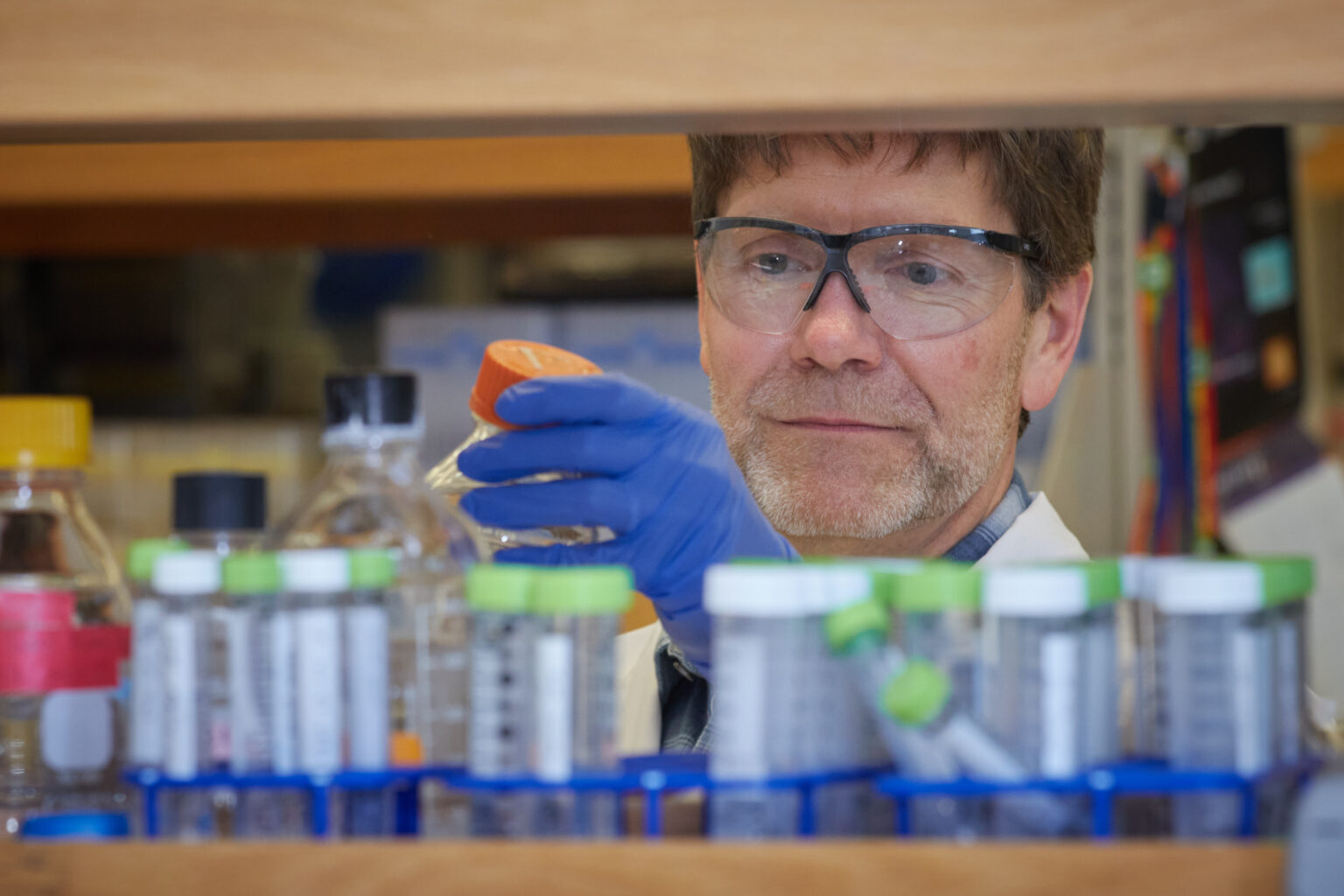
scientist with goggles on looking into a microscopic computer screen with latex gloves on.

Stephen Dolan, an assistant professor in the Department of Genetics and Biochemistry at Clemson University, does research focused on understanding the molecular interactions between bacteria and fungi which infect the lungs of people with cystic fibrosis. He found what he believes to be a new mechanism of how bacteria see and respond to fungal toxins during polymicrobial infection.

“When you combine the knowledge of many groups, it could give a better understanding of the whole problem,” Goldman said. 

Read more in the Clemson News article.

Morris awarded Fulbright grant

Dr. Meredith Morris has been awarded a Fulbright Specialist grant to strengthen international research and training partnerships between the Institute of Parasitology in the Czech Republic and the Eukaryotic Pathogens Innovation Center (EPIC) at Clemson University. This project brings together two globally recognized centers focused on understanding parasites that impact human and animal health.

The Fulbright award will support scientific exchange, collaborative research and shared training opportunities for students and early-career researchers. By building a sustainable bridge between the two institutions, the partnership between EPIC and the Institute of Parasitology will expand international opportunities, foster innovation and strengthen global networks in infectious disease research.

Beyond advancing laboratory science, this collaboration emphasizes professional development, cross-cultural engagement and preparing the next generation of scientists to work across borders to address complex global health challenges.

Gopalan researches DNA aging

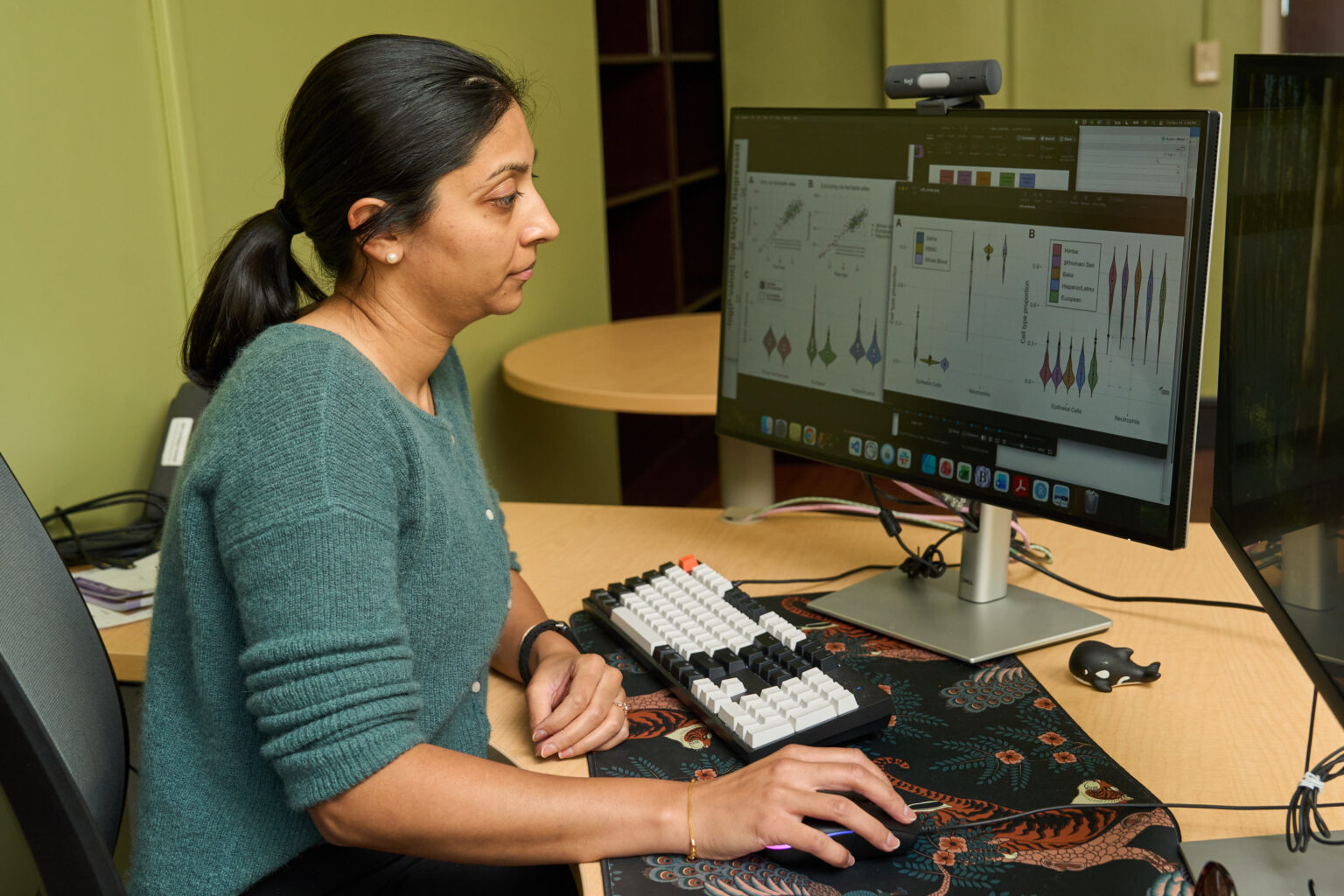
Aging leaves a chemical signature on DNA, statistical models known as epigenetic clocks estimating a person’s age with relatively high accuracy. However, new research by assistant professor and member of the Institute of Human Genetics Dr. Shyamalika Gopalan and collaborators from France show many of these clocks do not tell time well for some populations.

“None of these clocks are perfect. None of them are going to be,” Gopalan said. “But for some people, they can be way off because of genetic variation.”

 Most of the research and the clocks were built around European ancestry. The recently published work, “Common DNA sequence variation influences epigenetic aging in African populations,” found that these clocks show differences in accuracy when applied to different populations from around the world.

“Human genetics is very biased toward Western European ancestry samples. It is data from those populations that is the most widely available and mostly widely used,” Gopalan said. “African populations have more genetic diversity than the majority of populations that we tend to study in human genetics. Our hypothesis was that genetic variation can bias these predictive models in ways that haven’t been accounted for,” she said.  “It essentially means that the same level of DNA methylation can translate to a very different age prediction depending on your genotype.”

The researchers instead studied clocks to the African populations, which mostly showed significantly higher errors compared to publicly available DNA data from European and Hispanic/Latino individuals. When the researchers found this difference, they were able to reduce the error in the African cohorts while maintaining accuracy in the European and Hispanic/Latino samples.

“This study shows that we can’t necessarily take a model that was developed in one population and just apply it to another population and expect it to produce similar results,” Gopalan said. “Ideally, we would have better representation of global populations in our datasets so that we could build and train epigenetic clocks that perform better on everyone.”

ASBMB re-accredits biochemistry program

The Biochemistry Bachelor of Science program at Clemson University has been fully re-accredited by The American Society for Biochemistry and Molecular Biology (ASBMB) for another 7-year cycle.

The website notes that ASBMB accreditation is a national, independent, outcomes-based evaluation system that recognizes excellence in B.S. or B.A. degree programs in biochemistry and molecular biology. A committee of experts from academia and the private sector judge three program areas: curriculum, faculty and infrastructure.

The benefits to an ASBMB accreditation can include recognition for upholding the highest standards of education, leverage in gaining outside resources and advantages in recruiting students.

The society noted our outstanding faculty, strong curriculum and continuous strides to improve the program.

World CRISPR Day – G&B faculty highlighted

Today, October 20 is World CRISPR day, the day CRISPR was first used to edit a human genome — was established to celebrate its transformative impact on science, medicine and biotechnology.

CRISPR, which is short for Clustered Regularly Interspaced Short Palindromic Repeats, is a powerful gene-editing technology that research scientists use to selectively modify the DNA of living organisms so they can study gene function in disease, develop diagnostic tests and identify novel treatments. 

CRISPR was discovered in bacterial immune systems and works by acting when a virus attacks, save tiny pieces of the viral bacterial DNA. The next time the virus appears, the bacteria use CRISPR and a protein called Cas9 to locate and destroy the invader’s DNA.

For World CRISPR Day Clemson News highlighted two of the department’s faculty who use CRISPR in their research to advance human health.

Stephen Dolan

Dr. Stephen Dolan’s lab focuses on Aspergillus fumigatus, a fungal pathogen responsible for serious infections, particularly in immunocompromised individuals. By generating and studying fungal mutant strains using CRISPR, Dolan’s team investigates how Aspergillus responds to infection-relevant stressors and antifungal treatments.

“CRISPR has allowed us to move beyond the well-adapted lab strains we used to rely on. Now we can edit genes in pathogens taken directly from patients or the environment to better understand how they survive and cause disease,” he said.

Jennifer Mason

Dr. Jennifer Mason works on DNA damage and repair, studying how cells respond to DNA damage, including damage caused by sunlight exposure. 

Mason obtains cancerous and non-cancerous cell lines from human patients and predicts the genes essential for that DNA repair. She then uses CRISPR-Cas9, an enzyme, to knock the gene out. Once the gene is knocked out, she monitors a mutant or knockout cell line to see if the cell can still repair DNA damage. 

Before CRISPR, many DNA repair experiments that make specific changes or knockouts would not have been feasible due to cost and time. 

“I got my Ph.D. in human genetics in 2010, and we were limited to the availability of patient cell lines where patients with these disorders consent to having skin biopsies taken,” Mason says. 

Read more in the Clemson News article.

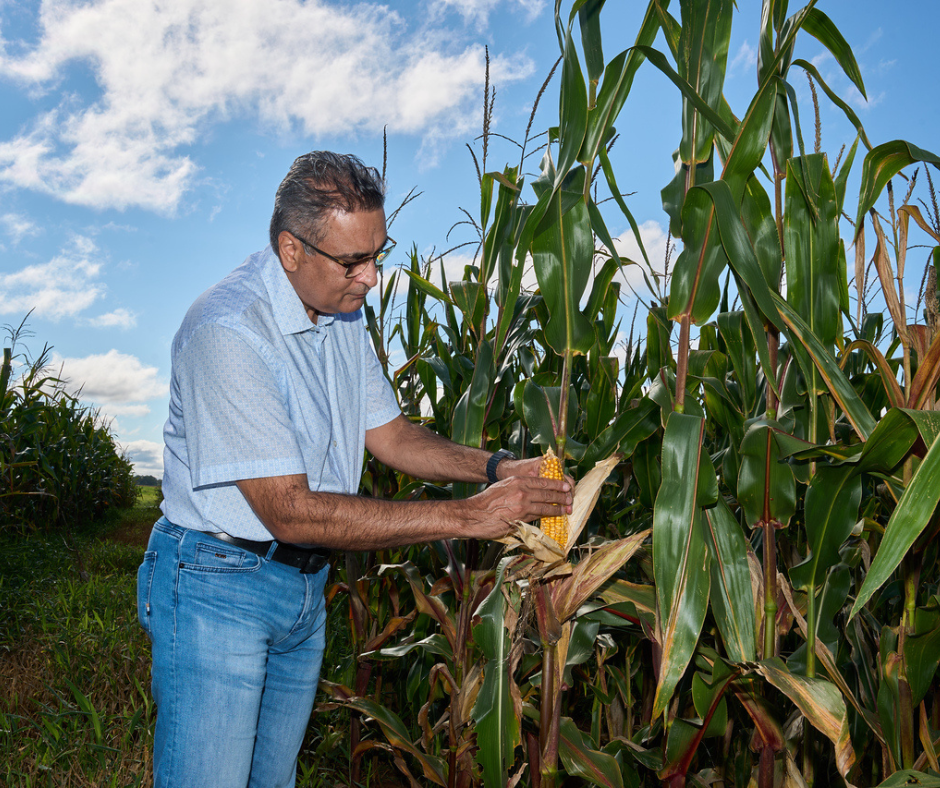
Dr. Rajan Sekhon and team lead to 2.4 million NFS grant

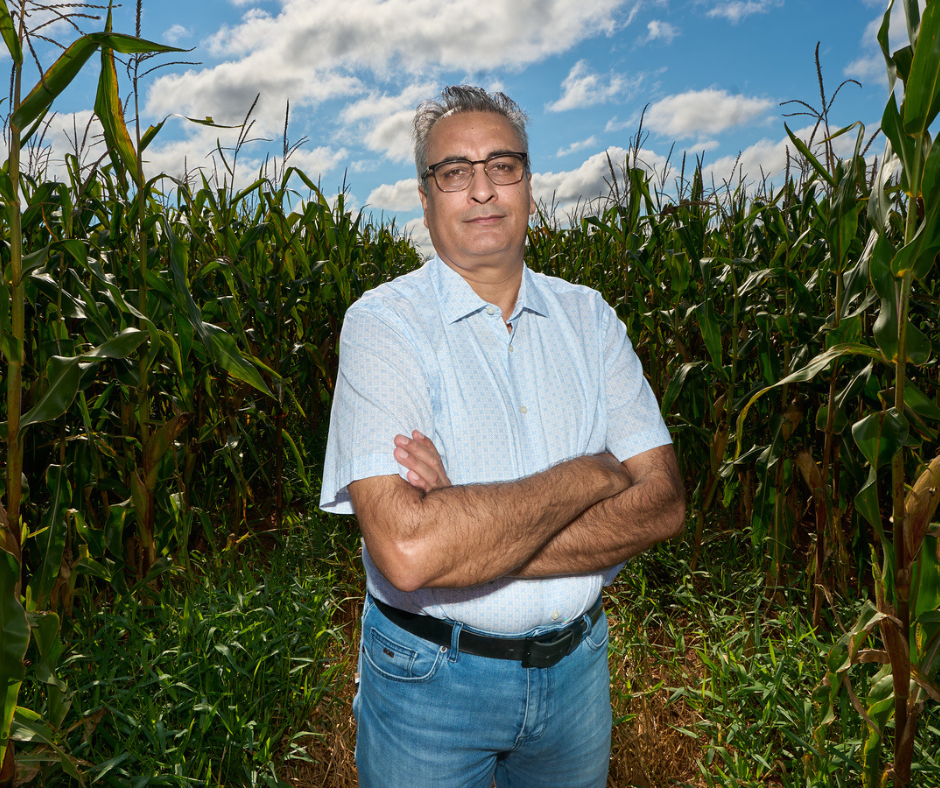
Associate professor Rajan Sekhon along with a team of researchers at Clemson University and partner organizations have received a $2.4 million, four-year grant to map genes that control leaf senescence in corn. Funded by the National Science Foundation through both the Plant Genome Research Program and the Cross-Directorate Activities program, this project aims to sustain photosynthesis longer, improve yield stability and support smarter on-farm nitrogen use.

“Our goal is to set the timing of leaf senescence so plants stay productive when it counts and still finish cleanly for harvest, which can also help keep more nitrogen working on the farm,” Sekhon said.

This project will determine when senescence, which is the aging process where plants recycle nutrients, begins and how quickly it proceeds. Sekhon’s group will map the genes and regulatory switches that control senescence by using a systems genetics approach that integrates physiology, metabolomics, transcriptomes, chromatin accessibility and single cell RNA sequencing. Artificial intelligence, primarily large language models (LLMs) and machine learning, along with advanced statistical methods, will combine these data to pinpoint genes and regulatory switches that set senescence timing in corn and possibly other crops.

“While we’re focused on the process of senescence, we are developing methods and datasets that can translate to other traits and crops,” he said.

Nitrogen is essential for protein formation in corn because it is a fundamental component of amino acids, the building blocks of all proteins.

“Most kernel protein is storage protein with limited amino acid balance, so lowering total kernel protein does not automatically reduce nutritional value. If we get the timing of leaf senescence right, we can keep yield steady and, over time, help more nitrogen remain on the farm.”

Read more in the Clemson News article.

G&B faculty and students publish articles – Summer 2025

Dr. Rajan Sekhon, Manwinder Brar and Barath Kunduru, recent Ph.D. graduates from the Sekhon lab, published a Plant Cell study identifying metabolites and genes controlling maize leaf senescence titled, “Temporal analysis of physiological phenotypes identifies metabolic and genetic underpinnings of senescence in maize.” 

Manwinder Brar was first author on a collaborative study with USDA scientists with an article titled “Untargeted metabolomics reveals key metabolites and genes underlying salinity tolerance mechanisms in maize” in Plant Genome.

Dr. Jennifer Mason and post doctoral fellow Josh Turner published “FBH1 and the replication stress response: Implications for genome stability and cancer” in DNA Repair.

Drs. Trudy Mackay and Robert Anholt published three articles together

“Ultrastructural expansion microscopy reveals unexpected levels of glycosome heterogeneity in African trypanosomes” by Drs. Heidi Anderson and Meredith Morris has been accepted in the Journal of Microscopy.

Dr. Andrew Jezewski’s paper “Discovery and mechanism of a highly selective, antifungal acetyl CoA synthetase inhibitor” was accepted into Nature Communications.

Dr. Fabio Morgante had three publications:

“Non-coding RNAs in plant stress responses: molecular insights and agricultural applications” was published in Plant Biotechnology Journal. Graduate student Xiaotong Chen is the first author, Dr. Hong Luo and two of his other students, Zhaohui Chen and Ryan Watts are co-authors of this article.

Dr. Robert Anholt was asked by Chem Senses to write the obituary for well-renowned artist and scientist Bert Menco when he passed earlier this summer after the pair had worked together for years.

G&B faculty invited for talks – Summer 2025

Dr. Hong Luo was invited to give four talks:

  • At the Louvain Institute of Biomolecular Science and Technology at the Catholic University of Louvain, Belgium.
  • In the session “Biotechnology approaches for animal and crop improvement and environmental risk assessment of genetically engineered organisms” of the Society For In Vitro Biology 2025 Meeting in Norfolk, VA.
  • At Lanzhou University as a part of their seminar series.
  • At the International Pastureland and Forage Industry Congress 2025 in Hulunbuir, China.

Dr. Stephen Dolan and Ph.D. students Jessica Aycock, Shafi Mondal and Lindsay Pauls attended the Gordon Research Seminar & Conference on Microbial Adhesion and Signal Transduction in Newport, RI, where all three gave research presentations.

Zane Tolbet, a Ph.D. candidate, gave an oral presentation at the Midwest DNA Repair Symposium at the University of Michigan.

Dr. Fabio Morgante was invited to speak at the CM Statistics 2024 conference in London and at Clemson University for the Medical Biophysics Seminar Series. The titles of his talks were “A variational empirical Bayes approach to multivariate multiple regression, with applications to polygenic prediction” and “Exploiting Complexity to Improve Phenotype Prediction,” respectively.

Post doctoral fellow Anurag Chaturvedi gave an oral presentation, titled “Unravelling toxicogenomics: From single cell to populations” as part of a workshop at the Drosophila Research Conference in San Diego.  

Dr. Robert Anholt presented a workshop presentation skills and was a panel member of a grant review writing session at the 2025 SC INBRE Career Development Workshop at the USC School of Medicine in Columbia, SC. He also served on the NIH Special Emphasis Panel/Scientific Review Group for Program Projects: Centers of Biomedical Research Excellence (COBRE) Phase 1.