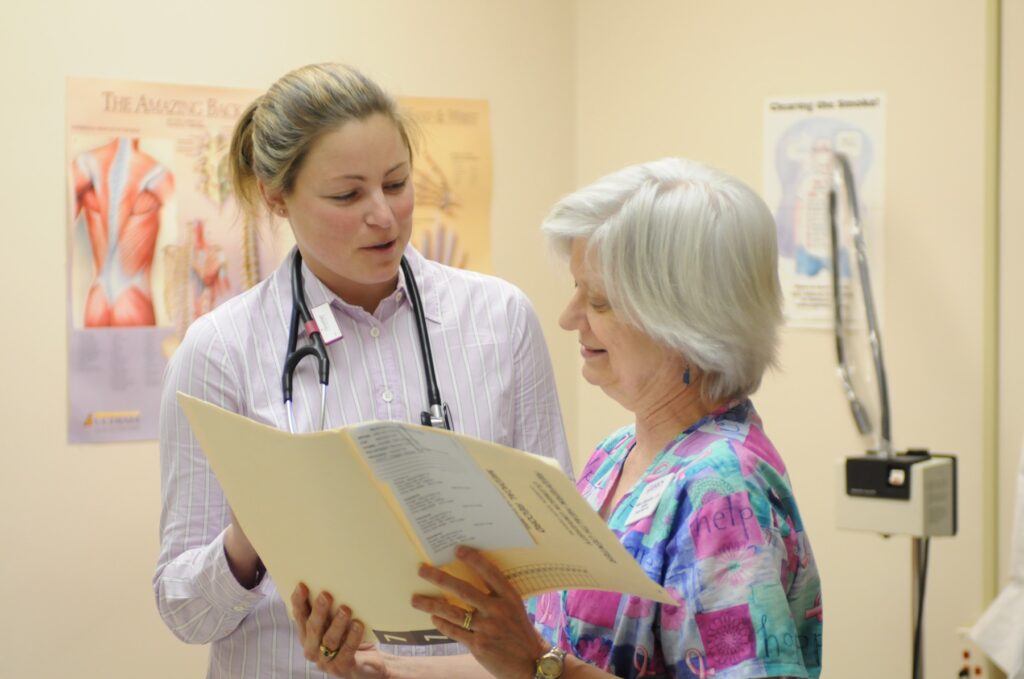
Discuss RSV prevention with your provider to stay one step ahead. Image Credit: RHN Team Picture Bank
What is RSV?
Respiratory syncytial virus (RSV) is a common respiratory virus that infects the nose, throat, and lungs. RSV typically causes mild, cold-like symptoms and does not usually cause severe illness in healthy adults and children. However, infants, young children, and older adults are more likely to develop severe RSV and, in some cases, may need to be hospitalized. RSV spreads in the fall and winter along with other respiratory viruses and peaks in December and January. Winter provides an ideal environment for RSV to spread, as people spend more time indoors, in crowded spaces, and dry indoor air can dry out the nasal passages. Recently, RSV has gained more attention due to the rise in seasonal cases and its overlap with influenza (flu). There are now RSV vaccines available for adults aged 75 and older and for adults aged 50 to 74 who are at increased risk for severe RSV. These vaccines help reduce the risk of serious illness. RSV spreads when someone with the virus coughs or sneezes near you, through direct contact such as kissing the face of a child with RSV, or by touching a contaminated surface like a doorknob and then touching your face. RSV can survive for several hours on hard surfaces such as tables, counters, toys, and doorknobs.
Who Is Most at Risk?
Infants and young children, typically defined as ages 0 through 4, are at a very high risk for severe RSV, especially those born prematurely. Those at greatest risk include infants born early, those with chronic lung disease, congenital heart disease, weakened immune systems, severe cystic fibrosis, or neuromuscular disorders that make it difficult to swallow or clear mucus.
Among adults, people ages 75 and older and adults ages 50 to 74 with chronic heart or lung disease, weakened immune systems, certain other underlying medical conditions, or who live in nursing homes are at increased risk for severe RSV.
Early Symptoms to Watch For
RSV may not be very noticeable when it first starts. It can become more severe a few days into the illness. Early symptoms can include:
• Runny nose
• Eating or drinking less
• Cough that may progress to wheezing
• Difficulty breathing
Infants with RSV almost always show symptoms, such as:
• Irritability
• Decreased activity
• Eating or drinking less
• Apnea, which means pauses in breathing lasting more than ten seconds
It is important to note that many infants will not initially have a fever with an RSV infection.
When to Call a Doctor or Seek Care
Infants
Infants are at higher risk for complications from RSV. Seek emergency care if they are having trouble breathing, have a high fever, or show signs of dehydration. Infants may not have a fever at first but may develop one as symptoms progress or if another infection develops. Severe RSV can also lead to bronchiolitis, which is inflammation of the small airways in the lungs. Infants with RSV may also develop ear infections or pneumonia.
Young Children
Children with RSV can develop complications such as ear infections or pneumonia. Pay close attention to complaints of additional pain or discomfort, as this may indicate that another infection has developed. Talk to your healthcare provider before giving a child non-prescription cold medicine, as some ingredients are not safe for children.
Adults
Adults typically experience mild cold-like symptoms, but some may develop pneumonia. Seek emergency care or contact a healthcare professional if an adult is having difficulty breathing, not drinking enough fluids, or experiencing worsening symptoms. RSV can also worsen serious chronic conditions such as asthma, chronic obstructive pulmonary disease, and heart failure.
Caring at Home
There are several ways to help a loved one recover from RSV. For infants and children, using a cool mist humidifier in their room or common areas can be helpful. Nasal saline and suction for infants can clear mucus that makes breathing difficult. Keep them hydrated and well-rested. If possible, keep the person upright and follow any prescribed breathing treatments.
For adults, managing fever and pain with over-the-counter fever reducers and pain relievers can help. This is recommended for adults only; do not give aspirin to children. It is important to drink plenty of fluids to prevent dehydration.
Antiviral medication is not routinely recommended to treat RSV. Most RSV infections go away on their own in one to two weeks. Symptoms usually appear 4 to 6 days after infection. Always talk with a healthcare provider about symptom management, especially if symptoms are not improving or if you have concerns about how to care for someone with RSV.
Prevention for Households and Gatherings
Everyone can take steps to help reduce the spread of RSV and other respiratory viruses.
- Practice good hygiene by covering your coughs and sneezes, washing or sanitizing your hands often, and cleaning frequently touched surfaces.
- Teach children proper handwashing techniques.
- Improve indoor air quality by bringing in fresh outside air, purifying indoor air, or gathering outdoors when possible.
- Stay home and away from others when you are sick.
There are currently RSV vaccinations available for older adults that help protect against severe RSV. RSV vaccines are recommended for adults aged 75 and older and adults aged 50 to 74 who are at increased risk for severe RSV. It is recommended to get the vaccine by late summer or early fall. There are two immunizations that protect infants from severe RSV: a maternal RSV vaccine given during pregnancy or an infant RSV antibody given after birth. Talk with your doctor or pharmacist about recommended vaccines and whether they are the right choice for you or your child.
Support For Caregivers
Caring for a loved one with RSV can be stressful. This is normal, and it is essential for caregivers to take time to rest. If you feel overwhelmed, do not hesitate to ask for support so you can take a break or step outside for fresh air.
Recovery time for RSV is usually one to two weeks, so patience and giving yourself grace are crucial. Caring for a child or older adult with RSV can be exhausting, especially during long nights or hospital stays. Taking breaks, asking for help, and maintaining your own sleep and nutrition are essential for effective caregiving. Local health departments and family support organizations may offer respite care or online caregiver groups. For more information on caregiver burnout, check out the Clemson University Rural Health & Nutrition blog, Taking Care of Yourself: Preventing Caregiver Burnout.
RSV is common, but severe illness is often preventable through awareness, vaccination, and simple everyday precautions. By practicing good hygiene, staying informed, and supporting caregivers, we can help protect our families and communities this RSV season.
References:
- Centers for Disease Control and Prevention. (2025). About RSV. https://www.cdc.gov/rsv/about/index.html#:~:text=Respiratory%20syncytial%20virus%2C%20or%20RSV,along%20with%20other%20respiratory%20viruses.
- Centers for Disease Control and Prevention. (2024). RSV in infants and young children. https://www.cdc.gov/rsv/infants-young-children/index.html
- Centers for Disease Control and Prevention. (2025). RSV vaccines. https://www.cdc.gov/rsv/vaccines/index.html
- Centers for Disease Control and Prevention. (2025). Symptoms and care of RSV. https://www.cdc.gov/rsv/symptoms/index.html
Authors:
- Bailee Floyd, Rural Health and Nutrition, Horry and Marion Counties
- Phoebe Covode, UPIC Intern, Rural Health and Nutrition
