Genetics and Biochemistry News

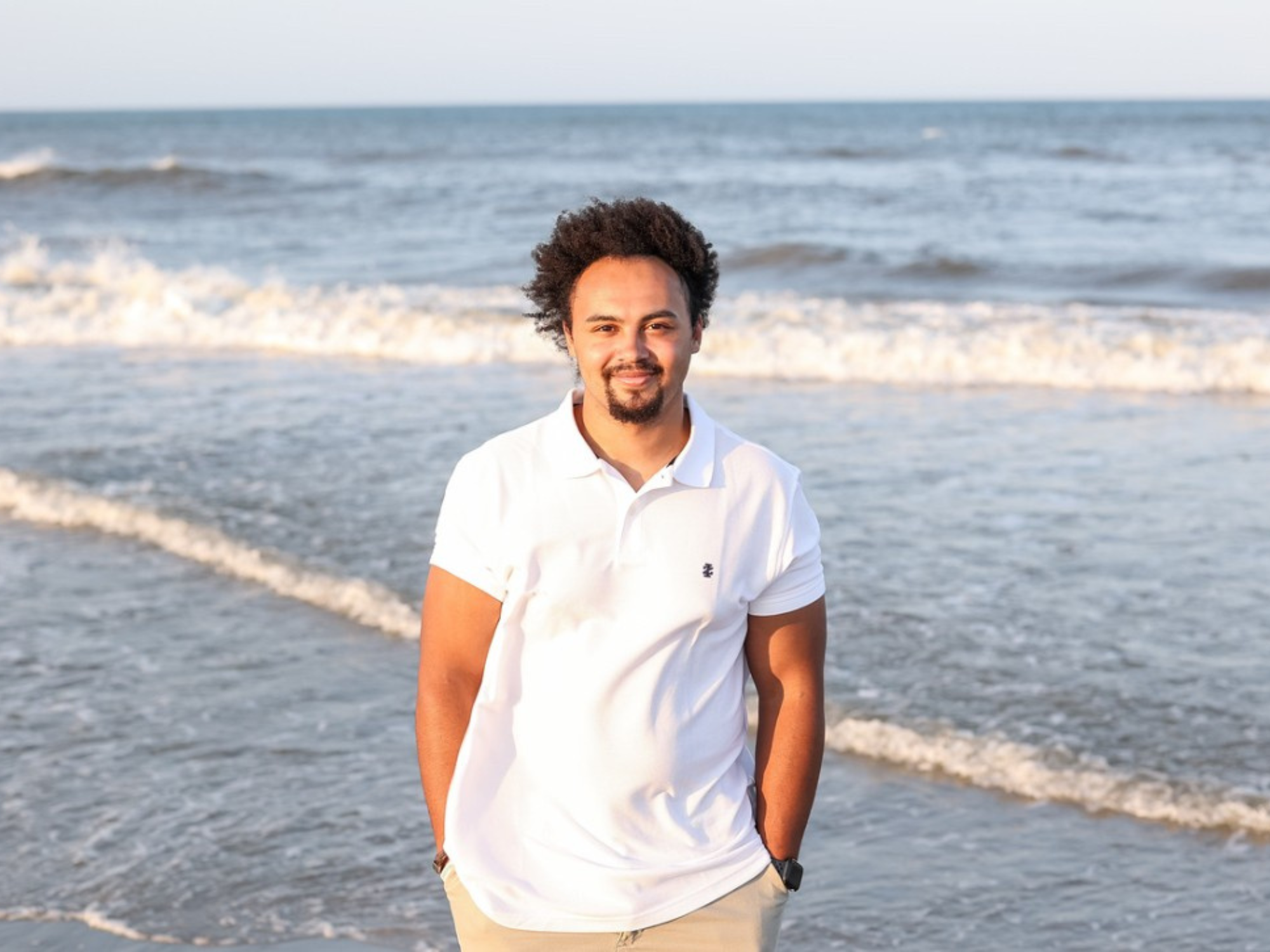
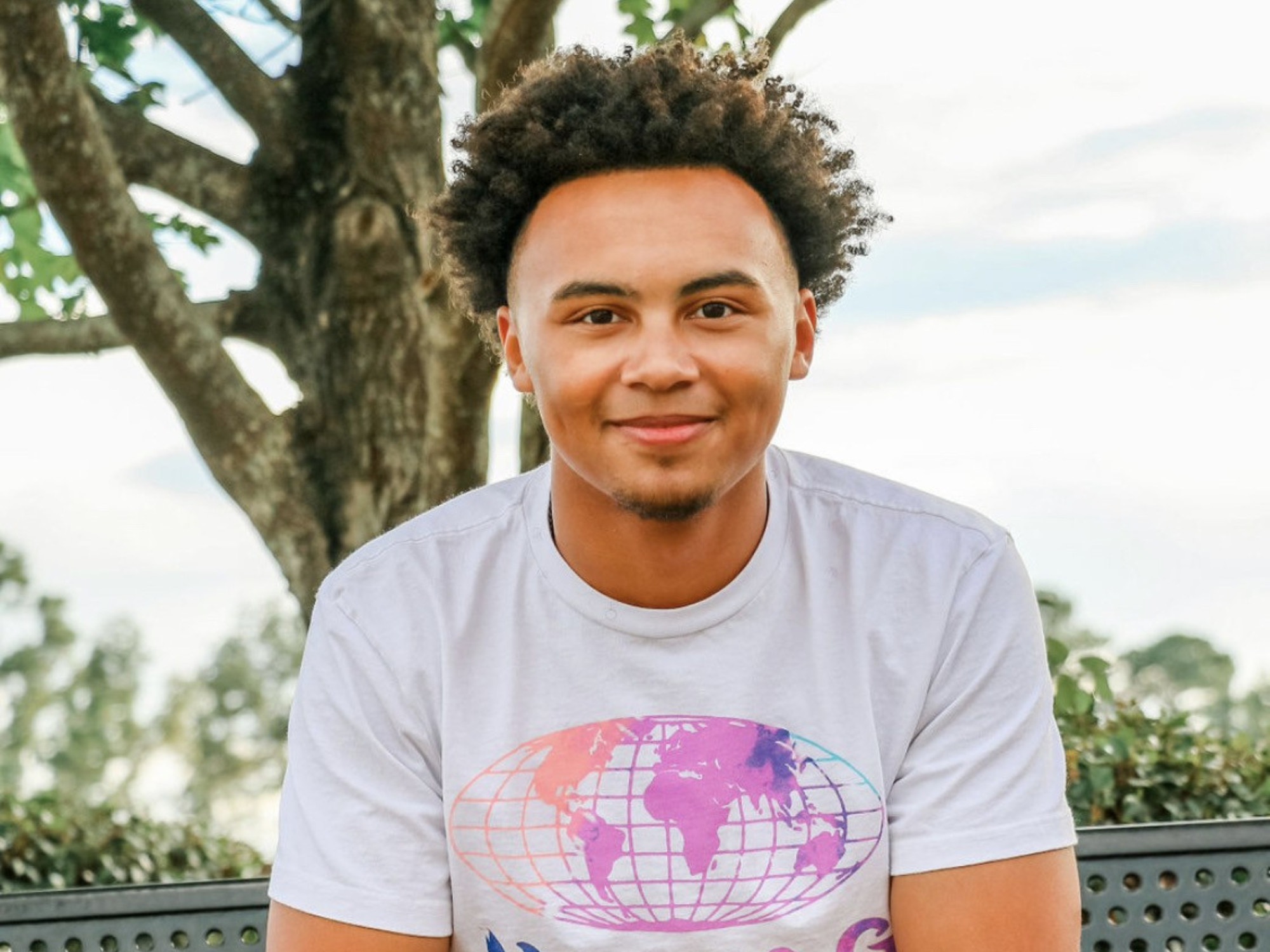
Our Students Are Sociable – Justyn Stevens

When senior biochemistry major Justyn Stevens was in high school, he started taking chemistry, biology and anatomy and immediately fell in love with life sciences. That passion coupled with his love of the campus and the knowledge that he wanted to go into the medical field made the biochemistry major at Clemson the perfect place for him.

“Clemson is also always investing in the sciences and helping students and professors with anything they need to help advance their research.”

For Justyn, the Genetics and Biochemistry Department has brought a sense of community with life-long friends and supportive professors. Justyn says his professors and advisors are always there to answer questions just talk about the future and how to prepare.

“If I had one piece of advice for any incoming or current G&B students, it would be to not be afraid to talk to people. Whether that’s professors or other students, you never know who you could meet. I have found some of my best friends in this major as well as some of my favorite professors.”
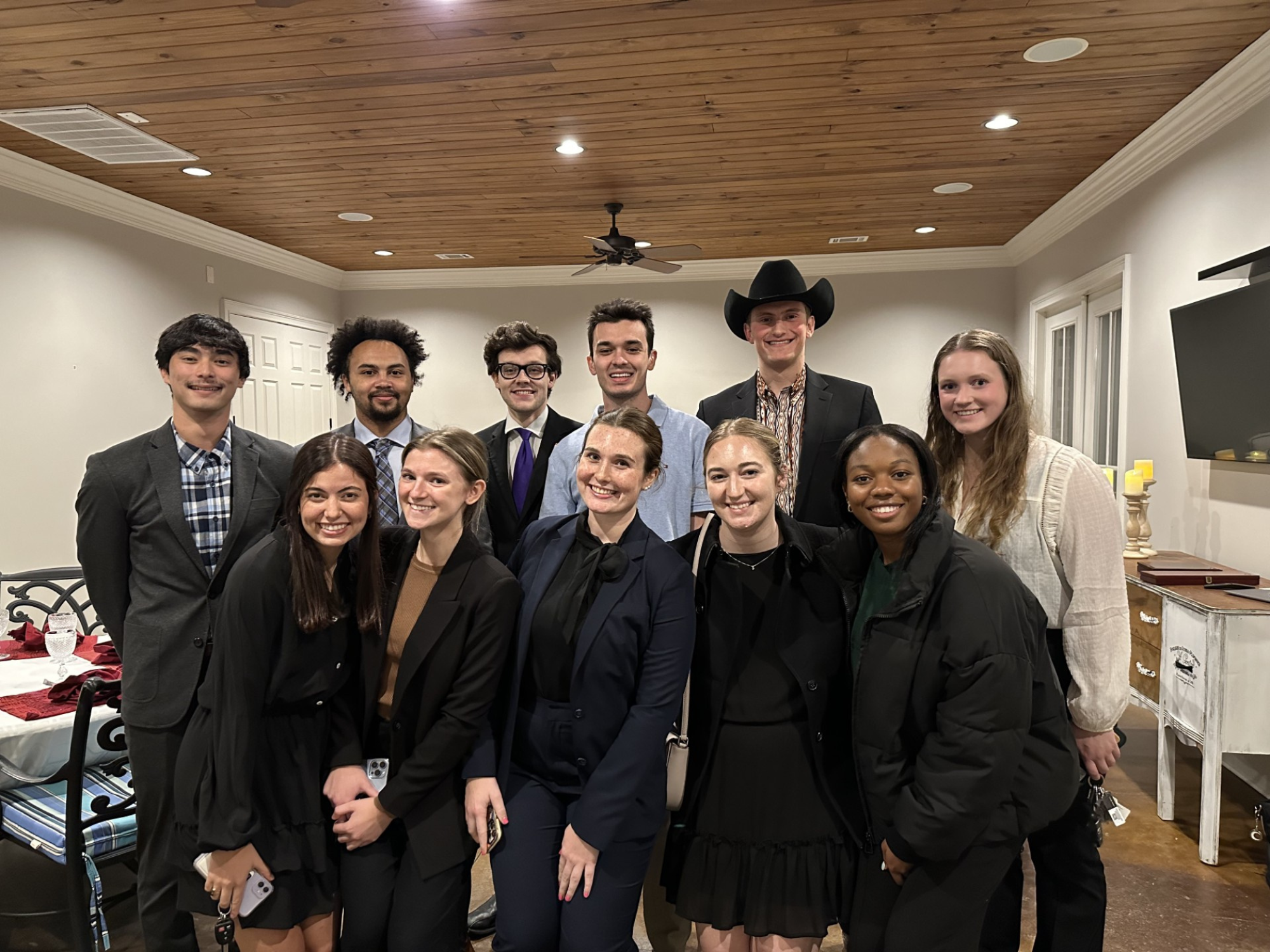
One of the professors that Justyn has found supportive is Dr. Lukasz Kozubowski. Justyn is currently working in Dr. Kozubowksi’s lab where he is studying Cryptococcus Neoforms. He works closely with Hannah Akahoho, a Ph.D. student in the lab, to better understand the CDC42 gene found in Cryptococcus.

“We are testing how different drugs interact with the organisms and seeing how they affect the budding/replication of Cryptococcus cells. This, in the grand scheme of things, will help our understanding of the CDC42 gene and how to prevent Cryptococcus from replicating and spreading.”

Justyn’s end goal is to go to medical school and become a cardiothoracic surgeon. After graduation, he plans to take a gap year, working as an EMT back in his hometown of Myrtle Beach, SC.

In his free time, Justyn enjoys anything sports related – golfing, throwing football/baseball or playing pickleball. He is studying for the MCAT to go to medical school after his gap year.
Our Students Are Driven – Adam Gatch ’24

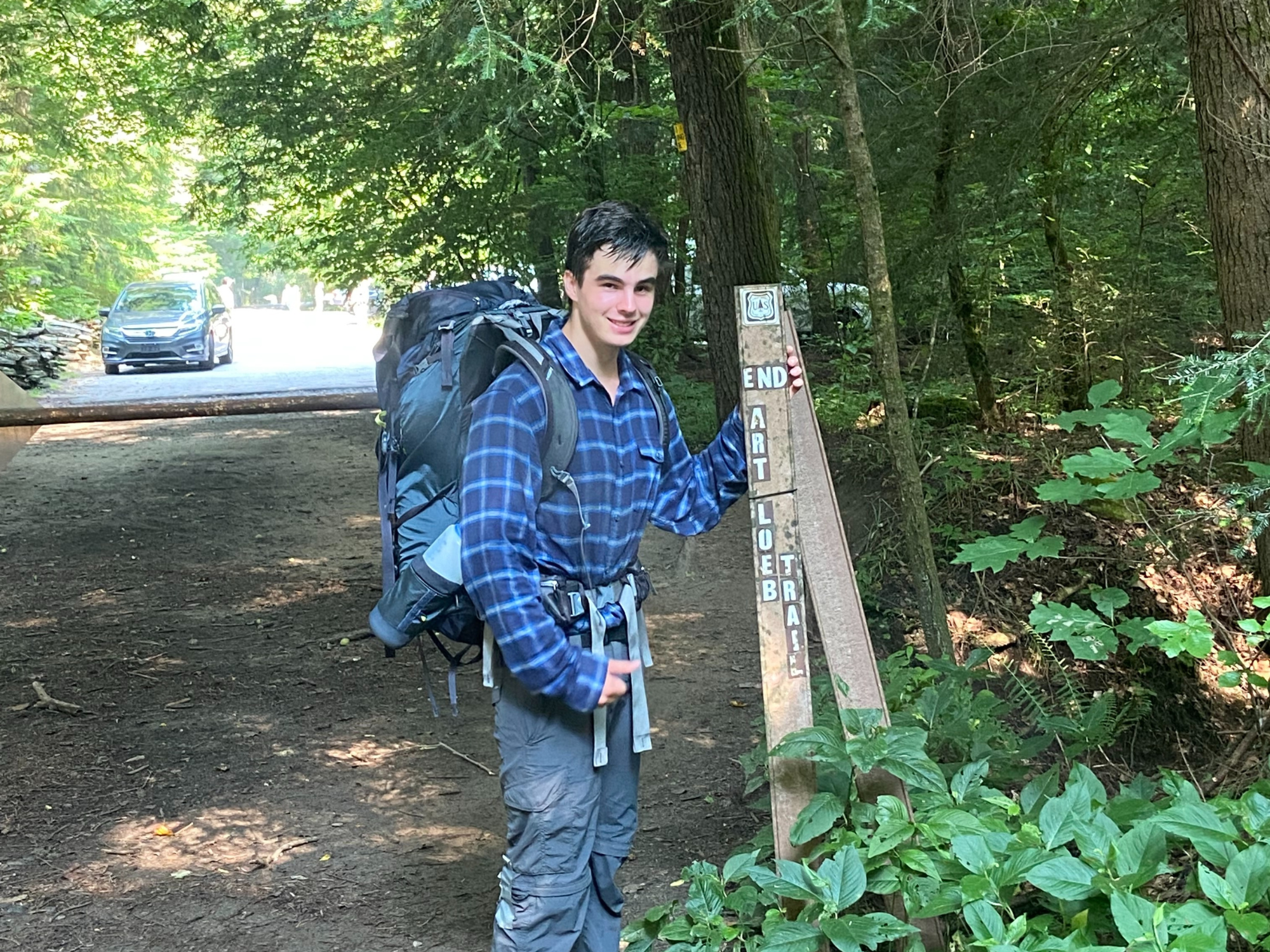
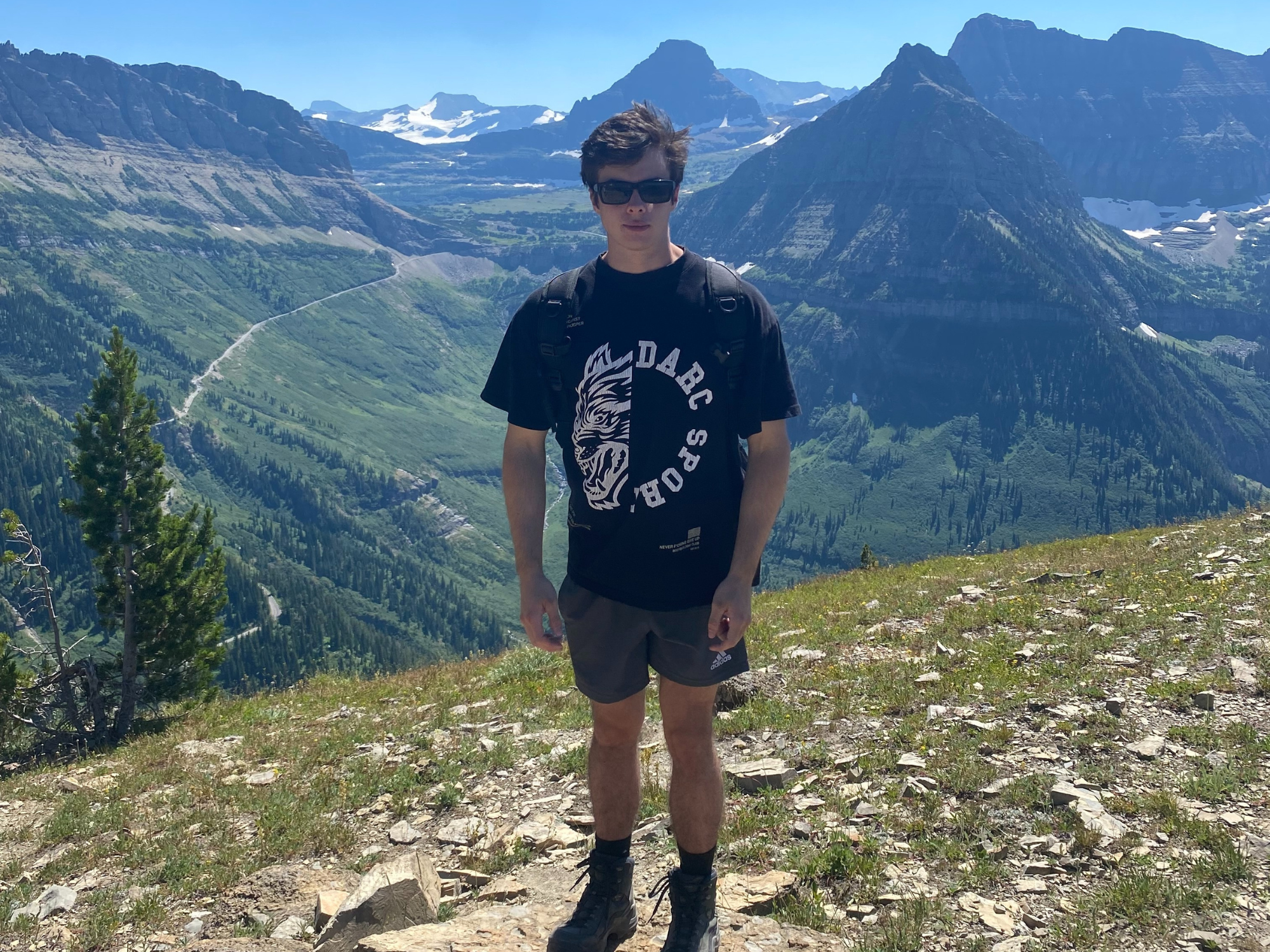
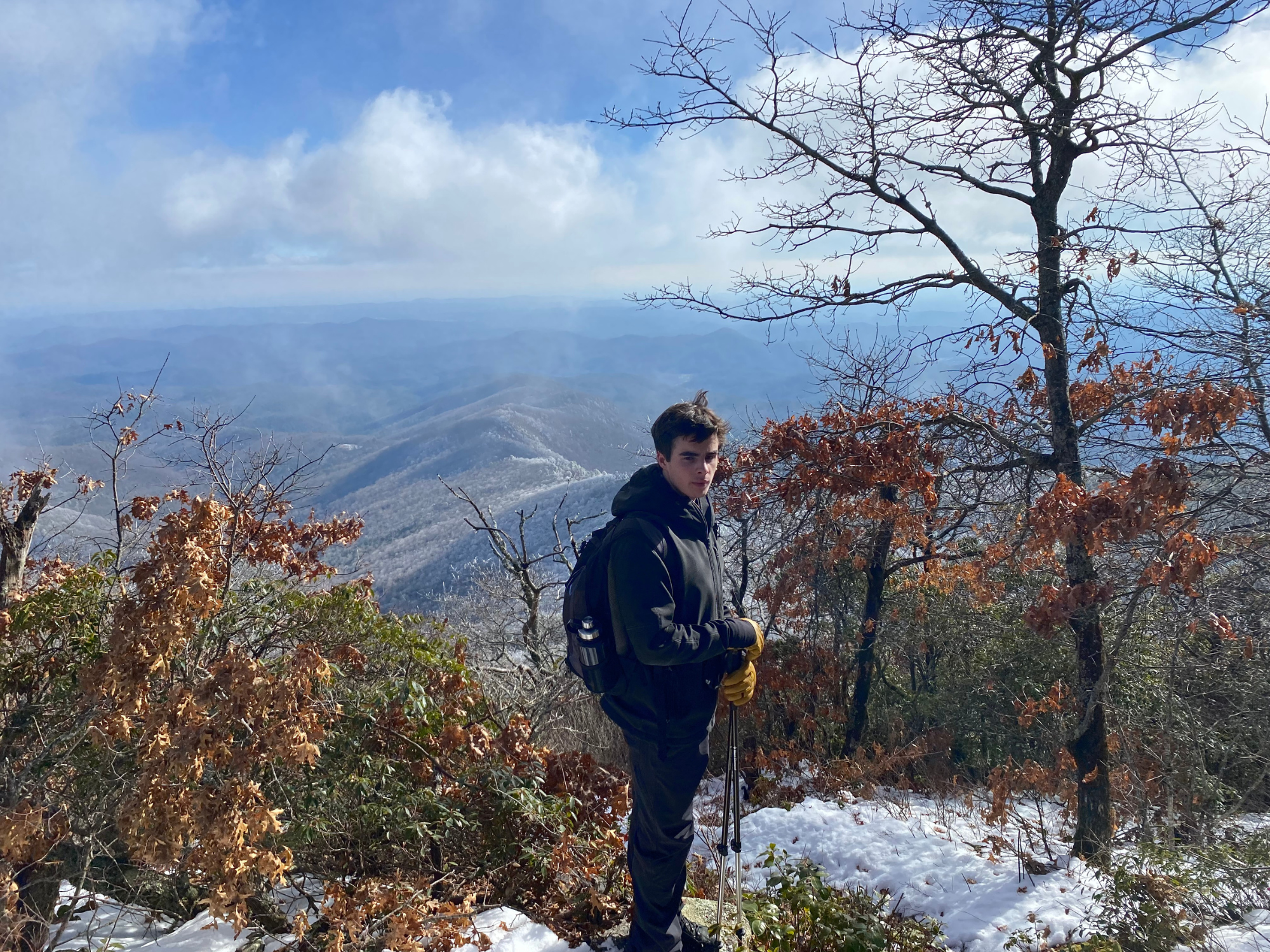
Senior biochemistry major Adam Gatch is many things: a student, a hiker, a researcher, a tutor, a Goldwater Scholar, an EMT, a volunteer, a writer, a backpacker – too many things to name.

Originally from Charleston, SC, Adam enjoys Clemson for its people and its proximity to great hiking spots and the mountains.

“It’s been nice to meet others with strong work ethic and passion for learning, and it has been motivating to be surrounded by other students with all kinds of exciting future plans.”

Being involved in many extracurricular activities, Adam’s main focus is his research work with Dr. Feng Ding, who runs the Clemson Multiscale Biophysics Lab in the Department of Physics and Astronomy. With Dr. Ding, he has worked on numerous independent projects investigating the structure and dynamics of various proteins implicated in neurodegenerative disease.

“The major theme of my personal research work is understanding the molecular basis of co-pathologies involving multiple disease-associated proteins. Essentially, many neurodegenerative diseases such as Alzheimer’s and Parkinson’s are characterized by the abnormal accumulation of certain proteins, and the inclusions they form are considered disease hallmarks.”

In some cases, multiple “hallmark” proteins are found in the same pathological assembly or in closely associated assemblies of each protein. Adam’s work seeks to elucidate the molecular mechanisms that enable the proteins to interact and give rise to these co-pathologies, and additionally to understand how that interaction can affect clinical presentation and disease outcome.

From this project, Adam has published four articles in peer reviewed journals with his group, including one first-author paper recently published titled, TDP-43 Promotes Amyloid-Beta Toxicity by Delaying Fibril Maturation via Direct Molecular Interaction in ACS Chemical Neuroscience. In addition, he was awarded a $10,000 NIH REU grant to support his summer research with Dr. Ding.

Adam’s research experience doesn’t stop there; he is involved in the Clemson University Clinical Undergraduate Research Experiences in Surgery (CURES) and has shadowed neurologists at MUSC. Also, he is involved in the Drug Design, Development, and Delivery (4D) lab led by Dr. Jeoung Soo Lee in the Department of Bioengineering, which is focused on nanoparticle-based therapeutics for traumatic brain injury and spinal cord injury.

“In contrast to my computational biophysics research, the 4D lab utilizes in vivo and in vitro experiments, using rats to study the effectiveness of the treatments developed by the group. While Dr. Ding’s lab appealed to me because of my strong interest in neurodegeneration and molecular-level study of disease, Dr. Lee’s lab was perfect for exploring another clinical interest of mine, namely traumatic brain injury.”

In addition to research work, Adam is an EMT on the weekends, a tutor for CH 1010 and 1020 at the Academic Success Center, a member of the College of Science Student Advisory Board, a volunteer at the Paw Pantry and a member of the Clemson Debate Team.

“In my [EMT] work, I have cared for many patients with highly advanced forms of neurodegenerative disease, which reinforces my motivation to study these diseases in the lab. These experiences have been hugely impactful in affirming my commitment to my future career as a physician-scientist.”

After graduation Adam plans to take a couple gap years traveling around Europe before applying to a number of MD-Ph.D. programs in neuroscience. Afterward, he plans to complete medical residency in neurosurgery and lead a research-intensive career as an academic neurosurgeon at a medical university.

“I plan to continue working on highly interdisciplinary research throughout my Ph.D. training and later in my career, hope to one day lead a successful lab.”

Ph.D. student’s internship broadens career path

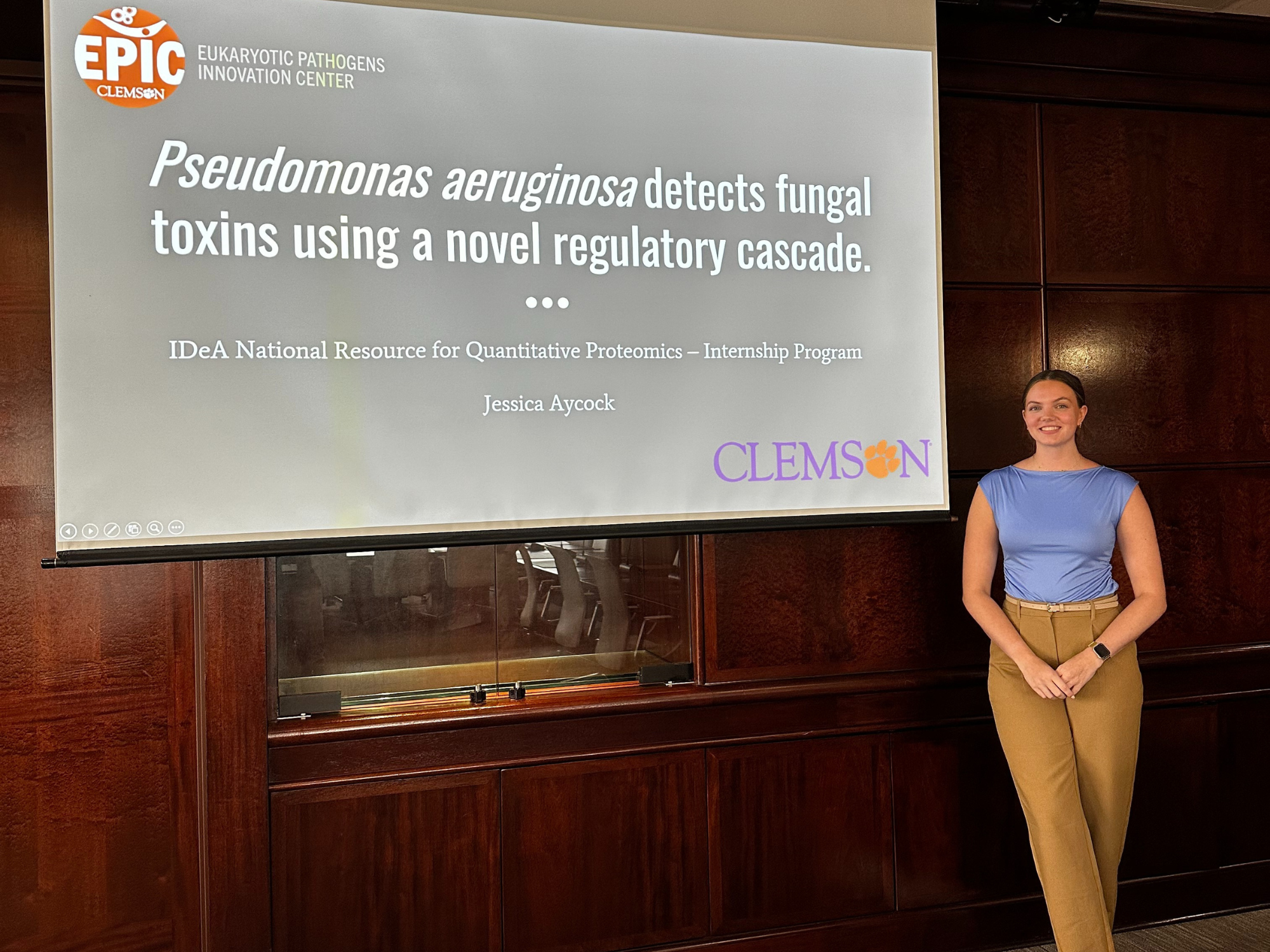
Jessica Aycock is a second year Ph.D. student in Dr. Stephen Dolan’s lab housed in the Eukaryotic Pathogens Innovation Center (EPIC) at Clemson University. This fall she had the opportunity to intern at IDeA National Resource for Quantitative Proteomics at the Winthrop P. Rockefeller Cancer Institute at University of Arkansas for Medical Sciences (UAMS) in Little Rock, AK.

The IDeA National Resource for Quantitative Proteomics Internship program is designed to provide a unique opportunity for the next generation of scientists to explore an alternative career option in biomedical research by gaining experience in a national resource and core facility environment. Interns are encouraged to bring proteomics samples related to their project, enabling them to work on their own research while they are interning.

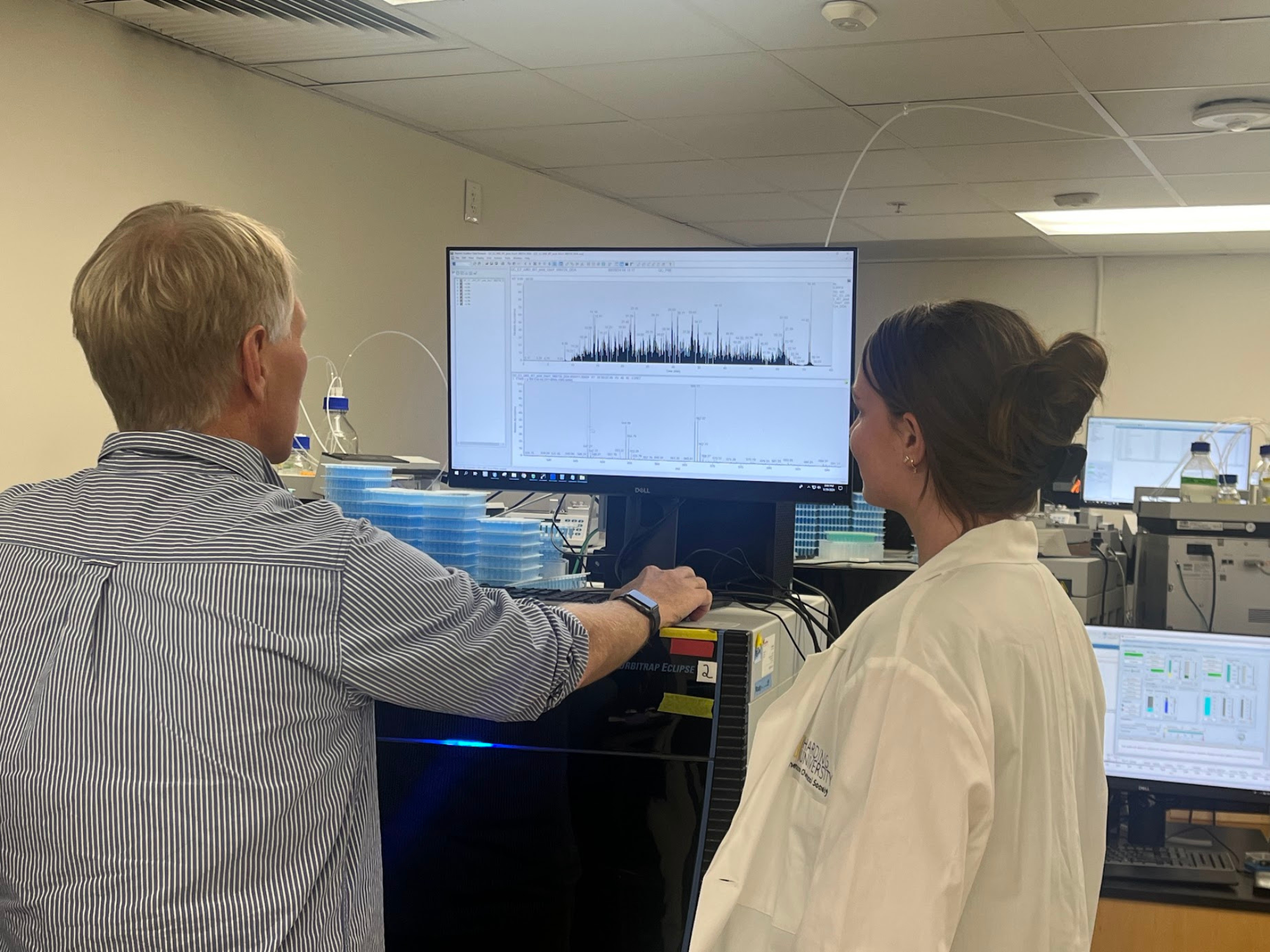
Jessica spent two weeks at IDeA National Resource for Quantitative Proteomics gaining a unique hands-on research experience which included managing the entire behind the scenes proteomics workflow – sample prep, mass spectrometry and downstream bioinformatics processing – on her own Ph.D. research samples.

“Not only did I deepen my understanding of my own research, but the experience also broadened my perspective of career opportunities beyond traditional paths.”

In addition, Jessica learned the ins and outs of mass spectrometers including instrumentation, operation and contribution to data acquisition. She also had the chance to explore career options outside of industry and academia, learning how a national core facility functions.

“Learning the intricacies of proteomics through participating in the IDeA National Resource for Quantitative Proteomics internship was an amazing, eye-opening experience. Moving forward, I plan to use these insights to advance my research in the Dolan Lab and explore new directions in the field of proteomics!”

IDeA National Resource for Quantitative Proteomics provides unmatched and cost-effective access to state-of-the-art quantitative proteomics platforms and education, outreach and training opportunities that will increase the capacity of National Institutes of Health-funded investigators to perform cutting-edge biomedical research.

Student Allen Gomez researches yellow camellias

Yellow camellias are far rarer than white, pink and red, found only in south China and Vietnam. Senior biochemistry major Allen Gomez’s research aims to make propagation and growing of yellow camellias easier.

Gomez’s research is done through the Creative Inquiry + Undergraduate Research program with associate professor Dr. Haiying Laing, whose research focuses on the application of genetics and genomics to improve economically important traits in plants.

“I think it’s really interesting how gene editing and being able to modify and improve certain aspects of different organisms through genetics works,” said Gomez.

Working with first-year Ph.D. student Roger Zhang he has investigated the expression levels of auxin response factor (ARF) genes in Camellia nitidissima, aiming to determine how ARF genes were regulated in yellow camellias, possibly leading to the ability to determine a method to induce adventitious roots and develop a treatment method that would improve the rooting ability of yellow camellias.

Gomez’s end goal is to attend medical school and become a surgeon. He says the research he has done through this project gives him valuable research experience to bolster his medical school applications and allows him to hone skills he’ll use throughout his career in medicine.

“It shows that I am able to follow instructions step-by-step, take precise notes, solve problems, work with others, interpret data and know the importance of sterility. I’ll use those skills in medical school and as a surgeon,” he said.

Gomez’s desire to become a surgeon stems from a childhood experience.
When Gomez was 10, he lived in Ecuador. After falling off monkey bars at the playground and breaking his wrist, it was four days before he could get the surgery he needed. That sparked his interest in surgery and a desire to help bring more medical services to rural areas in Ecuador.

“My experiences at Clemson helped solidify my belief that pursuing a medical career is the right thing to do.”