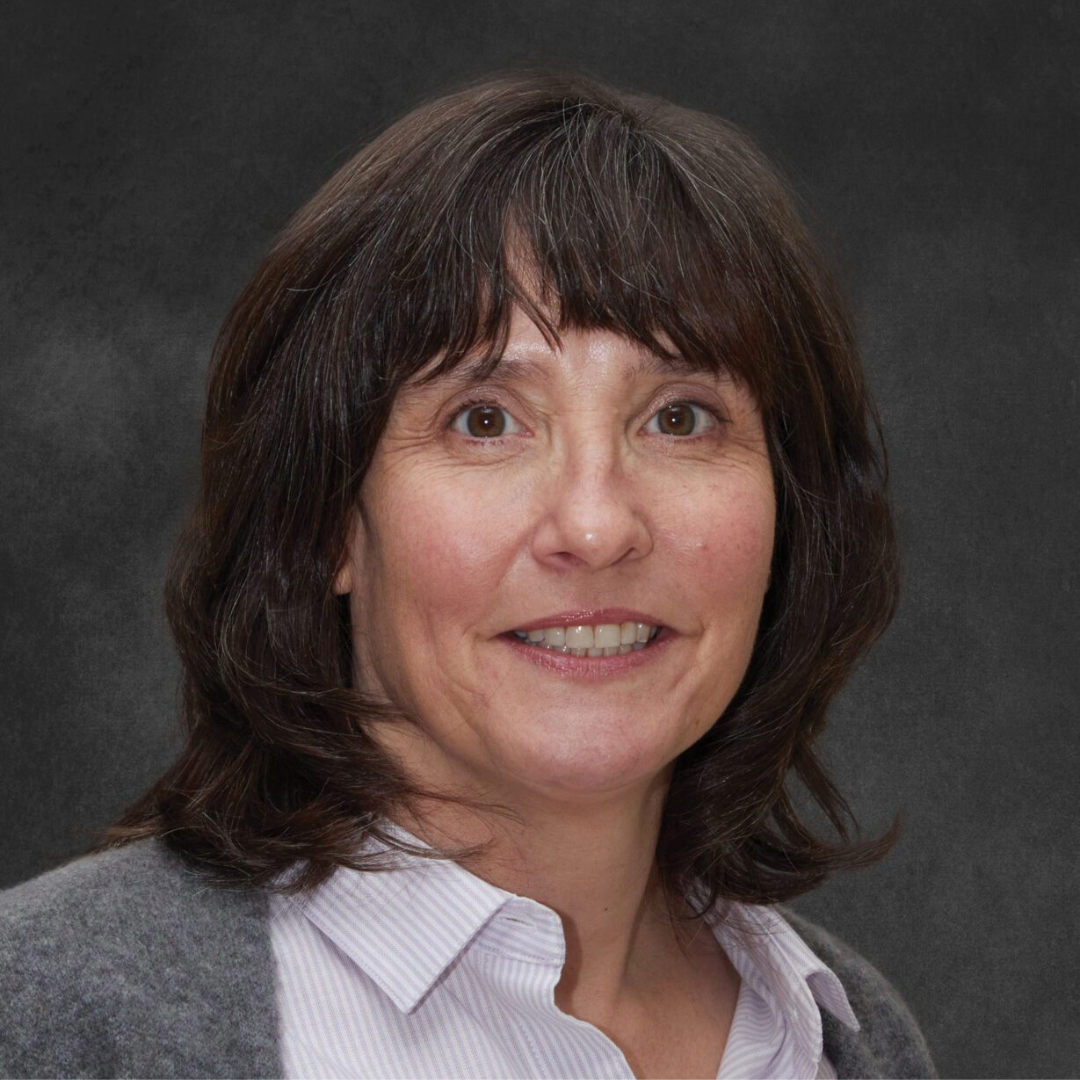
Dr. Meredith Morris has been awarded a Fulbright Specialist grant to strengthen international research and training partnerships between the Institute of Parasitology in the Czech Republic and the Eukaryotic Pathogens Innovation Center (EPIC) at Clemson University. This project brings together two globally recognized centers focused on understanding parasites that impact human and animal health.
The Fulbright award will support scientific exchange, collaborative research and shared training opportunities for students and early-career researchers. By building a sustainable bridge between the two institutions, the partnership between EPIC and the Institute of Parasitology will expand international opportunities, foster innovation and strengthen global networks in infectious disease research.
Beyond advancing laboratory science, this collaboration emphasizes professional development, cross-cultural engagement and preparing the next generation of scientists to work across borders to address complex global health challenges.
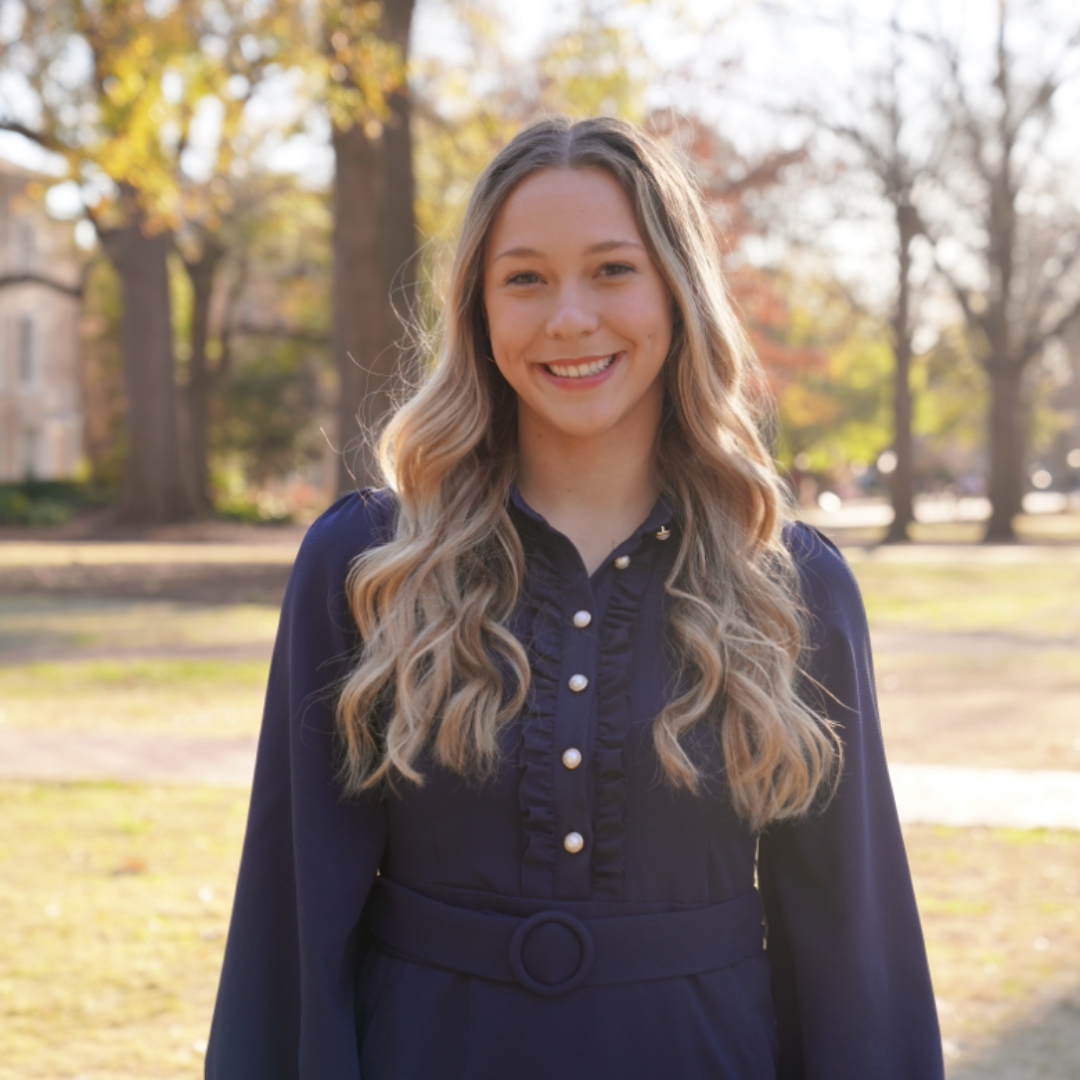
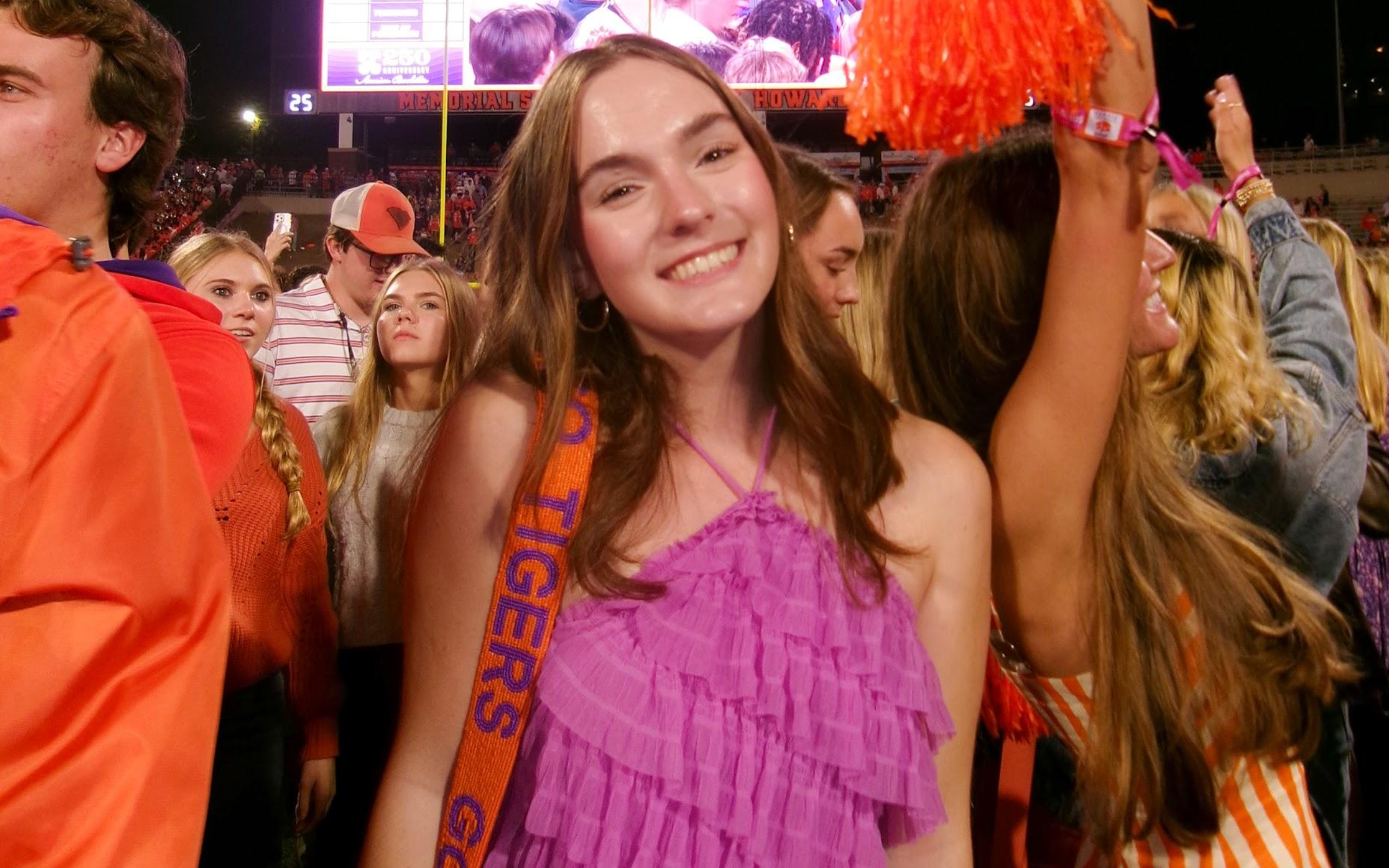
Freshman Elizabeth Polatty’s upbringing in a multicultural home, along with minor health challenges in childhood, drew her not only to Clemson, but also to science and biochemistry.
“I grew up in a multicultural Ukrainian-American family, which shaped how I see the world and why I’m drawn to science that serves people, especially across language and access barriers…I’ve always been repping orange and purple and cheering on the Tigers from my living room or from Memorial Stadium.”
Growing up in a Clemson family definitely steered Elizabeth when she was looking at colleges, however, when she was admitted into the National Scholars Program (NSP), it really sealed the deal for her.
“What made it a definite yes was being accepted into the National Scholars Program in the Clemson Honors College last spring. NSP has already made Clemson feel smaller in the best way! It’s given me an incredible community, pushed me to grow, and helped me plug into opportunities that match what I care about.”
Curiosity is truly what led Elizabeth to biochemistry — a desire to understand what unfolds at the molecular level and how that insight can translate into stronger prevention and more thoughtful care. Elizabeth is fascinated by how science connects to real-life health. This curiosity stems from personal health experiences, including numerous ENT appointments for hearing issues during her early childhood.
“The smell of sterile hallways takes me right back to childhood. I spent a lot of time in doctors’ offices and hospitals, and I still remember how much a calm voice, steady hands, and clear explanations could change an overwhelming moment into one that felt manageable. Those experiences didn’t just make me admire medicine; they made me curious about the science underneath it.”
As a freshman she was able to explore that curiosity by joining Dr. Michael Sehorn’s lab studying DNA repair, specifically homologous recombination (HR), and how the proteins RAD51 and DMC1 are regulated.
“The research looks at how cells keep their genomes stable by fixing DNA double-strand breaks (DSBs) that can happen from radiation, chemicals, or problems during DNA replication. It is exciting to be a part of the team and contribute to a bigger question. It’s made me feel like I belong in the scientific community here, even as a first-year student.”
In addition, Elizabeth has joined organizations that combine science with service, acting as the Chief Outreach Officer for Advancing Rural Communities through STEM Education (ARCS-Ed), a 501(c)(3) nonprofit that travels to rural and underserved middle schools to share about and make STEM feel exciting and accessible.
“We provide hands-on activities and lessons that help students actually do science, not just hear about it. I love it because it reminds me why representation and early exposure matter. I came from a rural community and a Title 1 school where STEM opportunities were limited. Thus, it’s been really meaningful to help students see themselves in STEM and leave with the confidence that they belong in those spaces, too.”
This winter break Elizabeth also had the opportunity to shadow Dr. Kevin Rust and Dr. Thomas Valenti at the Greenwood ENT Clinic during their office visits and surgeries at an ENT clinic.
“Their precision and calmness in surgery, and the way they communicate with patients during appointments, showed me how much trust a physician builds through their presence.”
Growing up in a multicultural home, science and medicine are not Elizabeth’s only interests. Additionally, she is deeply interested in discourse and rhetoric.
“I really enjoy learning languages and engaging with different cultures, which was sparked by my mom, who immigrated here from Ukraine, where the rest of my family still lives. Growing up around multiple languages and environments made me naturally curious about how people communicate.”
This interest has shaped how Elizabeth spends her time at Clemson outside of the classroom and lab – one of these ways is participating with Every Campus a Refuge (ECAR).
“…[ECAR] has been especially meaningful to me because it allows me to serve refugee families as they acclimate and resettle in the Clemson community. This semester, I joined a Creative Inquiry team that works directly with resettled families and helps teach ESL classes for English learners.”
Being part of ECAR has helped Elizabeth connect service with biochemistry and motivated her to think about a future that combines medicine with international and community-based work.
“After I graduate, I plan to attend medical school and pursue a career as a physician. The moments that have meant the most to me are when someone feels seen, heard and cared for, especially when language or cultural barriers could have made them feel invisible. Long-term, I hope to practice medicine and combine science with compassion, communication, and advocacy.”
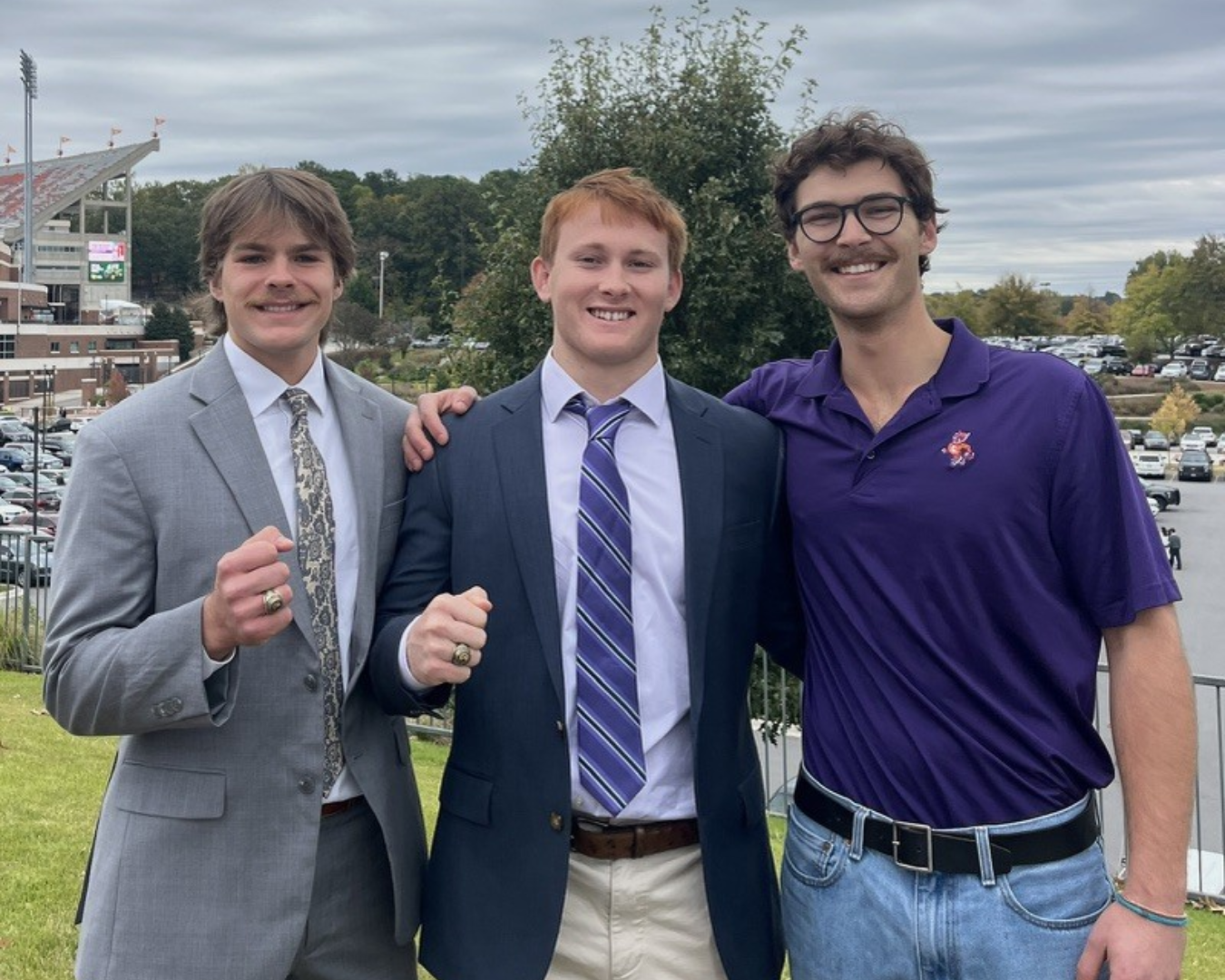
It’s true that even your toughest STEM students aren’t huge fans of organic chemistry – that’s not the case for junior Honor College student Walker Hussey. The subject even inspiring him to switch up his college path.
“I applied to Clemson as a biology major, however after taking Organic Chemistry I, I wanted to switch to biochemistry to learn more about the molecular interactions which lead to life. I am very happy I made that decision.”
Sophomore year, Walker started his role as a Peer Assister Learning (PAL) Leader on campus for Organic Chemistry I, where he can express and share his knowledge about organic chemistry by giving back to the Clemson community and supporting other students as they navigate this difficult subject.
However, if he had to pick a favorite class so far, it wouldn’t be organic chemistry. Instead, it has been Physical Approach to Biochemistry with Dr. Geoff Ford.
“I enjoyed the deep dive into the relationship between structure and function.”
Academically driven, what pushed Walker to Clemson was not only our beautiful campus and culture, but our scholarly environment as well.
“The first time I visited Clemson I fell in love with the campus. As well I felt a sense of academic community between students who supported and pushed each other.”
After switching from biology into biochemistry and getting into his core classes, Walker began to see and feel a small community forming all the way from his lectures to his labs to the hallways.
“The best part of being in the Genetics and Biochemistry Department is the helpful culture and tight knit group of students. As I began to take more major specific classes, I continued to see the same faces in lectures and labs which led to a familiar environment and a strong network of study partners and friends.”
Academically, aside from supporting students as a PAL Leader in organic chemistry, this semester, Walker joined the Department of Bioengineering’s Dr. Peng’s lab.
“I began a Creative Inquiry in Dr. Congyue Peng’s lab under Ph.D. student Madison Sexton, to study dental pulp stem cells (DPSCs) and gene expression using exosomes.”
Walker additionally participates in Greek Life on campus, joining Sigma Nu fraternity as a freshman. He has since taken on roles on the executive board, first serving as the risk manager and currently as the philanthropy chair.
While not busy on campus, Walker volunteers at the Golden Corner Food Pantry in Seneca, spends time in nature and with his friends.
“A fun fact about me is during the summers I work at a sailing camp where I teach kids 6-15-years-old how to sail.”
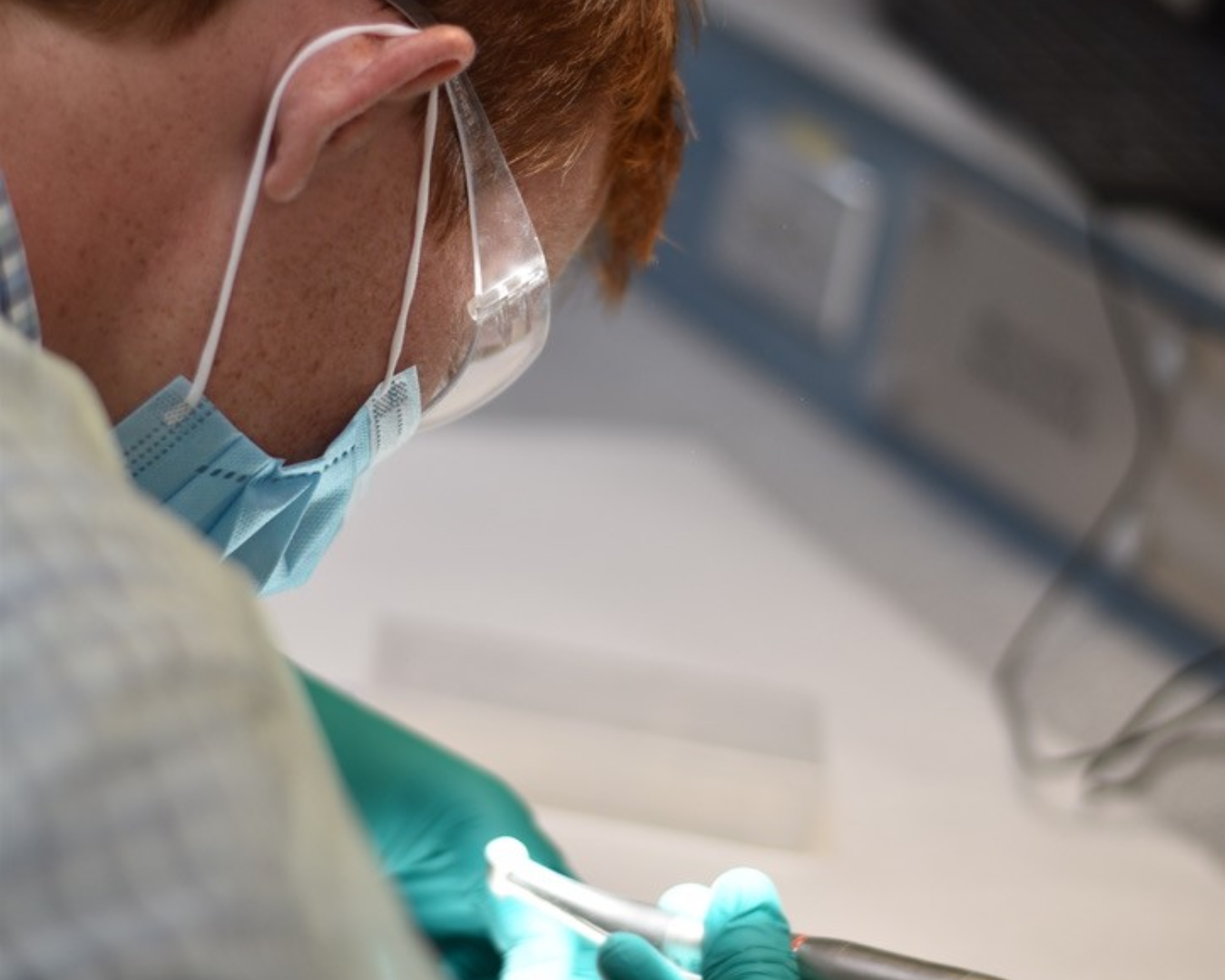
Walker has had future plans since high school, knowing that he eventually wanted to be a dentist and when he got to Clemson, he found out that our biochemistry program was the perfect place to start that journey.
“After I graduate Clemson, I plan to attend dental school and work toward becoming a periodontist or general dentist the down the line opening my own practice.”
When freshman biochemistry student Sarah Neighbor started to experience unusual symptoms in her senior year of high school, such as tightening of the throat and chest pain, she wondered if it was her severe peanut allergy.
“My throat started to tighten more frequently when I would go out to eat, which was such an uncomfortable feeling. Every time this occurred I was convinced I was having an allergic reaction.”
After an ER and a GI visit Sarah had an endoscopy and was diagnosed with Eosinophilic Esophagitis (EOE). At the GI doctor Sarah said he knew right away she had symptoms of EOE.
“Essentially the disease occurs when a large amount of white blood cells (or eosinophils) enters the esophagus and initiate an immune response, telling my body that something is going on. That is what causes the throat tightness, trouble swallowing and acid reflux.”
Sarah notes that people who have food/seasonal allergies, asthma or a genetic condition are more likely to develop the disease since they have an “allergic esophagus.”
Still managing her EOE to this day with medication, Sarah says, “This allowed me to experience first-hand what it is like to go through trial and error within the medical system and feel lost during a diagnosis. It is truly the most isolating feeling.”
Choosing Clemson
This experience with EOE gave Sarah a passion for research, which weighed heavily while searching for colleges.
“Everyone deserves an answer like the one I got, and that starts with scientific research.”
Sarah chose Clemson because of our strong STEM and undergraduate research programs, school spirit and beautiful campus. Biochemistry seemed to be the perfect fit for Sarah, in her own words, “combining biology and chemistry and offering flexibility.”
“Biochemistry allows me to be exposed to a diverse range of research areas and disciplines and to understand life at the molecular level which I find thrilling.”
Sarah recently joined Dr. Congyue Peng from the Department of Bioengineering’s Creative Inquiry Program. Sarah’s research in Dr. Peng’s lab focuses on early biomarker detection that is associated with the prognosis of triple negative breast cancer.
“I will be utilizing many techniques throughout this project, such as qPCR and cell culture. I am so excited to be back in the lab!”
Nationwide Children’s Hospital
After her junior year of high school, up until coming to Clemson, Sarah was a paid intern at the Nationwide Children’s Hospital in Columbus, Ohio, working in the Lynch Laboratory.
“During my time there, I worked on characterizing MHC class I and II molecules in laboratory ferrets, which are an important model for human lung disease and transplant rejection due to their similar immune responses and lung structure. Because many ferret MHC molecules are uncharacterized in the reference genome, there is a gap in understanding MHC variability and haplotypes, limiting transplant research.”
Sarah identified conserved and variable regions within MHC genes and designed PCR primers to amplify these variable regions. The primer design was successfully validated through gel electrophoresis, demonstrating an effective method to characterize unannotated MHC molecules and expand knowledge of the ferret genome for future transplant and immunological studies.
“This experience was probably the coolest thing I have ever done. I presented my research at the Ohio Junior Science and Humanities Symposium in March 2025 and won first place in the poster presentation category.”
Sarah also had the opportunity to present at the end of July 2025, which showcased the more recent research she conducted throughout the summer.
“I am so grateful to the Lynch Lab for mentoring me throughout high school and showing me what a passion for research truly looks like.”
Engagement on Campus
Besides Dr. Peng’s lab, Sarah has joined the Opinion Column for The Tiger Newspaper on campus. She just finished writing her first article. Take a look!
As a member of Pi Beta Phi, Sarah was recently elected to be the chapter’s Sunshine Chair for the next two semesters. Within this role she will be working alongside the Director of Lifelong Membership and Vice President of Member Experience to create programming that promotes mental health and sisterhood.
“I am excited to become more active in this position because I believe prioritizing mental health is so important. It is essential to create an environment where sisters can feel comfortable being honest about how they are doing, knowing that support is accessible without judgement.”
Looking Ahead
After graduating, Sarah plans on entering a graduate program and going into research that focuses on neuroscience, cancer and uncommon or under-researched diseases. Sarah has always been passionate about research and the opportunities it brings to change lives. However, after being diagnosed with Eosinophilic Esophagitis, her interest in uncommon diseases grew.
“I do not know anyone personally with this disease [EOE], so when I was initially struggling with it, I felt very alone. Over time, I realized that research in uncommon areas is more than important, because it advocates for those who felt alone like I once did. Everyone deserves answers and a cure, so I hope to be that for someone when I progress in my career.”