Genetics and Biochemistry News

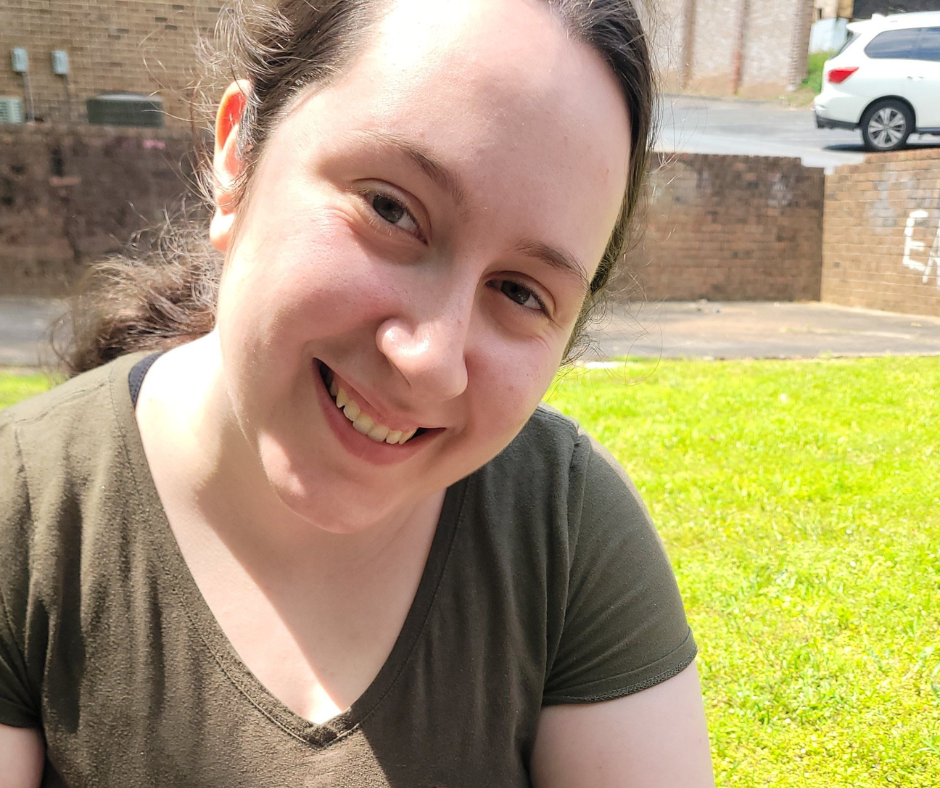
G&B Graduate Students: Kathryn Howe

Located at Clemson’s Center for Human Genetics in Greenwood, SC, graduate student Kathryn Howe recently completed her first year of Ph.D. research under assistant professor Dr. Tara Doucet-O’Hare.

“When I was taking classes in high school, I fell in love with chemistry and biology and really enjoyed learning about cancers and genetics.”

It was this love for science that led Kathryn to pursuing her bachelor’s degree in biochemistry and molecular biology at Mercer University in GA.

“While I was there, I was an active member of the marching band and served as band captain for two years. I love the classes and the chance to get involved in research early in my education.”

Kathryn’s primary research at Mercer was focused on bacteria and trying to design and test small molecules that would inhibit the production of biofilm without killing the bacteria.

“I also got to spend some time in Peru measuring the amount of mercury in the air around small-town gold shops and working with the engineering department to design and install mercury capture systems. It was through these projects and many others at Mercer that made my love for research really began to grow.”

After graduating, Kathryn took a position as a research technician at Johns Hopkins in the Gastroenterology Lab, gaining insight into academic labs, Ph.D. programs, clinical trial research and the versatility of the mouse model, which inspired her to pursue our Ph.D. program in genetics.

“I am currently working on transposable elements and their role in cancers, neurodevelopment and therapeutics. We use the chicken embryo model for a lot of our developmental work and the eggs come from right here at Clemson Poultry farm.”

Kathryn is a member of the Genetics and Biochemistry Graduate Student Association, where she plans to schedule social events for the Greenwood campus and encourage cross-campus interaction between the grad students.
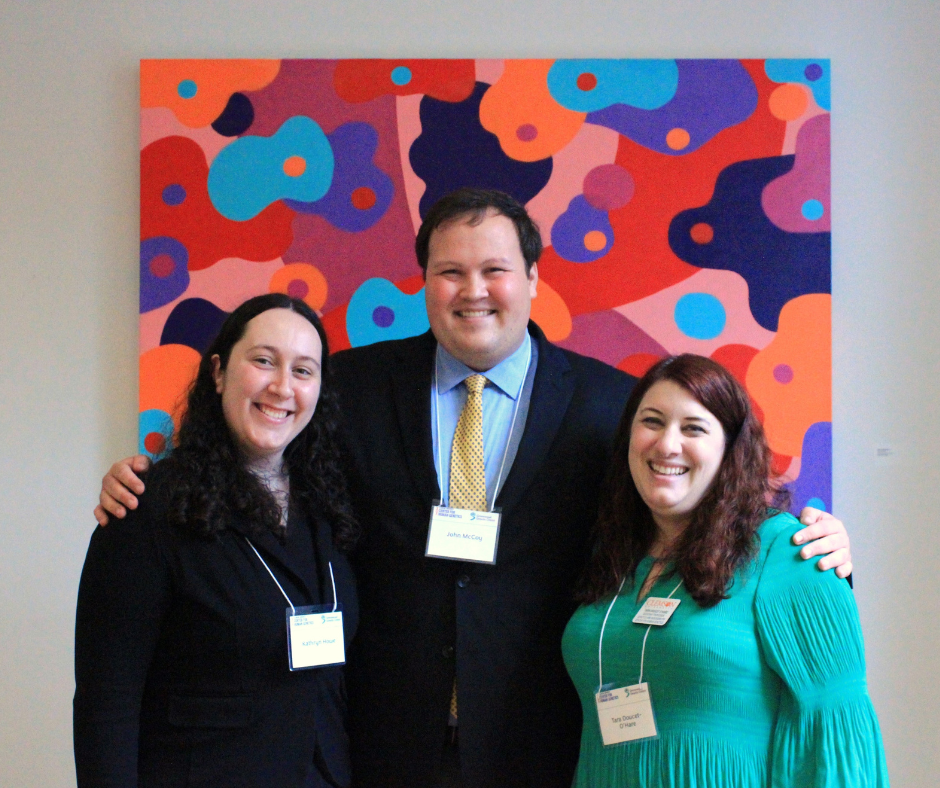
“I chose Clemson for my Ph.D. because of the resources they had for their students, the involvement of the students in each step of their thesis project and the supportive and friendly faculty and staff in the G&B department.”

After obtaining her Ph.D. Kathryn hopes to stay on the research side of things, continuing to work in a research lab setting, specifically cancer and genetics.

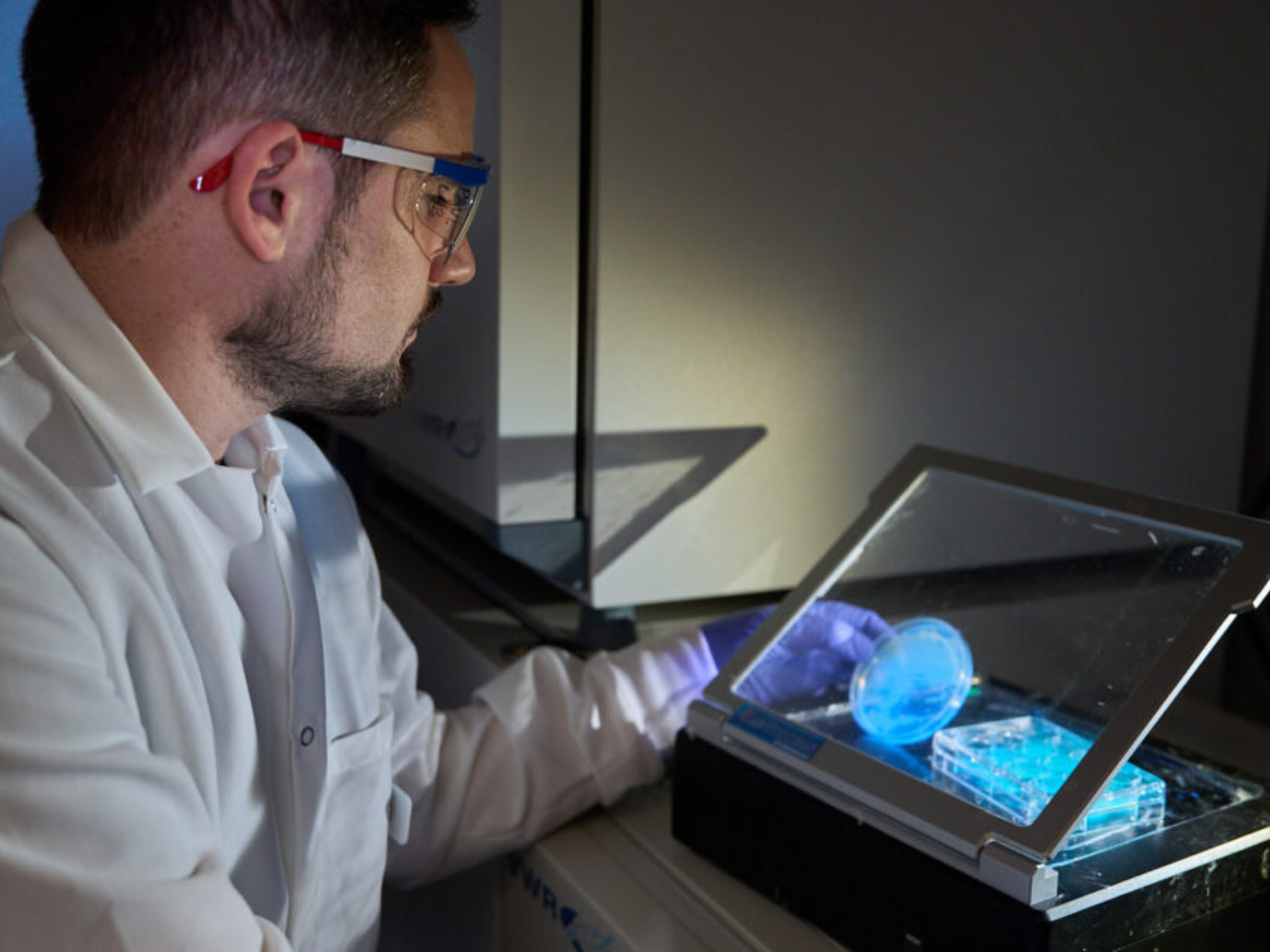
Facutly Feature: Dr. Stephen Dolan, Assistant Professor

Assistant professor Dr. Stephen Dolan studies microbial interactions in human infections, particularly the dynamics within polymicrobial communities that contribute to complex, multi-species infections.

Since joining Clemson University in 2023 as an assistant professor in the Department of Genetics and Biochemistry, his lab has been part of the Eukaryotic Pathogens Innovation Center (EPIC) — a leading interdisciplinary hub for cutting-edge research on devastating pathogens.

Dr. Dolan earned his Ph.D. in 2016 from Maynooth University in Ireland under the mentorship of Dr. Sean Doyle. His dissertation research employed comparative ‘omics and reverse genetics to uncover novel regulators of toxin production in the pathogenic fungus Aspergillus fumigatus.

Before coming to Clemson, Dr. Dolan was a Cystic Fibrosis Foundation (CFF) postdoctoral fellow in Dr. Marvin Whiteley’s lab at Georgia Tech and the Emory-Children’s Cystic Fibrosis Center in Atlanta, GA (2021–2023).

Prior to moving to the US, he was a Herchel Smith research fellow at the University of Cambridge, where he worked in Dr. Martin Welch’s lab. This fellowship allowed him to leverage comparative ‘omics techniques to study the key respiratory pathogen Pseudomonas aeruginosa, while also developing expertise in fungal-bacterial interactions in clinical settings.

Dr. Dolan’s research centers on respiratory infections in individuals with cystic fibrosis (CF), where abnormal mucus makes them vulnerable to a wide array of bacterial, viral and fungal pathogens. Rather than focusing on a single model organism, he has deliberately pursued broad training across multiple co-infecting human pathogens—most notably Aspergillus and Pseudomonas.

This comprehensive approach enables him to decipher the complex mechanisms of microbial communication during infection. By using clinical isolates from people with CF, Dr. Dolan explores how the physiology of both pathogens shifts when co-cultured in a model CF environment, compared to when they are grown in isolation.

Dr. Dolan’s research goal is to leverage this cross-kingdom perspective to uncover how fungi respond to bacterial presence (and vice versa) in polymicrobial settings. This insight is crucial for developing innovative therapeutic strategies that could revolutionize the treatment of microbial infections. Pathogenic microbes not only impose a significant burden on healthcare but also impact agriculture.

His research aims to elucidate the physiology and behavior of fungi during human infections, particularly in their interactions with bacteria. By advancing our mechanistic understanding of these processes, he seeks to contribute to the development of novel approaches to combat microbial pathogenesis.

An interview with our newest assistant professor Shyamalika Gopalan, Ph.D.

Dr. Gopalan was a postdoctoral scholar at the University of Southern California in the Center for Genetic Epidemiology and at Duke University in the Department of Evolutionary Anthropology. She joined the Department of Genetics and Biochemistry and the Center for Human Genetics at Clemson University as an assistant professor in late 2023.

What interested you in coming to Clemson University? I was drawn to Clemson University by the caliber of human genetics research being conducted here, particularly in uncovering the drivers of complex traits. It was also keen to be among colleagues that share a common goal of increasing the research profile of the university.

How did you get interested in your (degree, career, research)? I became interested in using genetics to understand human origins early on in my undergraduate program. I was fascinated by all the research coming out at the time that was discovering how human populations have been connected to each other throughout time. I chose to pursue a career in academia because I wanted to study how human history has shaped present-day patterns of genetic and phenotypic diversity. During my Ph.D., I also developed a strong interest in studying DNA methylation to better understand the impact of the environment on human traits.

What’s a short overview of what you do and hope to accomplish? Research in my lab focuses on unravelling the effects of past and present-day environmental pressures on the human genome and epigenome. The goal of our work is to gain a more complete picture of how natural selection and molecular biological processes interact to shape human phenotypes.

What have you discovered in your research? A lot of my research focuses on human populations that tend to be under-represented in genetics research. As a result, I have been able to find that the effects of aging on DNA is not the same across different populations, potentially due to differences in genetics, environmental exposures, or both. I have also found that the genetic diversity that exists among populations is a powerful tool that can increase our power to detect relationships between genes and traits.

What do you hope to teach our students? Humans are a diverse species in so many ways, but we are also a very young species. Because of our relatively recent common ancestry, we are all very similar to one another from a genetic perspective. Research in our field often focuses on human difference, for good reason, but I think it is important for us to convey this bigger picture to our students and to the public.

What do you like to do in your free time? I like to spend my free time outdoors tending my backyard garden, biking around town, or going for a hike. I also enjoy cooking, indoor rock climbing, and hanging out with my cat.