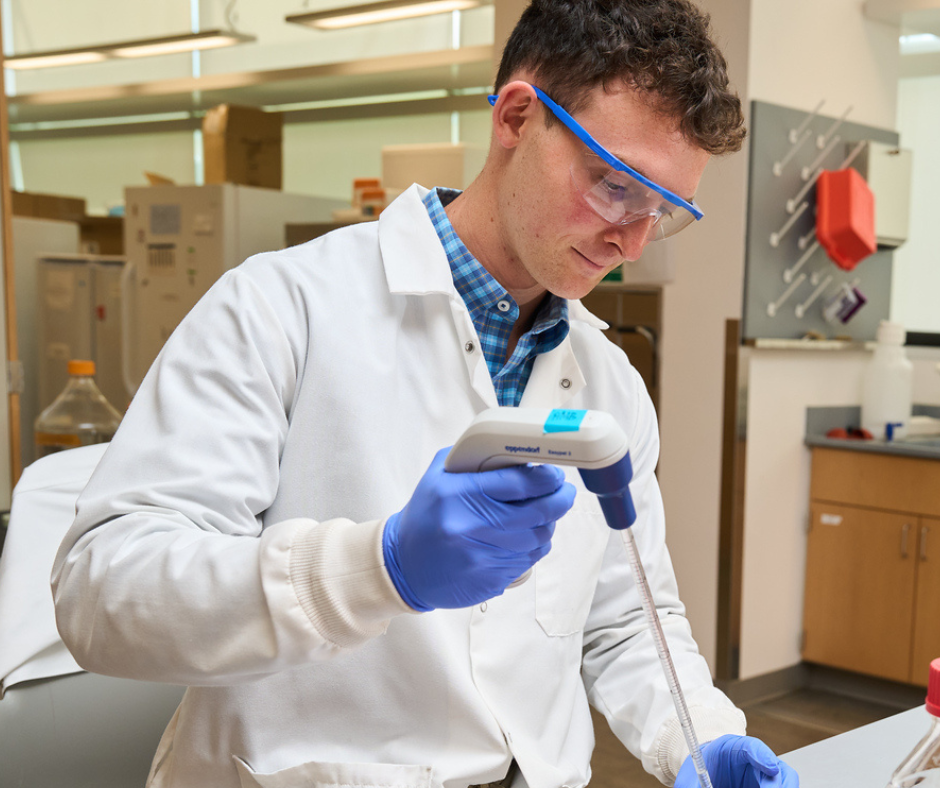
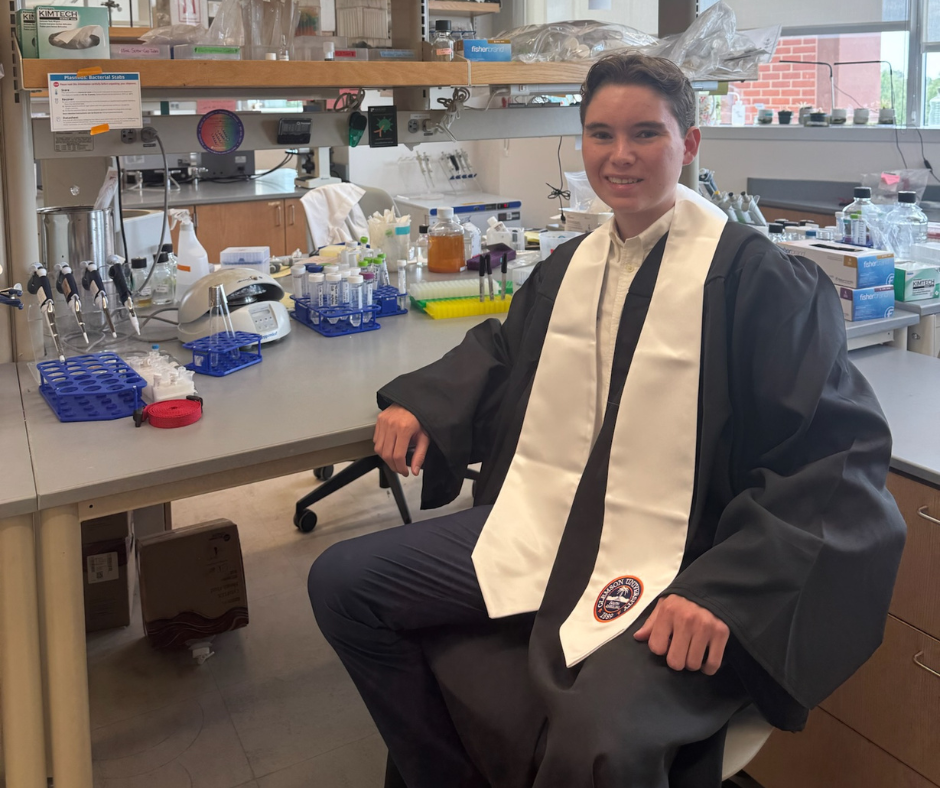
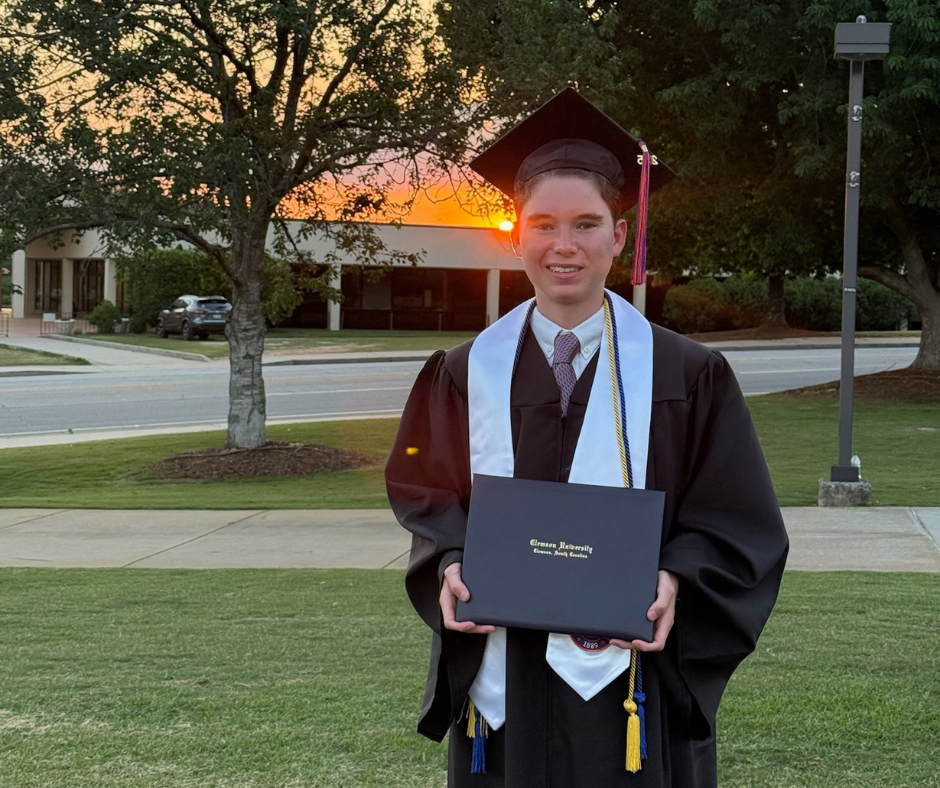
When Colm Roster was studying molecular genetics at the State University of New York at Fredonia (SUNY Fred), he spent a summer working with Dr. Jim Morris as part of a Research Experience for Undergraduates (REU) program. When he graduated from SUNY Fred, he chose to move to Clemson and pursue our Ph.D. program in biochemistry and molecular biology (BCHMMB) with Dr. Morris.
“I appreciated not only how talented of a scientist Dr. Morris is, but also how passionate he is about his work and how dedicated he is to cultivating a familial lab environment. I chose to pursue the BCHMMB program because enzyme structure, kinetics and regulation have always been a captivating research field to me.”
As a smaller university, SUNY Fred allowed Colm to grow close to his classmates and build a community. Undergrad research is where Colm found his love for the field and made him feel like he was the first person in the world who actually knew something, which lit a fire in him.
“SUNY Fred also allowed for me to connect strongly with the faculty there and get involved in research. This allowed me to learn from people whose passion was teaching which no doubt shaped how passionate I am about my work and how I think about science. I hope to pursue a career in parasitology research because I like how weird the biology of these organisms is.”
Currently, Colm is working towards his Ph.D. in the Morris lab, focusing on understanding an extrachromosomal DNA element in the brain-eating amoeba.
“We are trying to identify the DNA sequences that serve as an origin of replication and promoters to drive gene expression. I also do a lot of our recombinant protein work and enzyme kinetics as well as some drug screening.”
Outside of the lab, Colm is grateful for the people he’s met and interacted with at the university, specifically with our weekly seminar series. Every Friday during the regular semester, the department brings in a distinguished member of the scientific community to give a seminar specifically for the graduate students.
“I get to meet and listen to talks on a wide variety of topics from people who are way smarter than I am. But further than that the students and faculty are very welcoming, kind and always open to giving advice.”
Colm is originally from Chincoteague, Virginia, “where they swim horses across the bay,” but spent most of his life Le Roy, NY – “the birthplace of Jell-O and stringless string beans.” However, he plans to one day live in a remote cabin in the woods.
In his free time Colm enjoys being active, especially on the Morris Lab outings, including hiking Table Rock “one too many times,” listening to live music and discovering small new artists, always seeming to prefer the openers at concerts. He describes himself as a massive film buff and loves science books.
“I’ll do pretty much anything if it means I get to learn.”
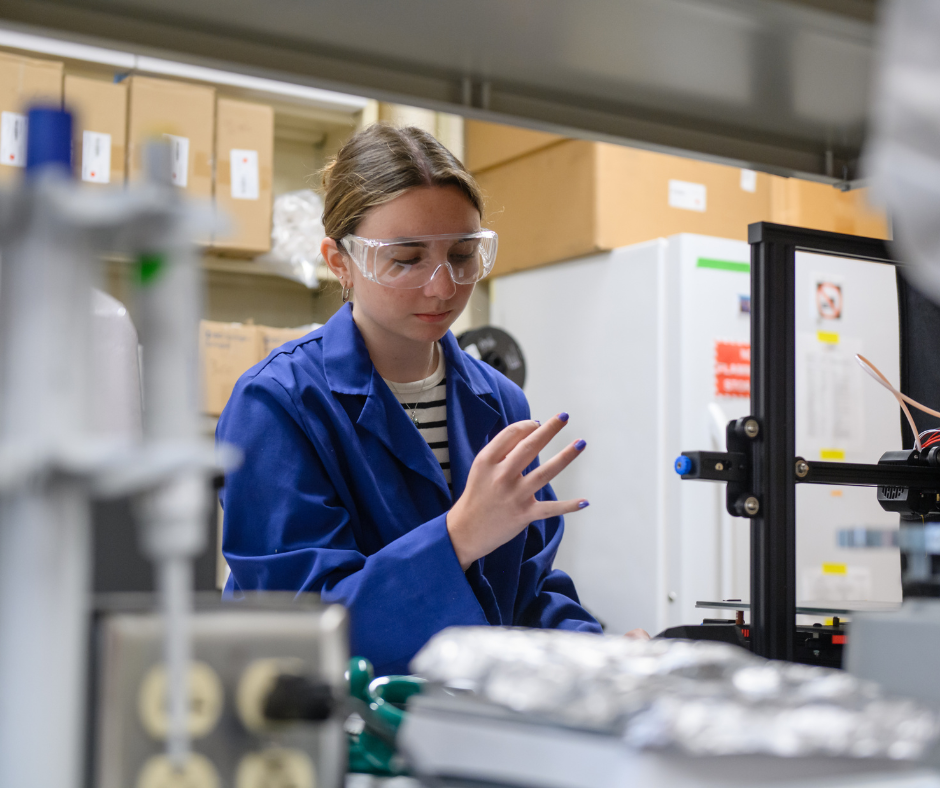
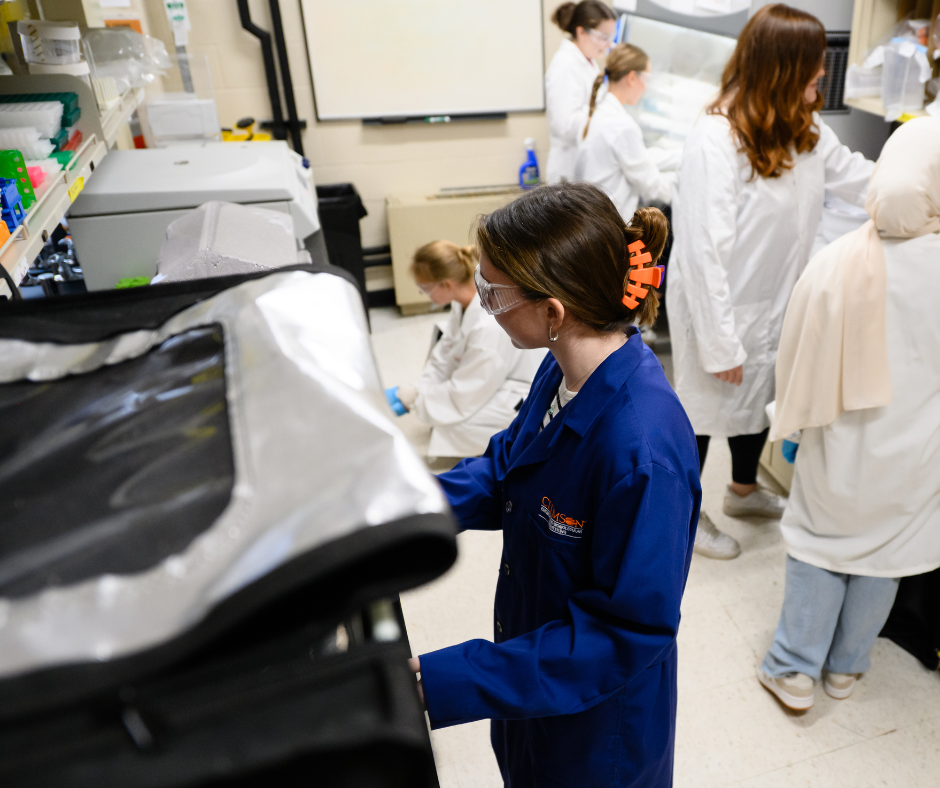
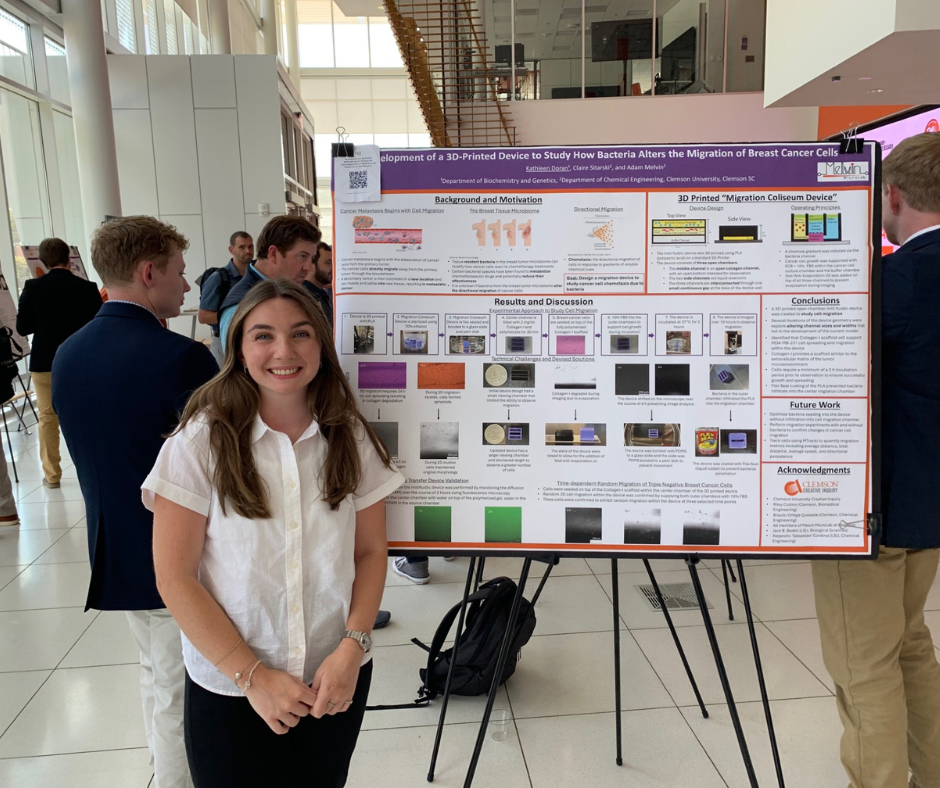
Kathleen Doran, junior biochemistry and genetics major from Stephentown, NY, stayed on campus this summer in working on Creative Inquiry (CI) project in Dr. Adam Melvin’s MicroLab titled “Biophysical analysis of the chemotactic response of different cell types exposed to various stimuli spanning the breast tumor.”
Coming into Clemson, Kathleen knew she wanted to be involved in research. She began searching for labs and came across Dr. Melvin’s lab and joined in the Spring of 2024.
“During the academic year I am a member of Melvin MicroLab, in the Department of Chemical and Biomolecular Engineering. My project focuses on the chemotaxis of breast cancer cells in response to bacterial presence.”
In the fall of her freshman year, Kathleen took Careers in Biochemistry and Genetics, which is where she learned about the Creative Inquiry Program. Kathleen’s Summer CI project focused on the development of a 3D printed device to study how bacteria alters the migration of breast cancer cells.
“Currently, there are few studies that have been able to identify if bacteria from the breast tumor microbiome alters the directional migration of cancer cells. Our work hopes to visualize cancer cell chemotaxis due to bacteria.”
Kathleen notes that the Summer CI Program has been a wonderful experience to continue her ongoing research and get to know more about the work being done by others within the Melvin lab.
“I loved getting to know what other people are working on, and having the opportunity to discuss issues that other teams may have struggled with and sharing different approaches to address complications. Working in the Melvin Lab has been one of the defining experiences of my time here at Clemson.”
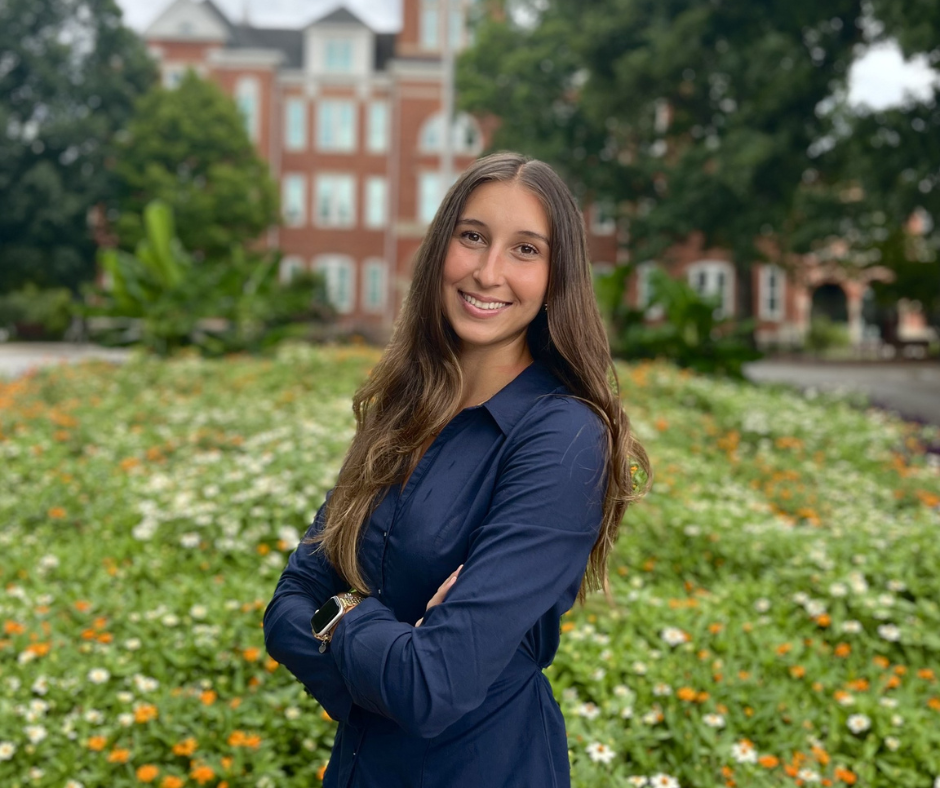
SOFIA BUFANO
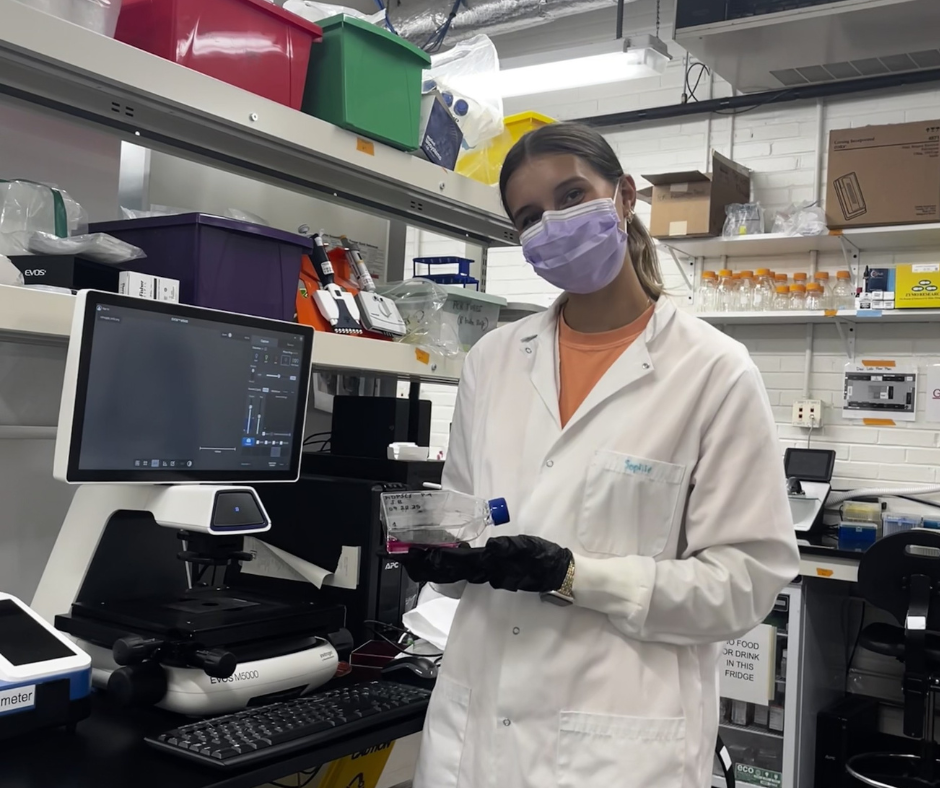
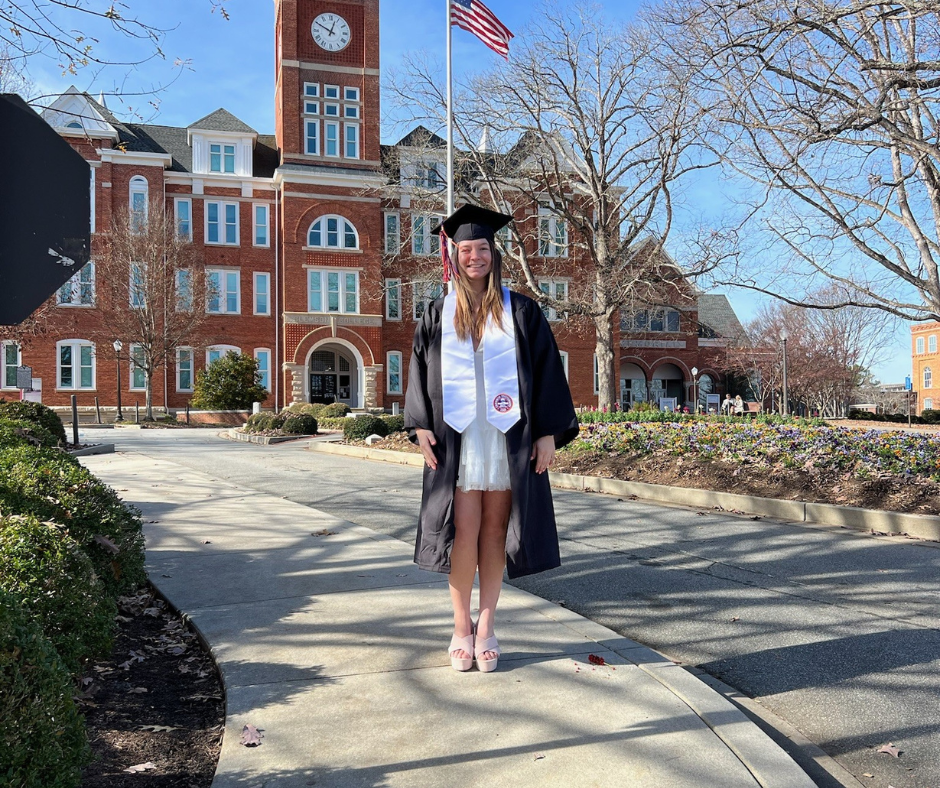
Senior international biochemistry student Sofia Bufano always knew she wanted to participate in a research lab during her academic career at Clemson and found the perfect fit in the Research and Education in Disease Diagnosis and Intervention Laboratory (REDDI Lab).
“I stumbled across Dr. Congyue Peng’s lab in the REDDI lab, and I liked her publications and her current research in the pathology field. I joined the lab spring semester of freshman year, and I’ve been an undergraduate researcher there ever since.”
This summer Sofia participated in a Creative Inquiry (CI) within the REDDI lab working on a project with the ultimate goal of differentiating human Dental Pulp Stem Cells into Motor Neuron Cells.
“So far, I have been taking care of my hDPSCs (passaging and changing media), and I performed RNA extraction, RNA to cDNA conversion, and qPCR to characterize the hDPSCs for specific primers we have selected, which will also be used to characterize Neuron Cells after differentiation.”
Sofia was nervous this summer to be in the lab and working on her own research project with new protocols and without any other lab partners. However, once she got used to it, Sofia felt beyond satisfied with her progress and research.
“The summer CI research was a life-changing experience on so many levels! Prior to this summer internship, I had in mind to pursue a Ph.D. in science after college, and this experience was the confirmation I needed that this path is the right choice for me.”
When Sofia was not in the lab, she used her free time to travel and spend time with friends and family, some of her closest friends staying in Clemson participating in CIs as well.
“We often got together after lab to chat about our experiments and watch TV. I also traveled quite a bit: I went horseback riding in the Dominican Republic, snorkeling in Curaçao, sightseeing in Aruba, and I spent some time in Hilton Head with friends and family.”
Sofia is Italian and officially became an American citizen in April and experienced her first American 4th of July this year!
CATLY NGUYEN
When Dr. Jim Morris was the guest speaker at a Biochemistry and Genetics Club meeting, senior biochemistry major Catly (Cat) Nguyen became interested in his research, leading to a position as an undergraduate researcher in the Morris Labs. This summer, Cat is participating in the Undergraduate Research + Creative Inquiry (CI) program, while continuing her research with Dr. Morris.
“Hearing Dr. Morris talk about his journey into research/molecular biology and his work was so insightful and interesting. It gave me the courage to email him and ask to join his lab as an undergraduate researcher.”
In the Morris Lab, Cat’s research focuses on identifying and localizing potential drug targets and understanding drug uptake in Trypanosoma brucei, a protozoan parasite that causes African sleeping sickness. Trypanosomes are so complex because their cellular mechanisms, like glucose metabolism, are not yet fully understood.
“Our goal here is expand our understanding of their cellular biology so that we can exploit it for drug targets.”
This summer, for her CI, Cat is specifically investigating how drugs and inhibitors are trafficked to glycosomes, which are specialized peroxisomes that house essential glycolytic enzymes.
“To do this, I’ve been working on purifying PTS-tagged (peroxisomal targeting sequence) eYFP proteins, which will help us characterize how these proteins are delivered to the glycosomes and potentially co-delivered with drugs.”
Another part of Cat’s research is working on another side cloning project where the goal is to find the origin of replication within a plasmid by dividing it into smaller fragments and amplifying them using specific designed primer pairs. Once one is discovered, they can clone EYFP into it, allowing N. fowleri to replicate the fluorescent protein independently and establish long-term expression of EYFP once it is transfected into the parasite.
“So far, I’ve had such an amazing experience in Dr. Morris’ lab during the summer. I’ve gotten to spend more time in lab, getting more work done, being able to see positive results, and most importantly expanding my understanding of molecular biology and biochemistry.”
Cat has been able to apply this experience to her lecture courses and has been able to interact with and learn from graduate students, whom she notes as great mentors. Cat knows this experience in the Morris lab will help her reach her future ambitions.
“From this experience, I hope to better prepare myself for a future in research. I am pursuing pharmacy school after undergrad and am planning on going into biochemical pharmaceutical research where I focus on drug discovery/delivery. So, working with Dr. Morris this summer has be extremely valuable to my future goals.”
Outside of her CI, Cat has been spending her summer planting, spending time with friends and families, cooking and baking, going to concerts, reading and traveling.
ALEXANDRA HARRINGTON
Currently working in the Creative Inquiry (CI) project Investigating the role of the TMLH (CNAG_05675) gene and the gBB (CNAG_00403) gene in the carnitine biosynthesis pathway in Cryptococcus neoformans, senior genetics and biochemistry major Alexandra Harrington strives to contribute and make a difference in the scientific community.
Alexandra is researching the carnitine biosynthesis pathway in the Eukaryotic Pathogens Innovation Center (EPIC) with its director Dr. Kerry Smith and plans to continue her research throughout the Fall semester as she pursues a Departmental Honors.
“I was very interested in the EPIC here at Clemson because it combines my majors in biochemistry and genetics and my minor in microbiology.”
For her CI, Alexandra is investigating the role of the TMLH (CNAG_05675) gene and the gBB (CNAG_00403) gene in the carnitine biosynthesis pathway in Cryptococcus neoformans, a fungal pathogen responsible for diseases like meningitis and pneumonia. Alexandra’s project aims to completely characterize the carnitine biosynthesis pathway, specifically genes TMLH and gBB, as it pertains to acetate metabolism and amino acid biosynthesis in the virulence of fungal pathogen C. neoformans.
“I have spent these past several weeks especially focusing on the TMLH gene, in which I have grown my C. neoformans wild-type in media and isolated its DNA, isolated my target DNA (TMLH), used PCR to amplify the TMLH gene and I am currently working to clone my TMLH gene into a plasmid and further confirm that transformation occurred using PCR and sequencing. I am working towards having all elements necessary to perform complementation using a gene-editing method called Transient CRISPR-Cas9 Coupled with Electroporation (TRACE).”
Through her summer CI Alexandra hopes to strengthen her critical thinking and problem-solving skills and deepen understanding of what she is learning in her classroom lectures and labs, particularly the techniques, processes and pathways, and apply them to real-world experiments.
“Through this project, I want a greater understanding of fungal metabolism and virulence. I have been able to isolate DNA, conduct many PCR procedures, interpret gel electrophoresis results, and I have learned the importance of designing primers as well as cloning target DNA into plasmid DNA.”
She was especially excited to work with the gene editing technology CRISPR-Cas9 that is becoming increasingly effective and vital in the fields of biochemistry, genetics and biomedicine to discover gene therapies.
“My project has already taught me how to learn by asking meaningful questions and how important it is to step back and find another route to a solution. In addition, I have thoroughly enjoyed being a part of a team, both developing connections with and learning from lab mates.”
Alexandra finds excitement in knowing that one day she may help discover something truly important to healthcare that makes a difference in someone’s life and sees this program as an experience that will help her get closer to achieving her career and life goals.
“It is rewarding knowing that this project has the potential to better understand pathogen virulence and to use this pathway as a target for antifungal drug treatments in the future.”
During the academic year, Alexandra participates in Dr. Kimberly Métris’ lab, Beta Beta Beta Biological Sciences Fraternity, the women’s lacrosse team, Clemson Hope, Kappa Delta, Clemson’s Sigma Delta Pi Hispanic National Honor Society and the Spanish club, Hablemos. When not in the lab this summer, she spends her time studying for the MCAT, attending baseball games, both Clemson and the Phillies, enjoying lake days with friends, golfing, walking on the dikes and reading.
Second year Ph.D. student Caroline Palmentiero ’23 studied microbiology in her undergrad but couldn’t seem to get away from biochemistry, choosing it for her minor and becoming a lab technician for G&B professor Dr. James Morris.
“My undergraduate research was in the microbiology department, and I enjoyed it, but it wasn’t quite what I wanted to pursue long term. I took molecular basis of disease with Dr. Morris. I became his laboratory technician and loved everything about the lab, his mentorship and the Eukaryotic Pathogens Innovation Center (EPIC), which is why I decided to continue research as a graduate student after I graduated in December of 2023.”
Caroline’s graduate research under Dr. James Morris focuses on the development of genetic engineering techniques and drug screening in the pathogenic free-living amoeba Naegleria fowleri, which is almost always fatal, but it remains highly understudied because of the rarity of exposure.
“I love the research that we do because we are developing new techniques that can provide novel insights into the organism and searching for new treatments that could potentially save lives.”
Caroline is unsure regarding post-graduation plans, but I could see herself pursuing drug/vaccine development or working in a clinical setting of some sort. Regardless, she is grateful for the opportunities provided to her at Clemson.
“I love the department, especially being in EPIC, because everyone is always so willing to help each other. There are so many people to turn to for advice and everyone really loves what they do.”
Outside of the lab, Caroline describes herself as a homebody and family-centered, spending time relaxing at home with her dog and fiancé either reading, watching TV, cooking or planning her March 2026 wedding.
Biochemistry alum Adam Gatch ’25 has received a Fulbright research award to study abroad in Munich, Germany at Ludwig Maximilian University. The Fulbright U.S. Student Program offers unparalleled opportunities to pursue graduate study, conduct research or teach.
Adam has respectfully declined the Germany Fulbright offer after earning a Churchill scholarship earlier in the spring, which allows students to undertake a one-year master’s program in STEM fields at the University of Cambridge in the United Kingdom. The Churchill Scholarship is seen as the most prestigious and competitive international science, mathematics and engineering award for post-undergraduate researchers.
Adam’s proposed project at Ludwig Maximilian University of Munich would have explored how early-stage medin aggregates interact with amyloid-beta in the brain, advancing a novel line of inquiry in Alzheimer’s research.
At Clemson, Adam conducted extensive biophysics research in the lab of Dr. Feng Ding, exploring molecular mechanisms of neurodegenerative disease. Gatch also volunteered at the campus food pantry, worked as a tutor and gained clinical experience as an emergency medical technician (EMT). He plans to one day lead an interdisciplinary laboratory dedicated to neuroscience discovery while working in academic medicine.
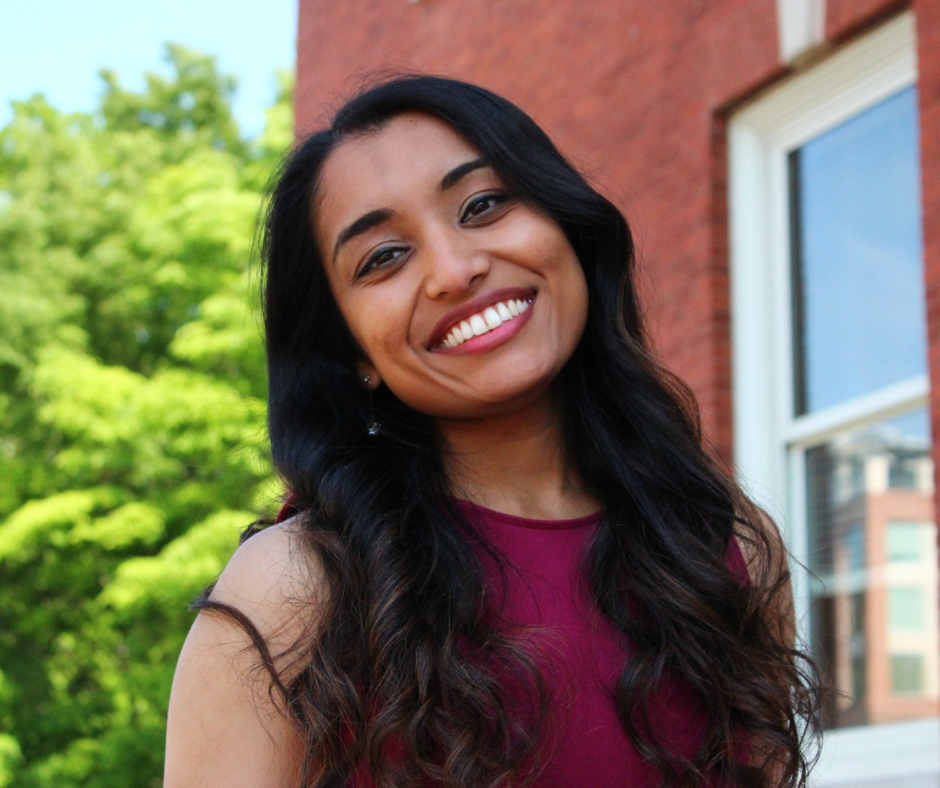
Shriya Amin ’22 has always had a passion for ancient history – partly due to reading the Percy Jackson series as a child. So, when she came to Clemson as a biochemistry major (quickly switching to genetics), minoring in history was a no-brainer.
During the spring semester of Shriya’s sophomore year, the COVID pandemic hit and everything went remote. Shriya didn’t want to get behind and also wanted to get involved in some way.
“During the summer of 2020, I was on two teams in the Clemson COVID Challenge – groups of Clemson, MUSC and Prisma Health students, along with faculty and staff worked to address issues highlighted by the pandemic in everything from medical challenges to societal discrepancies.”
One of the projects Shriya worked on was with the REDDI Lab at Clemson. She first started as a Collection Specialist, then as one of the two Undergraduate Supervisors, staying with this project until graduation.
Shriya was also part of Clemson Dholna, Clemson’s Bollywood fusion dance team since her freshman year.
“We performed at university and community events. It continues to be a wonderful and talented group of people, and I’ve loved getting to see the team grow and progress since graduating.”
During Shriya’s senior year she participated in virtual directed reading with Drs. Raquel Fleskes and Tad Schurr at the University of Pennsylvania. That same year, construction around the Gaillard Center in downtown Charleston unearthed an 18th century burial ground.
There were 36 enslaved individuals – called the Ansons Street Ancestors – buried there. With permissions from the local Gullah community, Drs. Fleskes and Schurr completed ancient DNA, stable isotope and osteological analyses on these ancestors to learn more about their lives and try to re-identify them as much as possible.
“I had found out about this project and worked out a directed reading project of bioinformatics with Dr. Fleskes. It was kind of my first foray into anthropology, and I really connected with how it focused on the human side of science.”
Shriya always knew she wanted to further her education and attend grad school; she just wasn’t sure where or what she really wanted to study.
“During my junior year, I sat down with Dr. Alison Starr-Moss to see how I could bridge the gap between ancient history and genetics, because I loved them both so much. She suggested I find some papers that connected the two and learn more the authors and see if they would be willing to speak with me.”
After reading Dr. Fleskes paper on the Anson Street Ancestors and participating in the directed reading, Shriya knew this was the path she wanted to pursue.
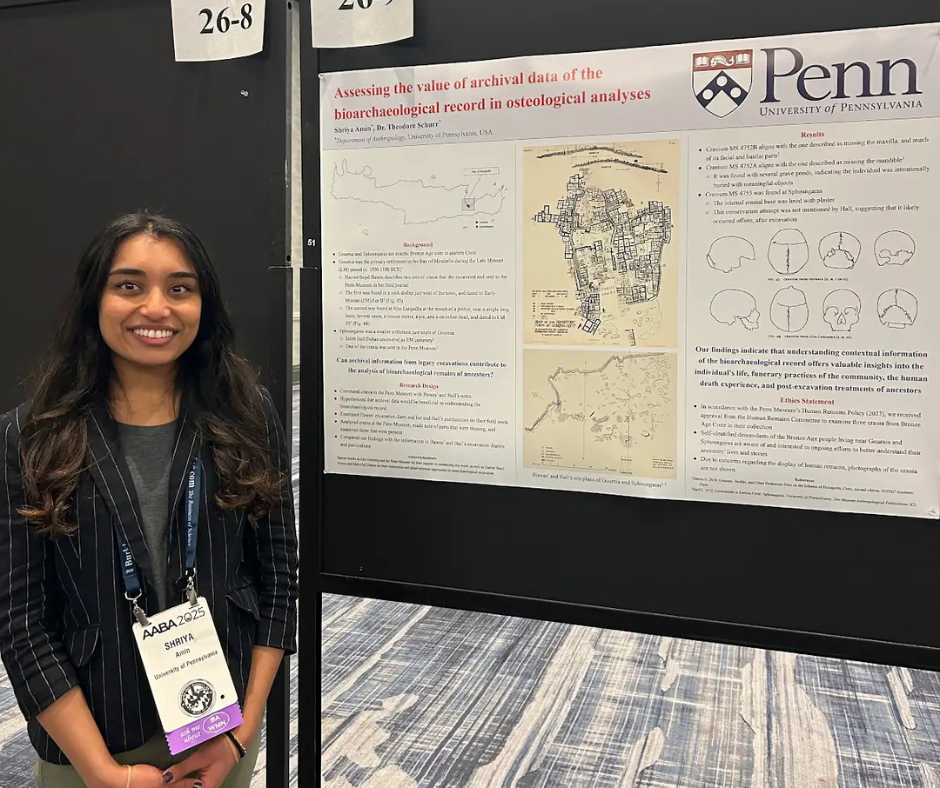
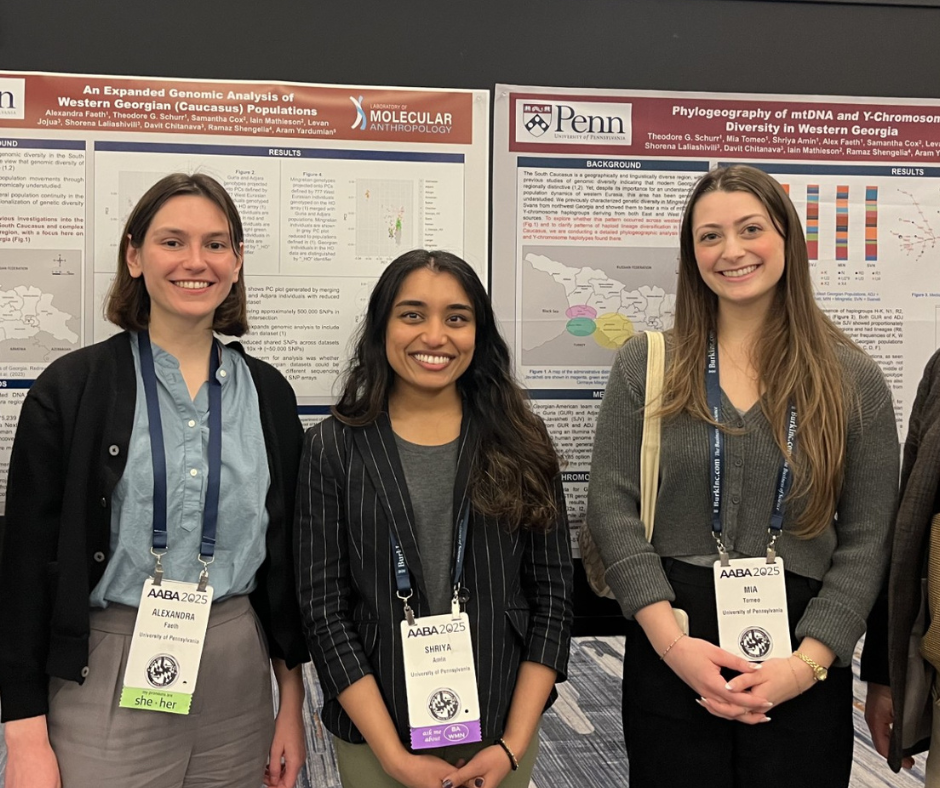
Shriya is currently working towards her Ph.D. in anthropology at the University of Pennsylvania (UPenn). She is in a subdivision of anthropology at the UPenn, which is biological anthropology – genetics.
“It’s similar to human genetics, but takes into further consideration the sociocultural, political and environmental aspects that can shape and affect the human genome and looks at genetics a little more holistically.”
Her dissertation project addresses questions of admixture and diversity: how population- and individual-level movements and migrations from the recent and more ancient pasts affect the genomes of current peoples.
“I’m part of a larger project that is working to characterize genetic diversity in the country of Georgia in the South Caucasus.”
Unsure of what lies ahead after completing her Ph.D. in anthropology, Shriya does know that she will work on making science more available to the population.
“Right now, I think I’d like to work in science publishing and outreach. The pandemic highlighted for me how poor scientific education and literacy is in the U.S., and I want to try to make science more accessible to non-scientists.”
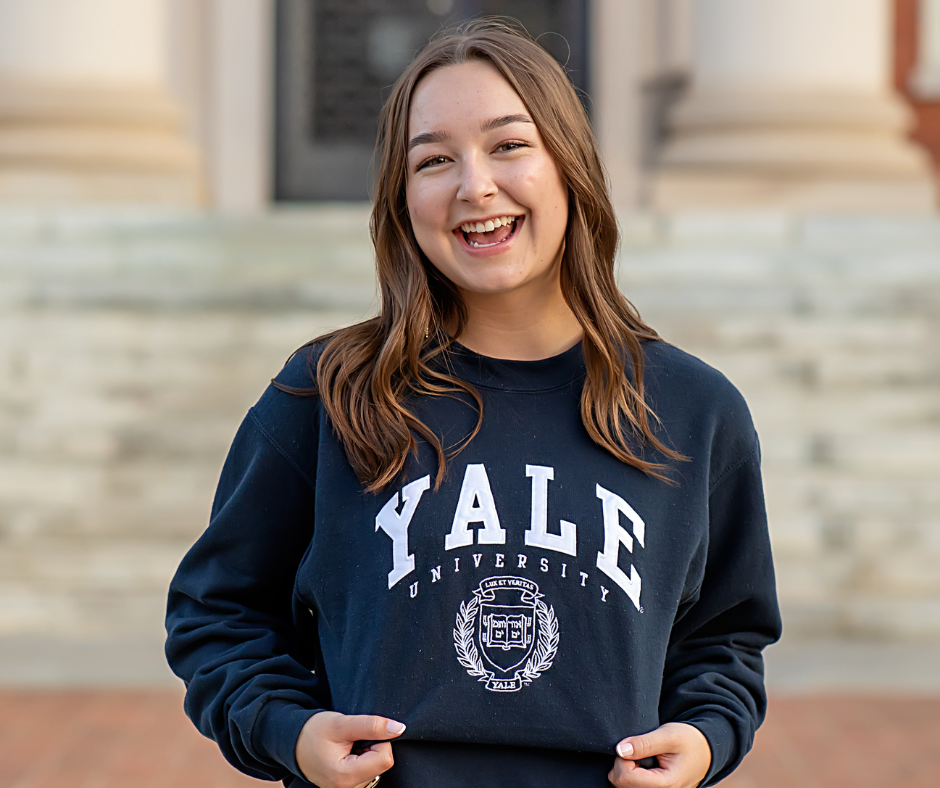
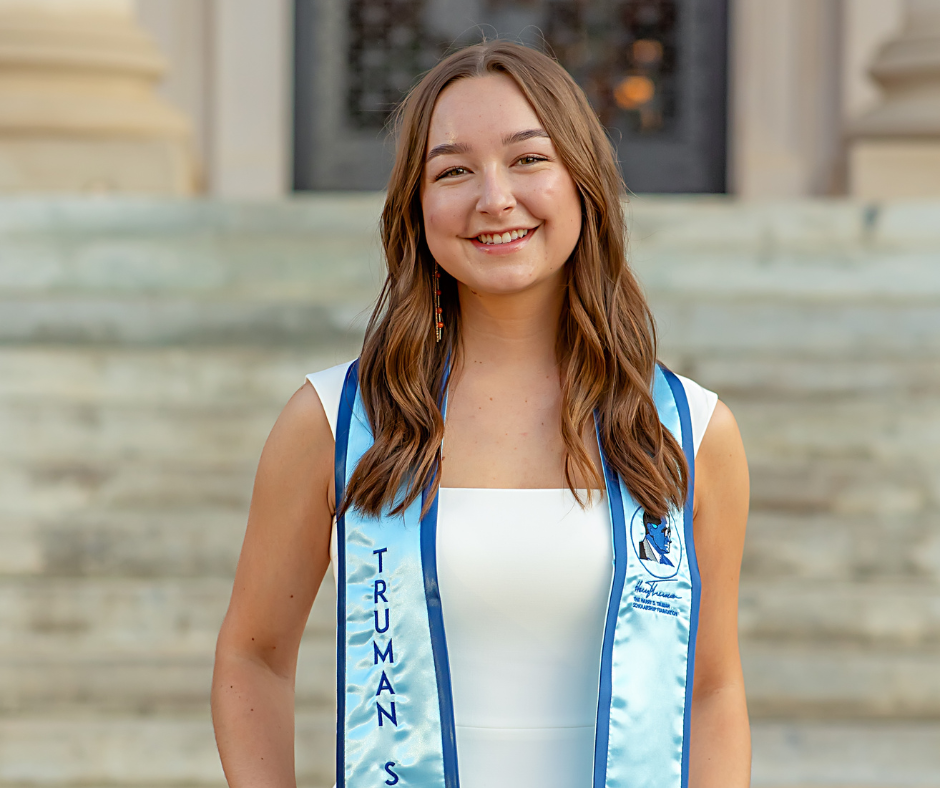
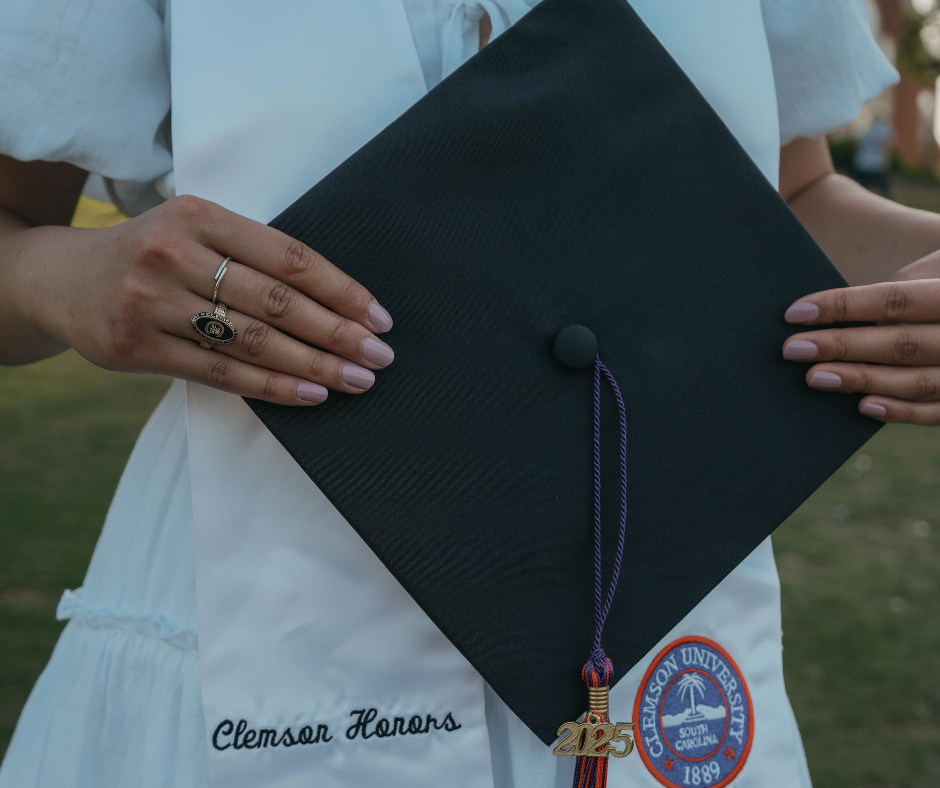
National Scholar Elizabeth Caldwell graduated with a degree in genetics in May 2025 and is headed to Yale University for a master’s degree in public health.
Since her freshman year, Caldwell has worked with Michael Sehorn, associate professor of genetics and biochemistry, focusing on DNA damage repair pathways in various disorders, including a rare immunodeficiency disease. Her passion stems from her own underresearched disorder, Ehlers-Danlos syndrome.
Her love for research led her to the highly selective pediatric oncology education program at St. Jude Children’s Research Hospital in the summers of 2023 and 2024, where she researched rare, cancerous mutations related to leukemia. On campus, Caldwell founded the Tigers 4 Accessibility club and volunteered at the Clemson Free Clinic.
Caldwell has been named a Truman Scholar and has received Clemson’s Norris Medal, the Matt Locke Leadership Award, the College of Science Outstanding Senior in Science Award, the Riley Institute’s Upstate Diversity Leadership Award, Dr. William Marcotte Outstanding Undergraduate Research Award and the Department of Genetics and Biochemistry Outstanding Senior in Genetics Award.
Eli Verdin, who is one minute younger than his twin brother Zack, always knew he would end up at Clemson, while Zack was more interested in the University of South Carolina. At the last minute, Zack changed his mind and enrolled at Clemson with Eli.
Both share an affinity for the sciences and graduated in May 2025 with degrees in biochemistry.
“It’s beneficial, both of us being biochemistry majors and taking similar classes, so a lot of times we help each other study,” Zack said.
While at Clemson, Eli and Zack conducted DNA repair research in assistant professor Jennifer Mason’s lab. After meeting Mason in a first-year genetics course, they started conducting research in her lab on a specific protein in the homologous recombination pathway, which repairs DNA. Eli and Zack say they’ve developed both research skills and life skills, such as time and project management while in Mason’s lab.
The twins were also involved in Prisma Health’s MedEx Academy program and volunteered with the Clemson LIFE Program and the Paw Pantry.
Eli hopes to go into orthopedics while Zack is eager to be a part of emergency medicine. They both were accepted to the University of South Carolina School of Medicine in Greenville and will start in the Fall of 2025.
At the 2025 Spring Research in Symposium (RIP) Genetics and Biochemistry graduate meeting, the G&B Graduate Student Association honored their outstanding students with awards.
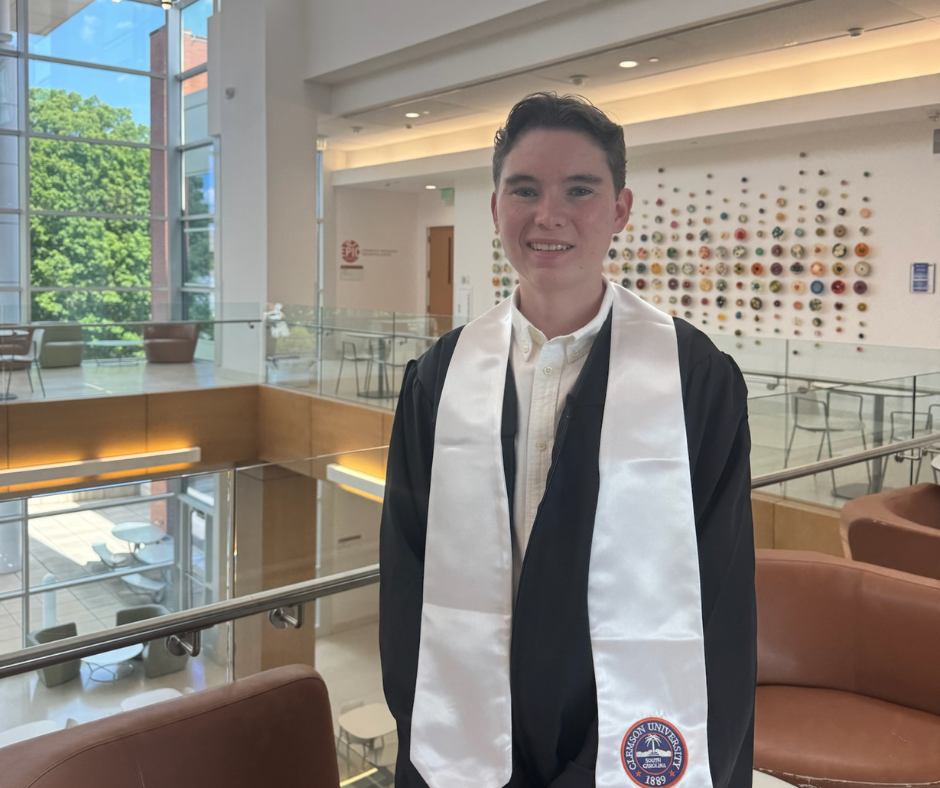
A Clemson native, May ’25 alum Griffin Thomas was a familiar face in the Life Sciences Building (LSB) during his undergrad, something that he looks back fondly on.
“Every day I looked forward to going to the LSB, knowing I would get the chance to talk to a past professor, a friend studying in the atrium, a member of the Genetics and Biochemistry staff or a member of the support staff.”
Griffin was a biochemistry major with minors in genetics and social sciences and was named an Eukaryotic Pathogens Innovations Center (EPIC) Seifert Scholar, served as the president of the Clemson Rotaract Club, a volunteer with the Cottingham Hospice House and a clinical research assistant in the School of Nursing.
Arguably, his most important work while at Clemson was his research in Dr. James Morris’ lab within EPIC where he studied the metabolism of T. brucei and Nagleria Fowleri in order to elucidate potential therapeutic targets.
After graduation, Griffin will be conducting research with the Department of Neurosurgery at Lenox Hill Hospital in NYC for a year prior to attending medical school.
“I hope this opportunity will prepare me to provide more informed and comprehensive care to my future patients and prepare me for a career in neurosurgery.”
Our G&B seniors graduated yesterday and among them was biochemistry student, now alum, Ruxi Xia. An international student from China, Ruxi enjoyed the strong biochemistry program Clemson had to offer, setting her up for future successes in research.
“I wanted a strong biochemistry program to set me up for success in cancer research as it has been my career choice since one of my family members passed from cancer.”
Ruxi was an intern at the Clemson Light Imaging Facility and participated in lab research at the Nanobiotechnology lab.
“I have worked on many independent immunofluorescence staining projects, learned to operate wide-field and confocal microscopes, and coordinated an imaging contest that receives entries from all over the world for that past three years.”
She has served as co-director for the Clemson Paw Pantry, president of the Clemson Chinese Students and Scholars Association and community service coordinator for the Clemson Rotaract Club, tutored at the Academic Success Center and acted as member of CUSG Campus Advancement committee.
“I have really enjoyed getting to help the community whether that is helping at the Clemson Community Care, local farms, and other shelters in the community.”
Her favorite moment during her undergrad was receiving her college ring at the Clemson Ring Ceremony with her best friends.
Ruxi plans to attend Columbia University for a Ph.D. in Biomedical Engineering.