Assistant professor Dr. Stephen Dolan studies microbial interactions in human infections, particularly the dynamics within polymicrobial communities that contribute to complex, multi-species infections.
Since joining Clemson University in 2023 as an assistant professor in the Department of Genetics and Biochemistry, his lab has been part of the Eukaryotic Pathogens Innovation Center (EPIC) — a leading interdisciplinary hub for cutting-edge research on devastating pathogens.
Dr. Dolan earned his Ph.D. in 2016 from Maynooth University in Ireland under the mentorship of Dr. Sean Doyle. His dissertation research employed comparative ‘omics and reverse genetics to uncover novel regulators of toxin production in the pathogenic fungus Aspergillus fumigatus.
Before coming to Clemson, Dr. Dolan was a Cystic Fibrosis Foundation (CFF) postdoctoral fellow in Dr. Marvin Whiteley’s lab at Georgia Tech and the Emory-Children’s Cystic Fibrosis Center in Atlanta, GA (2021–2023).
Prior to moving to the US, he was a Herchel Smith research fellow at the University of Cambridge, where he worked in Dr. Martin Welch’s lab. This fellowship allowed him to leverage comparative ‘omics techniques to study the key respiratory pathogen Pseudomonas aeruginosa, while also developing expertise in fungal-bacterial interactions in clinical settings.
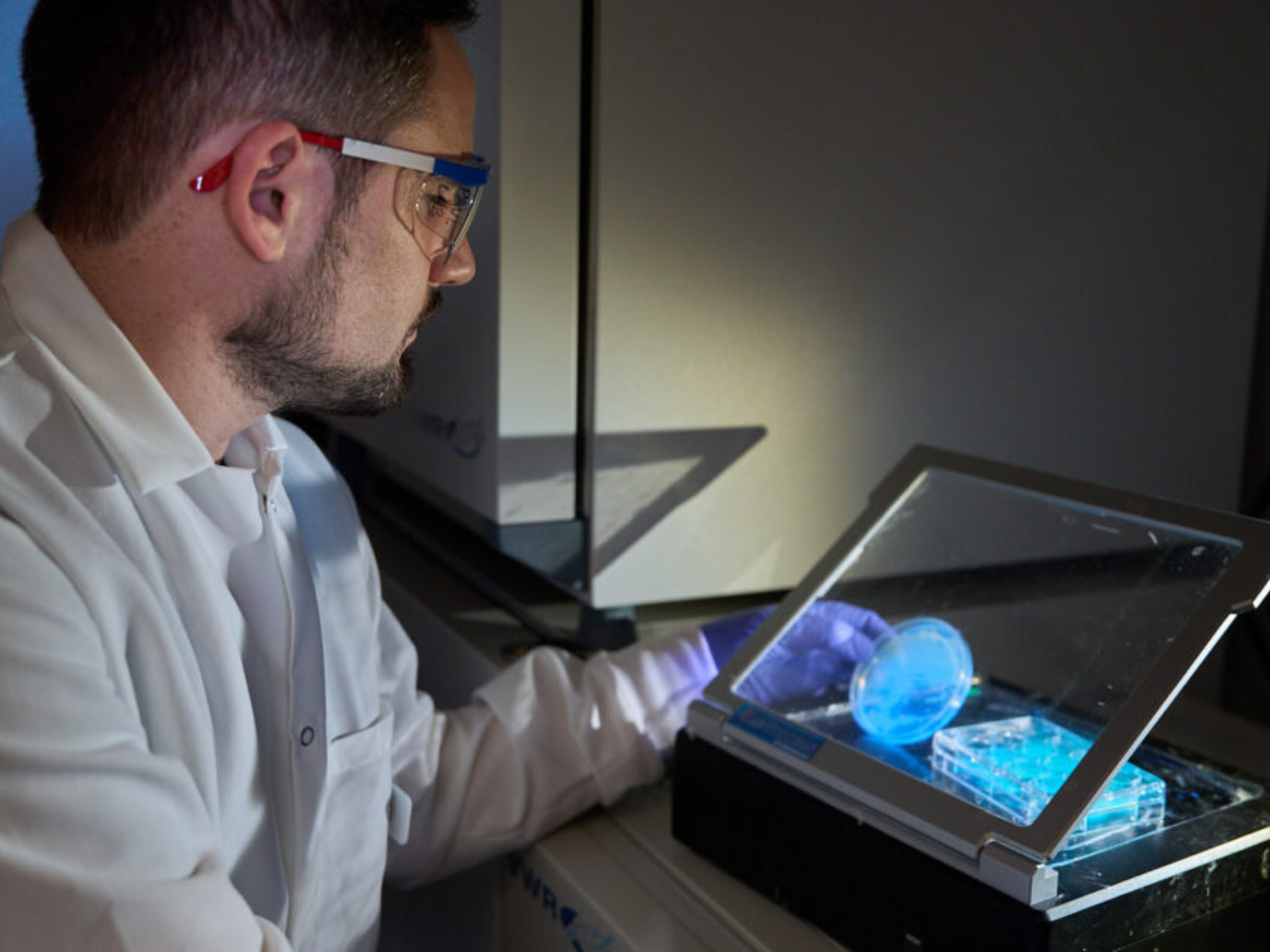
Dr. Dolan’s research centers on respiratory infections in individuals with cystic fibrosis (CF), where abnormal mucus makes them vulnerable to a wide array of bacterial, viral and fungal pathogens. Rather than focusing on a single model organism, he has deliberately pursued broad training across multiple co-infecting human pathogens—most notably Aspergillus and Pseudomonas.
This comprehensive approach enables him to decipher the complex mechanisms of microbial communication during infection. By using clinical isolates from people with CF, Dr. Dolan explores how the physiology of both pathogens shifts when co-cultured in a model CF environment, compared to when they are grown in isolation.
Dr. Dolan’s research goal is to leverage this cross-kingdom perspective to uncover how fungi respond to bacterial presence (and vice versa) in polymicrobial settings. This insight is crucial for developing innovative therapeutic strategies that could revolutionize the treatment of microbial infections. Pathogenic microbes not only impose a significant burden on healthcare but also impact agriculture.
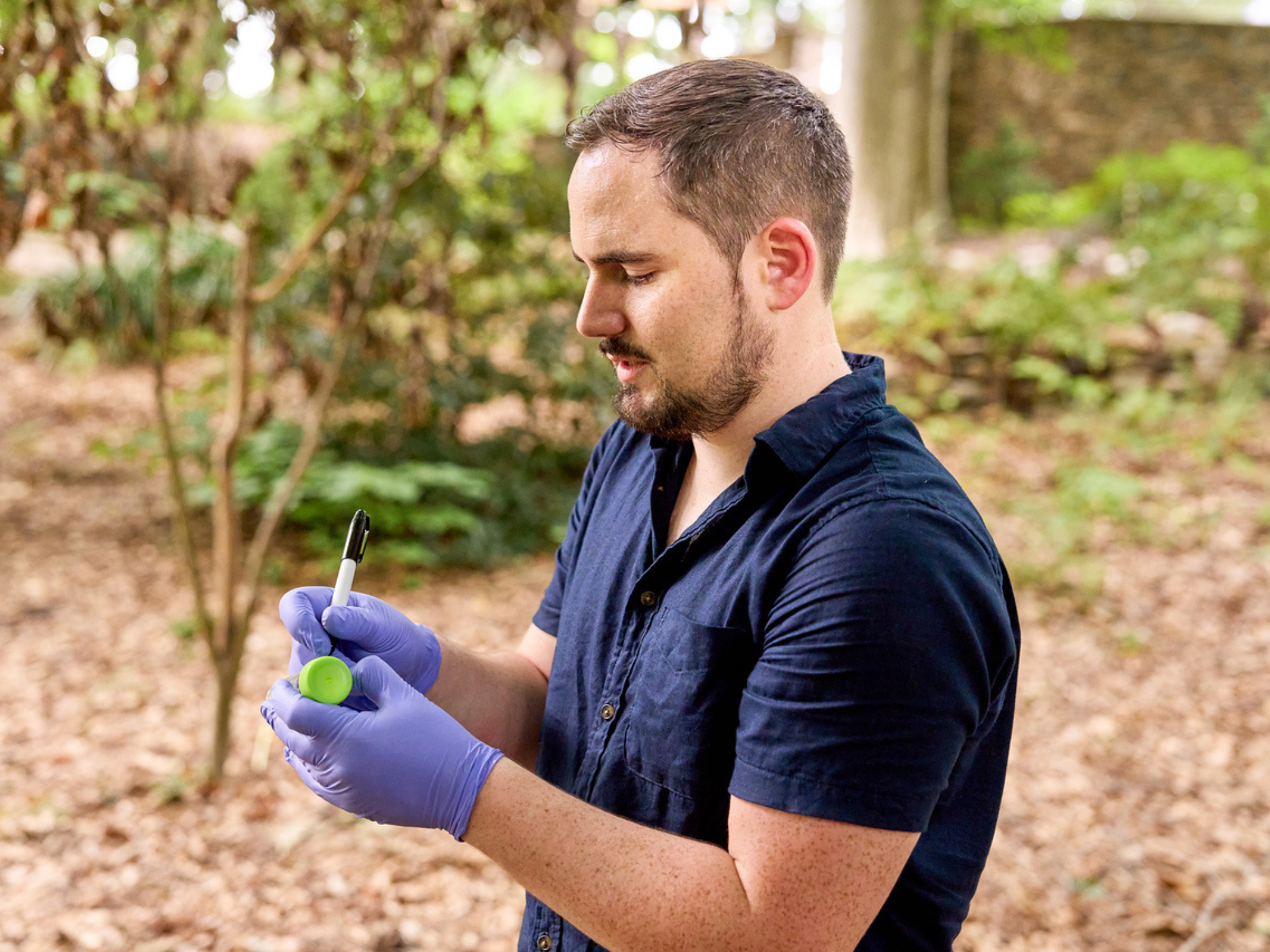
His research aims to elucidate the physiology and behavior of fungi during human infections, particularly in their interactions with bacteria. By advancing our mechanistic understanding of these processes, he seeks to contribute to the development of novel approaches to combat microbial pathogenesis.