Genetics and Biochemistry News

Our Students Are Volunteers: Ruxi Xia ’25

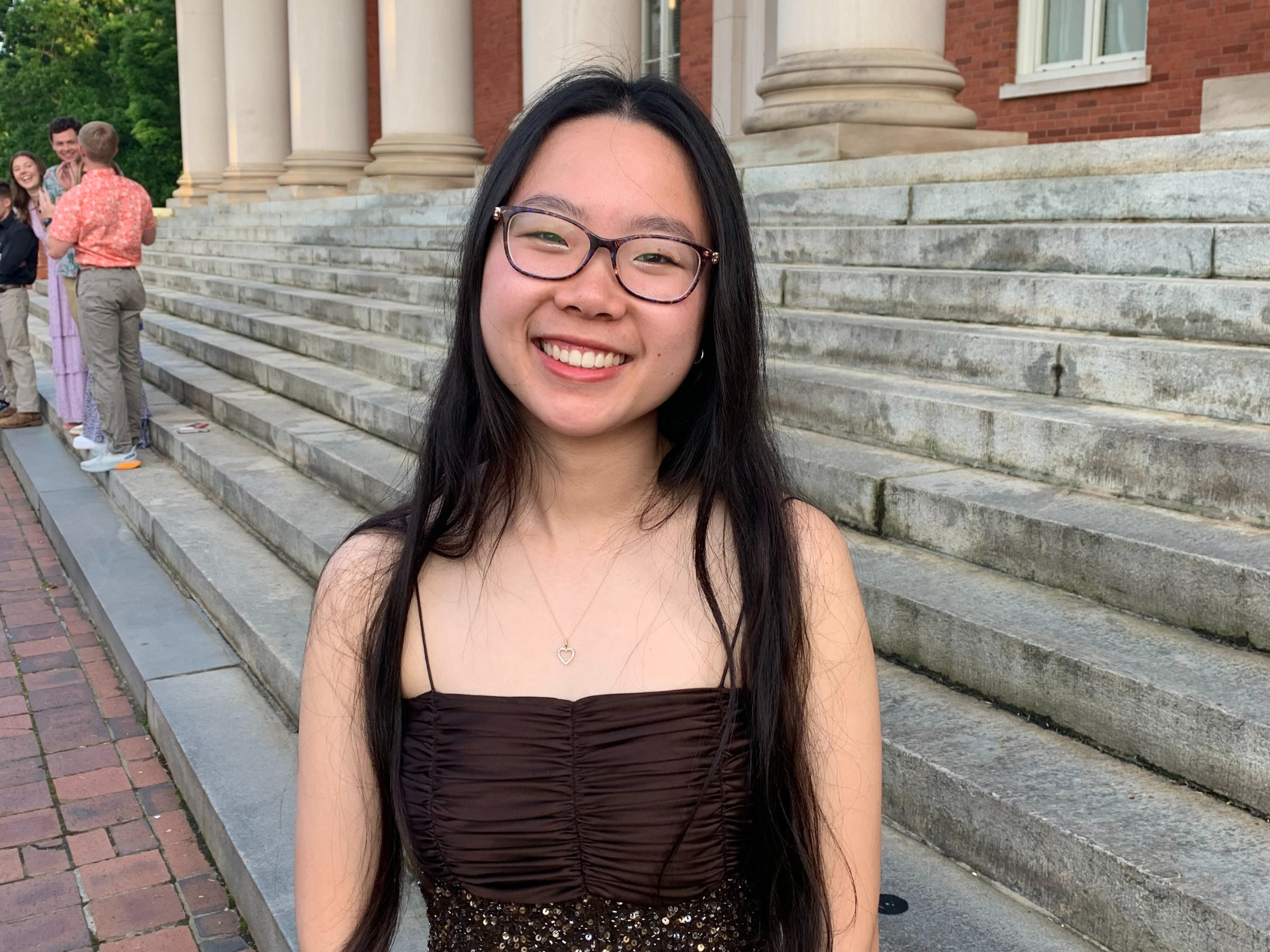
When senior biochemistry major Ruxi Xia was shopping for colleges, she began to get worried that she wouldn’t find the place for her because she wasn’t connecting at any of the campuses she toured at. That all changed when she visited Clemson.

“Clemson felt like home as soon as I stepped on the campus.”

Ruxi is an international student from Wuhan, China that came to the US in high school and lived with a host family. After high school Ruxi was excited to learn that Clemson had a robust biochemistry program.

“I wanted a strong biochemistry program to set me up for success in cancer research as it has been my career choice since one of my family members passed from cancer.”

Now that Ruxi is here, she is grateful to have been exposed to many foundational science courses that she says will set her up for success.

“I enjoy my upper-level professors, who are really passionate about science and have made me a much stronger student.”

Ruxi is not only involved in her routine academics on campus; she is a part of many different extracurricular activities including the Clemson Light Imaging Facility (CLIF).

“I have worked on many independent immunofluorescence staining projects, learned to operate wide-field and confocal microscopes, and coordinated an imaging contest that receives entries from all over the world for that past three years.”

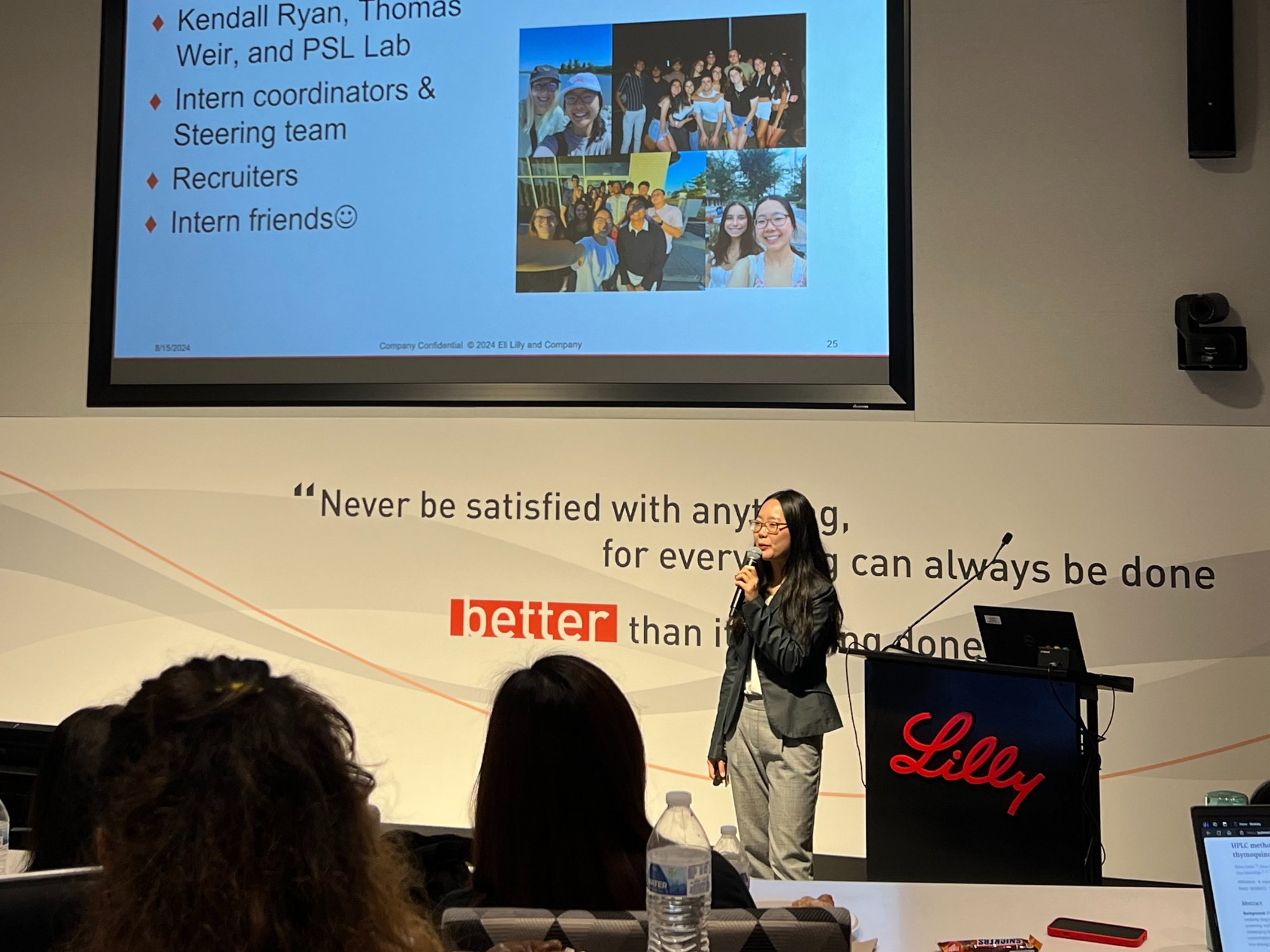
Ruxi also works in a bioengineering lab characterizing peptides to deliver siRNA for RNA interference applications in ovarian cancer, as well as using a 3D spheroid model to better study the tumor and has presented her research at five national conferences.
As a co-director for Clemson Paw Pantry since Spring 2023, Ruxi has enjoyed leading the executive team and spreading awareness for the initiative, tripling both the usage of the pantry and the number of volunteers. Ruxi is also a student tutor at the Academic Success Center and mentor for the Clemson College of Science Mentoring and Inclusion Collaborative (COSMIC).

In addition, Ruxi serves as an active member in student government, as the volunteer/community service coordinator for the Clemson Rotaract Club and as the president of the Clemson Chinese Students and Scholars Association (CSSA).
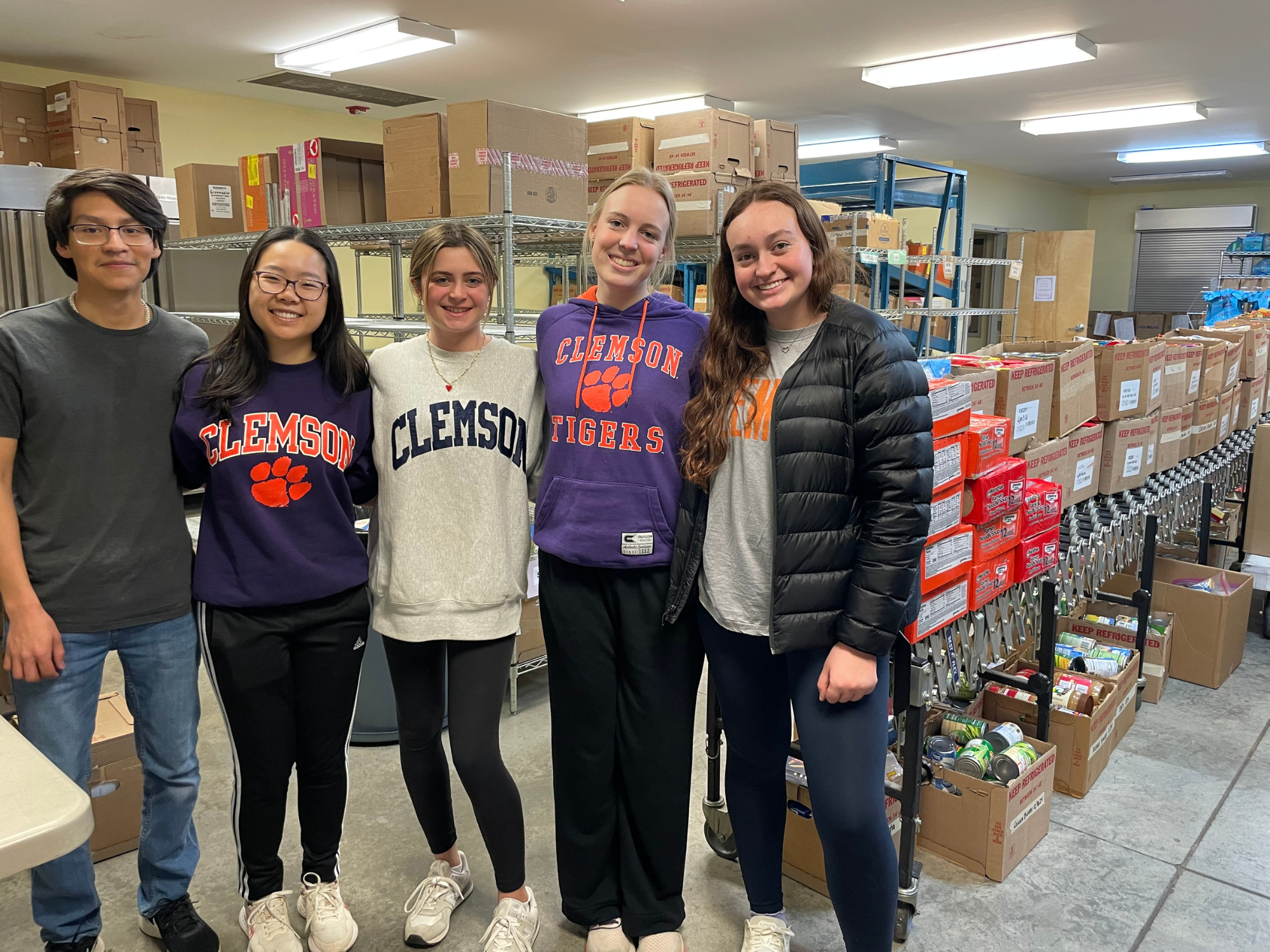
“I have really enjoyed getting to help out the community whether that is helping at the Clemson Community Care, local farms, and other shelters in the community.”

Ruxi went to high school in Virginia and enjoys baking, cooking and spending time with her friends trying new restaurants and coffee shops. After graduation, Ruxi plans to either pursue a Ph.D. in biomedical engineering or pharmaceutical sciences.

Our Students Are Driven – Adam Gatch ’24

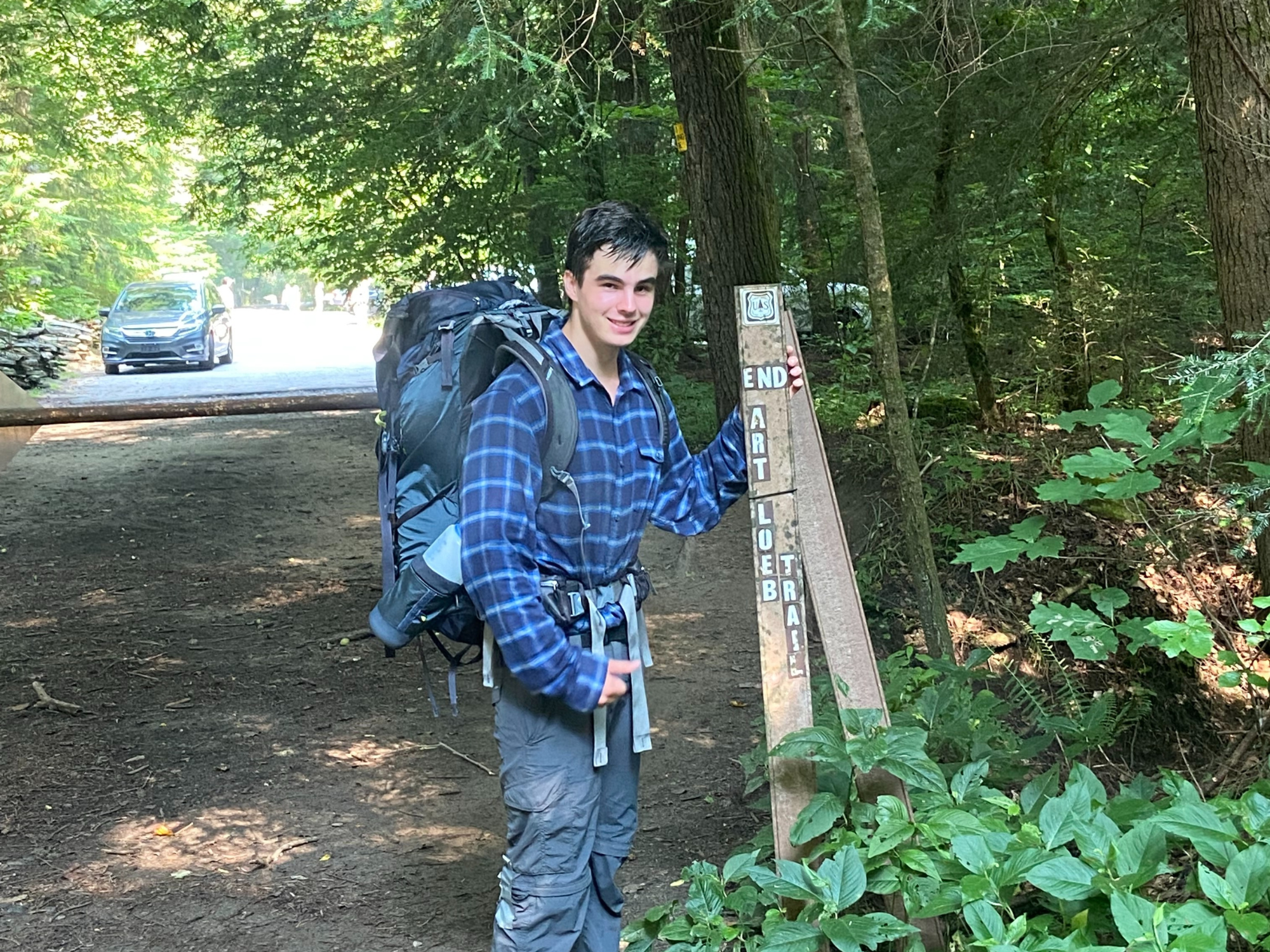
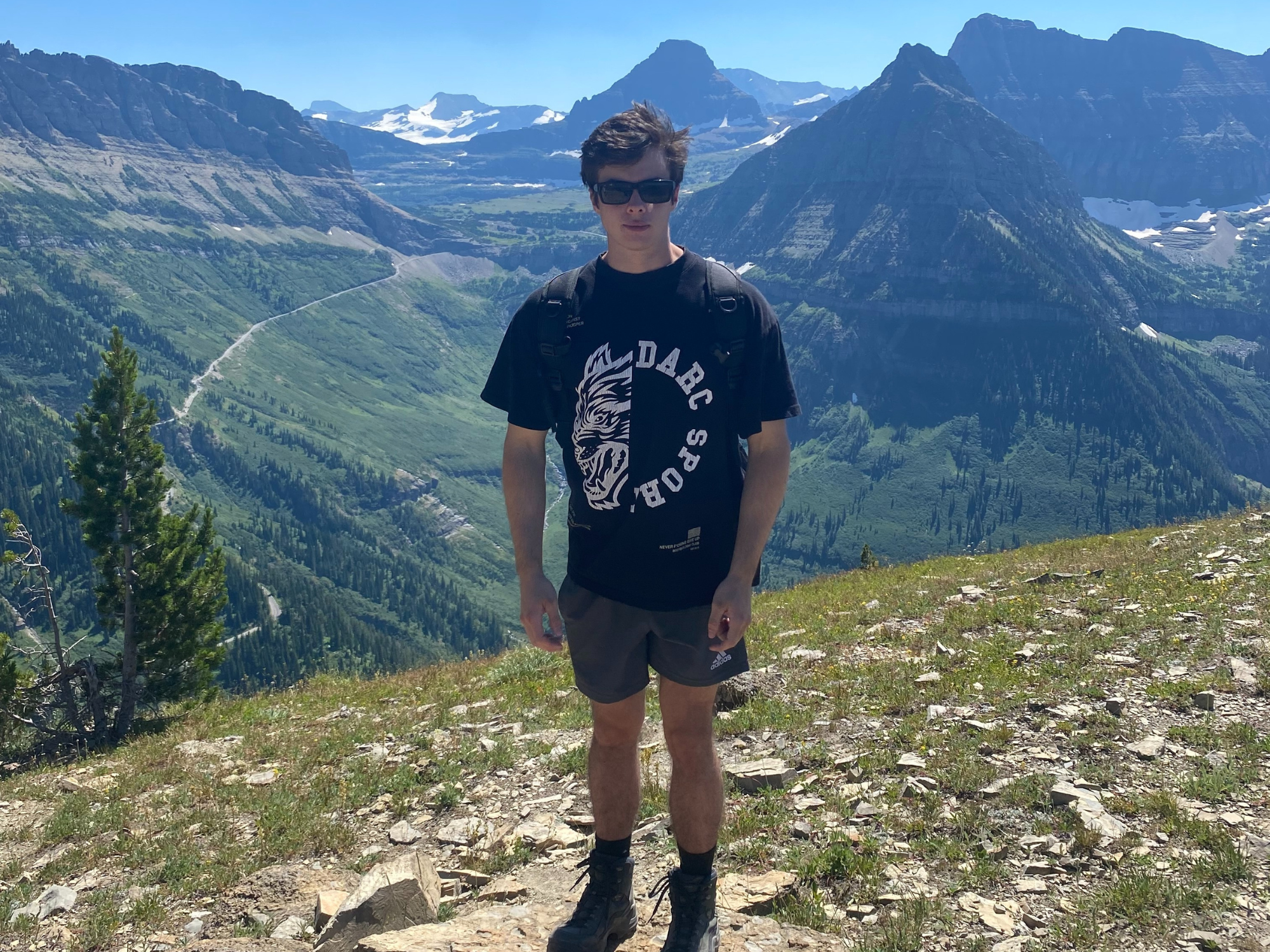
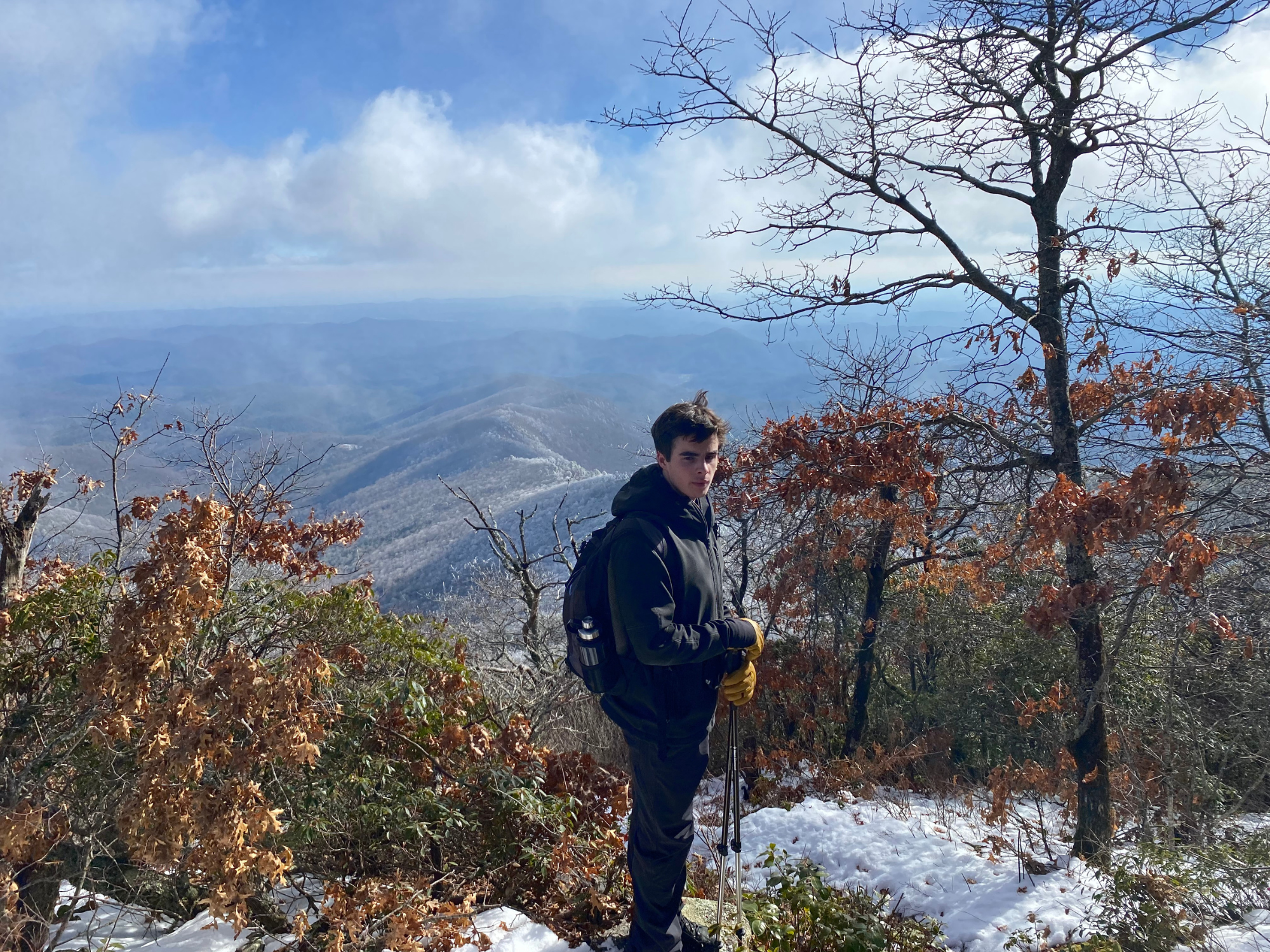
Senior biochemistry major Adam Gatch is many things: a student, a hiker, a researcher, a tutor, a Goldwater Scholar, an EMT, a volunteer, a writer, a backpacker – too many things to name.

Originally from Charleston, SC, Adam enjoys Clemson for its people and its proximity to great hiking spots and the mountains.

“It’s been nice to meet others with strong work ethic and passion for learning, and it has been motivating to be surrounded by other students with all kinds of exciting future plans.”

Being involved in many extracurricular activities, Adam’s main focus is his research work with Dr. Feng Ding, who runs the Clemson Multiscale Biophysics Lab in the Department of Physics and Astronomy. With Dr. Ding, he has worked on numerous independent projects investigating the structure and dynamics of various proteins implicated in neurodegenerative disease.

“The major theme of my personal research work is understanding the molecular basis of co-pathologies involving multiple disease-associated proteins. Essentially, many neurodegenerative diseases such as Alzheimer’s and Parkinson’s are characterized by the abnormal accumulation of certain proteins, and the inclusions they form are considered disease hallmarks.”

In some cases, multiple “hallmark” proteins are found in the same pathological assembly or in closely associated assemblies of each protein. Adam’s work seeks to elucidate the molecular mechanisms that enable the proteins to interact and give rise to these co-pathologies, and additionally to understand how that interaction can affect clinical presentation and disease outcome.

From this project, Adam has published four articles in peer reviewed journals with his group, including one first-author paper recently published titled, TDP-43 Promotes Amyloid-Beta Toxicity by Delaying Fibril Maturation via Direct Molecular Interaction in ACS Chemical Neuroscience. In addition, he was awarded a $10,000 NIH REU grant to support his summer research with Dr. Ding.

Adam’s research experience doesn’t stop there; he is involved in the Clemson University Clinical Undergraduate Research Experiences in Surgery (CURES) and has shadowed neurologists at MUSC. Also, he is involved in the Drug Design, Development, and Delivery (4D) lab led by Dr. Jeoung Soo Lee in the Department of Bioengineering, which is focused on nanoparticle-based therapeutics for traumatic brain injury and spinal cord injury.

“In contrast to my computational biophysics research, the 4D lab utilizes in vivo and in vitro experiments, using rats to study the effectiveness of the treatments developed by the group. While Dr. Ding’s lab appealed to me because of my strong interest in neurodegeneration and molecular-level study of disease, Dr. Lee’s lab was perfect for exploring another clinical interest of mine, namely traumatic brain injury.”

In addition to research work, Adam is an EMT on the weekends, a tutor for CH 1010 and 1020 at the Academic Success Center, a member of the College of Science Student Advisory Board, a volunteer at the Paw Pantry and a member of the Clemson Debate Team.

“In my [EMT] work, I have cared for many patients with highly advanced forms of neurodegenerative disease, which reinforces my motivation to study these diseases in the lab. These experiences have been hugely impactful in affirming my commitment to my future career as a physician-scientist.”

After graduation Adam plans to take a couple gap years traveling around Europe before applying to a number of MD-Ph.D. programs in neuroscience. Afterward, he plans to complete medical residency in neurosurgery and lead a research-intensive career as an academic neurosurgeon at a medical university.

“I plan to continue working on highly interdisciplinary research throughout my Ph.D. training and later in my career, hope to one day lead a successful lab.”