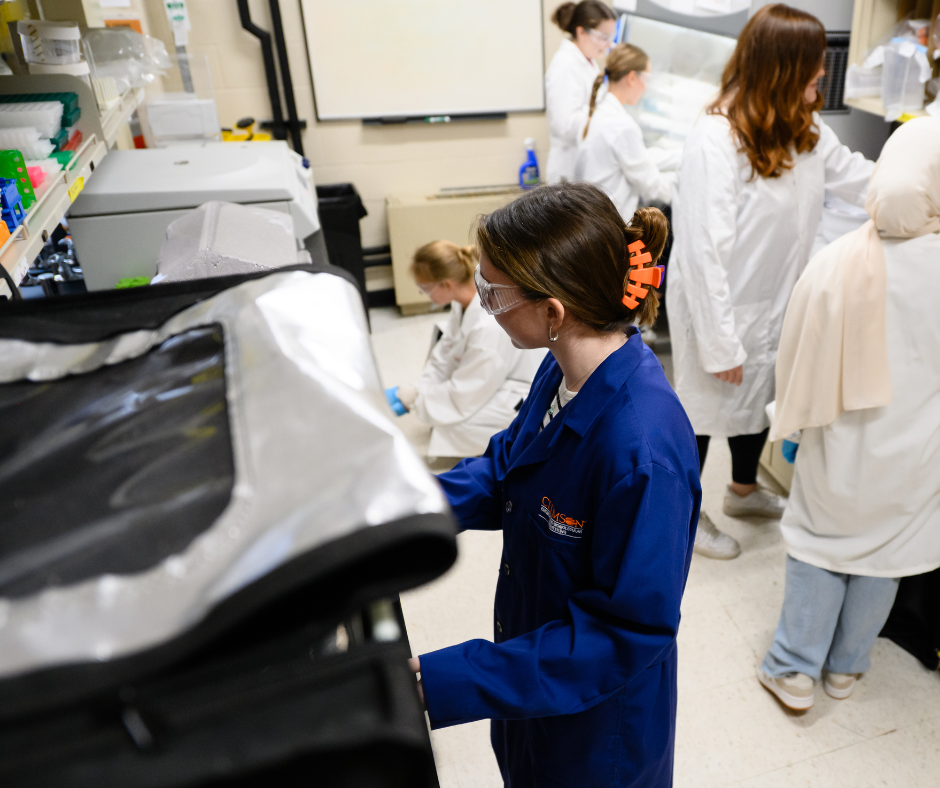
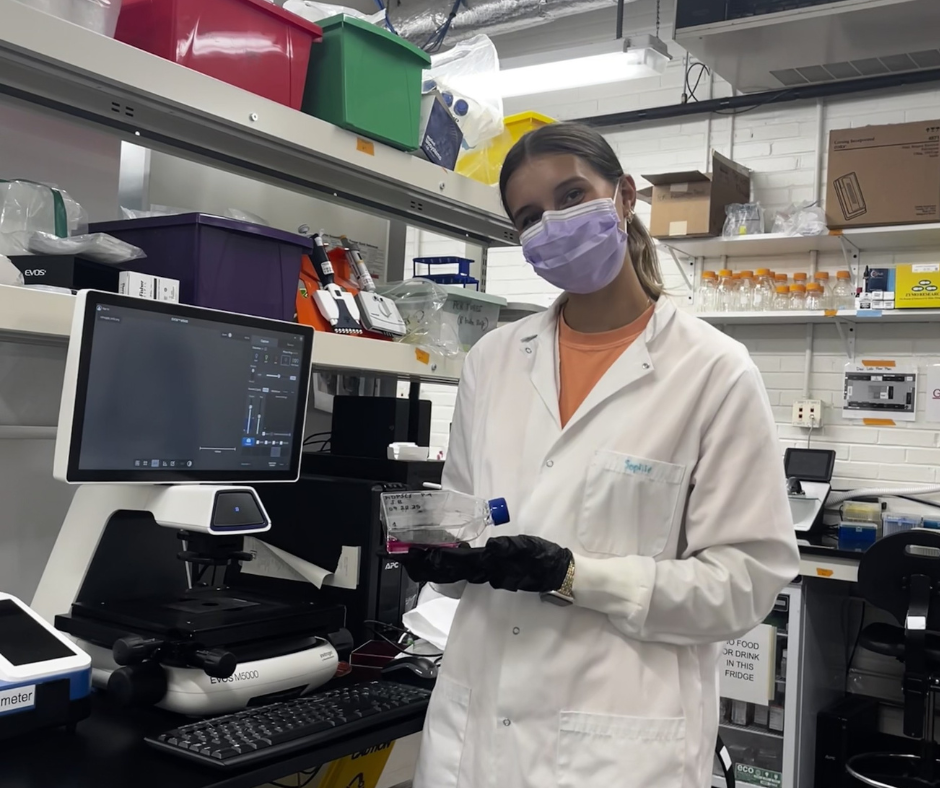
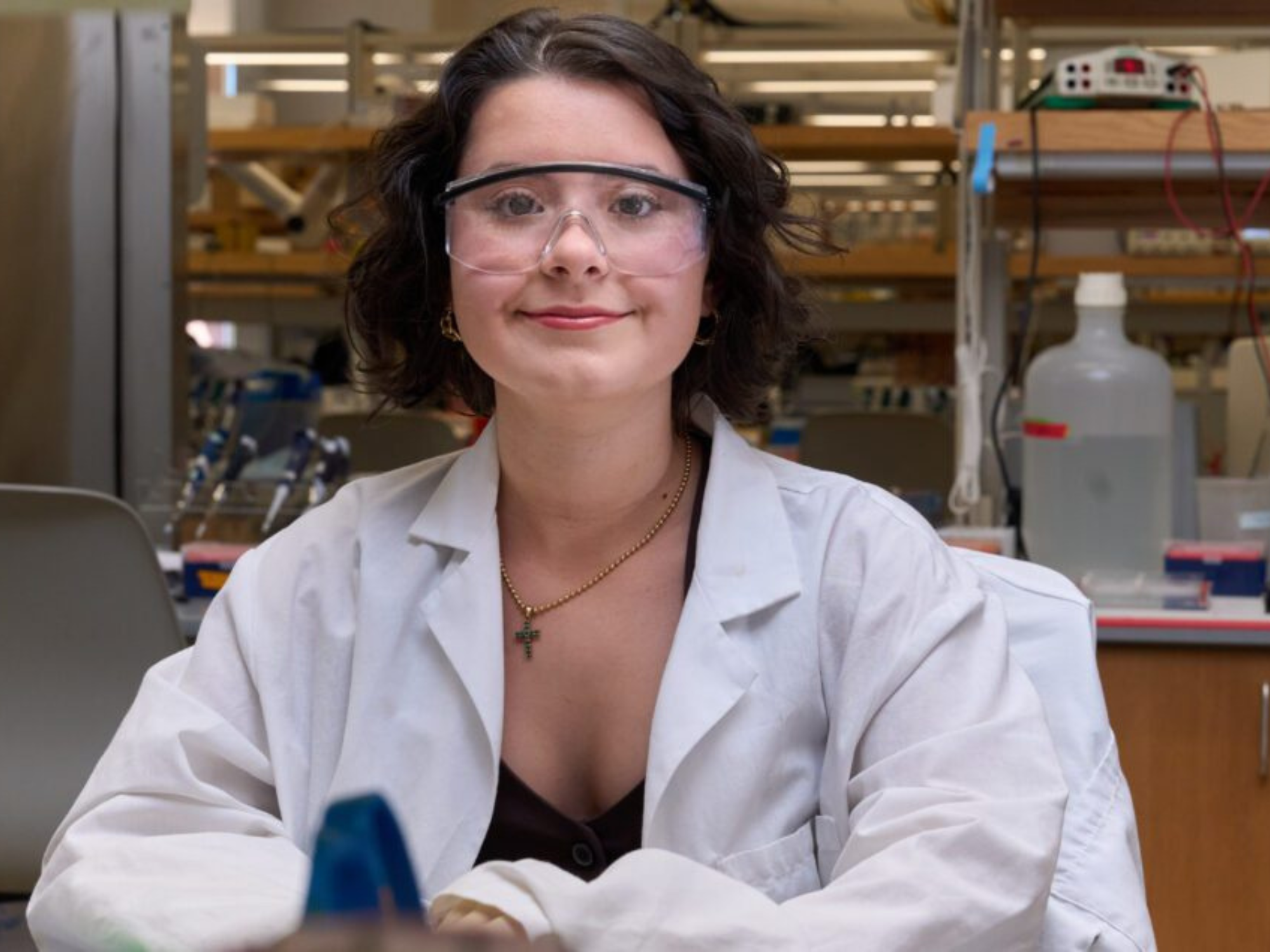
Senior genetics and biochemistry student Gabbie Gardiner spent her summer in Charleston, South Carolina participating in the Summer Undergraduate Research Program at the Medical University of South Carolina (MUSC) researching a protein called PTP1B with Dr. Lalima Katyayani Madan.
“This summer, I conducted research at the Medical University of South Carolina focused on developing more precise cancer therapies by studying a protein called PTP1B (Protein Tyrosine Phosphatase 1B).”
PTP1B plays a critical role in cellular signaling and has been linked to diseases like breast cancer, diabetes, and Alzheimer’s. However, designing drugs that target it specifically has been extremely difficult due to similarities it shares with other proteins.
“My project aimed to overcome this challenge by exploring how PTP1B can be inhibited allosterically – meaning, by targeting areas outside the active site that control the protein’s shape and function.”
By combining lab-based protein purification and activity testing with computational analysis of over 250 crystal structures, we can begin to understand how the protein shifts between different conformations. This research led to findings that will lay the groundwork for creating highly specific inhibitors that could one day be used in targeted cancer treatments.
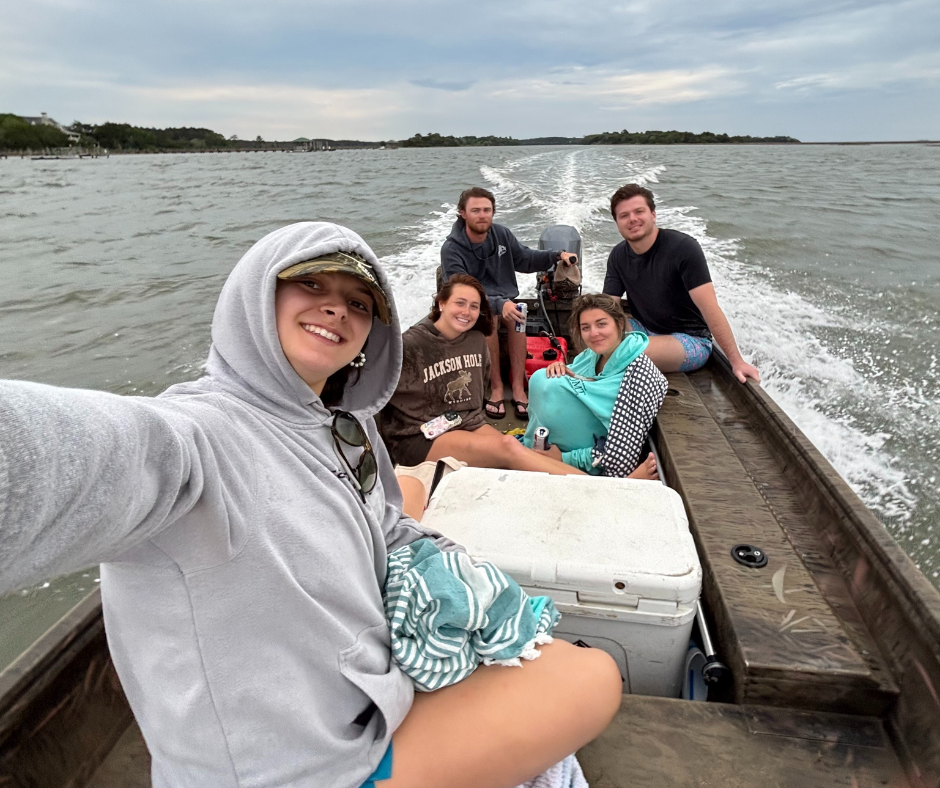
While not in the lab, Gabbie took in all that Charleston had to offer: the beach, amazing restaurants, yoga, Pilates and more!
“I love going to the beach; my favorite beach is Sullivan’s Island Beach. I’ve also loved trying a ton of restaurants in the area. I can’t pick a favorite; they are all so good.”
This summer at MUSC was invaluable to Gabbie, reiterating her passions for research and science.
“This summer really opened my eyes to what research is all about. I learned how to work with proteins in the lab, analyze data, and think through problems when things didn’t go as planned. Being part of a project that could actually help lead to new treatments for cancer made the work feel really meaningful. It confirmed for me that I want to keep doing this kind of work in the future as a doctor and scientist.”
HELEN LARKIN
Senior biochemistry student Helen Larkin spent the summer on the University of Michigan’s campus in Ann Arbor, MI researching how circulating tumor cells can cause inflammatory effects in a patient.
“I participated in the Cancer Research Summer Internship Program (CaRSIP) through the Rogel Cancer Center and the University of Michigan Medical School. I worked in Dr. Sunitha Nagrath’s lab, which is in the Department of Chemical Engineering.”
Helen found this internship on the program’s website. When looking for internships, she would go through the websites of graduate schools that she was interested in and see the summer research internship positions available.
In the Nagrath lab, Helen worked on researching the effect of glioblastoma extracellular vesicles (EVs) on neutrophils. In other words, Helen looked at how circulating tumor cells can cause inflammatory effects in a patient and potentially contribute to malignancies.
“This project has involved cell culture, flow cytometry, and different types of assays. I have learned a lot about new techniques and experiments from being there. This has been an incredibly valuable experience. I feel more prepared to apply to graduate school this fall and I have a better understanding of what life in graduate school will be like.”
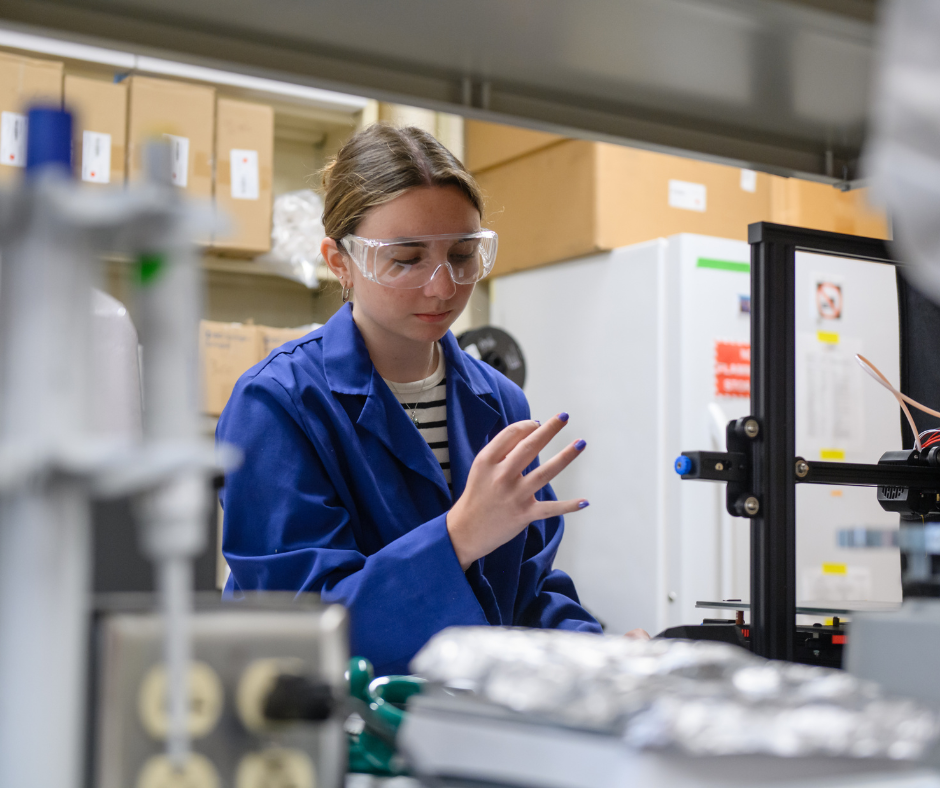
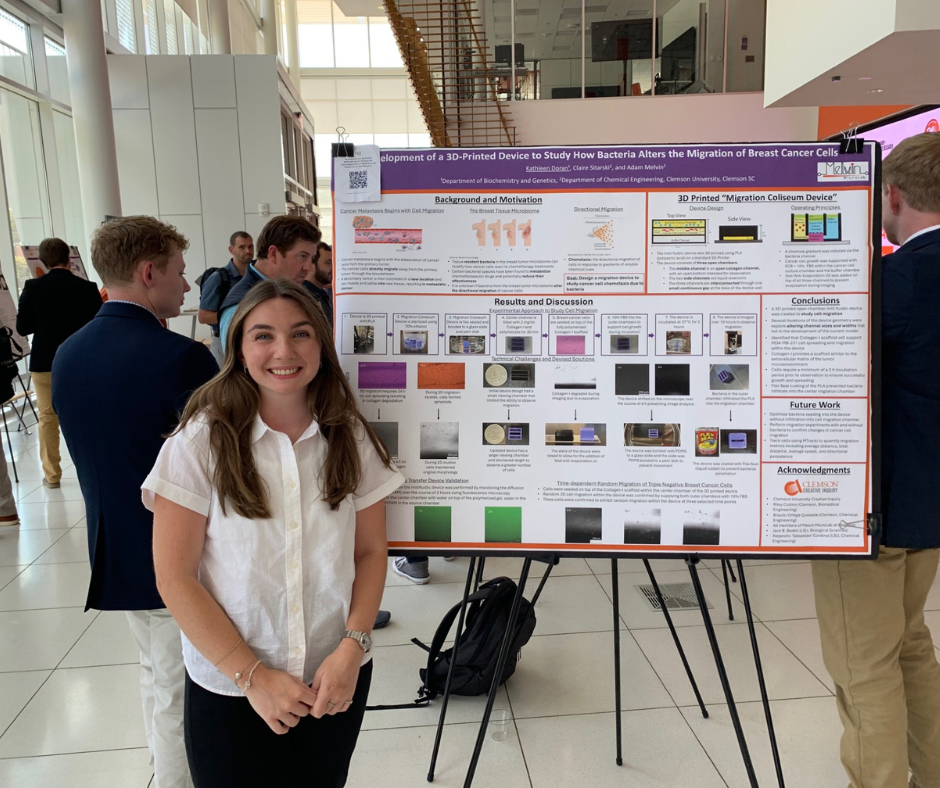
Kathleen Doran, junior biochemistry and genetics major from Stephentown, NY, stayed on campus this summer in working on Creative Inquiry (CI) project in Dr. Adam Melvin’s MicroLab titled “Biophysical analysis of the chemotactic response of different cell types exposed to various stimuli spanning the breast tumor.”
Coming into Clemson, Kathleen knew she wanted to be involved in research. She began searching for labs and came across Dr. Melvin’s lab and joined in the Spring of 2024.
“During the academic year I am a member of Melvin MicroLab, in the Department of Chemical and Biomolecular Engineering. My project focuses on the chemotaxis of breast cancer cells in response to bacterial presence.”
In the fall of her freshman year, Kathleen took Careers in Biochemistry and Genetics, which is where she learned about the Creative Inquiry Program. Kathleen’s Summer CI project focused on the development of a 3D printed device to study how bacteria alters the migration of breast cancer cells.
“Currently, there are few studies that have been able to identify if bacteria from the breast tumor microbiome alters the directional migration of cancer cells. Our work hopes to visualize cancer cell chemotaxis due to bacteria.”
Kathleen notes that the Summer CI Program has been a wonderful experience to continue her ongoing research and get to know more about the work being done by others within the Melvin lab.
“I loved getting to know what other people are working on, and having the opportunity to discuss issues that other teams may have struggled with and sharing different approaches to address complications. Working in the Melvin Lab has been one of the defining experiences of my time here at Clemson.”
SOFIA BUFANO
Senior international biochemistry student Sofia Bufano always knew she wanted to participate in a research lab during her academic career at Clemson and found the perfect fit in the Research and Education in Disease Diagnosis and Intervention Laboratory (REDDI Lab).
“I stumbled across Dr. Congyue Peng’s lab in the REDDI lab, and I liked her publications and her current research in the pathology field. I joined the lab spring semester of freshman year, and I’ve been an undergraduate researcher there ever since.”
This summer Sofia participated in a Creative Inquiry (CI) within the REDDI lab working on a project with the ultimate goal of differentiating human Dental Pulp Stem Cells into Motor Neuron Cells.
“So far, I have been taking care of my hDPSCs (passaging and changing media), and I performed RNA extraction, RNA to cDNA conversion, and qPCR to characterize the hDPSCs for specific primers we have selected, which will also be used to characterize Neuron Cells after differentiation.”
Sofia was nervous this summer to be in the lab and working on her own research project with new protocols and without any other lab partners. However, once she got used to it, Sofia felt beyond satisfied with her progress and research.
“The summer CI research was a life-changing experience on so many levels! Prior to this summer internship, I had in mind to pursue a Ph.D. in science after college, and this experience was the confirmation I needed that this path is the right choice for me.”
When Sofia was not in the lab, she used her free time to travel and spend time with friends and family, some of her closest friends staying in Clemson participating in CIs as well.
“We often got together after lab to chat about our experiments and watch TV. I also traveled quite a bit: I went horseback riding in the Dominican Republic, snorkeling in Curaçao, sightseeing in Aruba, and I spent some time in Hilton Head with friends and family.”
Sofia is Italian and officially became an American citizen in April and experienced her first American 4th of July this year!
CATLY NGUYEN
When Dr. Jim Morris was the guest speaker at a Biochemistry and Genetics Club meeting, senior biochemistry major Catly (Cat) Nguyen became interested in his research, leading to a position as an undergraduate researcher in the Morris Labs. This summer, Cat is participating in the Undergraduate Research + Creative Inquiry (CI) program, while continuing her research with Dr. Morris.
“Hearing Dr. Morris talk about his journey into research/molecular biology and his work was so insightful and interesting. It gave me the courage to email him and ask to join his lab as an undergraduate researcher.”
In the Morris Lab, Cat’s research focuses on identifying and localizing potential drug targets and understanding drug uptake in Trypanosoma brucei, a protozoan parasite that causes African sleeping sickness. Trypanosomes are so complex because their cellular mechanisms, like glucose metabolism, are not yet fully understood.
“Our goal here is expand our understanding of their cellular biology so that we can exploit it for drug targets.”
This summer, for her CI, Cat is specifically investigating how drugs and inhibitors are trafficked to glycosomes, which are specialized peroxisomes that house essential glycolytic enzymes.
“To do this, I’ve been working on purifying PTS-tagged (peroxisomal targeting sequence) eYFP proteins, which will help us characterize how these proteins are delivered to the glycosomes and potentially co-delivered with drugs.”
Another part of Cat’s research is working on another side cloning project where the goal is to find the origin of replication within a plasmid by dividing it into smaller fragments and amplifying them using specific designed primer pairs. Once one is discovered, they can clone EYFP into it, allowing N. fowleri to replicate the fluorescent protein independently and establish long-term expression of EYFP once it is transfected into the parasite.
“So far, I’ve had such an amazing experience in Dr. Morris’ lab during the summer. I’ve gotten to spend more time in lab, getting more work done, being able to see positive results, and most importantly expanding my understanding of molecular biology and biochemistry.”
Cat has been able to apply this experience to her lecture courses and has been able to interact with and learn from graduate students, whom she notes as great mentors. Cat knows this experience in the Morris lab will help her reach her future ambitions.
“From this experience, I hope to better prepare myself for a future in research. I am pursuing pharmacy school after undergrad and am planning on going into biochemical pharmaceutical research where I focus on drug discovery/delivery. So, working with Dr. Morris this summer has be extremely valuable to my future goals.”
Outside of her CI, Cat has been spending her summer planting, spending time with friends and families, cooking and baking, going to concerts, reading and traveling.
ALEXANDRA HARRINGTON
Currently working in the Creative Inquiry (CI) project Investigating the role of the TMLH (CNAG_05675) gene and the gBB (CNAG_00403) gene in the carnitine biosynthesis pathway in Cryptococcus neoformans, senior genetics and biochemistry major Alexandra Harrington strives to contribute and make a difference in the scientific community.
Alexandra is researching the carnitine biosynthesis pathway in the Eukaryotic Pathogens Innovation Center (EPIC) with its director Dr. Kerry Smith and plans to continue her research throughout the Fall semester as she pursues a Departmental Honors.
“I was very interested in the EPIC here at Clemson because it combines my majors in biochemistry and genetics and my minor in microbiology.”
For her CI, Alexandra is investigating the role of the TMLH (CNAG_05675) gene and the gBB (CNAG_00403) gene in the carnitine biosynthesis pathway in Cryptococcus neoformans, a fungal pathogen responsible for diseases like meningitis and pneumonia. Alexandra’s project aims to completely characterize the carnitine biosynthesis pathway, specifically genes TMLH and gBB, as it pertains to acetate metabolism and amino acid biosynthesis in the virulence of fungal pathogen C. neoformans.
“I have spent these past several weeks especially focusing on the TMLH gene, in which I have grown my C. neoformans wild-type in media and isolated its DNA, isolated my target DNA (TMLH), used PCR to amplify the TMLH gene and I am currently working to clone my TMLH gene into a plasmid and further confirm that transformation occurred using PCR and sequencing. I am working towards having all elements necessary to perform complementation using a gene-editing method called Transient CRISPR-Cas9 Coupled with Electroporation (TRACE).”
Through her summer CI Alexandra hopes to strengthen her critical thinking and problem-solving skills and deepen understanding of what she is learning in her classroom lectures and labs, particularly the techniques, processes and pathways, and apply them to real-world experiments.
“Through this project, I want a greater understanding of fungal metabolism and virulence. I have been able to isolate DNA, conduct many PCR procedures, interpret gel electrophoresis results, and I have learned the importance of designing primers as well as cloning target DNA into plasmid DNA.”
She was especially excited to work with the gene editing technology CRISPR-Cas9 that is becoming increasingly effective and vital in the fields of biochemistry, genetics and biomedicine to discover gene therapies.
“My project has already taught me how to learn by asking meaningful questions and how important it is to step back and find another route to a solution. In addition, I have thoroughly enjoyed being a part of a team, both developing connections with and learning from lab mates.”
Alexandra finds excitement in knowing that one day she may help discover something truly important to healthcare that makes a difference in someone’s life and sees this program as an experience that will help her get closer to achieving her career and life goals.
“It is rewarding knowing that this project has the potential to better understand pathogen virulence and to use this pathway as a target for antifungal drug treatments in the future.”
During the academic year, Alexandra participates in Dr. Kimberly Métris’ lab, Beta Beta Beta Biological Sciences Fraternity, the women’s lacrosse team, Clemson Hope, Kappa Delta, Clemson’s Sigma Delta Pi Hispanic National Honor Society and the Spanish club, Hablemos. When not in the lab this summer, she spends her time studying for the MCAT, attending baseball games, both Clemson and the Phillies, enjoying lake days with friends, golfing, walking on the dikes and reading.
Associate professor Michael Sehorn has been awarded the 2025 Ted G. Westmoreland Faculty Excellence Award, which is presented annually to honor a distinguished faculty member who has made exemplary contributions to undergraduate student success at Clemson University.
Dr. Sehorn is a member of the Eukaryotic Pathogens Innovation Center and the Center for Optical Materials Science and Engineering Technologies with a research focus on DNA repair and genome stability. Dedicated to student mentorship, Sehorn has guided numerous undergraduates to postgraduate education at prestigious institutions such as Harvard, Yale, Stanford, Johns Hopkins and the University of Pennsylvania and on to win major awards, including the Algernon Sydney Sullivan Award, Phi Kappa Phi Fellowship, Norris Medal, Truman Scholar and Beckman Scholar.
In addition, his long-standing engagement with Creative Inquiry Program is evident through his service on the CI + UR Advisory Committee and as a Creative Inquiry Fellow. As an experiential learning ambassador, Sehorn supports the Clemson Elevate initiative by advising and facilitating experiential through research.
He developed two courses that provide pre-med students with clinical research and shadowing experiences. Additionally, Sehorn is the faculty advisor for the pre-med Alpha Epsilon Delta pre-health organization. He has led multiple Office of Teaching Effectiveness and Innovation Faculty Learning Communities to enhance teaching effectiveness.
The Ted G. Westmoreland Faculty Excellence Award recipient receives a monetary award of $1,000 and a plaque. Additionally, the faculty member’s name is added to the perpetual Dr. Ted G. Westmoreland Award for Faculty Excellence plaque on display in the Class of 1956 Academic Success Center Building.
In addition to her research, Willey is a member of the Kappa Delta sorority, vice president of Alpha Epsilon Delta, a national health pre-professional health society and volunteers for Tigers4Accesibility.
In the future Sofia hopes to change patients’ lives through knowledge of under-recognized diseases. Doctors’ limited knowledge of the disorder is due in part to the EDS being under-researched. This has inspired Sofia to pursue a degree in genetics and focus on research while in college.
Sofia will be taking a deferral year and starting medical school at the University of South Carolina Greenville in 2026.
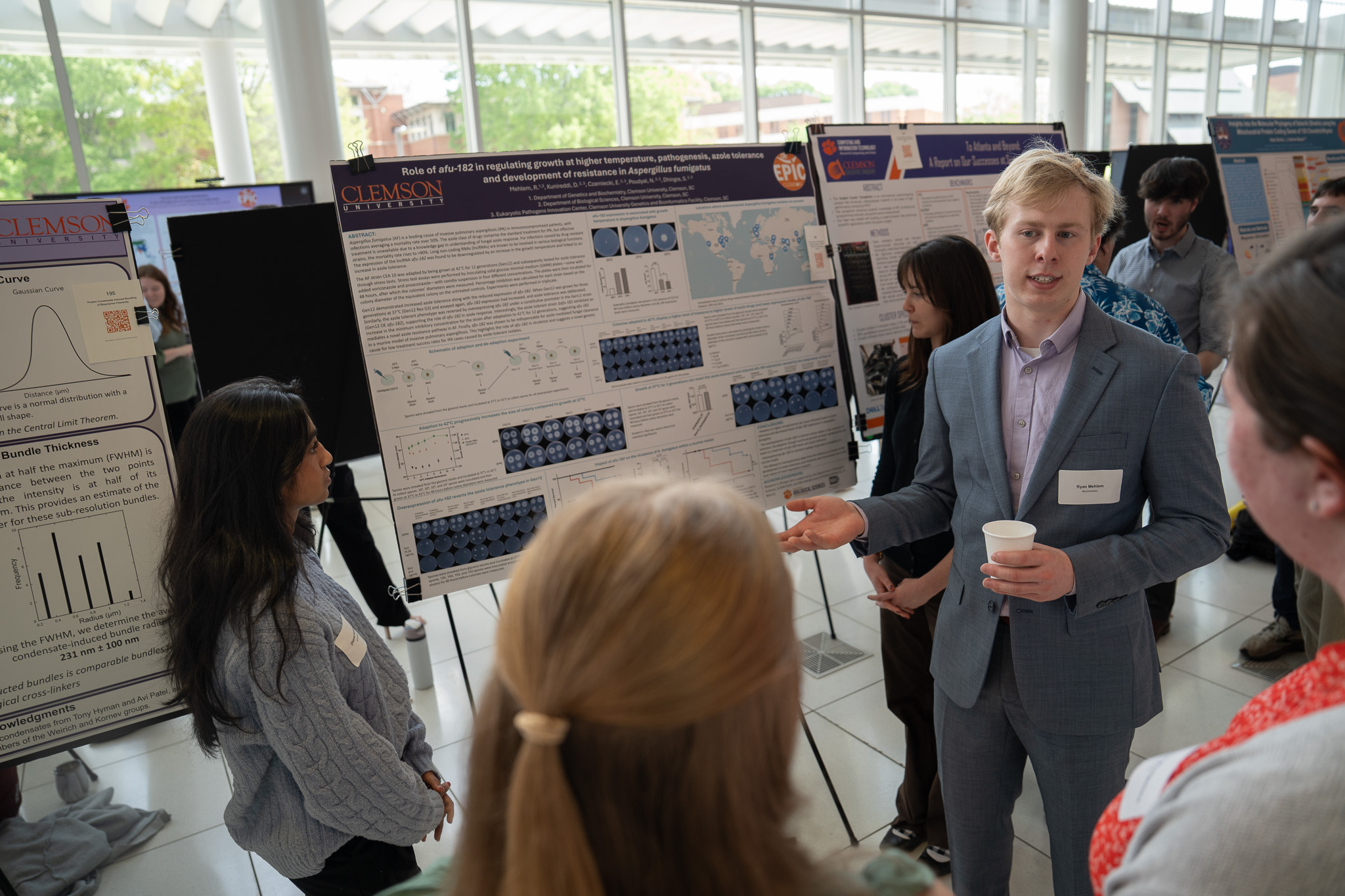
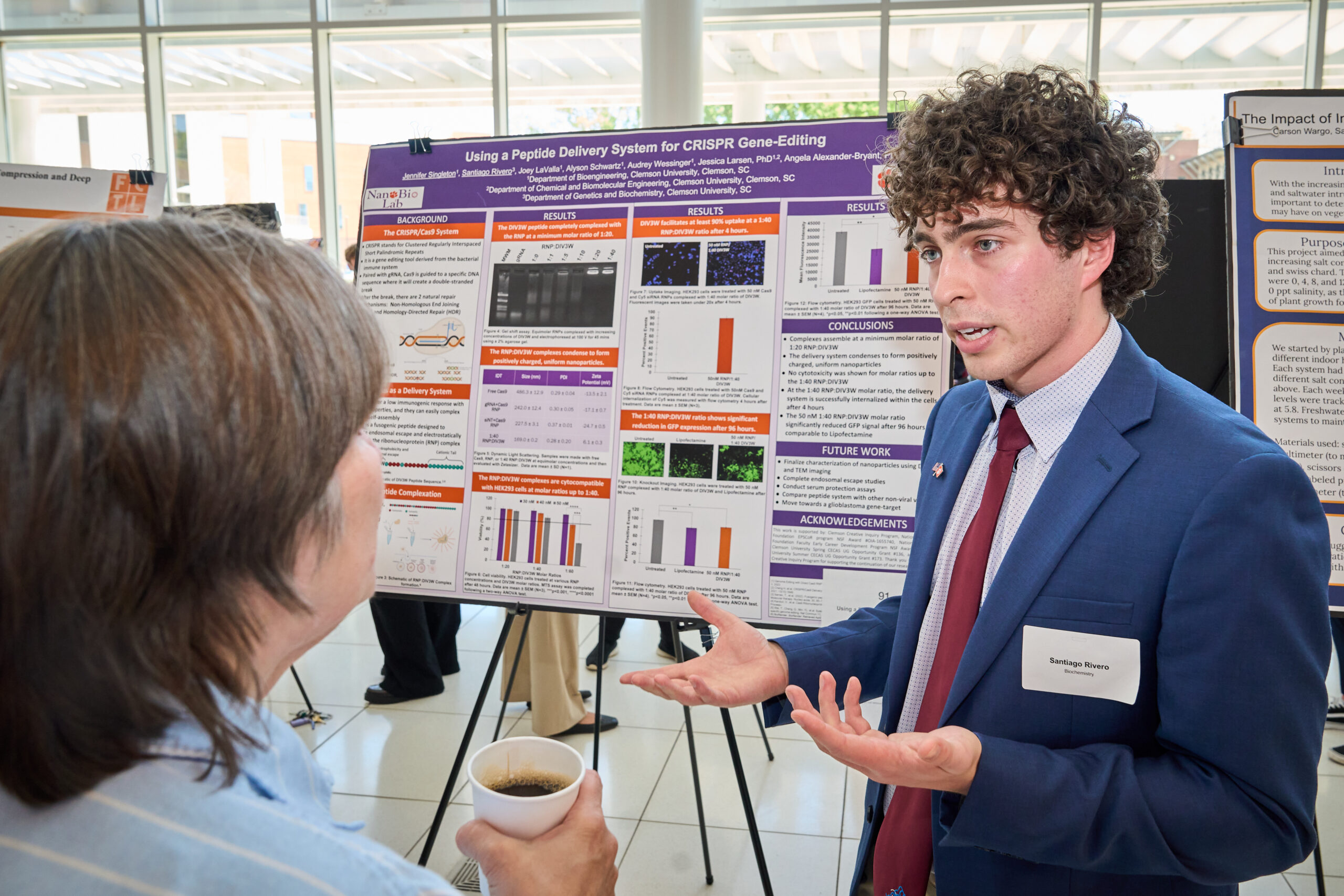
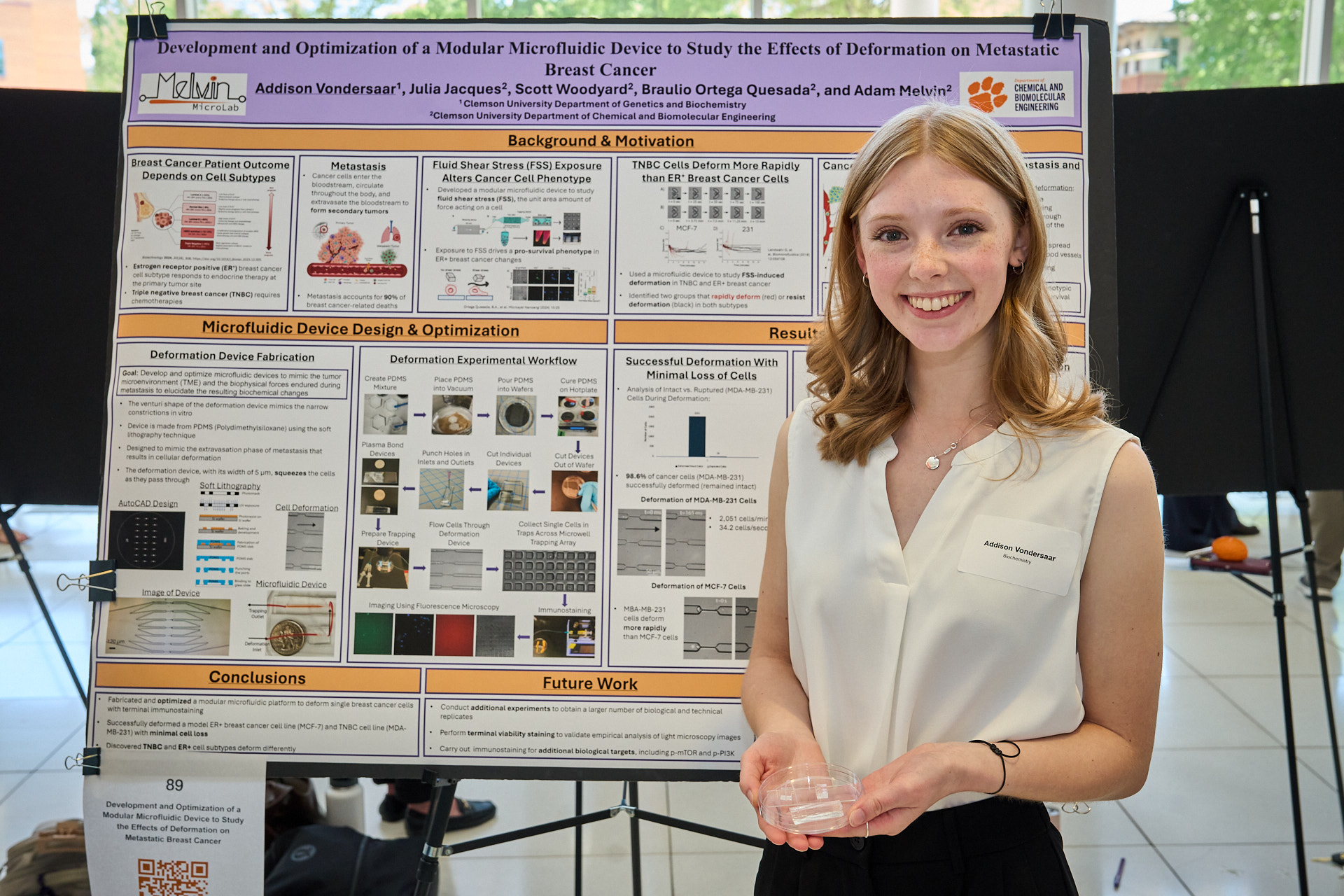
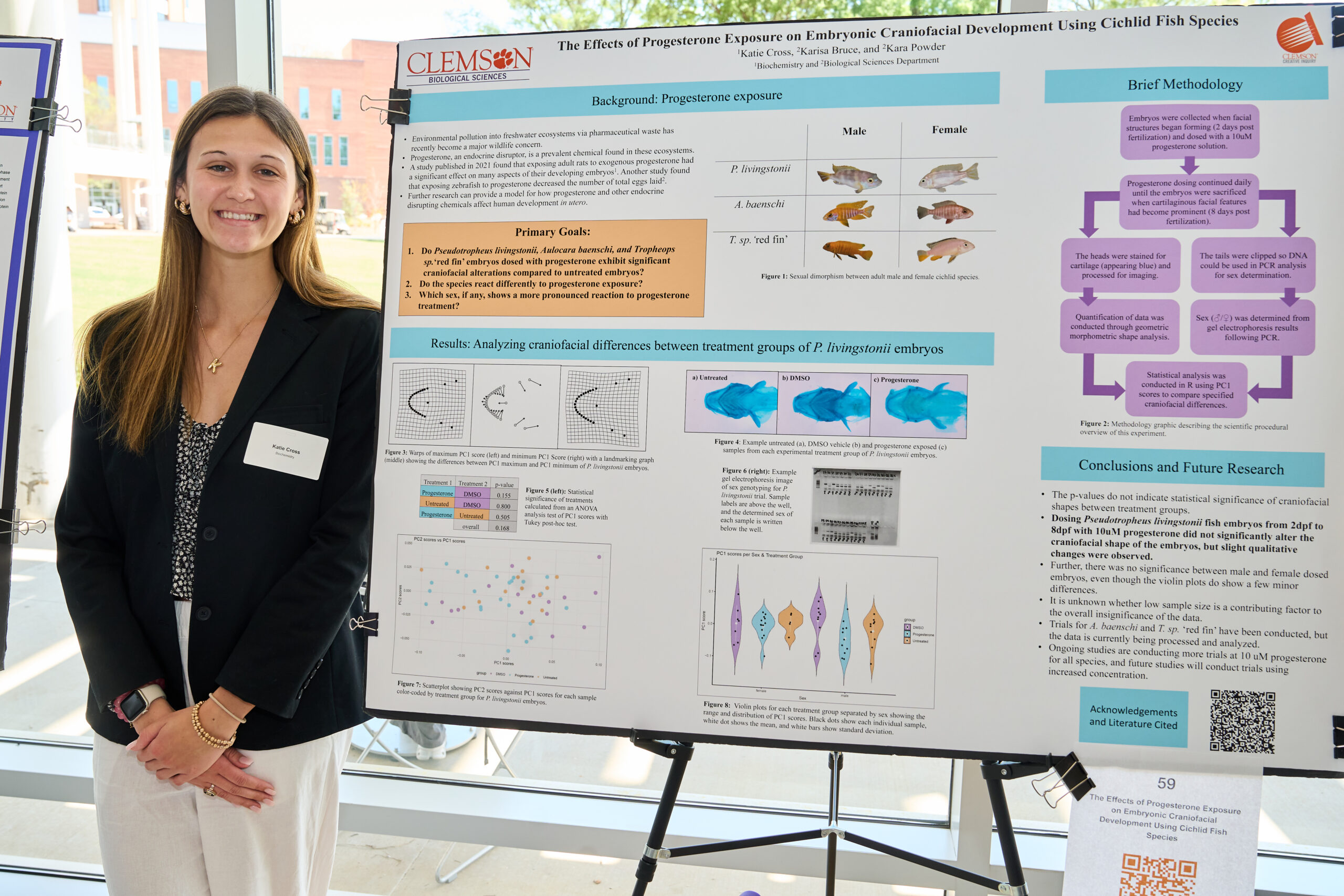
Senior biochemistry major Kristen Gulbrandsen placed 1st at the 20th annual Focus on Creative Inquiry (FoCI) event, which is Clemson’s university-wide poster forum that showcases undergraduate research, service-learning and other experiential learning activities supported by the Creative Inquiry program. Kristen’s poster presentation was titled “Enterococcus faecalis Inhibits Clostridium innocuum In Vitro Under Multiple Conditions.”
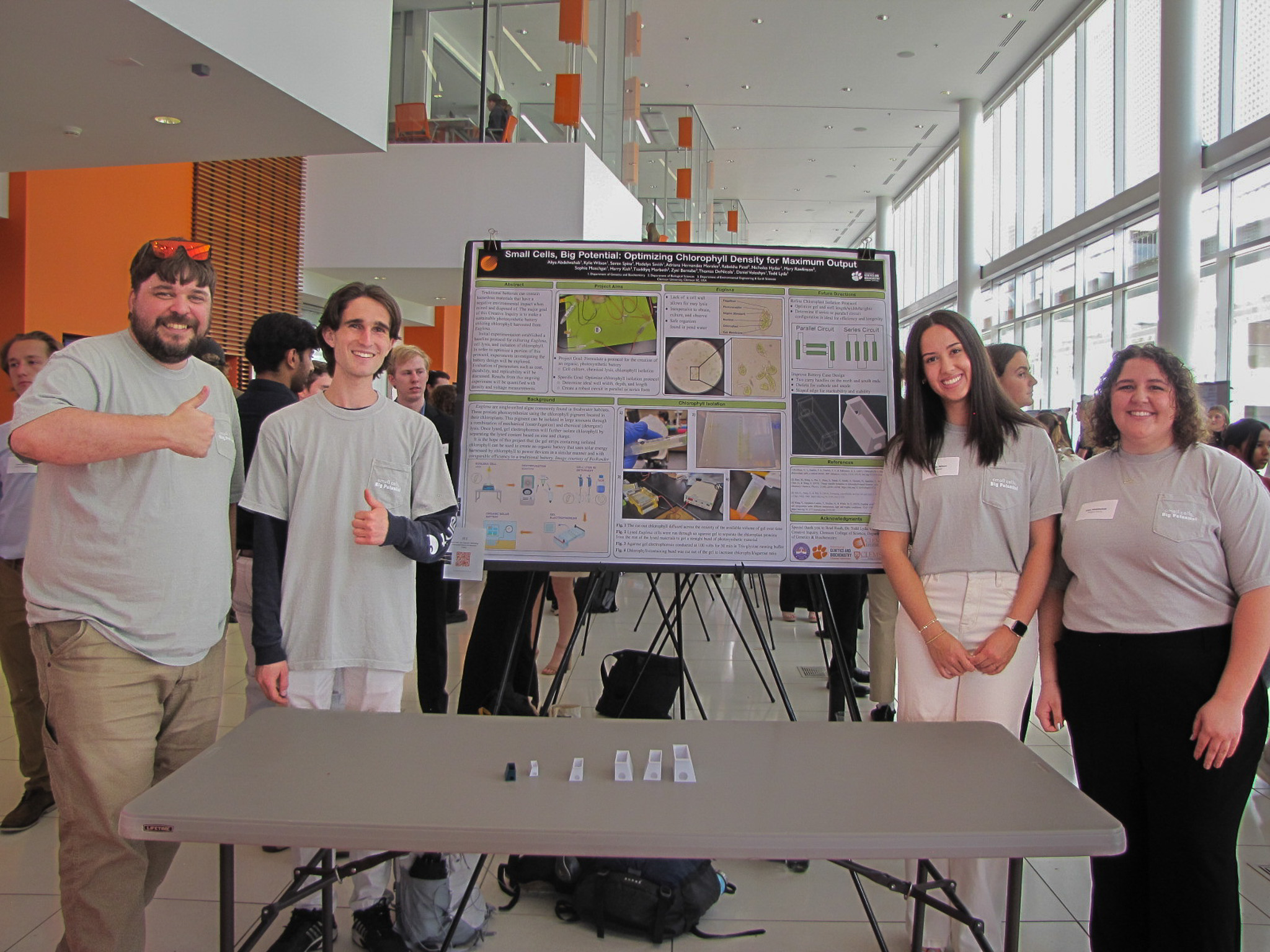
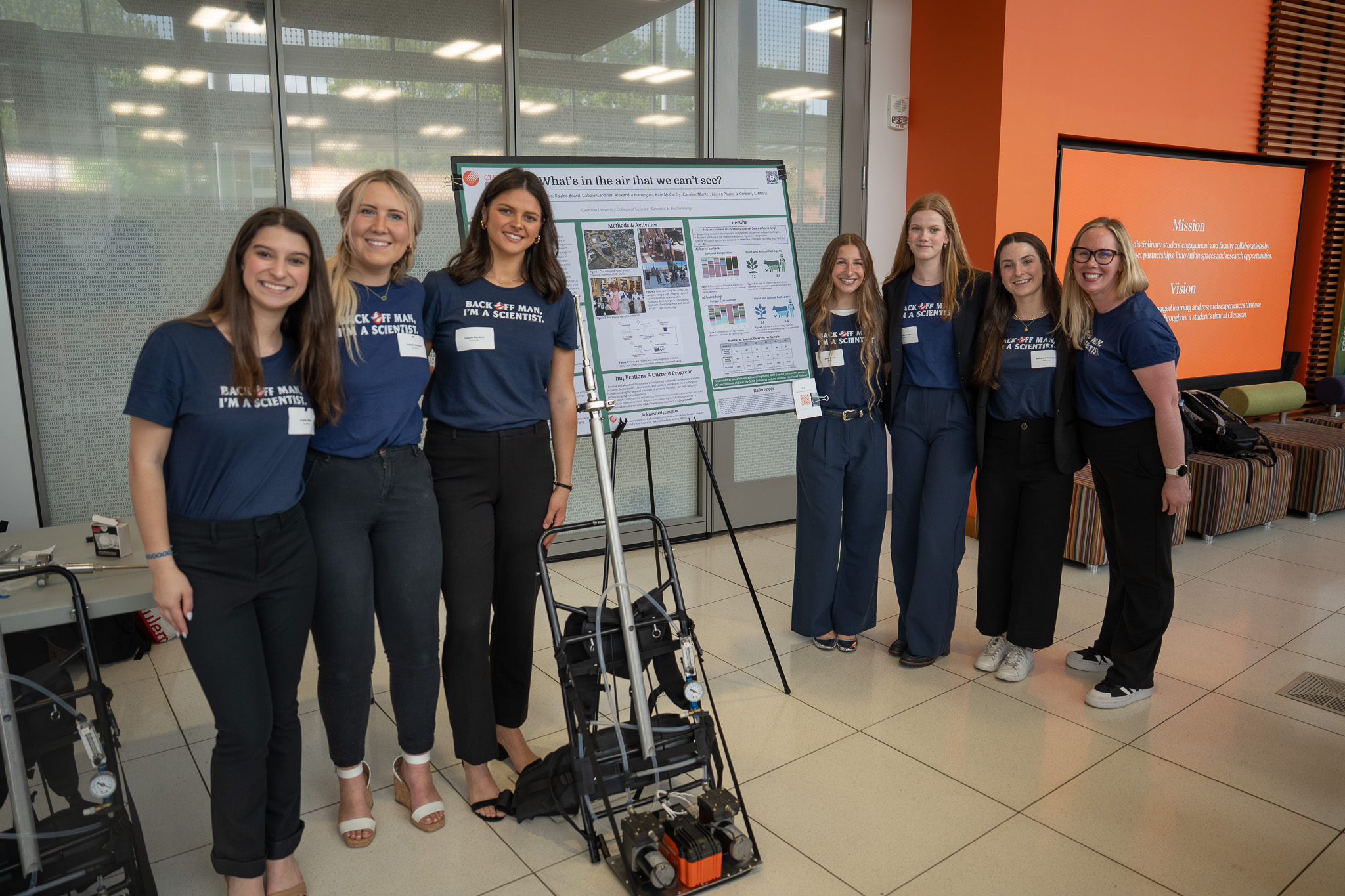
Many other G&B students presented their research at FoCI as well.
The Creative Inquiry poster session in the Watt Family Innovation Center on April 9, 2025.The Creative Inquiry poster session in the Watt Family Innovation Center on April 9, 2025.The Creative Inquiry poster session in the Watt Family Innovation Center on April 9, 2025.The Creative Inquiry poster session in the Watt Family Innovation Center on April 9, 2025.The Creative Inquiry poster session in the Watt Family Innovation Center on April 9, 2025.The Creative Inquiry poster session in the Watt Family Innovation Center on April 9, 2025.The Creative Inquiry poster session in the Watt Family Innovation Center on April 9, 2025.The Creative Inquiry poster session in the Watt Family Innovation Center on April 9, 2025.
Senior biochemistry major Mary Grace Flowers has been selected to attend the 19th annual ACC Meeting of the Minds Conference at the University of Pittsburgh on March 28-30th. Only 5 students from each university are chosen to attend.
The ACC Meeting of the Minds is an annual research conference celebrating undergraduate research and creative inquiry at the 18 Atlantic Coast Conference member schools, including Clemson University and seeks to highlight undergraduate excellence in research and creative scholarship across many fields.
Mary Grace will be presenting a poster titled “Examining the role of sex in bone remodeling using differential feeding stresses.” Her research investigates bone remodeling in the facial skeleton using a cichlid fish model because these fish have immense range of facial diversity and have shown a significant capability for craniofacial bone remodeling.
The University of Pittsburgh says, “The weekend of events is designed to provide students with the opportunity to share their work, connect with peers from other institutions, to learn from and with each other, and of course to have some fun!”
Everyone wish Mary Grace luck at the Meeting of the Minds later this month!
Elizabeth Caldwell, senior genetics major, has been selected as a finalist for the Rhodes Scholarship, one of the most prestigious and selective major fellowships available to American college students.
The Rhodes Scholarship, a fully funded postgraduate award which enables talented young people from around the world to study at the University of Oxford, is recognized worldwide as the oldest and most well-known scholarship for academic excellence. Rhode scholars are chosen based on those who demonstrate academic excellence, the energy to use their talents to the fullest, and attributes such as truth, courage, kindness, devotion to duty, moral force of character and instincts to lead.
Elizabeth, who researches rare diseases and advocates for the disability community, was recently announced as Clemson’s 5th Truman Scholar, a federally funded scholarship granted to U.S. undergraduate students for demonstrated leadership potential, academic excellence and a commitment to public service.
Elizabeth is also part of the National Scholars Program, Clemson’s most selective university-wide merit scholarship program. National Scholars are selected through a rigorous process that identifies students with the highest levels of intellectual vision and community engagement.
“A brilliant scientist and determined advocate, Elizabeth’s remarkable accomplishments are eclipsed only by her steadfast and inspirational commitment to making our campus, community, and society more welcoming and accessible,” said Sarah Winslow, inaugural dean of the Clemson University Honors College.
Elizabeth is actively engaged on campus and in the community. She is part of associate professor Michael Sehorn’s lab, which explores DNA repair pathways, serves as the only undergraduate student on Clemson’s Accessibility Commission, and founded Tigers 4 Accessibility, Clemson’s first and only student organization dedicated to creating a more inclusive and accessible campus culture and physical environment.
In addition, Elizabeth acts as a volunteer at the Clemson Free Clinic, a local medical center that provides health care to the area’s low-income population, where she created a Mobility Aid Program that raised $3,000 to offset medical equipment costs for patients.
Elizabeth is one of approximately 800 students nominated nationwide for the Rhodes Scholarship, competing for 32 spots. She is one of 15 finalists from the district representing South Carolina, Georgia and North Carolina. She interviews for the award on November 15 and 16.
If chosen, Elizabeth plans to pursue a master’s program focused on genomic medicine, followed by a master’s degree in global health and epidemiology.
When senior genetics major Sofia Willey was in middle school, she began having abnormally intense joint pain, something doctors attributed to the rigor of competitive gymnastics and her 20 hour-a-week training schedule.
At first, doctors diagnosed her with hip dysplasia, but that didn’t account for the hypermobility symptoms, scarring and low bone growth. Her doctor then suggested Sofia may have Ehlers-Danlos Syndrome (EDS), specifically the hypermobile subtype. EDS is a rare genetic disorder that affects the connective tissue and can cause weak joints, affecting 1 in 5,000 people.
“I didn’t understand what was happening to me, and no one around me did either.”
Doctors’ limited knowledge of the disorder is due in part to the EDS being under-researched. This has inspired Sofia to pursue a degree in genetics and focus on research while in college.
“It becomes a lot of explaining your own problems to your doctor so they can prescribe or help you find what you need.”
This summer Sofia worked with the Norris Lab at the Medical University of South Carolina on a project related to the complement system and its biological importance in hEDS. Dr. Russell Norris a professor in the Department of Regenerative Medicine and Cell Biology. Norris lab is one of the preeminent labs researching EDS.
Sofia’s specific research aims at finding a diagnostic tool that could use specific protein levels in the blood to determine if a patient has EDS. She focused on changes in the immune system of patients with EDS compared to those without the disease, finding a few significant proteins that had different levels in subjects with EDS than in those without.
Sofia says her time in the Norris lab, which also included patient education, has helped her better understand her disease and problems in her own body. She hopes to change patients’ lives through knowledge of under-recognized diseases.
If you are looking for senior genetics major Kate Miller, you may find her in the classroom, sports concession stands, Dr. Powder’s lab or on Wednesdays, you’ll see her taking advantage of the $5 sushi deal at Publix.
Both Kate’s focus on community and STEM brought her to Clemson University.
“I came to Clemson because my first visit in middle school caused me to absolutely fall in love with Clemson’s tight-knit community and its emphasis on STEM programs.”
Kate chose her genetics major and her biological sciences minor because she wanted the ability to study both biology and chemistry on a deeper level. Kate says she hopes both her major and minor help in her pursuit of going to Pathologist Assistant school.
“The best part of being in the G&B department has been the personalized support from my mentors and advisors. As a smaller department, I have a strong network with the faculty who make me feel comfortable and supported with my academic and career questions.”
Kate loves working with the fish and notes that this opportunity has greatly enhanced her laboratory skills. Kate’s personal project from this summer explores the developmental effects of estrogen on facial structure.
“Endocrine disruptors such as estrogen have been found in the environment due to pollution, and this research will show what may happen to the facial development of humans if exposed, especially in utero.”
In addition to undergraduate research, Kate is a member and leader of BeakerBox, a CI project where we develop interactive lesson plans for middle school science classrooms in South Carolina. BeakerBox aims to engage 6th-8th graders in the life sciences by keeping science fun and interesting.
“After graduation I plan on going back to school to become a pathologist assistant. My favorite classes right now are Toxicology and Anatomy, which are both fascinating and helping to lay a solid foundation for my future career!”
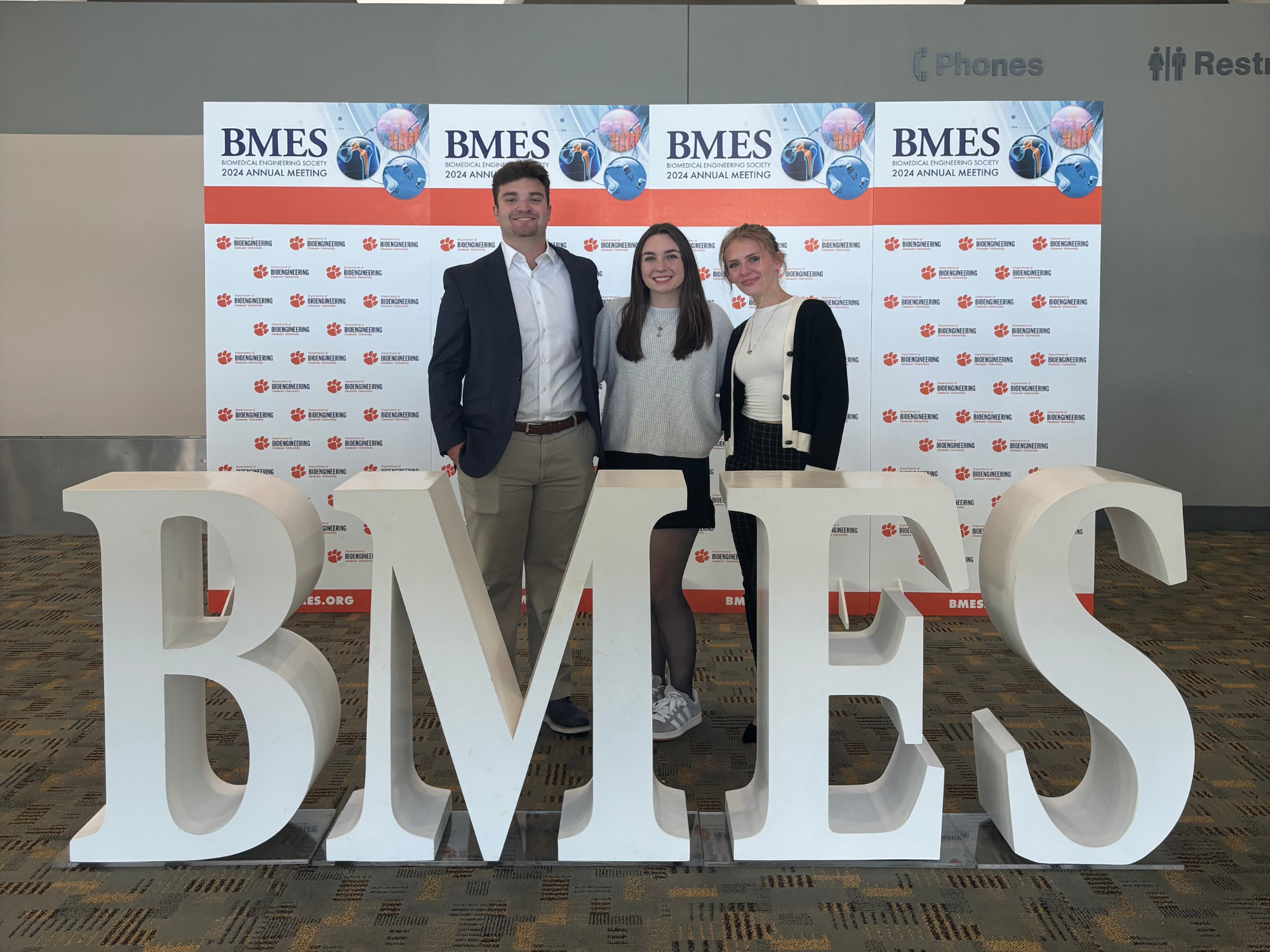
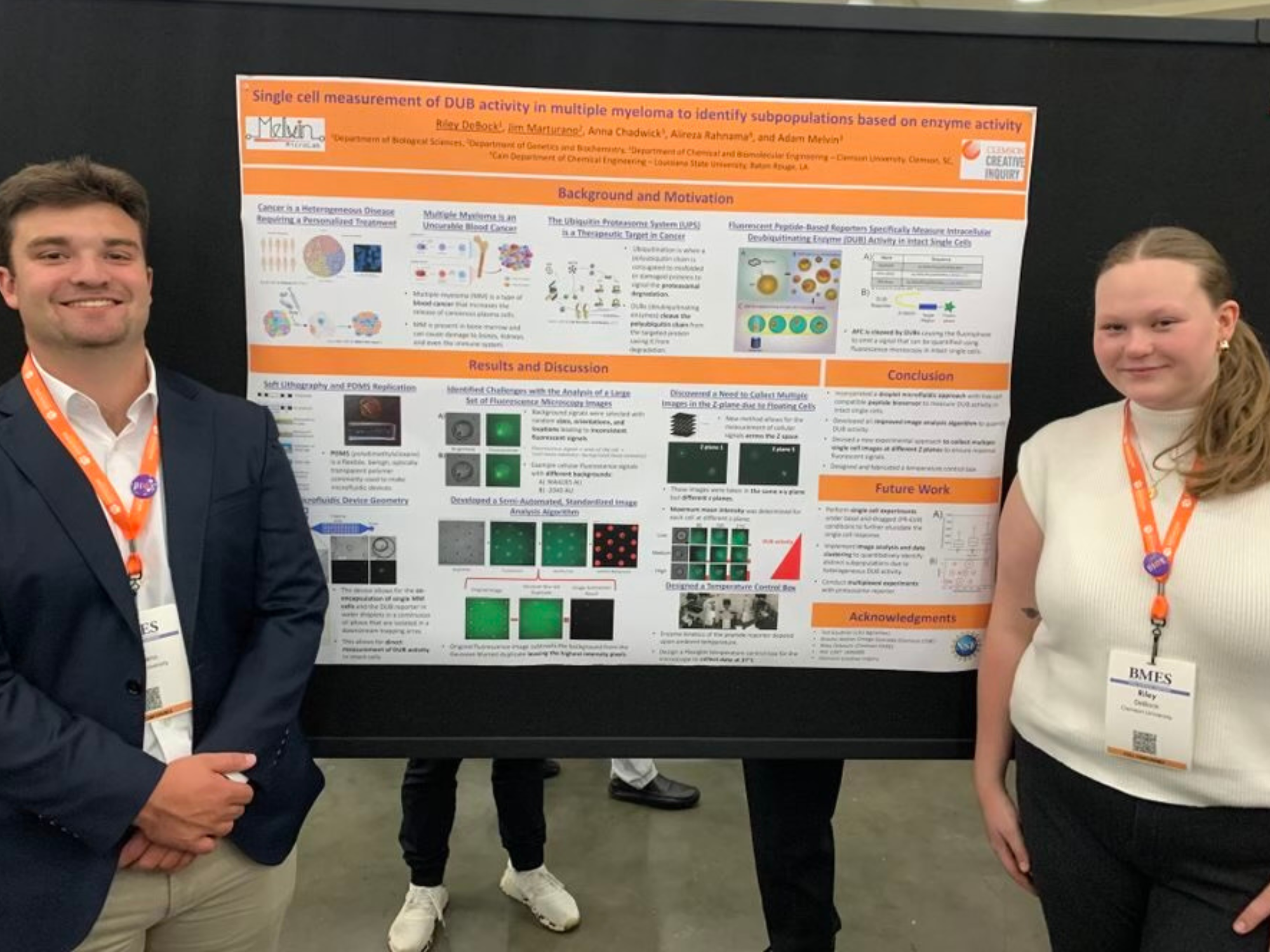
In late October three junior biochemistry students represented the department at the annual Biomedical Engineering Society Meeting (BMES) in Baltimore, MD: James Marturano, Kathleen Doran and Addison Schaff (pictured left to right).
Established in 1968, BMES strives to be the professional home for biomedical engineers to assist you in navigating your career path and striving to make the work of biomedical engineering and those in allied fields, more visible. Their mission is to promote a collaborative and inclusive community to advance human health through education, discovery and translation, which drives their research and educational initiatives, including webinars, chapter programs and meetings.
Each student presented a poster of their research findings with their partner.
James Marturano, biochemistry “Single measurement of DUB activity in multiple myeloma to identity subpopulations based on enzyme activity”
Katleen Doran, biochemistry “Development of a 3D-Printed Device to Study How Bacteria Alters the 3D Migration of Breast Cancer Cells”
Addison Schaaf, biochemistry “Co-culture between ER + breast cancer and bacteria using a 3-D printed platform to recreate the tumor microbiome”