
A career in genetic counseling had always been on Makenzie Ohlin’s ’21 radar during her time as a genetics student at Clemson University. After gaining experience in a research chemistry laboratory following graduation, Makenzie went on to pursue that passion and now serves as a Pediatric Genetic Counselor at the Medical University of South Carolina (MUSC).
Originally from Ohio, Makenzie graduated from high school in Charleston, South Carolina, before making her way to Clemson. Drawn to the university by its unique genetics degree program and proximity to the mountains, she embraced life as a Tiger, spending her time hiking, visiting the South Carolina Botanical Gardens, working at Starbucks on Tiger Blvd. and being a member of the Genetics and Biochemistry Club.
Despite the limitations COVID-19 placed on in-person research opportunities, she made the most of the academic and virtual opportunities available to her such as Crisis Textline and the University of South Carolina’s Genetic Counseling Online Summer course. One specific Clemson course that made a lasting impression on Makenzie was MICR 4170 (Cancer and Aging), which she enrolled in for her microbiology minor, but found it highly relevant to genetics.
“It provided an in-depth review of cancer genetics, oncogenes, and tumor suppressors. I remember this course helping fuel my interest in genetic counseling, particularly when learning how targeted treatments and therapies are designed. It was impactful to not only understand the “why” behind cancer, but also to see how genetics can open the door to new treatment options.”

Makenzie says that both her coursework and the professional and research skills gained during her time at Clemson gave her a valuable skillset needed to be a genetic counselor, noting the senior seminar and the G&B Professional Development course.
“Having a strong foundation in basic concepts in genetics, such as inheritance patterns, population genetics and risk assessment is critical to succeeding in both a genetic counseling program and in a professional role. The lab work helped prepare me for collaboration and teamwork.”
However, after graduating in 2021, Makenzie did not immediately pursue genetic counseling. She was offered a job in a chemistry laboratory in Charleston where she gained foundational skills in healthcare, including working with electronic medical records, collaborating with other healthcare professionals and developing an understanding of metabolic and biochemical laboratory testing.
“Ultimately, my time in the lab helped me realize that I wanted to explore direct patient care and move further into the field of genetics, which led me to work as a genetic counseling assistant. I think being patient with myself and allowing myself to explore different opportunities helped me discover and build my passion for genetic counseling. Being accepted into and completing my genetic counseling degree with honors was a meaningful outcome of that journey.”
For Makenzie, one of the things that makes genetic counseling such a unique career is the wide range of opportunities within the field. While she currently works in a clinical role, there are many opportunities to participate in research projects, write, present cases and collaborate with peers and students on publications.
“Taking the time to explore and experiment with different interests, both during and after my time at Clemson, ultimately led me to where I am today. The biggest difference, however, was gaining exposure to genetic counseling as a career and learning more about the many ways genetic counselors can make an impact.”
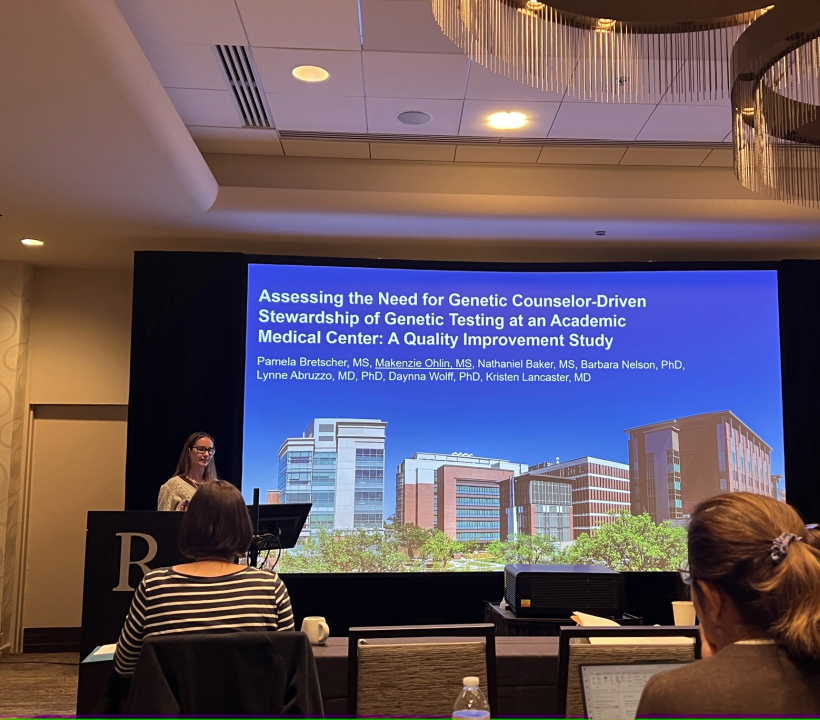
Today, as a pediatric genetic counselor for MUSC, day-to-day responsibilities can vary from taking comprehensive medical and family histories, discussing genetic testing options, reviewing genetic testing results, known diagnoses and management guidelines to communicating results to patients, responding to patient calls and messages, interacting with students and collaborating with colleagues on various projects.
“I would not be where I am now without my gap year experiences. Working in both a lab and as a genetic assistant for a few years before my graduate program gave me time to fully make my decision to pursue a degree in genetic counseling. To make the most of your time in Clemson, try exploring a diverse number of interests and experiences, even if they aren’t directly related to the field.”
For students specifically looking into a genetic counselling career, Makenzie would tell them to find any way possible to gain exposure; take Intro to Genetic Counseling certificate courses, reach out and do phone interviews, shadow, attend virtual informational sessions; etc.
Makenzie lives in the outskirts of Charleston with her husband and two cats, where she loves reading, hiking, visiting the mountains, trying new crafts and visiting coffee shops. She is looking forward to continuing to grow within her new role as a Pediatric Genetic Counselor.
“My interests include working with students more, both undergraduates and graduates, working on publications, and ultimately expanding my skillset. On the personal side, I am working on learning new crafts (like crochet), improving my 10k time, and traveling more!”


