Clemson Extension Upstate District

Spray or Delay?

Spray or Delay?

Spring arrived ahead of schedule this year, catching many producers off guard with the advanced maturity of our common winter weeds. While most of these species are typically easy to control when targeted at the correct growth stage, the recent unseasonal warmth has given them a significant jump start. Now, many of us are looking at advanced weeds and wondering: should we spray now or delay?

The Current Challenge

Take, for example, these healthy specimens of henbit and mustard recently found in a newly established fescue hayfield. In this case, the producer did his due diligence in preparing the field, sowing, and fertilizing within the appropriate time window this fall.

Field of henbit and mustard

However, even the best-laid plans are subject to the weather. The lack of rainfall of this past fall persisted through the winter and into the spring, complicating management decisions.

The Trade-Off: Chemical Power vs. Plant Maturity

It’s tempting to look at a field of mature henbit and mustard and want to reach for a heavy hitter. Many would agree that a strong residual herbicide—such as those containing aminopyralid (like GrazonNext® HL)—would work even on these mature plants.

While you are likely right about the efficacy, we must factor in the maturity of the forage stand. Most high-powered herbicides require the grass to have at least three leaves and a healthy root system before application. This particular stand was just barely above that maturity threshold, and it seemed risky given the current drought conditions and warmer temperatures.

The “Mow vs. Spray” Decision

Beyond plant maturity, there is the critical factor of residual restrictions. Herbicides containing aminopyralid carry a significant restriction: the hay cannot be sold off the farm for 18 months. For many hay growers, this necessitates a non-residual herbicide approach.

However, at this stage of maturity, a non-residual option like 2,4-D would not provide adequate control. By this point, much of the damage—the robbing of water, sunlight, and fertilizer—has already been done by these mature weeds. While it is always satisfying to spray and watch the weeds curl and die, the current drought makes it a real challenge; we need actively growing weeds for maximum herbicide uptake.

In this case, the decision was made to wait and mow the field at a high height. This strategy offers several benefits:

  • Stimulating Growth: Set the mower high to encourage some regrowth and tillering while also avoiding the energy reserves and some canopy.
  • Nutrient Cycling: It leaves the nutrients in the field to break down rather than removing them in a hay crop.
  • Recovery Time: A traditional hay crop is often cut shorter and later in the season, which wouldn’t allow the plant to rebound as quickly before the summer months.

Looking Ahead: Planning for Next Season

The main goal of this situation was to prepare and protect the plant for its biggest hurdle yet: summer. The fescue needs maximum root development to survive the heat and lack of rain.

As we plan ahead for next season, it’s important to remember that many of these winter weeds can be successfully controlled much earlier. Targeting them in the fall, or even during late February and early March, allows for better control while the weeds are small and before they’ve had a chance to rob your forage of vital resources.

Moving forward, they are shifting to a more rigorous weed scouting program. By catching the summer weeds as they emerge, we can ensure they are controlled efficiently and cost-effectively.

As with anything, there is no one answer that fits for everybody. Spraying may still be the best option for your situation. Feel free to reach out, and let’s discuss a plan.

Christopher LeMaster
Area Livestock & Forages Agent
CLEMAST@CLEMSON.EDU

Winter Dairy Weekend: A Hands-On Learning Experience for Youth and Families

The inaugural Winter Dairy Weekend marked an exciting new opportunity for youth and families interested in the dairy industry. Designed as an informative and fun two-day educational experience, the weekend focused on building practical skills, confidence, and enthusiasm preparing youth for success in agriculture, careers, and life.

A total of 28 youth participated, with 24 youth owning their own heifers and 4 youth borrowing heifers for the event. One of the primary goals of Winter Dairy Weekend was to provide hands-on dairy learning that would spark interest and build readiness for future opportunities. For youth who borrowed heifers, the weekend served as an introduction to dairy ownership with the hope that they will be inspired to participate in the Dairy Heifer Project or invest in their own heifers to raise and show. In addition, we hope the 24 youth who already owned their heifers gained valuable skills and confidence to help them prepare for the upcoming show season. Through expert instruction and hands-on practice, youth refined their daily care routines, strengthened their showmanship skills, and deepened their understanding of animal presentation. Our goal is that each participant leaves better prepared, more confident, and ready to be the very best version of themselves—both in and out of the show ring, reflecting the Beyond Ready focus on personal growth and readiness.

Throughout the weekend, youth participated in hands-on instruction covering all aspects of preparing and caring for a dairy heifer. Educational sessions included:

  • Washing and daily care
  • Feeding and nutrition
  • Halter breaking and proper halter fit
  • Judging dairy cattle
  • Fitting and clipping techniques
  • Showmanship skills and ring presence

Participants learned what to look for when selecting a quality heifer, how to properly fit halters, which clippers to use and why, and practical techniques to help make their heifers look their very best in the show ring. Special emphasis was placed on attention to detail, confidence, and communication—skills that extend far beyond the show ring!

Beyond technical skills, Winter Dairy Weekend provided a space for youth to build friendships, work as a team, and connect with peers and mentors. These experiences reinforced that dairy projects are about more than cattle; they develop responsibility, leadership, teamwork, and problem-solving. Which are critical life skills that prepare youth for future challenges.

As the very first Winter Dairy Weekend, the event established a strong foundation for future programming. We hope this experience benefited both youth and parents and sparked continued interest in dairy projects while supporting long-term youth development through hands-on learning and leadership opportunities.

More information contact: Tina Horn

York County Clemson Extension Supports Yellow-legged Hornet Eradication Program

Officials with the Clemson University Department of Plant Industry (DPI) discovered an invasive yellow-legged hornet nest in York County on December 8, 2025 after a local beekeeper reported seeing a hornet preying on honey bees. This was the first detection of a yellow-legged hornet or nest in South Carolina outside the Lowcountry.

Yellow-legged Hornet

To protect York County (and surrounding areas) pollinators, natural resources, and agricultural economy from the potential impacts of this invasive species, Clemson University’s public service units have mobilized to provide education, assist with identification, and coordinate eradication efforts.

Clemson Extension’s York County office, located in downtown York, is on the front-line of this effort by providing outreach education and serving as a trap site to help DPI identify where these hornets might be establishing nests so they can be located and eradicated.

DPI staff will be placing hundreds of traps, like the one in the picture above, throughout York County and surrounding areas to monitor potential sightings. The public is encouraged to NOT disturb these traps, as they are being monitored by Clemson University DPI staff.

The yellow-legged hornet, which is not the same as the northern giant hornet, has the potential to be more aggressive towards humans, especially in the early stages of nest development. Humans are more likely to come in contact with these hornets as they are more apt to build nests on homes and manmade structures.

The most serious concern with the yellow-legged hornet is its potential to damage the already embattled U.S. beekeeping industry. Yellow-legged hornets are a principal pest of honey bees, having caused increased colony losses in western Europe since their detection in 2004. Their establishment and spread in the U.S. is alarming for beekeepers, who are already reeling from a year in which the nation’s colony loss rate was greater than 60 percent.

Residents are urged to use this reporting tool website to document any potential sighting of these hornets. You can learn more about the yellow-legged hornet here and the life-cycle of yellow-legged hornet nests can be seen below:

Related links used for this blog post:

Yellow-legged hornet nest located in York County; residents urged to report sightings

Plant Industry – Trapping Yellow-Legged Hornet

Blog post editor and photographer: Ben Boyles, Agribusiness Agent, York County Coordinator

A Year in Motion: Newberry County 4-H So Far

Mallory Fulmer

As we move through the 2025–2026 4-H year, it’s been exciting to look back at just how much our Newberry County 4-H’ers have already accomplished. With 123 members currently enrolled, our clubs have been busy meeting monthly, learning new skills, and building friendships that extend far beyond the meeting room.

Across the county, our clubs have been buzzing with activity. From hands-on cooking in our Kitchen Clubs to creativity and patience on display in Needlework’s club, 4-H’ers have been diving into projects that challenge them to learn, lead, and try something new. Our STEM clubs continue to spark curiosity through experiments and problem-solving, while our shooting sports clubs emphasize discipline, safety, and responsibility.

Our Teen Council has been especially active this year, giving back to the community in meaningful ways. Members had a blast passing out candy at the Newberry Health Truck or Treat, spreading smiles and sweet treats to families across the county. Teen Council members also participated in a self-defense class, building confidence and learning important personal safety skills. In addition, all Newberry County 4-H members helped spread holiday cheer by participating in the Prosperity Christmas Parade, proudly representing 4-H and celebrating the season together.

We also kicked off 2026 with a special New Year’s Camp, where 4-H’ers learned about traditions and superstitions from around the world while reflecting on personal goals for the year ahead. It was a fun and thoughtful way to ring in the new year, encouraging youth to dream big and set intentions for what’s next.

With strong participation, growing membership, and plenty of laughter along the way, this 4-H year is already shaping up to be one to remember.

Getting Established: A Look at My First Four Months as a Livestock and Forages Agent

Sydney Rentz

Over the past four months, I have been getting established in my role as the Clemson Extension Area Livestock and Forages Agent, focusing on building relationships with producers, assessing local needs, and identifying opportunities to strengthen livestock and forage systems across Newberry, Laurens, and Greenwood Counties. This initial period has been spent meeting with farmers, visiting operations, and working to better understand the challenges and goals of our livestock community. These early efforts are laying the groundwork for future programming, on-farm support, and educational resources aimed at improving forage management, animal performance, and overall farm sustainability.

So far, some of my time has been invested in attending Cattlemen’s Association meetings in my coverage area, regional bull sales, and professional development conferences to stay connected with both producers and industry trends. These events have provided me with valuable insight into current cattle markets, soil and forage health and fertility, and management practices to share with my local producers. Participation in fellow Extension agents’ programs has also offered opportunities to observe successful programming efforts, gather new ideas, and strengthen collaborative relationships across counties. Together, these experiences are helping shape future livestock and forage programming to better serve local producers and support informed decision-making on their operations.

Looking ahead to 2026, I look forward to continuing to work alongside our livestock producers and supporting the growth and success of operations across Newberry, Laurens, and Greenwood Counties. Strengthening relationships, providing research-based information, and developing practical programming that meets local needs will remain a top priority of mine. Whether through on-farm visits, educational meetings, or collaborative events, my goal is to ensure producers have access to the tools and resources needed to improve their operations. I am excited for the opportunities ahead and appreciate the continued support and engagement from our livestock community. 

Looking Ahead: A Busy and Exciting Spring for Newberry County 4-H

Mallory Fulmer

While we’re proud of everything accomplished so far, the best is still ahead for Newberry County 4-H. With four more months of club meetings, plus spring break adventures and summer camps on the horizon, our 4-H calendar is packed with opportunities to learn and explore.

Spring Break will bring three exciting camps for our 4-H’ers. Forged in 4-H will offer a unique blacksmithing day camp experience, where participants can learn about metalworking, tools, and craftsmanship in a hands-on setting. Our Spring Farm Tour Camp will take youth around Newberry County to visit local farms, giving them a closer look at agriculture right in their own community. We’ll also host a Cake Decorating Camp, featuring a local baker who will teach participants creative icing techniques and decorating skills sure to impress.

Looking beyond spring break, we’re gearing up for even more statewide opportunities. Some of our junior 4-H’ers will attend SC 4-H Junior Weekend this spring, while our Teen Council seniors are already looking forward to SC 4-H Congress in July. We’re also excited to support a senior team of 4-H’ers at the Cooking: Life, a Chef Summit, where youth can showcase their skills and teamwork.

This spring, 4-H youth will also attend SC 4-H Legislative Day, where they will have the opportunity to connect with legislators and advocate for what 4-H means to them and their communities.

Behind the scenes, spring is also the busiest time of year for school programming. From February through May, 48 teachers across Newberry County will participate in the 4-H Embryology Project. Students will get an up-close look at the life cycle of a chick, from egg to hatch, creating unforgettable learning experiences in classrooms across the county.

Summer camps will be announced closer to mid-April, and we can’t wait to share what’s in store. From clubs and camps to statewide events and school programs, Newberry County 4-H is heading into a season full of learning, leadership, and fun — and we’re just getting started.

Spring Field Trials and Grower Outreach Efforts in Upstate South Carolina

Andy Rollins
Commercial Horticulture Agent
Spartanburg County

Andy Rollins presenting at the Upstate Strawberry Meeting

I am currently planning a replicated on-farm herbicide trial on jalapeño peppers at the farm of Ignacio Estrada Jr in Greenville County. The trial will evaluate the viability of Spartan herbicide as a weed control option. This project is being coordinated with Dr. Mathew Cutulle, a Clemson University specialist based at the Coastal Research and Education Center in Charleston, SC.

I recently completed the Upstate Strawberry Production Meeting at the Spartanburg Community College Cherokee Campus “Institute for Innovation,” a new venue for me. The meeting attracted growers from at least four counties across South Carolina, as well as two farms from North Carolina.

I will also continue my work on thinning peaches using Ethylene. I have experienced difficulty thinning varieties such as Scarlet Prince and July Prince. To address this, I will use a two-pronged approach: thinning during bloom with Ammonium Thiosulfate (ATS), followed by thinning at the fruitlet stage with Ethephon 2 SL. Peach growers currently rely on hand thinning, which is the most expensive labor input in peach production. This makes the development of effective chemical thinning strategies especially important for peach growers in the Upstate of South Carolina.

My final spring training for Upstate vegetable growers will be held on March 12.

Cherokee County: 4-H Fun

PCAG

Cherokee County Poultry & Rabbit Show

Kids Club

Homeschool Club

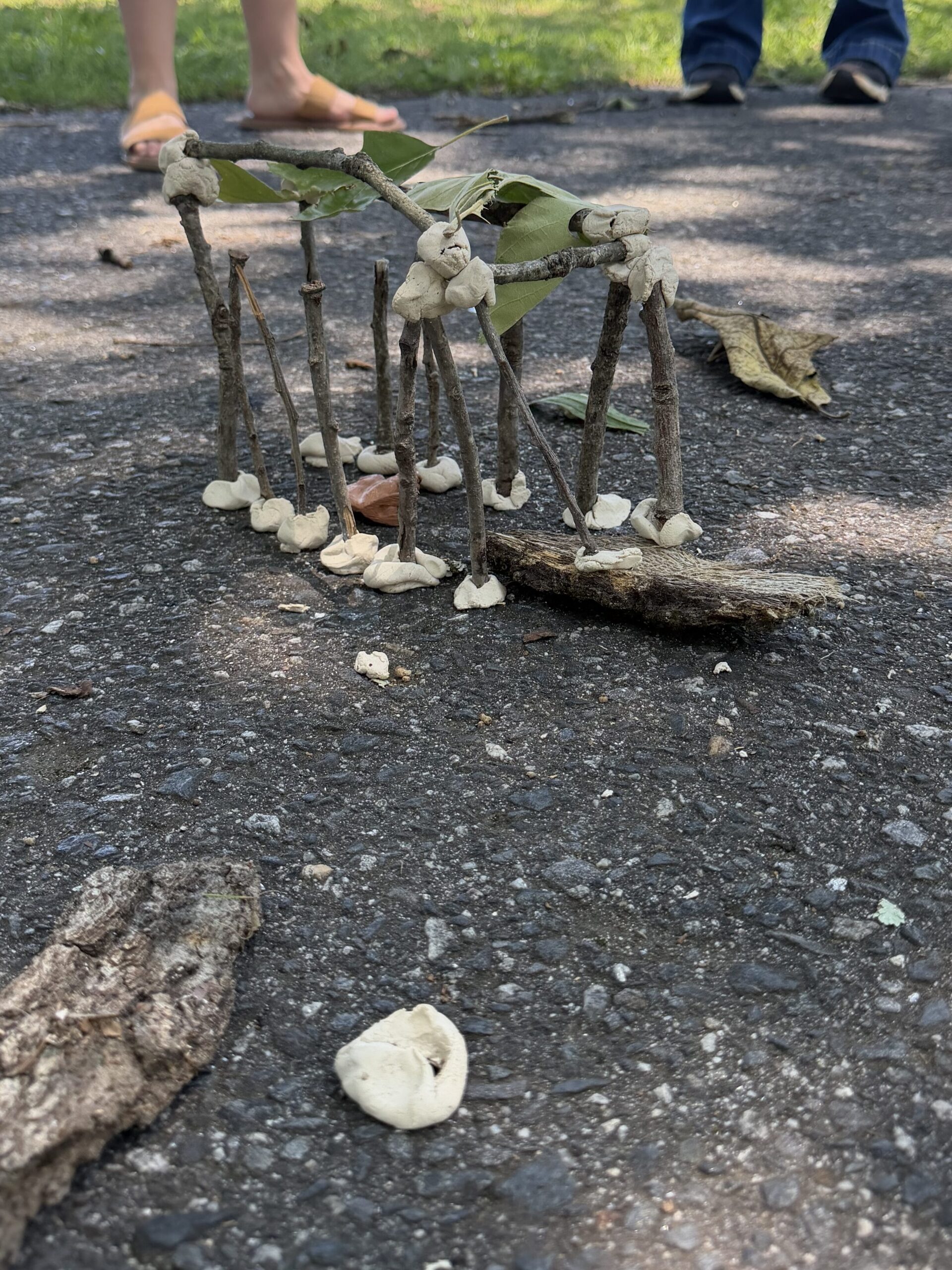
Homeschool Club practices bridge building for the SC 4-H Engineering Challenge

Sewing Club

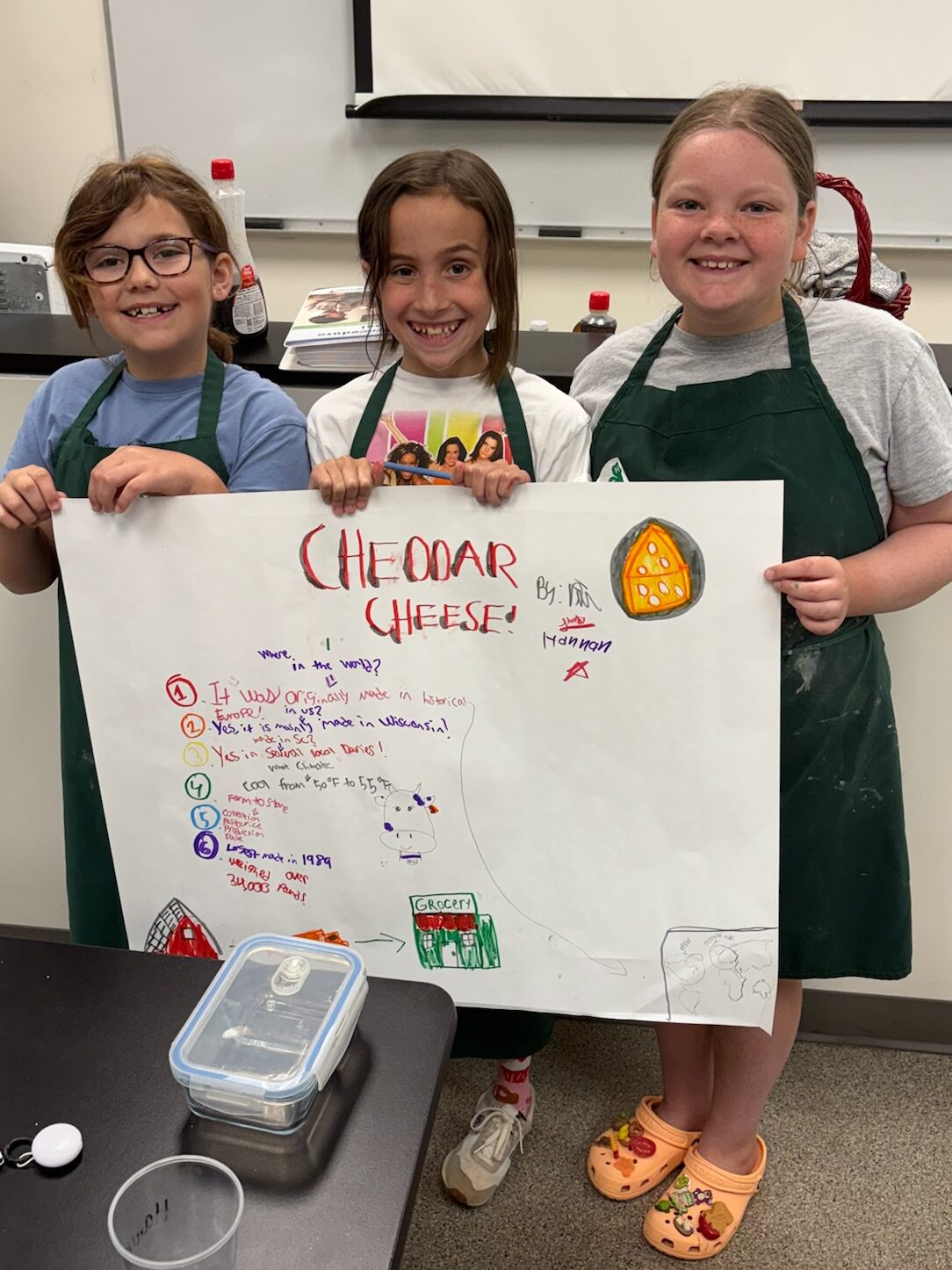
Clovers in the Kitchen Cooking Club

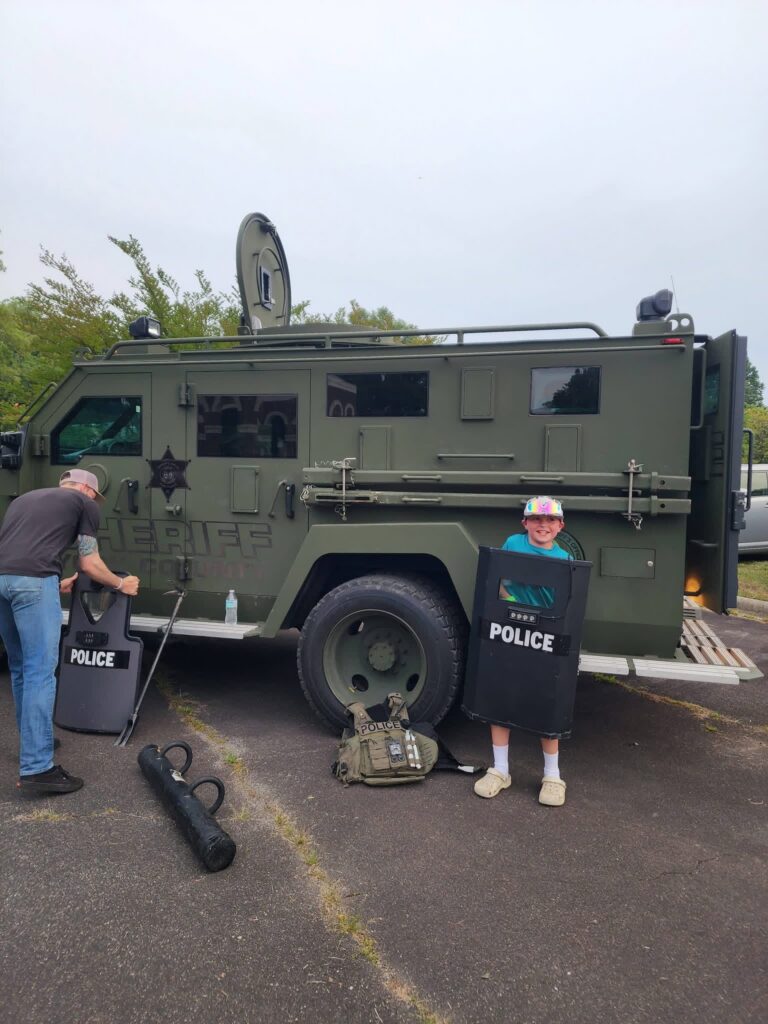
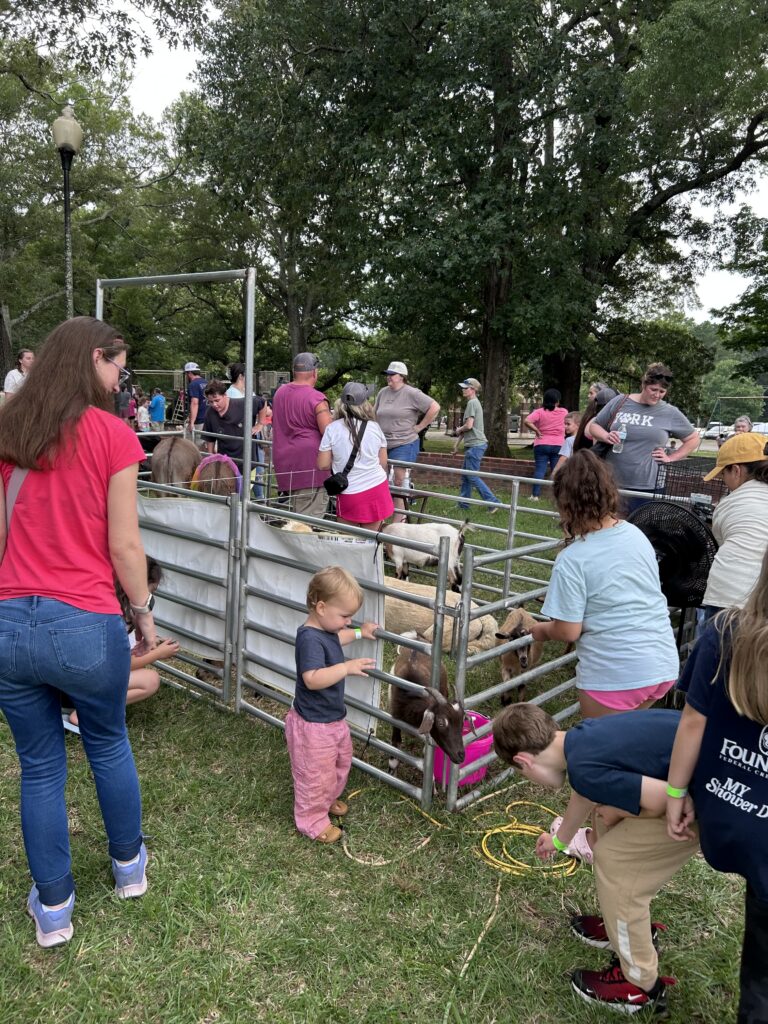
Down on the Farm Day

Cherokee Charter Academy 4-H Club

4-H Club meeting

4-H Teen Council

Water Updates: Cherokee County

Heather Nix
Water Resource Agent

Abbeville, Anderson, Cherokee, Greenville, Greenwood, Laurens, McCormick, Oconee, Pickens, & Spartanburg Counties

Aquatic Herbicide Application; photo by Heather Nix
Photo credit: Heather Nix

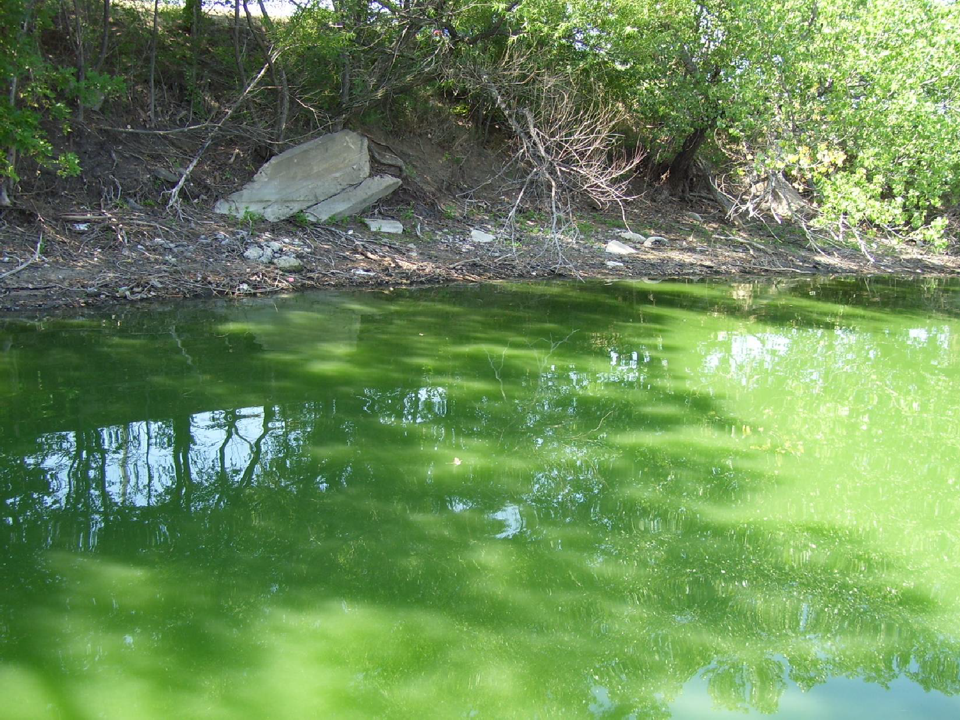
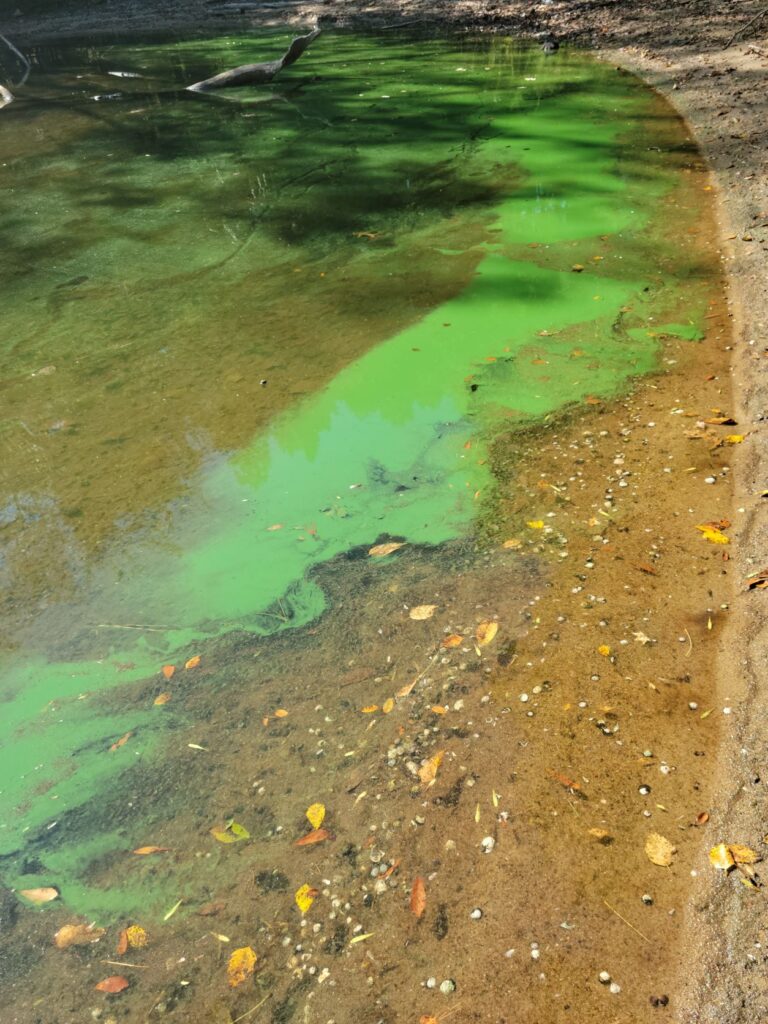
Water Quality Issues: Last year, harmful algal blooms (HABs) were plentiful and had a record long season, with SCDES identifying blooms in major reservoirs from 4/30/25 (Lake Hartwell) to 11/24/25 (J. Strom Thurmond Reservoir). We responded to many related complaints, including one that involved the deaths of 24 adult cows on a farm with cyanotoxin-producing HABs. In response, we are working to have new tools and materials available to improve and streamline responses later this year. Existing tools include several fact sheets, articles, manuals, a pocket field guide, and an online class – all available online at https://www.clemson.edu/extension/hab/materials.html.

Drought Status: Reports of low water levels in ponds are increasing across the Upstate.
As of 2/19/26, all of Cherokee County is experiencing some level of drought (see map), including
D2 Severe (northern ~61%) and D3 Extreme (southern ~39%).

Visit the US Drought Monitor website for updated weekly reports (https://droughtmonitor.unl.edu/CurrentMap.aspx). Submitting a report is quick and easy – and helps inform drought status decisions – visit the Condition Monitoring Observations Report website to get started (https://droughtimpacts.unl.edu/Tools/ConditionMonitoringObservations.aspx)

Drought Monitor Data

Spartanburg 4-H’s Hands for Larger Service

Laura Haddon
4-H Agent
Spartanburg County

One of the four H’s in 4-H stands for “Hands to Larger Service”.  Spartanburg 4-H members, parents and volunteers stay busy serving our local community throughout the year.

Our youth have a sweet friendship with the residents at Restoration Senior Living.  Teen Council can be found there several evenings throughout the year playing an exciting game of BINGO.  A Gingerbread House competition has become an annual holiday tradition of our Homeschool Club.  They bring the supplies, construct the houses on site, much to the residents’ enjoyment, and then the residents pick the winners!  Other youth have planted a pollinator garden and enjoyed a “Slip and Slide” event to cool off during the summer months.

In addition to serving the older members of our community, Spartanburg 4-H collects hygiene supplies for the Miracle Hill Rescue Mission in Spartanburg.  Our youth collect individual supplies and pack them into gallon-sized resealable bags and include an encouraging note to the recipients.

As the Spartanburg 4-H Agent, I get to observe this kindness, compassion, and generosity up close and am blown away by how eager our youth are to help their neighbors and keep their pledge to use their hands for larger service!