Drew Jeffers
Horticulture Agent
Greenville
It has been a busy spring and summer for horticulture programming in Greenville County, and the pace is not slowing as we head into fall and begin looking ahead to 2027.
Over the past several months, much of my work has focused on helping homeowners, Master Gardeners, and green-industry professionals make better horticultural and pest-management decisions. That has included educational programs, professional training, diagnostic assistance, research, and the continued development of new Extension resources.
This summer also provided several opportunities to share some of that work beyond Greenville County. In August, I presented three research projects at the American Society for Horticultural Science Annual Conference in Dallas. Those presentations focused on consumer demand for Integrated Pest Management (IPM) services, Master Gardener knowledge of IPM, and factors affecting long-term retention of Master Gardener volunteers.
Closer to home, work has continued on the South Carolina Certified Landscape Professional program, including efforts to update and strengthen the curriculum for future participants. We have also been developing new educational resources for the green industry, including an IPM video project with the Clemson Campus Research Greenhouses and the transition of commercial pesticide applicator exam-preparation material into a more applied, online, on-demand IPM course.
A Full Fall Ahead
Fall 2026 is already shaping up to be busy.
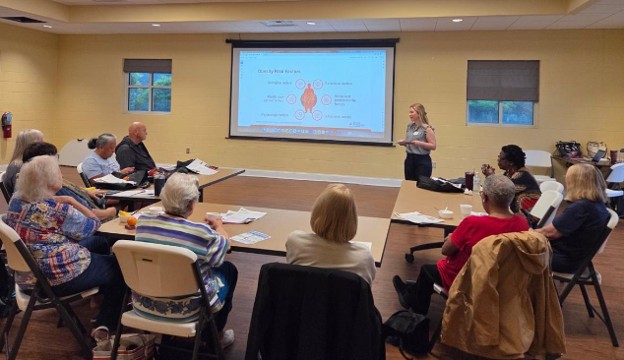
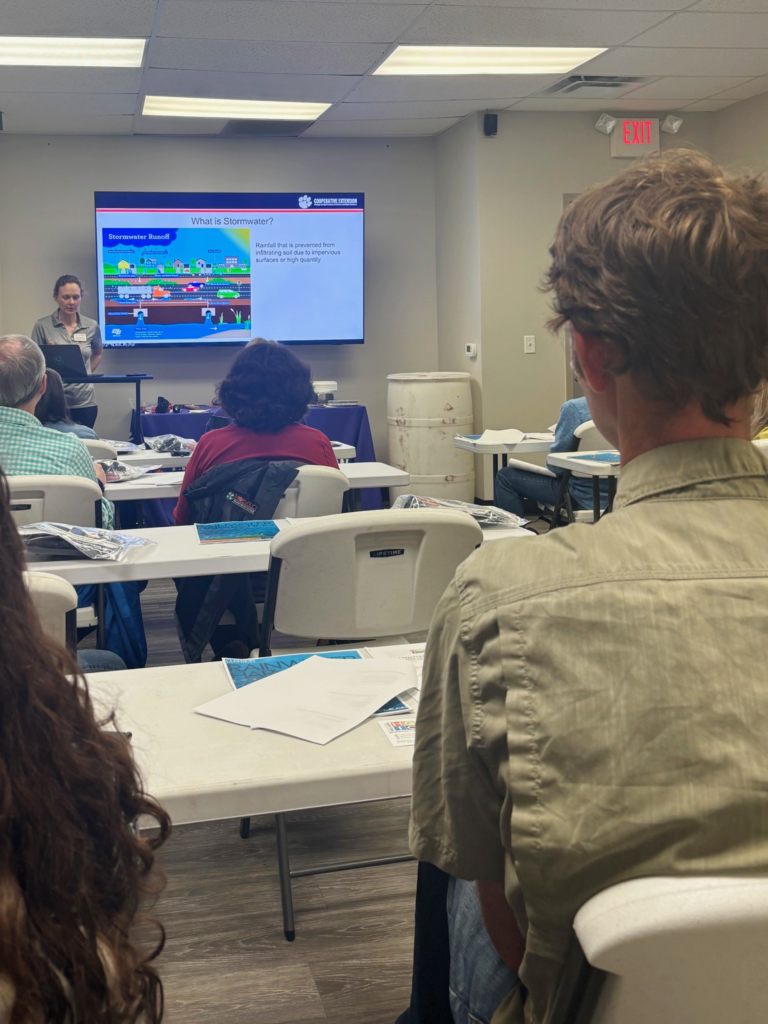
Our Greenville County Master Gardener Training Course began in September and will continue through February 2027. Over the next several months, participants will work through topics ranging from soil and plant physiology to pest management, trees and shrubs, diagnostics, and other core horticultural subjects.
On October 17, I will be at the Kilgore Lewis House Fall Festival and Plant Sale, presenting Increasing Biodiversity in the Landscape and answering gardening questions at a horticulture Q&A booth.
October will also bring our annual IPM Symposium, which provides continuing education for landscape, nursery, greenhouse, and other green-industry professionals. The program focuses on practical, research-based approaches to pest identification, diagnosis, pesticide stewardship, and Integrated Pest Management.
In November, Jackie Jordan and I will present a hands-on Microscope and Diagnostics Workshop at the South Carolina State Master Gardener Conference in Myrtle Beach. The workshop will give Master Gardeners an opportunity to strengthen their diagnostic skills and gain experience with microscopes and other tools for investigating plant problems.
Looking Ahead to 2027
We are already planning a full slate of horticulture programs for next year.
For green-industry professionals, 2027 programs will include live webinars on plant diagnostics, biological controls, ornamental diseases, thrips, mites, whiteflies, and scale insects. We are also planning pesticide applicator training opportunities, a Greenhouse & Nursery Growers Summit, and continued IPM programming.
Homeowners will have several opportunities as well. Programs already planned include:
- Landscaping with Sun Perennials
- Landscaping with Shade Perennials
- Ornamental Landscape IPM
- Vegetable Garden Pest Management
- Using Shrubs in the Landscape
I am also planning to expand public outreach through garden center Q&A booths during the spring gardening season. These informal events will provide an opportunity for homeowners to stop by, ask gardening questions, learn about Clemson Extension resources, and receive research-based information as they make decisions for their landscapes and gardens.
Another longer-term goal is the development of an advanced diagnostics and IPM training program for experienced Master Gardeners. This will likely be a collaborative effort involving Extension agents and specialists, focusing on practical diagnosis, scouting, symptom recognition, and pest management decision-making.
Staying Connected
One of the goals of Clemson Cooperative Extension is to make research-based horticultural information practical and accessible, whether you are managing a commercial landscape, growing plants professionally, volunteering as a Master Gardener, or simply trying to keep your own lawn and garden healthy.
As registration opens for these programs, details will be shared through Clemson Extension and Greenville County program announcements.
There is a lot ahead in 2027, and I look forward to continuing to work with homeowners, volunteers, and horticulture professionals throughout Greenville County and across South Carolina.