CHRISTOPHER LeMASTER JR, Clemson Extension Livestock & Forages Agent
After a dry spring, many producers are asking the same question: how do we make up lost forage?
For a lot of operations this year, the answer is summer annuals.
Why summer annuals?
Summer annuals are fast-growing, high-quality forages that can help fill gaps when perennial systems fall short. In the Southeast, they’re typically planted from April through June and can be used for grazing, baleage, or hay.
Under good conditions, they can produce 5,000 to 10,000 pounds per acre with 15%+ crude protein—a strong option coming out of a poor spring. They are an excellent alternative to the increased risk of fescue toxicity across the summer months. Of course, that still depends on rainfall and management.
Even with risk, farmers are planting.
This isn’t a low-risk move.
Ongoing drought, elevated fuel and fertilizer prices make this a difficult decision. After looking at several extension enterprise budgets, some summer annuals could easily land in the $200/acre ballpark. However, doing nothing has a cost too!
Start with your goal.
Before planting, think about what you need most:
Dry hay – Possible, but challenging due to thick stems. Higher seeding rates and a mower conditioner can help.
Baleage – Strong option for hard-to-dry crops. Ensilation can also decrease nitrates
Grazing – A great way to stretch forage, improve cattle performance, and give Fescue pastures a break heading into fall and punch through the summer slump.
Don’t overlook mixtures.
Mixtures are getting more attention—and for good reason.
Adding legumes can:
Reduce nitrogen needs
Maintain yield and quality
Improve soil health and resilience
They can also help buffer against drought and extend the grazing season. Just keep in mind that herbicide options may be more limited.
A quick word on risk
Not all summer annuals handle stress the same.
Pearl millet offers good drought tolerance and avoids prussic acid risk (though nitrates are still possible).
Sorghum and sorghum-sudan can be high-yielding but require careful management due to prussic acid and nitrate concerns.
Crabgrass performs well but needs consistent moisture
Final thoughts
Summer annuals aren’t a silver bullet—but they can help bridge the forage gap after a dry spring.
This isn’t an exhaustive list—just a starting point.
If you’re trying to decide what fits your operation, reach out or check out our other forage resources. We’re happy to help you think through your options.
Christopher LeMaster, Jr. Livestock & Forage Agent Cherokee, Spartanburg, & Union Counties
We don’t usually associate tall fescue with nitrate toxicity in the spring. However, the current D3 drought conditions have changed the equation. This is not only a “summer problem,” but cool-season grasses—such as tall fescue or winter annuals—can pose a risk under these specific conditions.
If you applied high levels of nitrogen this spring to catch a flush of growth that never came, the risk in your fescue fields is real. Without rain, the plant couldn’t convert that nitrogen into growth. It simply accumulated in the lower portion of the plant. Now that we are finally seeing some rain, that “stuck” nitrogen is being pulled into the plant at a rapid rate.
The Spike
It is a common misconception that the danger passes as soon as the grass turns green again. In reality, research shows that nitrate levels typically spike 2 to 3 days after a drought-ending rain. This is the most dangerous window for your livestock.
The One-Week Rule: While the spike is most acute in the first 48 to 72 hours, we recommend waiting at least one week before grazing or harvesting. This allows the plant time to resume normal metabolism and begin “growing out” of that initial nitrate flush.
Hay is “Locked In”: Nitrates do not dissipate in dry hay. Once your mower hits the field, you are locked in at that nitrate level forever.
Silage/Fermentation: If you are putting up high-moisture forage or baleage, the fermentation process can reduce nitrate levels by 40% to 60%, but this should still be verified with a test.
Don’t Guess—Test
If you have fields with a high nitrogen history that are currently recovering from drought, I strongly recommend sampling the standing forage before you cut.
Get a Representative Sample: Take “grab samples” from multiple areas of the field, specifically focusing on the lower portions of the plant where nitrates concentrate.
Utilize the Lab: Bring your samples to your local Extension Office or send them directly to the Agricultural Service Laboratory. They can provide a precise analysis of nitrate-nitrogen levels.
Check the Backlog: We may also consider testing outside of that initial one-week window. Once the plant has had time to work through the backlog of accumulated nitrogen, a follow-up sample can confirm if the forage has returned to an acceptable or safe range for harvest.
Next Steps
If your test results come back with an elevated nitrate level, we can work on a plan to safely manage that forage. Whether that means diluting the feed with other forages, adjusting your grazing strategy, or simply waiting a few more days for the plant to balance out, there are ways to keep your herd safe.
Have questions about how to pull a proper sample or interpret your lab results? Reach out to your local livestock and forage agent today.
Spring arrived ahead of schedule this year, catching many producers off guard with the advanced maturity of our common winter weeds. While most of these species are typically easy to control when targeted at the correct growth stage, the recent unseasonal warmth has given them a significant jump start. Now, many of us are looking at advanced weeds and wondering: should we spray now or delay?
The Current Challenge
Take, for example, these healthy specimens of henbit and mustard recently found in a newly established fescue hayfield. In this case, the producer did his due diligence in preparing the field, sowing, and fertilizing within the appropriate time window this fall.
However, even the best-laid plans are subject to the weather. The lack of rainfall of this past fall persisted through the winter and into the spring, complicating management decisions.
The Trade-Off: Chemical Power vs. Plant Maturity
It’s tempting to look at a field of mature henbit and mustard and want to reach for a heavy hitter. Many would agree that a strong residual herbicide—such as those containing aminopyralid (like GrazonNext® HL)—would work even on these mature plants.
While you are likely right about the efficacy, we must factor in the maturity of the forage stand. Most high-powered herbicides require the grass to have at least three leaves and a healthy root system before application. This particular stand was just barely above that maturity threshold, and it seemed risky given the current drought conditions and warmer temperatures.
The “Mow vs. Spray” Decision
Beyond plant maturity, there is the critical factor of residual restrictions. Herbicides containing aminopyralid carry a significant restriction: the hay cannot be sold off the farm for 18 months. For many hay growers, this necessitates a non-residual herbicide approach.
However, at this stage of maturity, a non-residual option like 2,4-D would not provide adequate control. By this point, much of the damage—the robbing of water, sunlight, and fertilizer—has already been done by these mature weeds. While it is always satisfying to spray and watch the weeds curl and die, the current drought makes it a real challenge; we need actively growing weeds for maximum herbicide uptake.
In this case, the decision was made to wait and mow the field at a high height. This strategy offers several benefits:
Stimulating Growth: Set the mower high to encourage some regrowth and tillering while also avoiding the energy reserves and some canopy.
Nutrient Cycling: It leaves the nutrients in the field to break down rather than removing them in a hay crop.
Recovery Time: A traditional hay crop is often cut shorter and later in the season, which wouldn’t allow the plant to rebound as quickly before the summer months.
Looking Ahead: Planning for Next Season
The main goal of this situation was to prepare and protect the plant for its biggest hurdle yet: summer. The fescue needs maximum root development to survive the heat and lack of rain.
As we plan ahead for next season, it’s important to remember that many of these winter weeds can be successfully controlled much earlier. Targeting them in the fall, or even during late February and early March, allows for better control while the weeds are small and before they’ve had a chance to rob your forage of vital resources.
Moving forward, they are shifting to a more rigorous weed scouting program. By catching the summer weeds as they emerge, we can ensure they are controlled efficiently and cost-effectively.
As with anything, there is no one answer that fits for everybody. Spraying may still be the best option for your situation. Feel free to reach out, and let’s discuss a plan.
Andy Rollins Commercial Horticulture Agent Spartanburg County
I am currently planning a replicated on-farm herbicide trial on jalapeño peppers at the farm of Ignacio Estrada Jr in Greenville County. The trial will evaluate the viability of Spartan herbicide as a weed control option. This project is being coordinated with Dr. Mathew Cutulle, a Clemson University specialist based at the Coastal Research and Education Center in Charleston, SC.
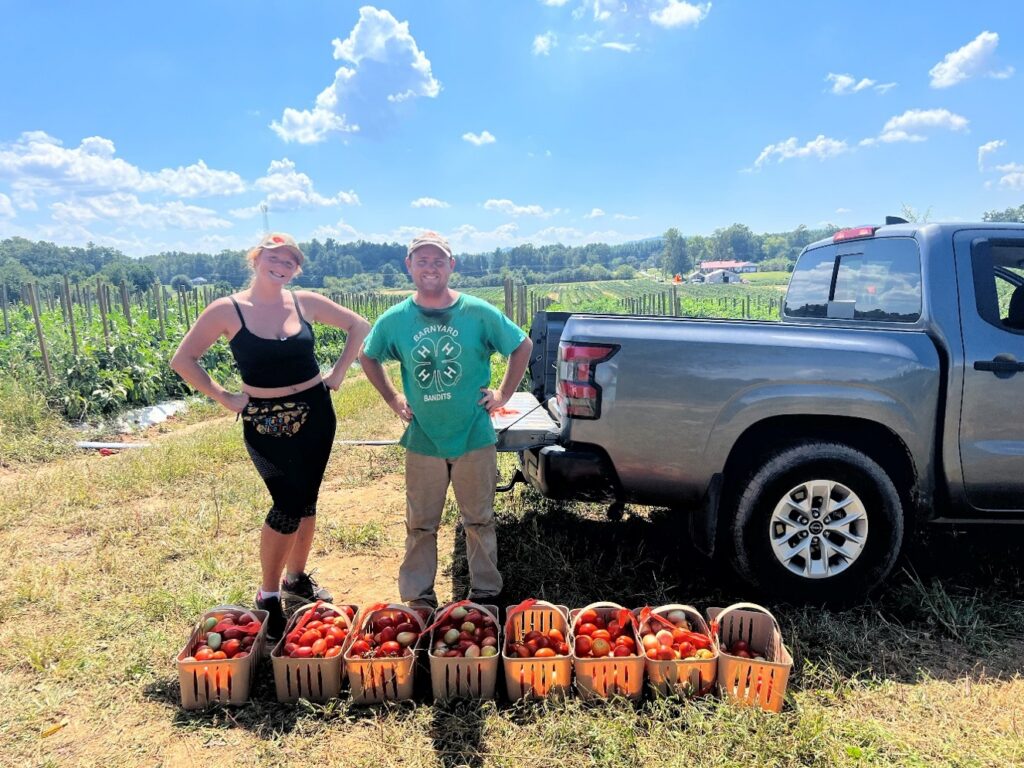
I recently completed the Upstate Strawberry Production Meeting at the Spartanburg Community College Cherokee Campus “Institute for Innovation,” a new venue for me. The meeting attracted growers from at least four counties across South Carolina, as well as two farms from North Carolina.
I will also continue my work on thinning peaches using Ethylene. I have experienced difficulty thinning varieties such as Scarlet Prince and July Prince. To address this, I will use a two-pronged approach: thinning during bloom with Ammonium Thiosulfate (ATS), followed by thinning at the fruitlet stage with Ethephon 2 SL. Peach growers currently rely on hand thinning, which is the most expensive labor input in peach production. This makes the development of effective chemical thinning strategies especially important for peach growers in the Upstate of South Carolina.
My final spring training for Upstate vegetable growers will be held on March 12.
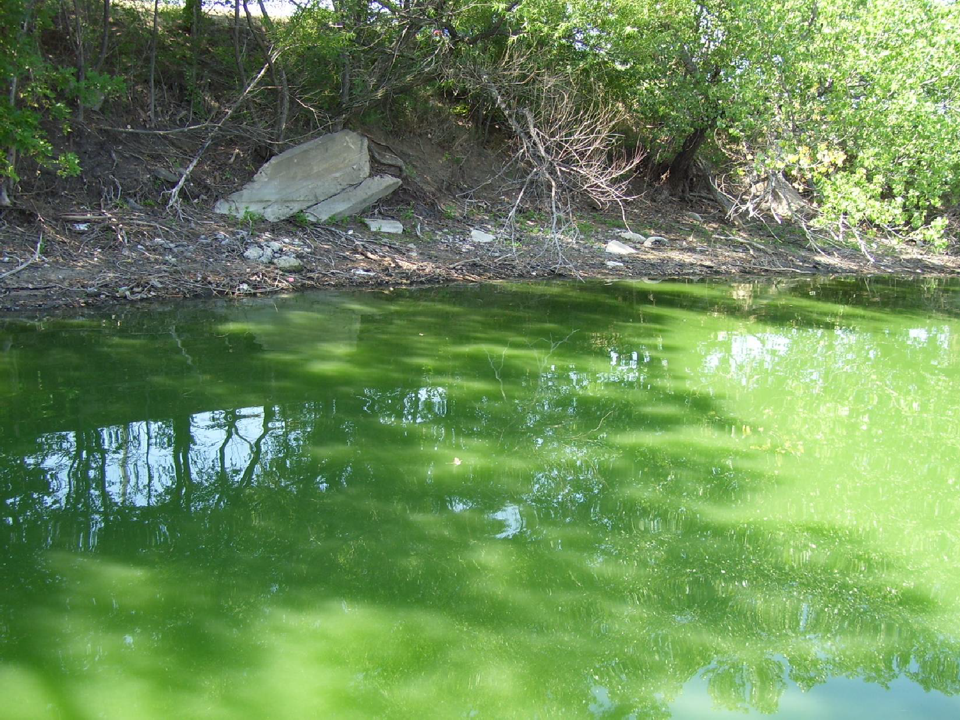
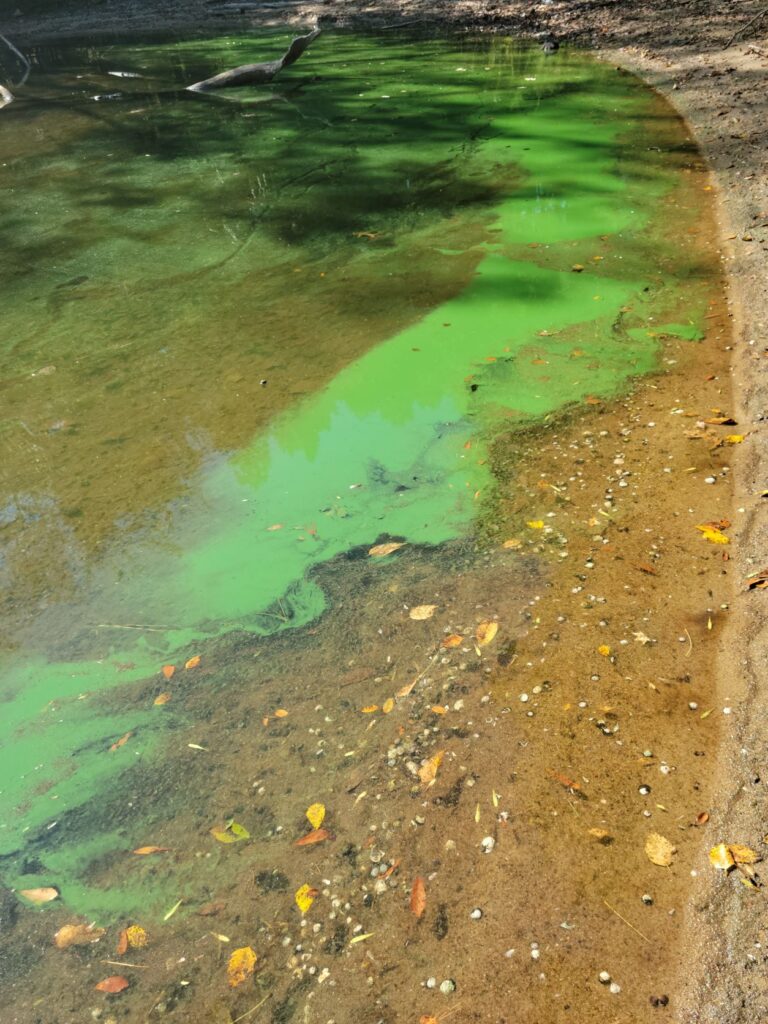
Water Quality Issues: Last year, harmful algal blooms (HABs) were plentiful and had a record long season, with SCDES identifying blooms in major reservoirs from 4/30/25 (Lake Hartwell) to 11/24/25 (J. Strom Thurmond Reservoir). We responded to many related complaints, including one that involved the deaths of 24 adult cows on a farm with cyanotoxin-producing HABs. In response, we are working to have new tools and materials available to improve and streamline responses later this year. Existing tools include several fact sheets, articles, manuals, a pocket field guide, and an online class – all available online at https://www.clemson.edu/extension/hab/materials.html.
Drought Status: Reports of low water levels in ponds are increasing across the Upstate. As of 2/19/26, all of Cherokee County is experiencing some level of drought (see map), including D2 Severe (northern ~61%) and D3 Extreme (southern ~39%).
Haven Blackwell 4-H Youth & Development Agent Cherokee County
Cherokee Charter Academy 4-H Club rides in the Christmas Parades
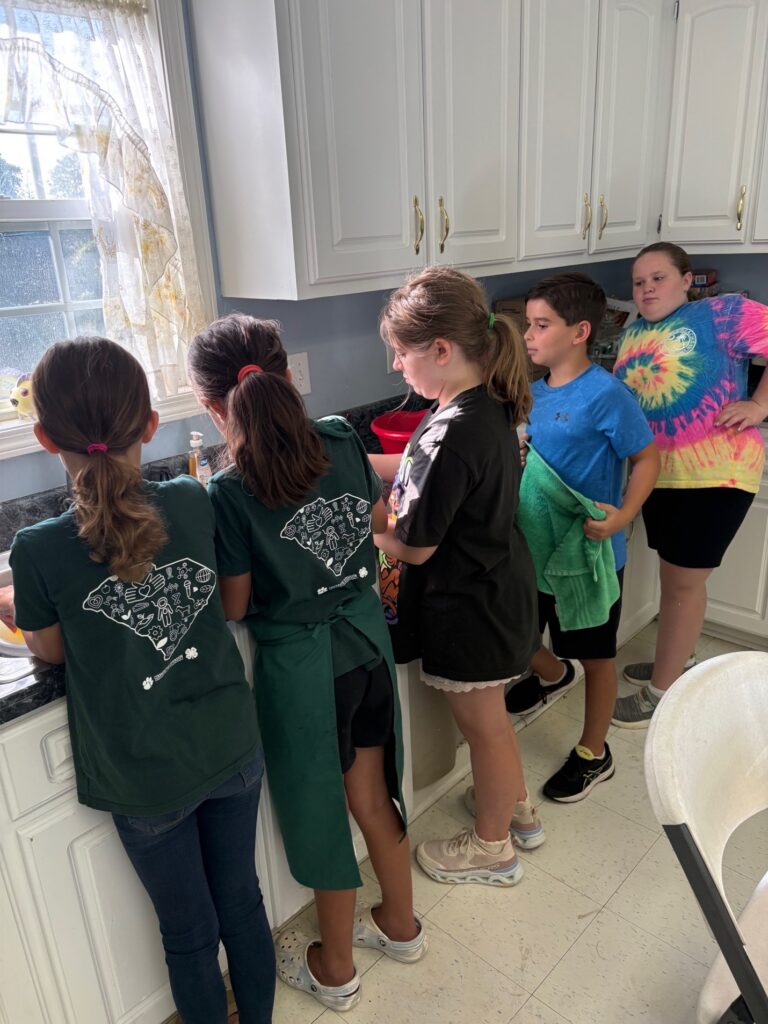
The Cherokee Charter Academy 4-H Club continues to demonstrate what it truly means to pledge “hands to larger service.” Throughout this school year, members have actively participated in a variety of meaningful and educational experiences, including submitting entries to the fair, exploring the art and science of beekeeping, marching in local parades, and serving their community through hands-on projects.
One standout example of leadership came from 4-H’er Tristan Wilkinson, who took initiative by writing to his school’s administration to propose hosting a food drive and organizing a Thanksgiving meal for school families. Inspired by his idea, the administration partnered with the 4-H club to bring the vision to life. Together, they organized a food drive, packed bags of groceries for families in need, and prepared a Thanksgiving meal for those who may not have otherwise had one. We are incredibly proud of Tristan for his courage and leadership, and of the entire club for stepping up to serve in such a meaningful way.
Tristan Wilkinson organized a food drive.
The momentum doesn’t stop there. The Cherokee Charter Academy 4-H Club still has a full semester of exciting activities ahead. Members are looking forward to visiting the Gaffney Visitor’s Center, attending South Carolina 4-H Legislative Day, building birdhouses for a local senior home, going fishing, participating in a farm tour, and wrapping up the semester with a family picnic.
Through leadership, service, and hands-on learning, these 4-H’ers continue to grow as confident, capable young leaders in our community. We can’t wait to see what they accomplish next!
If you are interested in starting a 4-H club at your school, please contact Haven Blackwell at daynab@clemson.edu or (864) 649-8252 for more information.
Christopher LeMaster, Jr. Area Livestock & Forage Agent Cherokee, Spartanburg, & Union Counties
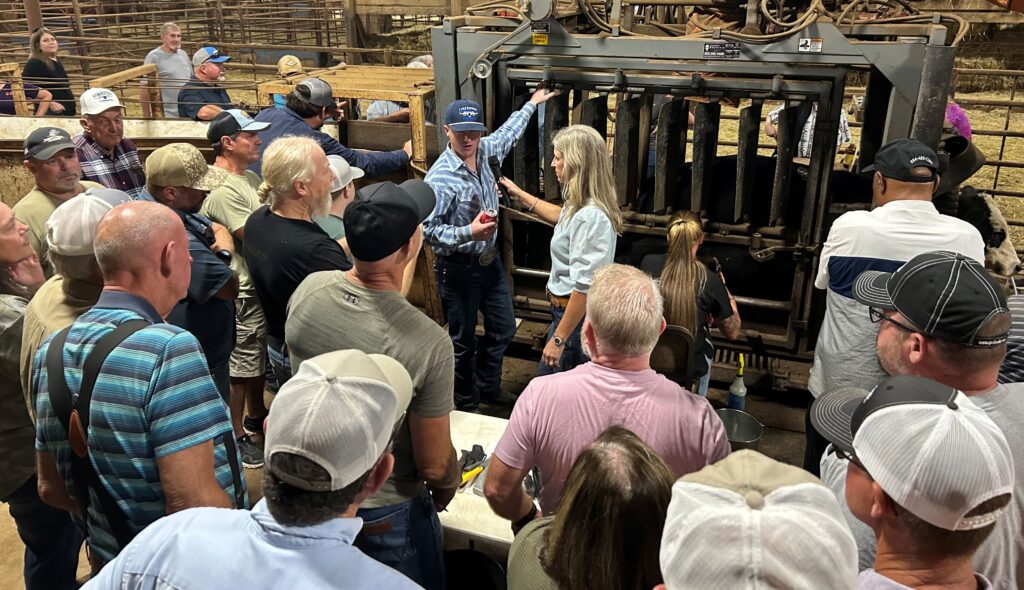
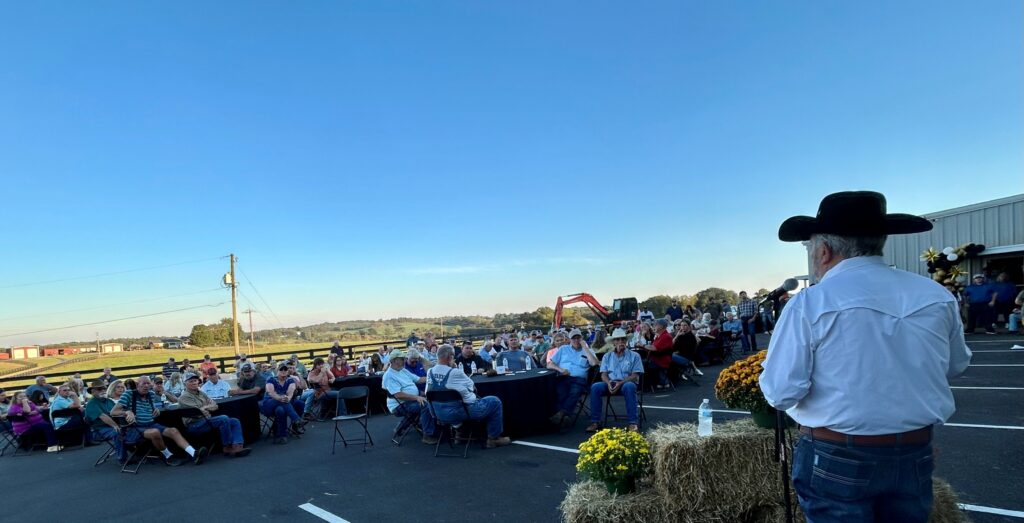
For the past three years, our regional spring and fall workshop series has brought together the livestock producers of Cherokee, Spartanburg, and Union counties. These sessions are designed to provide local producers with practical, science-based information to navigate an ever-changing industry. This spring, we are continuing that tradition on March 12 at 6:00 PM at the Institute of Innovation in Gaffney with a focused panel discussion on selling beef directly to consumers.
According to a Clemson Extension study, 47% of South Carolina livestock producers now sell at least some of their animals through direct-to-consumer methods. While the bare meat counter during the COVID-19 pandemic spiked local demand, this trend has held. Many producers have made direct sales an increasing part of their farm income.
While selling beef directly to the public can be a great way to add value to a farm, it comes with its own set of technical hurdles. From understanding carcass finishing to navigating South Carolina’s meat-handling regulations, there is a lot to consider before fattening the calf.
To help break down these complexities, we’ve assembled a panel of experts to provide an objective look at the process. Travis Howard of Knockout Butchery will join us to discuss the processor’s perspective, while specialists from Clemson Extension will provide insight into the economics, regulation, meat science, nutrition, and marketing involved in direct sales.
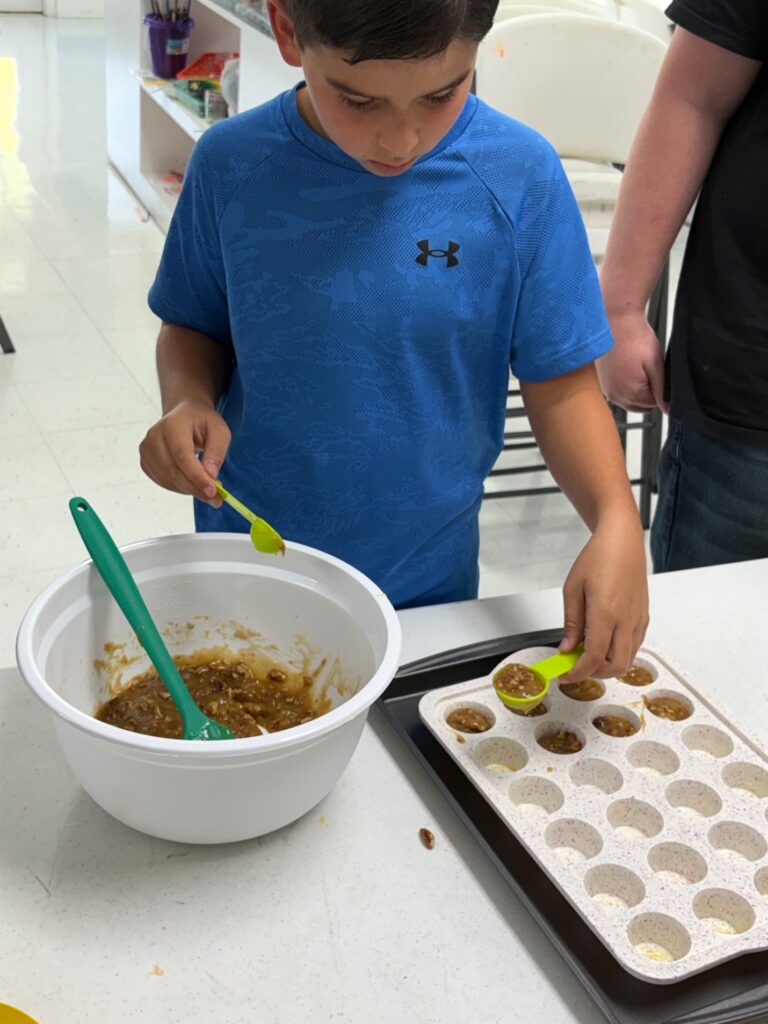
We also recognize that many of our local farms are truly family affairs. To support that dynamic, we’ve included a youth-focused educational track for the evening. While the adults participate in the panel, kids ages 15 and under will head to the Animal Science Lab for a hands-on livestock activity led by Clemson 4-H and Cherokee County FFA. It’s a great way to involve the next generation in our industry.
The evening will begin with a dinner, providing a chance for producers from across our three counties to connect and talk shop. Whether you are a seasoned producer or just considering your first direct sale, we hope you’ll join us for this regional workshop.
MARCH 12 6PM
Institute of Innovation 175 Campus Way Gaffney, SC