Clemson Extension Upstate District

Agriculture’s Role in the American Revolution: A South Carolina Story

CHRISTOPHER LeMASTER, JR.
Area Livestock & Forage Agent
Cherokee, Spartanburg, & Union Counties

Like much of the country, I’ve been thinking a lot about America’s upcoming 250th birthday. Here in Cherokee County, it’s hard not to. We have two nationally significant Revolutionary War battlefields—Cowpens National Battlefield and Kings Mountain National Military Park—right here in our backyard. Add in the recently opened Carolina Rising Museum, which highlights the important role South Carolina’s backcountry played in the Revolution, and there are plenty of opportunities to learn more about this important chapter of our nation’s history. 

I’ll admit, I’ve forgotten quite a bit since high school U.S. History, but it’s been fun to dive back into one of the most fascinating periods of our nation’s past. Of course, as a farmer and Extension agent, I couldn’t help but become especially interested in the pivotal role agriculture played in America’s fight for independence. 

South Carolina Was an Agricultural Powerhouse 

By the time the Revolution began in 1775, South Carolina had become one of the wealthiest colonies in British North America. That prosperity was built on agriculture. 

Rice and indigo were the colony’s signature cash crops, while timber, naval stores, livestock, and deerskins also contributed to a thriving export economy centered around the Port of Charleston. According to historian Dr. Walter Edgar, this agricultural wealth made South Carolina one of the most valuable colonies in the British Empire (Edgar, South Carolina: A History). 

It’s worth remembering that much of this agricultural wealth was made possible through the knowledge, skill, and labor of enslaved Africans, particularly in the cultivation of rice. Their influence remains evident today in South Carolina’s culture, cuisine, and the historic rice impoundments that now provide valuable wildlife habitat along the coast. 

Why Agriculture Mattered During the Revolution 

The British didn’t simply want to defeat the Continental Army—they wanted to regain one of their richest colonies. 

Agriculture made South Carolina strategically valuable because it provided: 

  • Valuable exports like rice and indigo. 
  • Food for both British and Patriot armies. 
  • Horses, cattle, and other livestock needed to support military campaigns. 
  • Timber and naval stores used for construction and transportation. 

Simply put, controlling South Carolina meant controlling valuable agricultural resources—a strategy that was important to both the British and the Americans. 

Armies depended on local food supplies. Livestock was seized. Crops were destroyed. Mills, roads, and river crossings became important military objectives because they controlled the movement of food and supplies. 

A Different Way to Celebrate 250 Years 

As we prepare to celebrate America’s 250th birthday, it’s worth remembering that our nation’s story wasn’t written only by soldiers and statesmen. 

It was also written by farmers. 

South Carolina’s fields helped build one of Britain’s wealthiest colonies, supported communities during years of conflict, and supplied resources that sustained armies on both sides of the war. Agriculture has always been more than an economic engine—it has been part of our state’s identity from the very beginning. 

One final thought. As I’ve read more about the Revolution, a few things have really stood out to me. First, the cost of independence was immense and brutal in America’s first civil war. These Americans endured hard times, and they were even harder people. My other takeaway is that agriculture has always been a matter of national security. Throughout history, without a secure food supply, no cause can endure. 
Protecting Your Herd: Managing Harmful Algal Blooms (HABs) 

HEATHER NIX
Upstate Water Resource Agent
CHRISTOPHER LeMASTER
Area Livestock & Forage Agent

As we move into the warmer months, ensuring cattle have access to fresh, clean water is a primary management concern. Many producers rely on surface water sources; however, this practice introduces risks, most notably Harmful Algal Blooms (HABs), which can have rapid and fatal consequences for livestock. 

What are Harmful Algal Blooms (HABs)? 

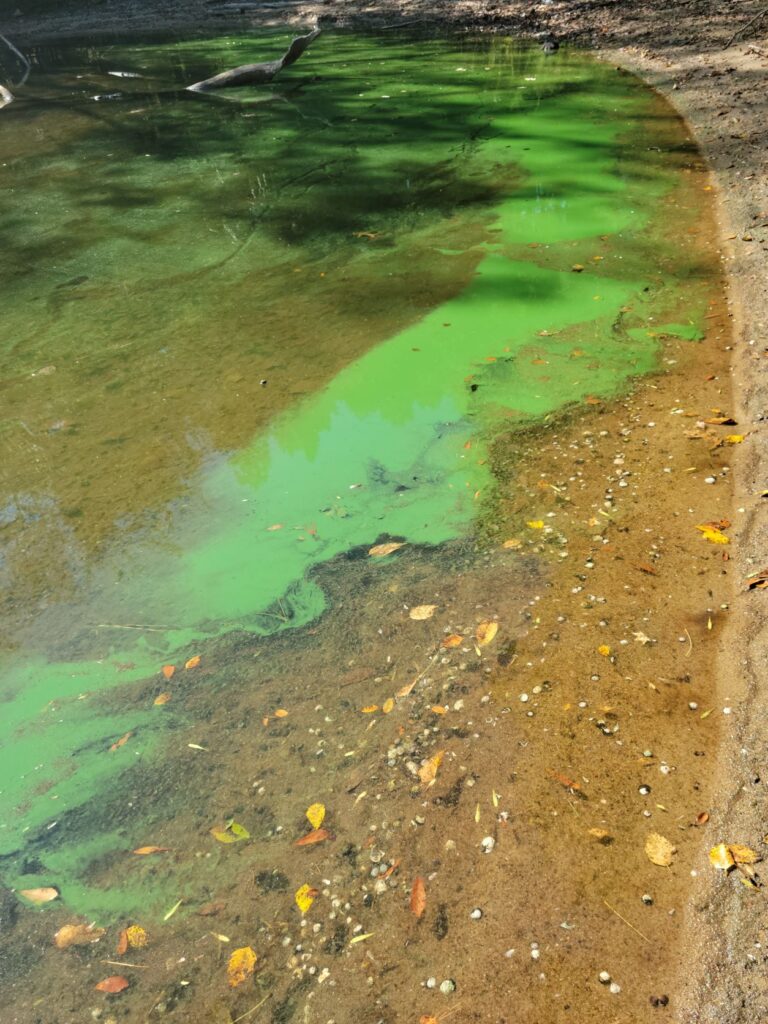
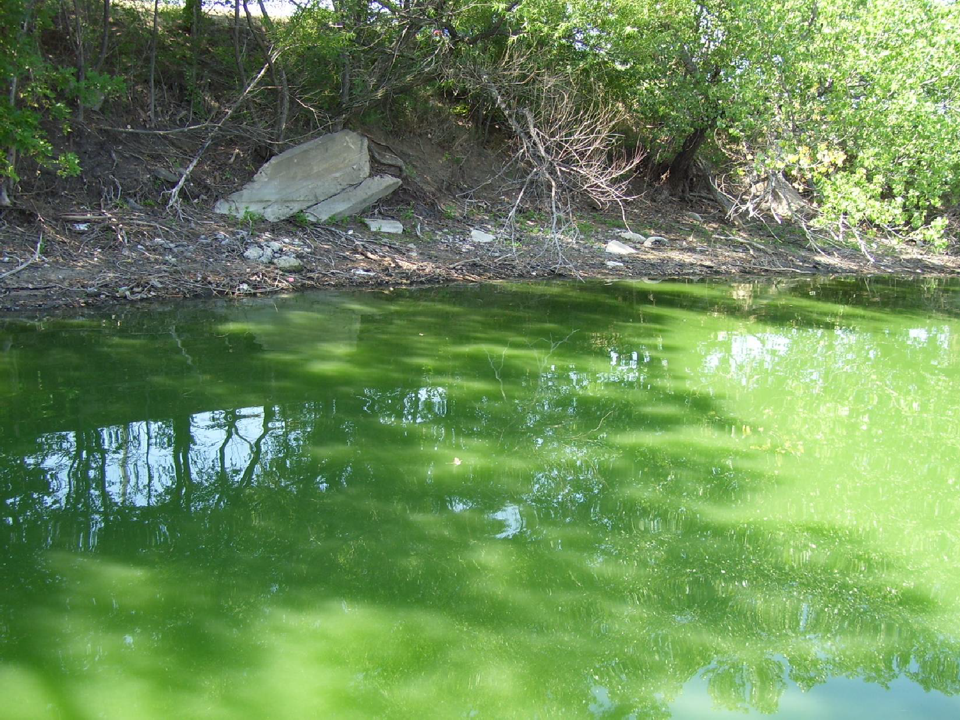
 HABs include rapid overgrowths of cyanobacteria (formerly called blue-green algae) in water bodies. Unlike true algae, cyanobacteria can produce toxins that are harmful to humans, pets, and livestock. These blooms may appear as a “spilled paint” scum, pea soup, grass clippings, or thick mats on the water surface and can vary in color from blue to bright green to brownish-red. 

Microcystis; Photo by Emily Bores
Effects on Cattle 

Cyanobacteria can produce over 1,000 types of poisonous compounds, known as cyanotoxins, which are released when the cells die and rupture. Cyanotoxins can attack the skin, liver, cells, or nervous system and can produce symptoms within minutes, days, or months following exposure. Health impacts depend on specific cyanotoxin(s), concentration, route of exposure (ingestion, contact, etc.), and length of exposure. Symptoms can vary widely, in livestock watch for skin rash or increased sensitivity to sun exposure, diarrhea, weakness, respiratory distress, muscle tremors, premature births, or fetal death.  

Prime Conditions for HAB Growth 

Cyanobacteria thrive when environmental conditions provide a “perfect storm” for growth: 

  • Stagnant Water: Still or low-flow water, such as farm ponds or backwater areas. 
  • Nutrient Rich: High levels of phosphorus and nitrogen, possibly from fertilizer runoff or direct manure input. 
  • Warm Temperatures: Prolonged sunlight and warm water temperatures (above 77ºF) during warm weather. 
How to Monitor for HABs 

In 2025, the South Carolina Department of Environmental Services (SCDES) issued its first Recreational Watch after identifying toxin-producing HAB species in Lake Hartwell on April 30th, with the latest Recreational Advisory issued for Lake Thurmond on November 25th. Because of this wide window, producers should regularly inspect ponds and other water sources, especially on the downwind pond edges where wind and waves concentrate the blooms. 

  • The Stick Test: If you can lift the algae out of the water with a stick, it is likely non-toxic filamentous algae. If it breaks apart and cannot be lifted or coats the stick like paint, it may be cyanobacteria. 
  • The Jar Test: Place a water sample in a clear jar and refrigerate it overnight. If the algae floats to the surface, it is a strong indicator of cyanobacteria. 
Action Steps: Response and Recovery 

If you suspect a bloom is present, take immediate action to protect your herd: 

  1. Remove Animals (and People): Immediately exclude livestock from the suspected water source using temporary fencing or by moving the herd to a different pasture. 
  1. Provide Alternative Water: Ensure animals have access to a clean, reliable supply, such as well water or a municipal source. Note: Be aware that even “clean” sources can become contaminated if equipment (troughs, hoses, or buckets) has been exposed to the bloom. Be sure water (in troughs) is regularly refreshed and thoroughly clean and flush any shared infrastructure. 
  1. Report to the Clemson HAB Response Team: Contact your local Livestock or Water Resource Agent immediately. Our statewide response team can assist with rapid sampling and positive identification to determine if the bloom is toxic. Having pictures of the pond (or water source) and a water sample (including potential HAB growth) may be helpful. 
References 
  • Livestock Water Quality. Clemson University Land-Grant Press. 

Photo Credit: Emily Bores, SCDES 

Riding on a Breeze: Watching the Weather for Armyworms

CHRISTOPHER LeMASTER, JR.
Area Livestock & Forage Agent
Cherokee, Spartanburg, & Union Counties

Yesterday evening while feeding, I noticed a strong, warm breeze blowing from the south. A few minutes later, I spotted a couple of moths and caught one to take a closer look. It turned out not to be a fall armyworm moth, but it did remind me that these warm, humid weather patterns are often favorable for the northward migration of fall armyworm moths from their overwintering areas along the Gulf Coast and farther south. As we move further into summer, now is a good time to begin scouting pastures and hayfields. Early detection remains our best defense against significant damage.  

That doesn’t necessarily mean armyworms are here today, but it does mean it’s time to start paying attention. Early scouting is still our best defense against significant damage in pastures and hayfields. 

PRIME CONDITIONS 

As these weather patterns continue, producers should be on the lookout for signs of armyworm activity and regularly inspect fields for feeding damage and larvae. Clemson Extension recommends scouting during the cooler parts of the day, such as early mornings and evenings. A sweep net is one of the most effective scouting tools, but simply getting down in the forage and looking for larvae can also be effective. 

In addition to finding larvae, watch for signs of feeding damage such as chewed leaf material, ragged leaves, or forage that appears to have a frosted appearance. Producers should also be suspicious of increased bird activity, especially geese or cattle egrets concentrated in a pasture, as they are often feeding on armyworm larvae. 

HANDY WEATHER RESOURCES 

Armyworm on a leaf

Since I was already thinking about weather, I should mention a resource I have been using quite a bit lately while trying to plan spray applications: agweather.com. The website was developed by Eric Snodgrass, a meteorologist with an agricultural background who has made a significant impact in the agricultural community through his weather analysis and outreach. We had the privilege of hearing him speak at Clemson a few years ago while he was with the University of Illinois, and I have found many of the tools on the website to be useful ever since. 

The site contains more information than I know what to do with, but I have found the local forecasts to be very accurate and especially appreciate the national radar maps. One feature I check frequently before spraying is the hourly forecast, particularly the wind speed and temperature inversion predictions. Those tools can help producers make safer application decisions and reduce the potential for pesticide drift. 

We are not endorsing or representing this website in any way, but it may be a useful resource for some of you as well. 

FOR MORE INFO 

For more detailed scouting and management recommendations, check out Clemson Extension’s blog on fall armyworm management. You can also join us next Friday at 12:00 p.m. for our Fall Armyworm and Bermudagrass Stem Maggot Webinar, where we’ll discuss identification, scouting strategies, treatment thresholds, and management options for the season ahead. 

York County 4-H Connects with New Families Through Summer Kick Off Event

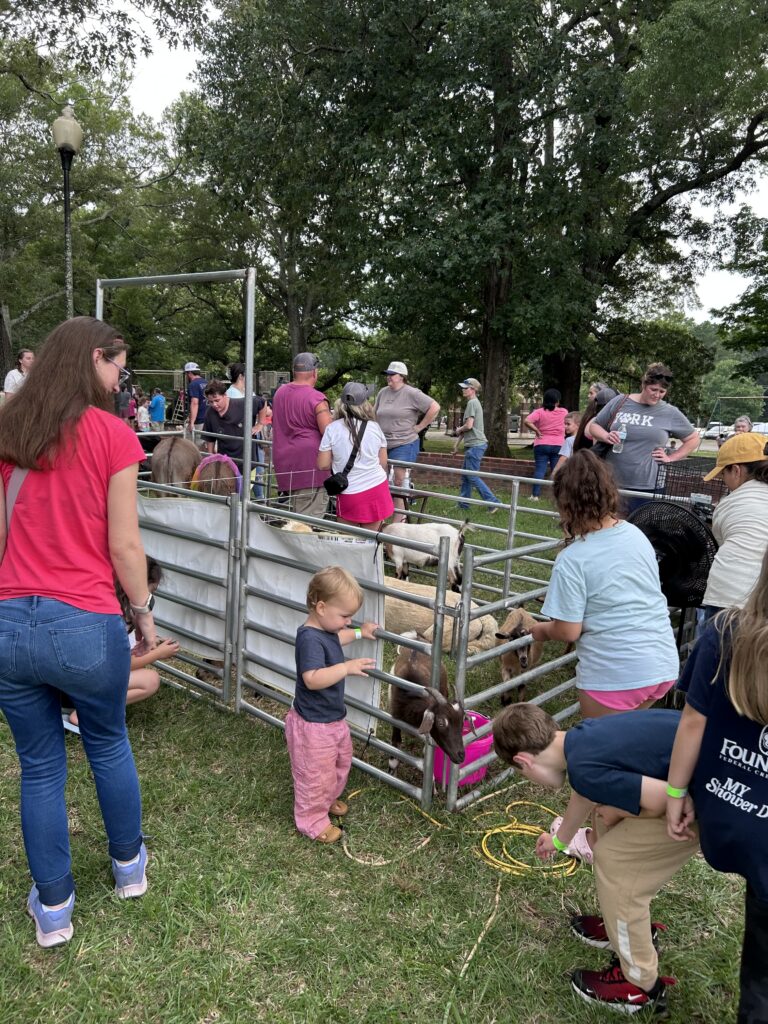
On Friday, May 29, York County 4-H and the City of York welcomed families from across the community to York Place for the 2026 Summer Kick Off Event. What began as an idea to bring families together for an evening of affordable summer fun turned into an incredible community celebration, with 205 vehicles and more than 700 attendees joining us throughout the evening.

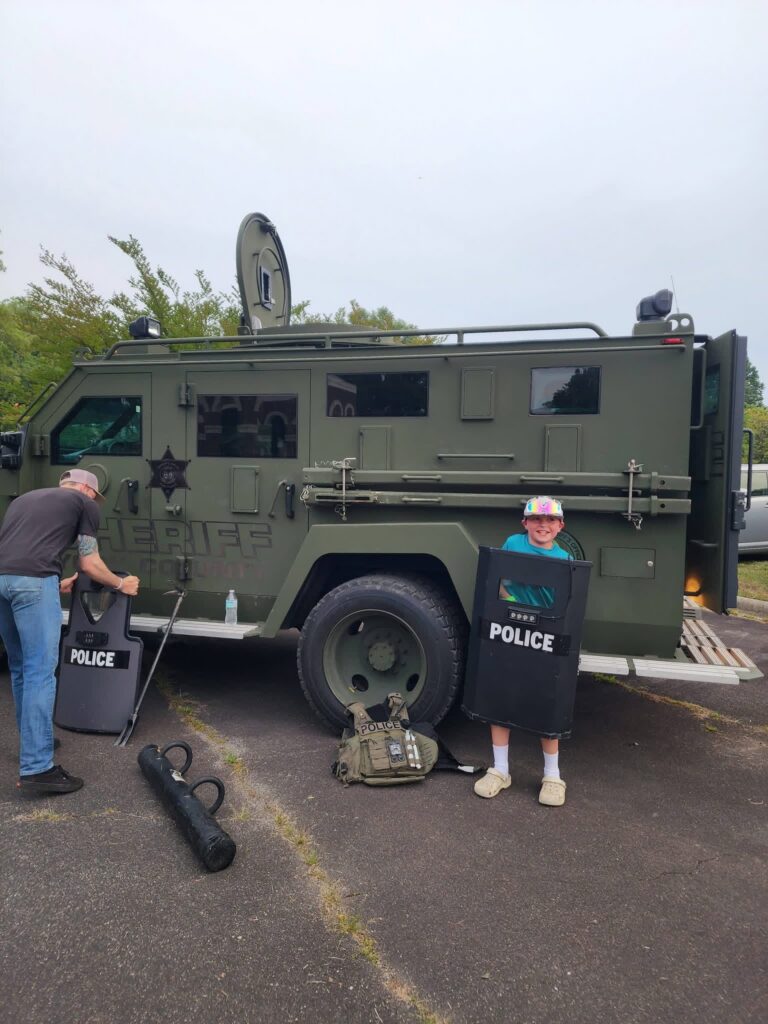
The event featured a wide variety of activities for all ages, including face painting by Mandy’s Professional Face Painting, Pep’s Party Animals petting zoo, giant inflatables and movie equipment provided by Morton’s Amusements, line dancing, a playground area, and a movie in the field to close out the night.

One of the highlights of the evening was the opportunity for families to connect with local organizations and resources. Community information booths were provided by:

  • York County 4-H
  • Yorkville Agricultural & Education Society
  • Keystone
  • York County Arts Council
  • York Soil & Water Conservation District

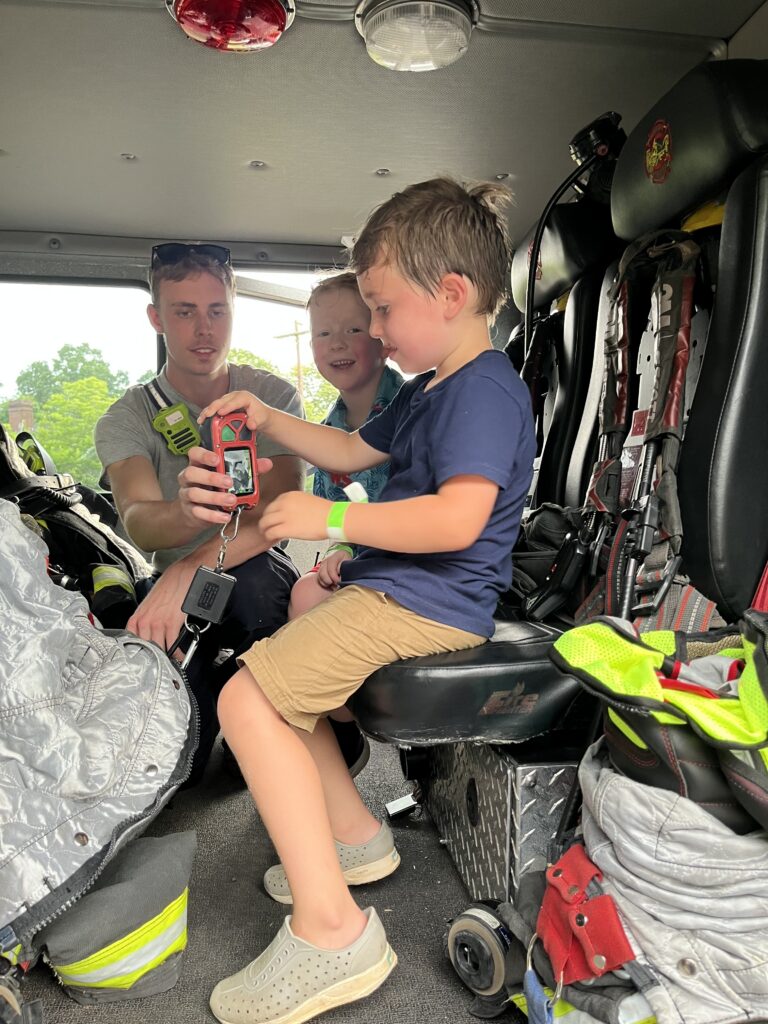
Attendees also enjoyed exploring emergency response and public safety vehicles, including displays from:

  • York County SWAT Team
  • City of York Fire Department
  • City of York Police Department.

A special thank you goes to Lifeway Church and The Church of the Good Shepherd for providing a free hotdog dinner for attendees. Their generosity helped ensure that families could enjoy a meal together while participating in the evening’s activities.

One of the most meaningful outcomes of the Summer Kick Off Event was the opportunity for Clemson Extension’s York County 4-H program to connect with new families throughout the community. The event provided a unique platform to introduce families to the wide variety of youth development opportunities available through 4-H, including leadership, agriculture, STEM, healthy living, and civic engagement programs. Many attendees were unfamiliar with the scope of 4-H beyond traditional livestock projects, and the event allowed staff and volunteers to share how 4-H serves youth from all backgrounds and interests. By building relationships, answering questions, and engaging families in a fun and welcoming environment, the Summer Kick Off Event helped expand awareness of 4-H’s impact and created new opportunities to reach and inspire the next generation of York County youth.

This event would not have been possible without the support of our community partners, volunteers, vendors, sponsors, and local organizations who came together to create a welcoming and memorable experience for families across York County.

The overwhelming turnout demonstrated the value of community events that bring people together, connect families with local resources, and create opportunities for neighbors to build relationships. We are grateful to everyone who attended and helped make the 2026 Summer Kick Off Event such a tremendous success.

We look forward to continuing this tradition and welcoming even more families to York Place in the years to come.

Interested in learning more about York County 4-H? We invite families, volunteers, and community members to connect with us and discover the many opportunities available through Clemson Extension’s 4-H Youth Development Program.

Kristin Kunde

York County 4-H Agent 
Cooperative Extension
Clemson University

120 N. Congress St.

York, SC 29745

w 803-639-9102

Cooking, Leadership, and STEM: A Great First Week of Summer with York County 4-H

York County 4-H had an exciting start to summer programming this week, offering opportunities for youth of all ages to learn new skills, build friendships, and explore their interests through hands-on activities.

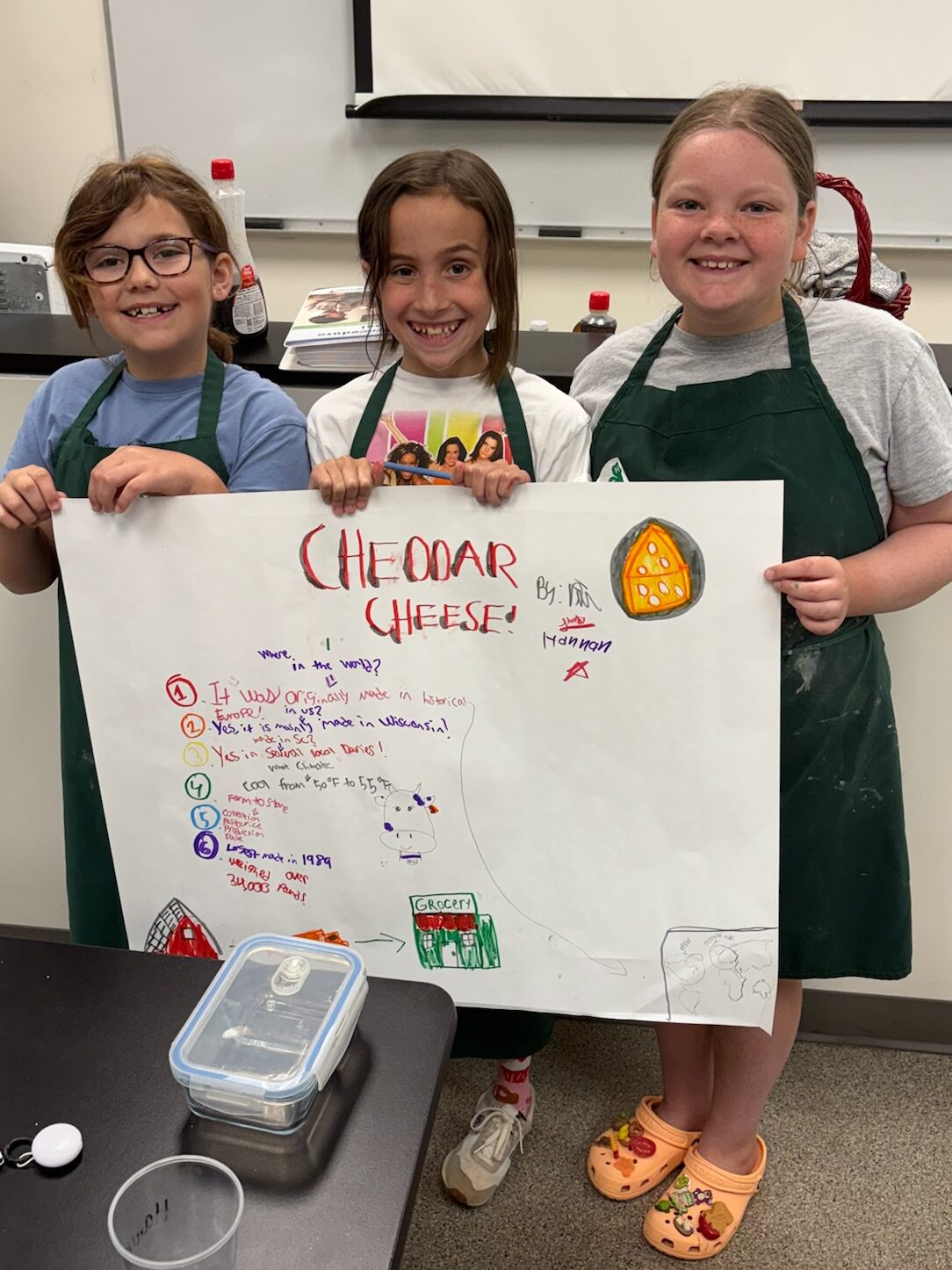
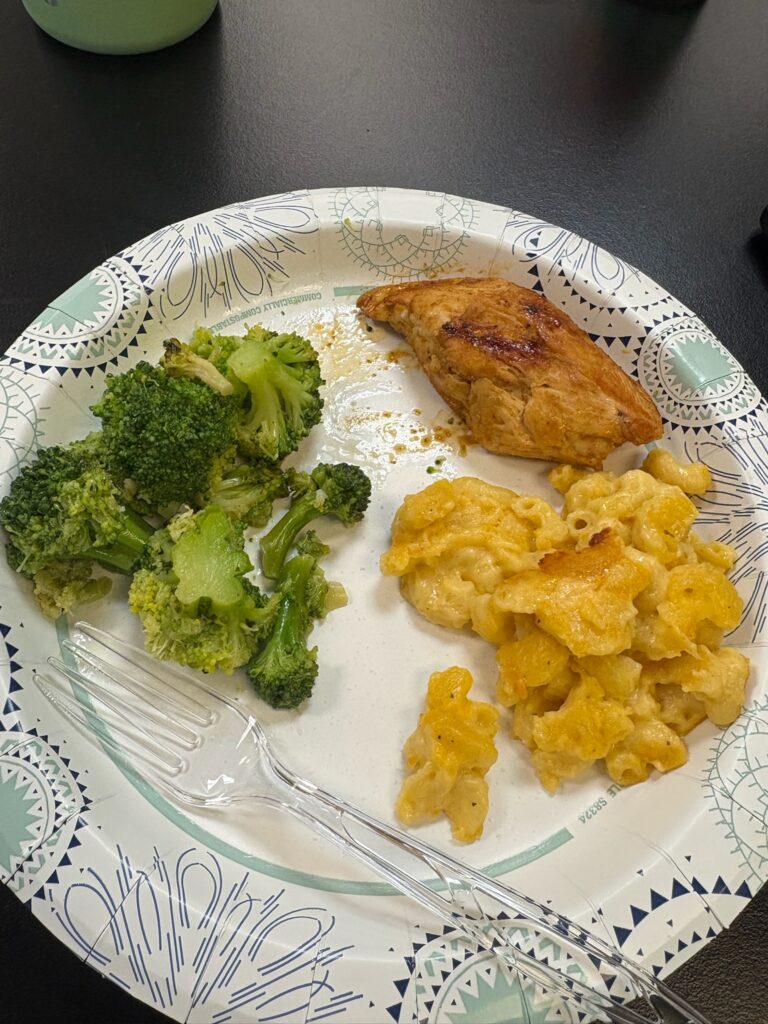
From Tuesday through Thursday, youth ages 9–13 participated in Cooking Camp at Winthrop University. Campers spent each day preparing breakfast and lunch while learning valuable life skills such as kitchen and food safety, proper knife skills, and the importance of local agriculture through farm-to-table activities. Youth gained confidence in the kitchen while working together to create delicious meals from start to finish.

A special thank you goes to our four teen camp counselors who helped make Cooking Camp an engaging and memorable experience for all participants. Their leadership, encouragement, and willingness to assist campers played a key role in the camp’s success.

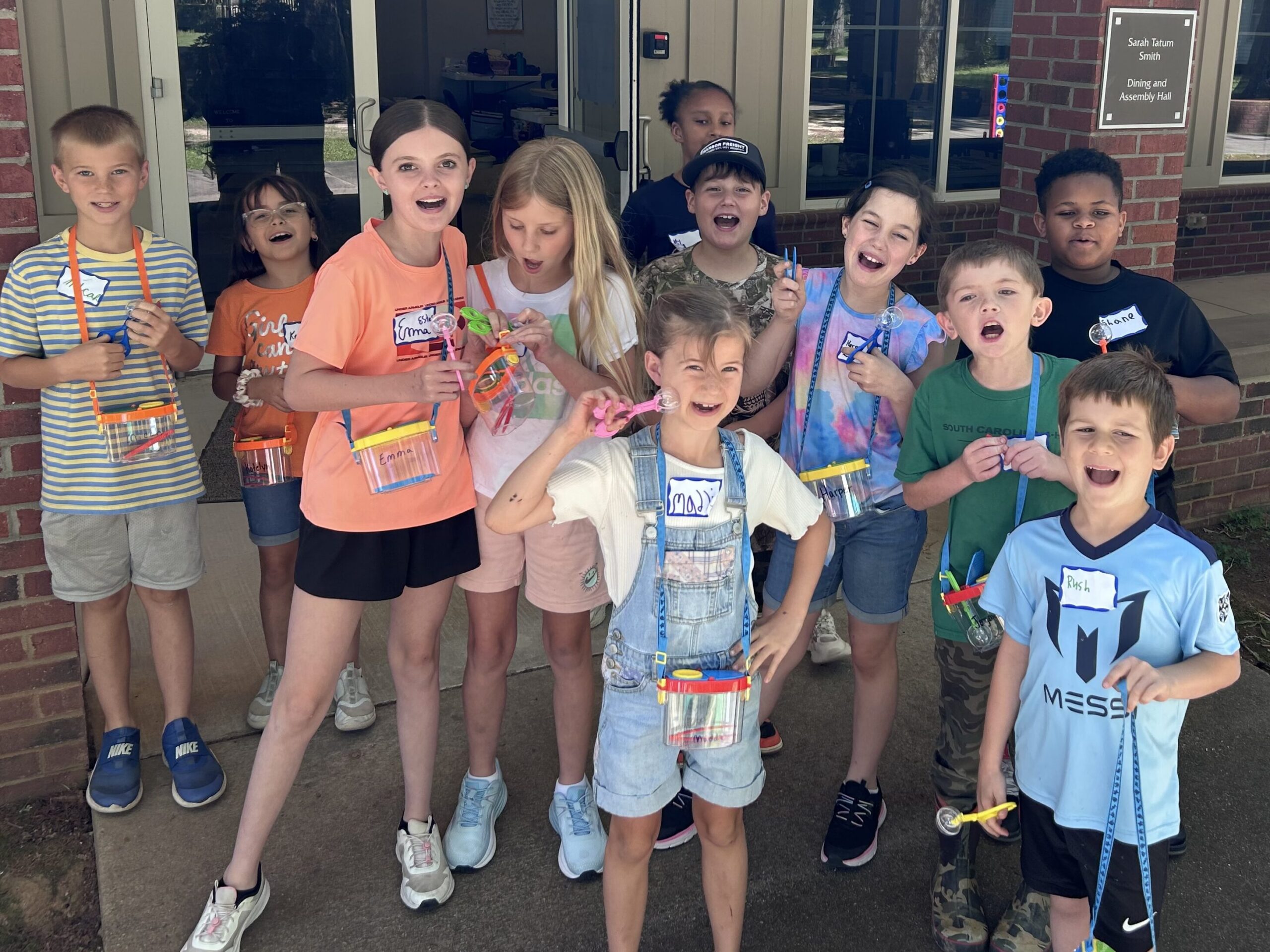
While Cooking Camp was underway, youth ages 7–11 enjoyed CloverBUG Camp on Wednesday and Thursday. Campers participated in hands-on activities, games, and educational experiences designed to spark curiosity and creativity while building friendships and having fun.

Thursday evening marked the first meeting of our summer Teen Lead Lines Club. Teens had the opportunity to hear from Lt. Ramsey of the York County Sheriff’s Department, who shared valuable insights on servant leadership and the positive impact young people can have within their communities. Participants left inspired to develop their leadership skills and find ways to serve others.

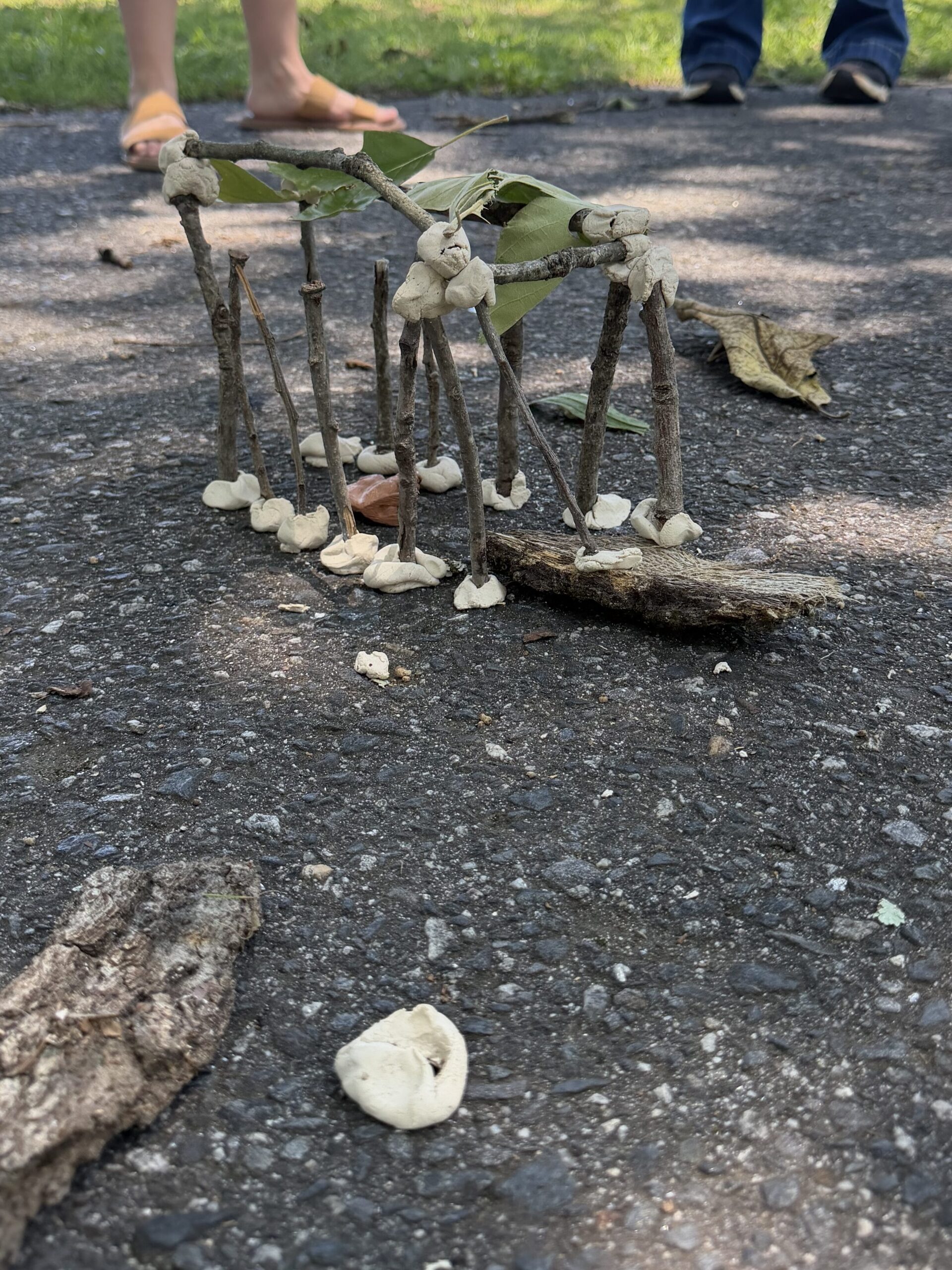
The week concluded on Friday with our first Cloverbud Day for youth ages 5–8. The STEM-themed event encouraged our youngest members to explore science, technology, engineering, and math through creative, hands-on activities. Cloverbuds built and decorated birdhouses, experimented with LEGO building challenges, and worked together to complete a Forest Fort Challenge.

We are proud of all the youth who participated this week and grateful to the volunteers, teen leaders, partners, and families who helped make these programs possible. We look forward to many more exciting learning adventures throughout the summer with York County 4-H!

Stay Vigilant: New World Screwworm Awareness for Livestock Producers 

SEAN EASTMAN DVM, Clemson Livestock Poultry Health 

CHRISTOPHER LeMASTER JR, Clemson Extension Livestock & Forages 

USDA has now confirmed a case of New World Screwworm in a calf near La Pryor, Texas, roughly 50 miles from the border. Recent warnings have renewed attention on the New World screwworm, a pest with serious implications for livestock, wildlife, and even pets. While not currently established in our region, its proximity—and history in the southeastern U.S.—make awareness especially important. 

For the beef industry alone, the potential economic impact is substantial. Estimates suggest losses could reach into the billions of dollars if the New World screwworm were to re-establish in the U.S. This threat also extends beyond cattle, affecting other livestock, wildlife, and even pets—broadening the economic and ecological impact. 

What makes the screwworm particularly concerning is its life cycle. Adult flies are drawn to open wounds and lay eggs, and the larvae then feed on living tissue. This means even minor injuries—dehorning, castration, puncture wounds, or something as small as a tick bite—can create an entry point. Routine inspection of any wound is critical. 

Right now, the priority is recognition and reporting. We are in a surveillance phase, and early detection is key to control. If you suspect a case, report it. Doing so does not put an “x” on your back—it’s how we protect the industry as a whole. 

The good news is we’ve dealt with this before. Screwworm was once endemic in the U.S. but was eradicated in the late 1950s through sterile fly production, which prevented reproduction and proved highly effective. Today, we have even more tools available, including expanded sterile fly capacity and additional treatment options with more approved labels. 

For now, stay aware and stay vigilant. Regularly check animals, monitor any wounds closely, and report anything suspicious. 

  • If you suspect a case in a person: Report immediately to South Carolina Department of Public Health via the regional epidemiology office or the statewide emergency number (1-888-847-0902).
  • If case is in deer and wildlife: S.C. Department of Natural Resources, Wildlife and Freshwater Fisheries Division, (803) 734-3886
  • If suspected in domestic animals: Clemson University Livestock-Poultry Health, (803) 788-2260

For more information, visit: