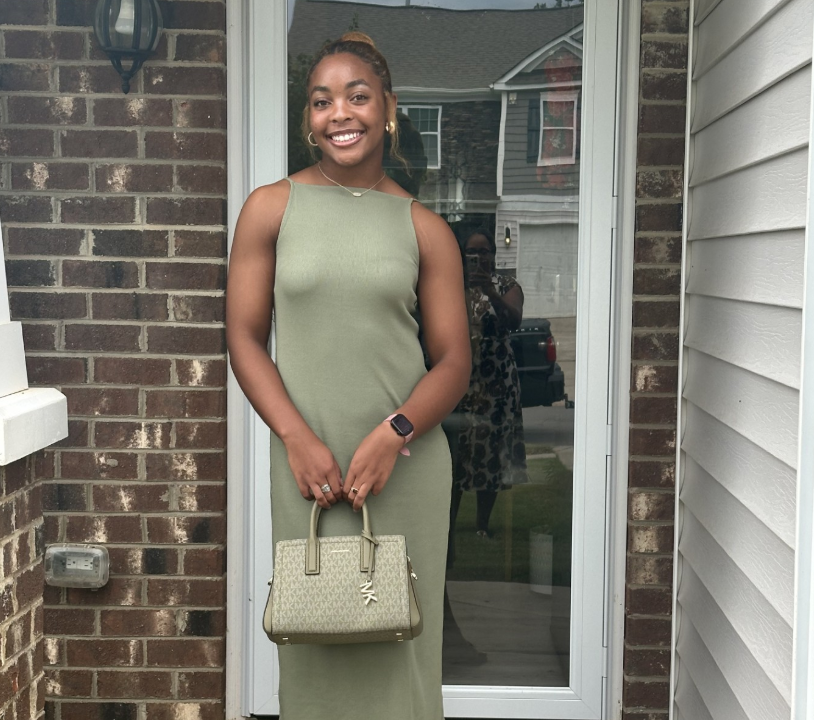
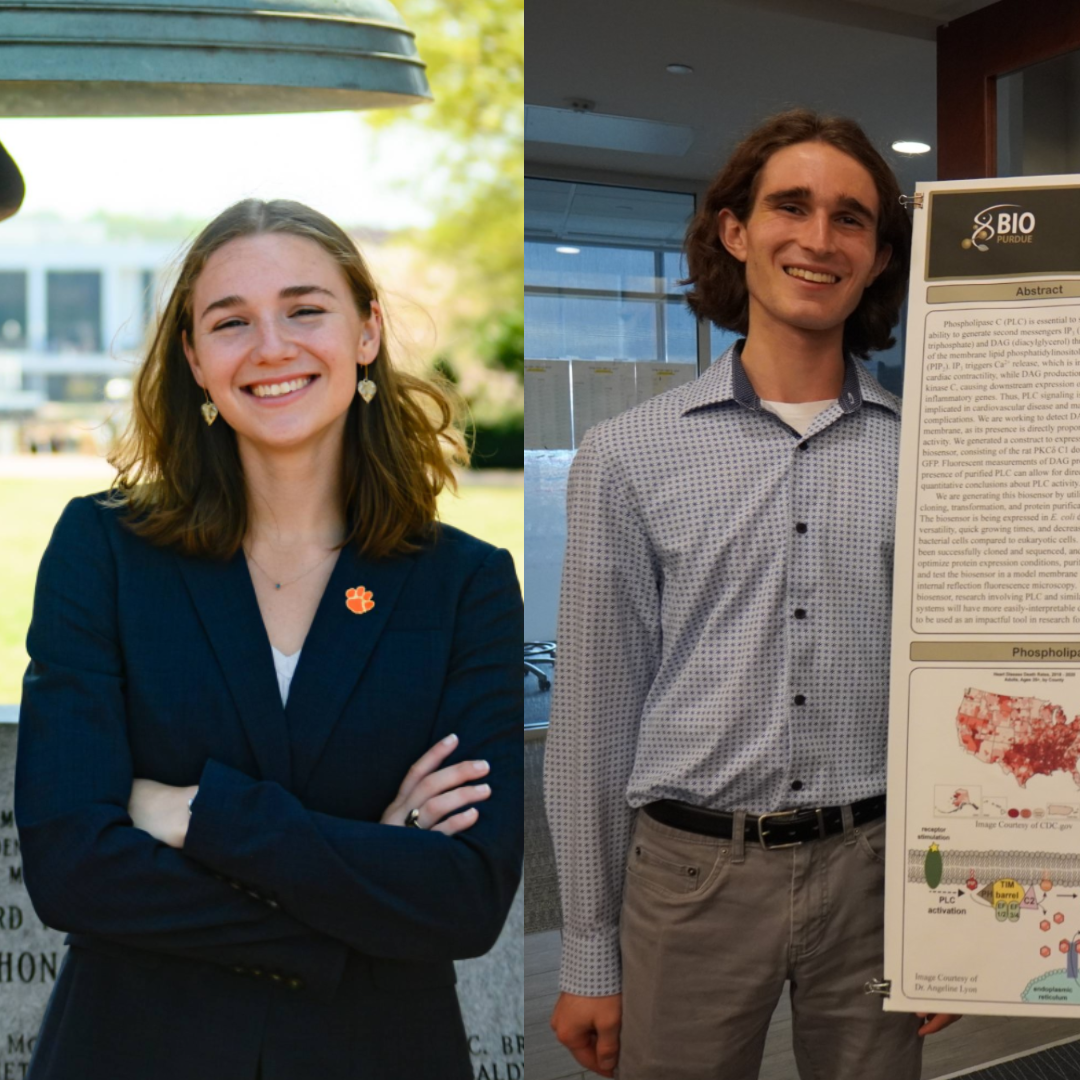
Having always valued being part of something bigger than herself, incoming genetics freshman Niyah Haywood is ready to embrace life as a Clemson Tiger this fall.
Niyah is from Columbia, South Carolina, and graduated from Spring Valley High School, where she ranked eighth in a class of 492 while staying actively involved in cheerleading, track and field, Student Council, HOSA, and the Science, Spanish, Social Studies, and National Honor Societies.
“I was founder and president of my school’s Student Athlete Leadership Team (SALT for short). My favorite achievement sports-wise was becoming president of the South Carolina High School League’s Student Athlete Advisory Council, where I was able to showcase my leadership and influence high school athletics across the state… I’ve also completed independent research projects and presented at the Science and Engineering Fair and South Carolina Junior Academy of Science.”
For Niyah, Clemson offered the perfect balance of strong academics, school spirit, leadership opportunities and a campus culture that felt supportive and connected. But the biggest draw was the chance to study genetics — a field that truly interests her — at the only university in South Carolina with a genetics major.
“Clemson felt like the best place for me to grow personally, academically, and professionally. The plethora of research opportunities and opportunities given through the HRC definitely put a check in the pro column as well. Overall, Clemson felt like a place where I could challenge myself while still building community and preparing for a future in research and healthcare.”
Niyah’s interest in genetics comes from the curiosity to understand not just what happens, but why it happens, drawn to how small changes at the molecular level can create larger effects in health and biology.
“I enjoy connecting research with real-world impact. Genetics combines my interests in discovery, problem-solving and improving people’s lives through science and medicine.”
After arriving on campus this fall, Niyah is looking forward to game days, joining a few science-related clubs, being accepted into and graduating from the Honors College, lake days with friends, gaining a sense of independence and becoming a Clemson Tiger.
“Being a Clemson Tiger means being part of something bigger than myself. It’s a community that values excellence, tradition, leadership and connection. To me, it represents the opportunity to challenge myself academically, grow as a person and pursue my goals while creating lifelong memories and relationships. It means showing school spirit, embracing new experiences and leaving Clemson having made a meaningful impact on the people and places around me.”
SARAH SPRATLIN BULLOCK
Growing up in a devoted University of Georgia family, incoming genetics freshman Sarah Spratlin Bullock — “SS” to her friends — spent countless weekends cheering on the Bulldogs, following in the footsteps of her father and grandfather, both former Georgia baseball players. She could see her higher education path pretty clearly, until two years ago when her brother, Truman, chose Clemson.
“It flipped my world upside down. I wanted somewhere that everyone was obsessed with. I wanted somewhere that people got involved and stayed involved, somewhere that people loved for their whole lives. Because of my brother and the Clemson friends we made along the way, I knew Clemson was my place too.”
From Greenville, SC, Sarah attended Christ Church Episcopal School from kindergarden to her senior year where she was involved in all things performing: cheer, theatre and choir.
“I cheered in the London New Year’s Day Parade as a UCA All American this year, and it was one of the most special experiences of my life! I acted in two shows a year at school and am an assistant director for the middle school every year.”
In addition, Sarah serves on the Youth Leadership Team at Buncombe Street Methodist Church, a camp counselor for Vacation Bible School, was a school ambassador and a member of the prom committee.
Sarah has always had a particular interest in biology, her physician dad being her biggest inspiration to go into the science field, planning to go into premed just like him. As she moved up in school and started taking more challenging biology courses, she became interested in genetics.
“I’ve developed a particular interest in genetics thanks to my AP Bio teacher, Mrs. Unger, who arranged us a trip to the Greenwood Genetics Center. I think people are wonderful, and I would love nothing more than to learn more about how we are all so uniquely us.”
So excited to get to campus in the Fall, Sarah plans on being very active in clubs and organizations across campus, taking in the full Clemson experience. She plans to join ‘everything [she] can,’ such as Greek life, the sailing and line-dancing clubs, choir, FCA and Central Spirit.
“I am excited for the people and experiences. College is a time to grow as a person, shape others, and be shaped in return, so I am excited for those new friends, swims in the lake, study dates over coffee, worship nights, dances, and beyond. I am excited to see who I will become and who I will meet along the way!”
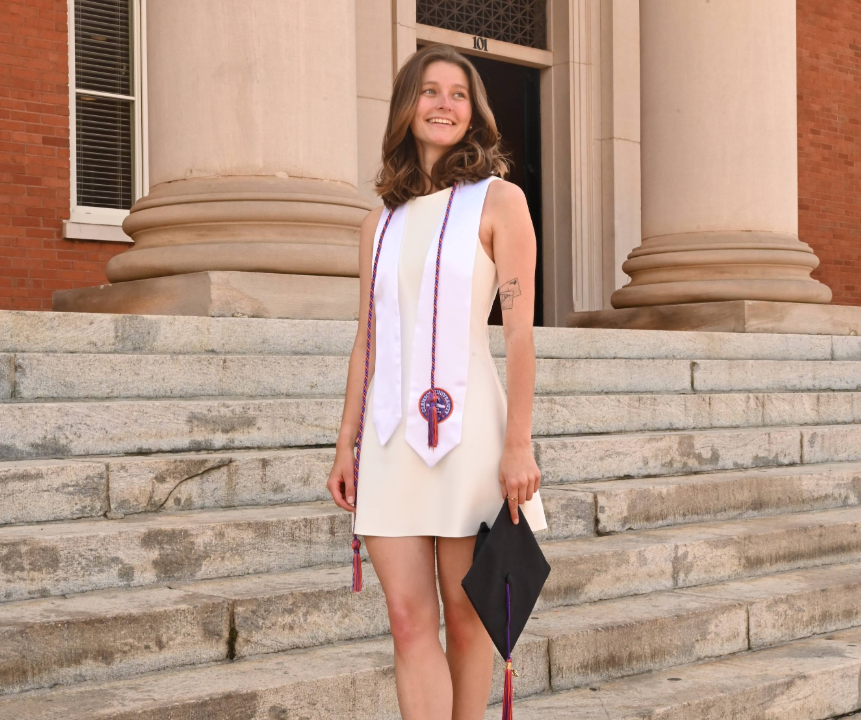
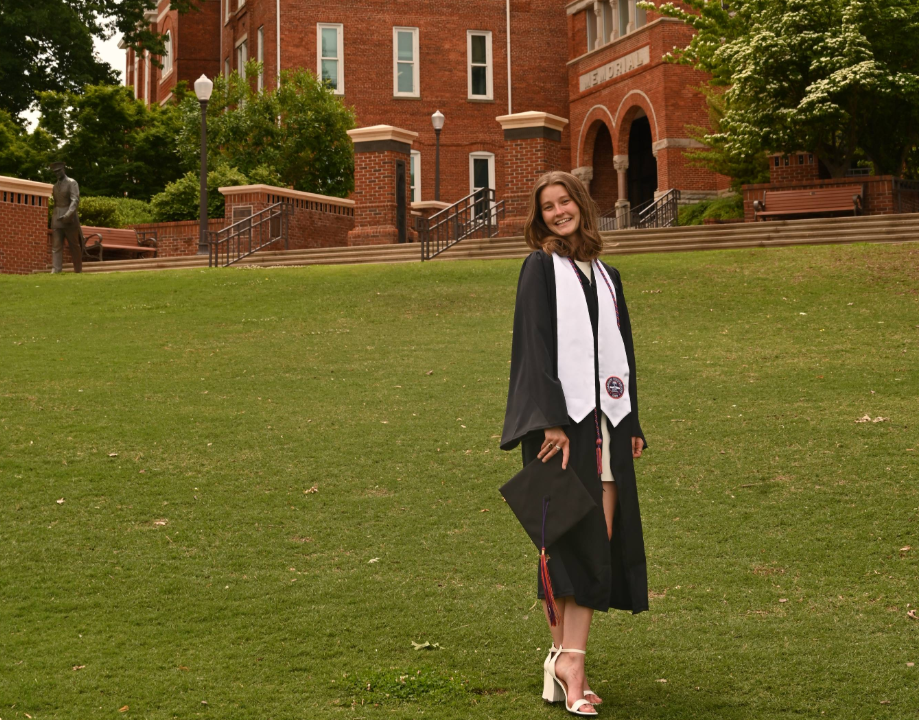
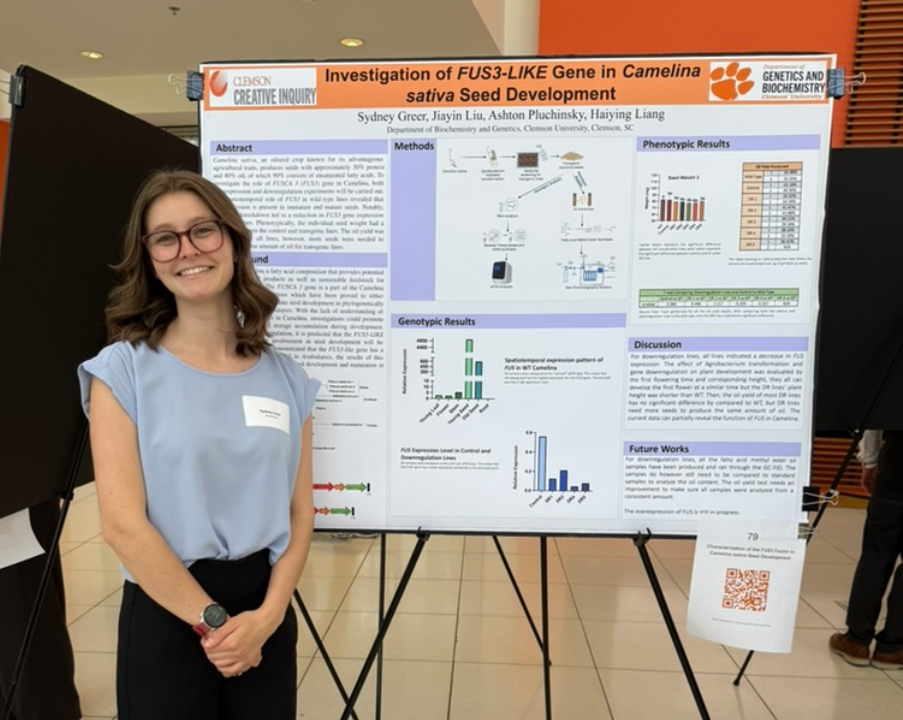
For genetics and biochemistry May grad Sydney Greer, Clemson became more than just a place to earn a degree — it became the place where she discovered confidence in herself. Whether she was performing with the Clemson University Steel Band, training service dogs for veterans, running trails through the Experimental Forest or conducting research in Dr. Shahid Mukhtar’s lab, Sydney embraced every opportunity to grow both as a scientist and as a person.
“I was involved in the Experimental Forest Trail Running Club, Clemson Battle Buddies, the Genetics and Biochemistry Club, and a Creative Inquiry project… I was also a member of the Clemson University Steel Band and Gigging Band. Having grown up playing the steel pan, I was excited to continue playing at Clemson. Being part of both groups was an incredible experience, and the rehearsals and performances gave me the opportunity to grow as a musician.”
Sydney is grateful for the academics and science courses, but she also learned invaluable life skills during her undergrad, embracing experiences that pushed her outside of her comfort zone.
“The most important thing I’ve learned over the last four years is confidence in myself. From public speaking to presentations and performing on stage, I’ve grown into someone who is far more comfortable taking on new challenges.”
Before coming to Clemson, Sydney recognized the Clemson ring and its tradition but says she didn’t fully understand the significance it held for those who wore it. Now, it holds special meaning and receiving hers is one of Sydney’s favorite memories.
“I wear mine every day, and it reminds me of the late nights studying in Cooper, the memories I made on and beyond campus, the experiences that shaped me and the incredible friends I met along the way.”
Sydney’s research involvement has been one of the most fulfilling aspects of her time as an undergrad student, her research projects where she served as the lead with PI Dr. Mukhtar even inspiring her to pursue her Ph.D. in biochemistry and molecular biology.
One of these projects is the investigation of drought responses in soybean root nodules with a multi-transcriptomic approach where Sydney uses single-cell and spatial transcriptomics to assess gene expression changes in response to extreme drought in the nodules. In the second project that is continuing through graduate school, she is researching the role of eccDNA in herbicide resistance in Arabidopsis thaliana.
“Working with these cutting-edge techniques has been one of the most rewarding aspects of this project, and I am excited to continue applying these powerful approaches to future research. I am incredibly excited to continue my journey here through a Ph.D. in biochemistry and molecular biology.”
Department of Genetics and Biochemistry students Elizabeth Polatty and Addison Vondersaar have been selected to explore global policy issues through the Honors College’s selective Dixon Global Policy Scholars program, which provides students with the tools to change the world through a combination of public policy coursework and a transformative study abroad trip to Europe, all while applying academic theory to real-world issues.
Over the next two to three years, Elizabeth and Addison will have the opportunity to explore global concepts in more detail through coursework and faculty-guided research focused on global policy issues, before developing their own policy proposals.
The Dixon Global Policy Scholars program was established through an endowment from the Dixon family. Joseph E. Dixon ’39 and his wife, Carolyn, were dedicated members of the Clemson community and active supporters of their local community.
For May graduate Kylie Towery, orange runs deeper than school spirit — it’s woven into her story. Raised in a Clemson family and shaped by undergrad years of service and involvement on campus, Kylie recently graduated from the Department of Genetics and Biochemistry ready to carry that legacy forward.
Throughout her time at Clemson University, Kylie made service a central part of her college experience. She dedicated much of her time to volunteering through Volunteers4LIFE, serving as a one-on-one mentor for ClemsonLIFE students as a traditional course volunteer and a Cooking Club volunteer. Beyond campus, she supported others as a volunteer with the Crisis Text Line and as a Child Life Department volunteer with Prisma Health Children’s Hospital–Upstate.
Aside from volunteer work, Kylie was a member of the Epsilon Tau Chapter of Kappa Delta Sorority, holding various leadership roles, played intramural volleyball and founded Clemson’s Pre-Genetic Counseling Club.
“During my final semester, I had the pleasure of founding the Pre-Genetic Counseling Club here on campus to give back to my Clemson community and help serve students prepare for a career in GC. I am beyond excited to be advising the club from afar for the years to come!”
For Kylie picking a favorite memory over the last four years is difficult. A few things come to mind immediately – from all the sporting events to building her sorority family to meeting other Clemson girls while studying abroad, and having her dad turn her Clemson ring – it’s hard to pick just one.
“I came to realize that while we are here for an education, we are also here to be happy, find friends, and make memories…I do think that the best memories in Clemson are formed on the nights you least expect it, and that is something I miss already.”
Kylie matched to her top choice genetic counseling program and will be moving to Houston to get her master’s at The University of Texas at MD Anderson Cancer Center UTHealth Houston Graduate School of Biomedical Sciences this fall.
“I found my passion for genetic counseling through Clemson and the Department of Genetics and Biochemistry have been given countless opportunities to chase that dream fearlessly since…It’s been a blessing.”
The award is given annually to a researcher deemed to be presenting the best mycological science at one of each Society’s main scientific meetings.
“I’m very grateful to receive the Tony Trinci Award from the British Mycological Society and the Microbiology Society,” says Dolan. “It is a real honor to be recognized in the name of Professor Trinci, whose work helped shape our understanding of fungal growth by linking underlying cellular processes to complex biological behavior.
Shafi Mondal is currently pursuing a PhD in Stephen Dolan’s lab where is research focuses on polymicrobial interactions involving the human pathogenic fungus Aspergillus fumigatus.
“In particular, I investigate how A. fumigatus remodels its transcriptional landscape in the presence of bacterial species commonly found in the cystic fibrosis lung, and how these changes contribute to tolerance against clinically and environmentally relevant stressors,” says Mondal.
Mondal sees receiving the Trinci award as an encouraging step as he continues to develop as a researcher in mycology, hoping to improve understanding of fungal pathogens and the challenges they pose to human health.
In mid-April Dolan and Mondal travelled to the UK to present their award presentations at Microbiology Society’s annual conference. Mondal’s presentation was titled “Cross-Kingdom Microbial Interactions Reveal Genes Driving Stress Tolerance in Aspergillus fumigatus” and Dolan’s was titled “Interkingdom Cross-Talk Between Aspergillus fumigatus and Pseudomonas aeruginosa in an In Vitro Model of Respiratory Co-infection.”
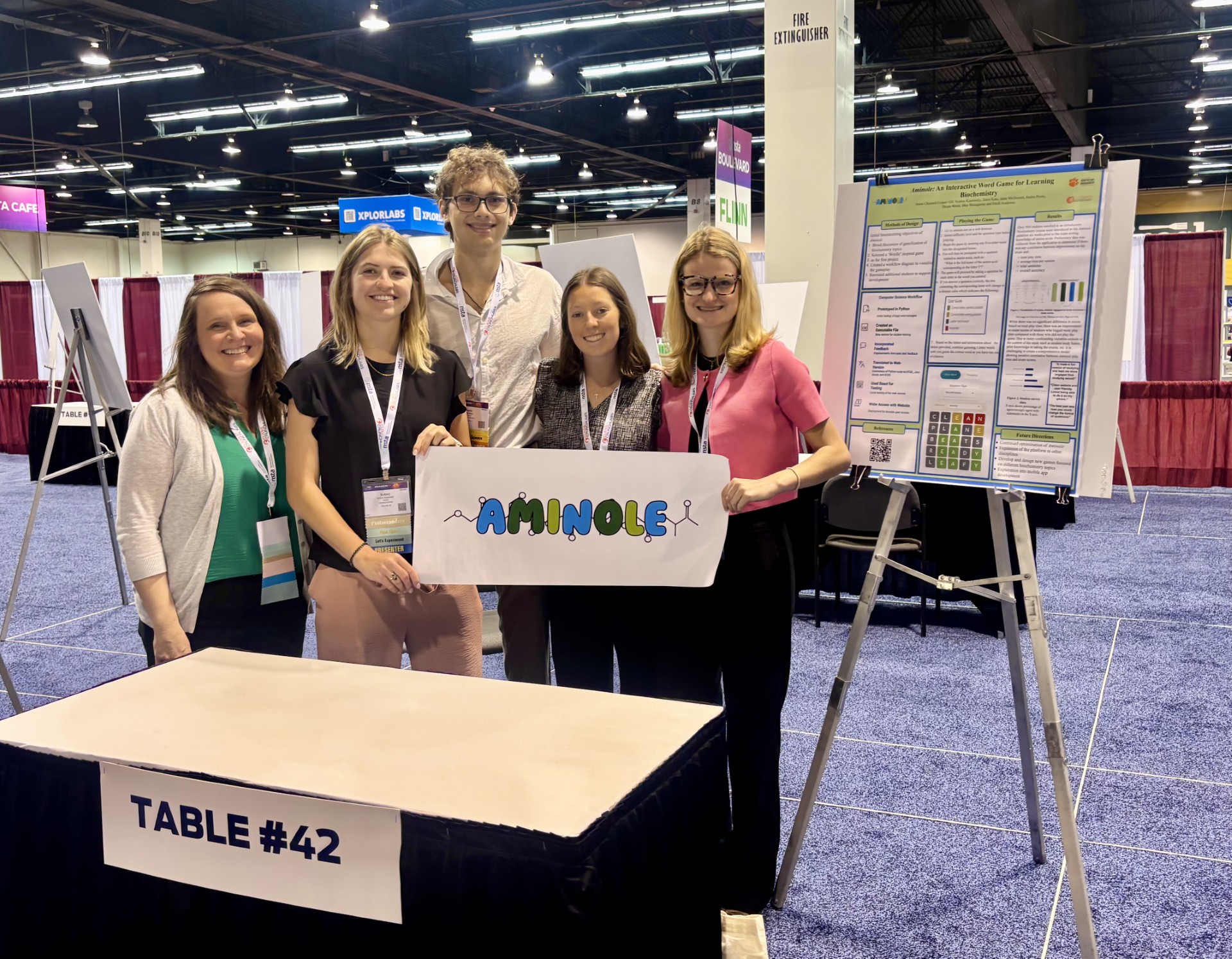
Over the last year and a half, a group of seven students have been part of a Creative Inquiry led by Dr. Heidi Anderson to develop interactive tools to aid in learning biochemistry content.
From this group, a web-based application called ‘Aminole’ (based off of the New York Times game ‘Wordle’) was developed to aid students in learning the twenty common amino acids. The game has been used by Clemson students in introductory biochemistry courses and was well-received as a fun and engaging way to aid in the learning process.
In April, four of the students along with Dr. Anderson traveled to Anaheim, CA to present a poster about the game at the National Science Teacher Association conference.
“I am so proud of the team of students who have dedicated time and creativity to make this idea come to life,” says Dr. Anderson. “Seeing Aminole presented at a national conference and being so well-received was encouraging to the students and myself.
The Clemson University College of Science recognized some of its most outstanding undergraduate and graduate students during an awards ceremony on April 9.
The following G&B students were recognized.
Ryan Mehlem: Outstanding Undergraduate in Discovery Award
Ryan Mehlem, an Honors College student with a biochemistry major with minors in cluster engineering and business administration, has built an outstanding research record across multiple labs, spending more than four years studying thermal adaptation, azole tolerance and gene expression in Aspergillus fumigatus.
This award is given to a graduating senior who has performed outstanding original research in the sciences.
Katie Barfield: Blue Key Academic and Leadership Award
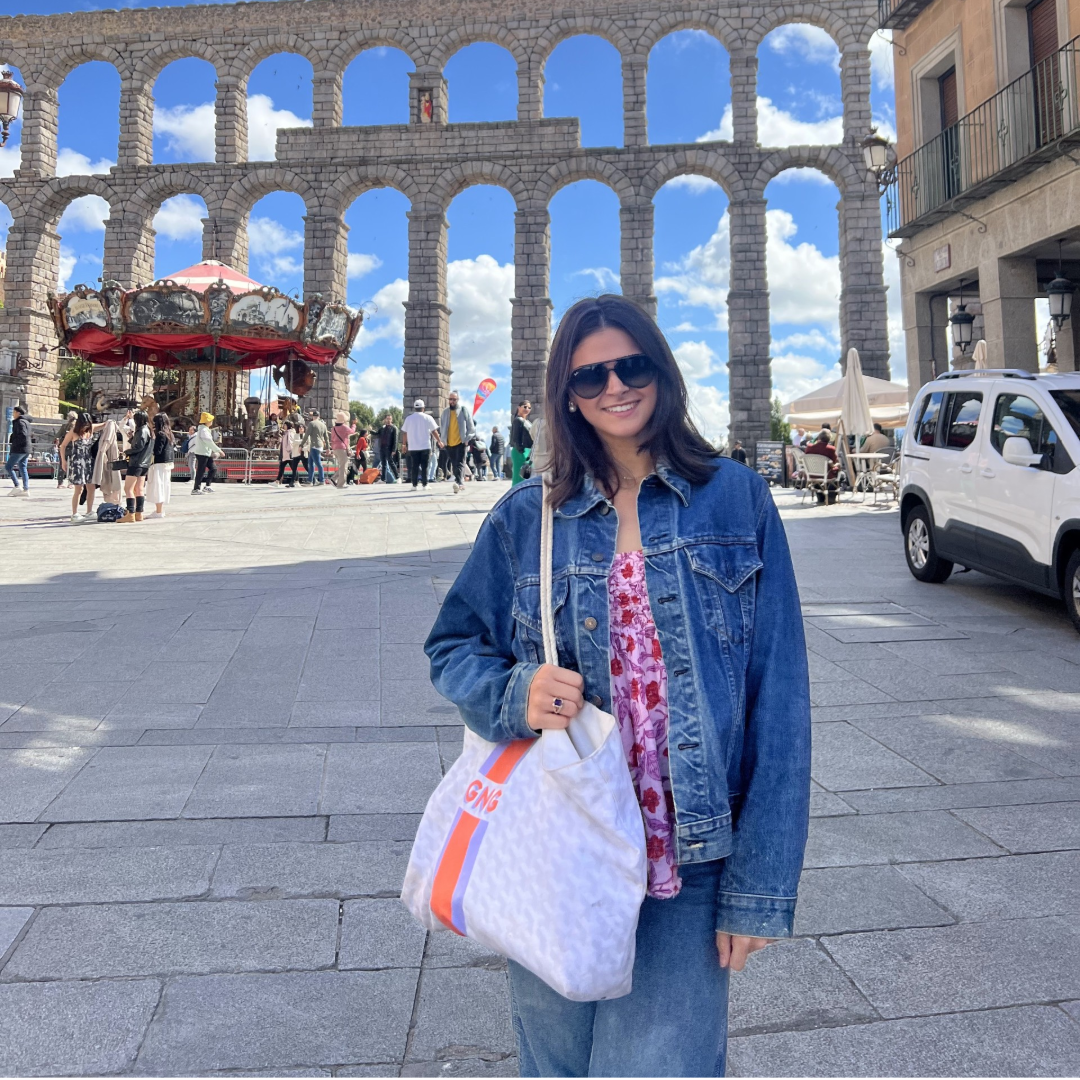
A genetics and sociology major with a minor in gender, sexuality and women’s studies, Katie Barfield has worked in Miriam Konkel’s lab, participated in research at Johns Hopkins University and has conducted a greenhouse assay at the Institute of Subtropical and Mediterranean Horticulture in Malaga, Spain.
The Blue Key Academic and Leadership Award recognizes one student in each of the colleges at Clemson who has distinguished themselves in academic scholarship and campus leadership.
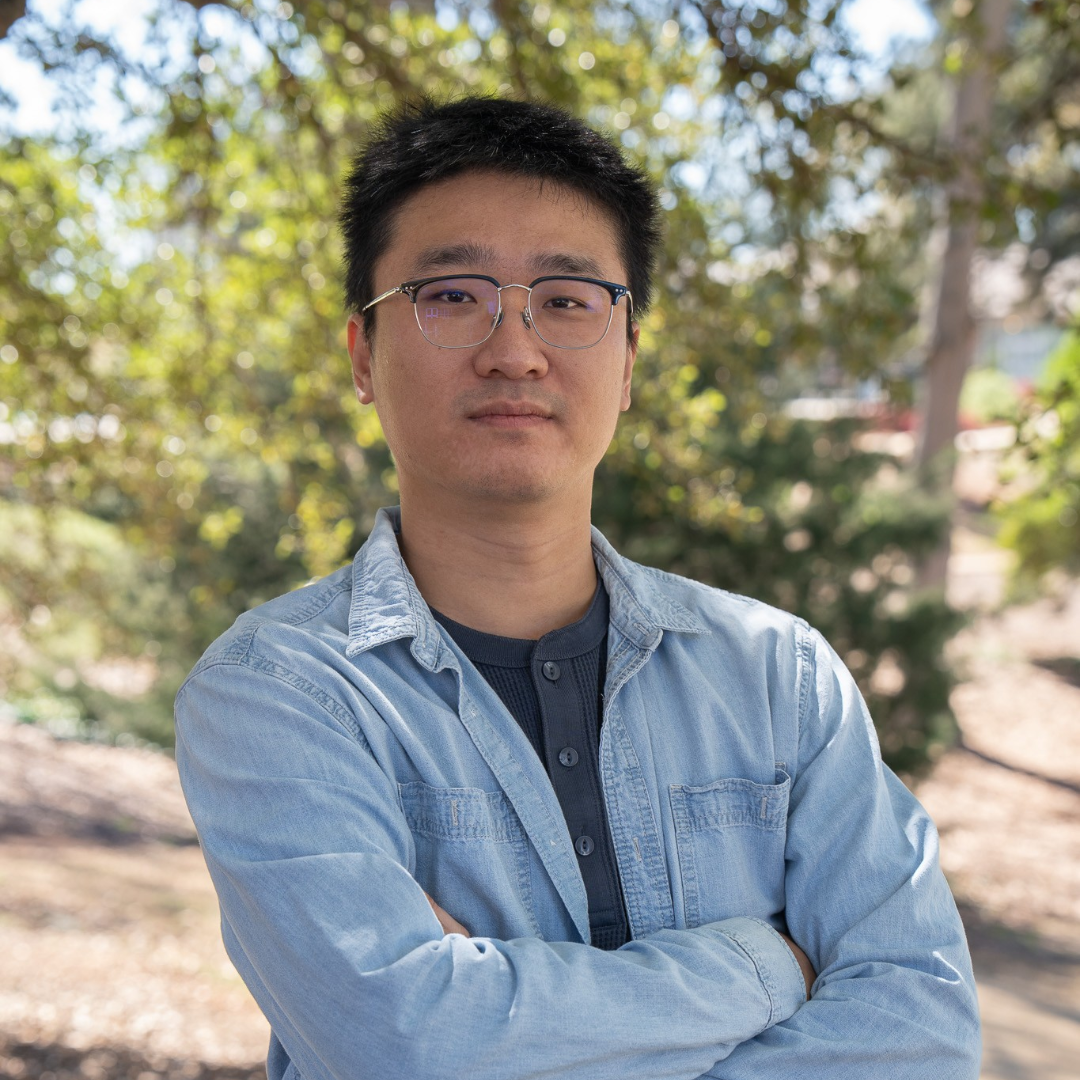
Jerry (Rui) Che: Outstanding Graduate in Discovery
Jerry (Rui) Che is a Ph.D. candidate in genetics and during his graduate studies, Che helped create a new research method that made it possible to study how certain molecules inside cells are controlled, leading to the identification of important pathways involved in how cells process nuclear RNA. He also discovered two human genes, which he named RMP24 and RMP64 and helped develop an E.-coli-free cloning method and a way to build much larger DNA libraries for genetic research. The new cloning method was patented.
This award honors doctoral students in the College of Science who have made distinctive and discernable contributions to their field.
Ava McKee: SciSAB Outstanding Board Member
Ava McKee has been a member of Science Student Advisory Board for three years, most recently serving as grant officer and will step into the role of vice president for outreach next year. As grant officer, she led the coordination of SciSAB’s grant in aid of research award program, applications increasing by 91%, and helping award $6,200 in funding. Her plans as vice president for outreach next year are to increase volunteering opportunities and strengthen the partnership with the Science Outreach Center.
Senior Katie Barfield and alum Søren Spina were recognized by the National Science Foundation Graduate Research Fellowship Program (GRFP), a highly competitive award that supports outstanding graduate students in science, technology, engineering and mathematics (STEM) fields.
Katie, a genetics and sociology double major and Breakthrough Scholar studies the questions at the intersection of genetics, genomics and human health. Her research has explored transposable elements and translational regulation while also examining how science can better serve diverse communities. Søren is studying at Ohio State University.
The GRFP recognizes early-career scientists and engineers who demonstrate exceptional promises for leadership and innovation and provides three years of financial support over five years, including a $37,000 annual stipend and a $16,000 cost-of-education allowance to the institution.
It will be strange not to see Gabbie Gardiner around the teaching labs in Poole anymore. Gabbie is graduating this May with dual degrees in genetics and biochemistry, along with a minor in Spanish, after serving as a student laboratory assistant.
“I have worked as a student laboratory assistant for the G&B [Poole] teaching labs for the past four years.”
Gabbie Gardiner has always kept busy, whether serving as an academic mentor and Assistant VP of Intellectual Development for the Theta Lambda Chapter of Alpha Chi Omega, acting as a Health Professions Advising Ambassador, or leading as Community Outreach Chair for The Period Project on campus. She has also been involved in organizations ranging from Beta Beta Beta Biological Honor Society to the Spanish Club and Hablemos Club.
Some of Gabbie’s extracurriculars were academic in nature as well, having worked in research labs aside from the teaching labs.
“I was a part of Dr. Métris’ Creative Inquiry exploring environmental DNA and RNA and Dr. Boccuto’s Health Genetics lab exploring Phelan-McDermid Syndrome.”
Gabbie has made many memories during her tenure at Clemson. However, when asked what her favorites are, a few come to mind.
“When we made it to the Elite 8 last year in basketball. I prefer watching basketball over football (sorry). An honorable mention for another favorite memory was winning Cribb Floor 5’s Resident of the Month for October 2022.”
Gabbie has gained a confidence over the last four years and has learned not to be afraid to speak up and talk to your peers and professors.
“Many of my opportunities have come from simply asking and not being afraid of being denied.”
After graduation, Gabbie plans to take the MCAT and work as a medical assistant until she moves to Spain to teach English in October as a gap year.
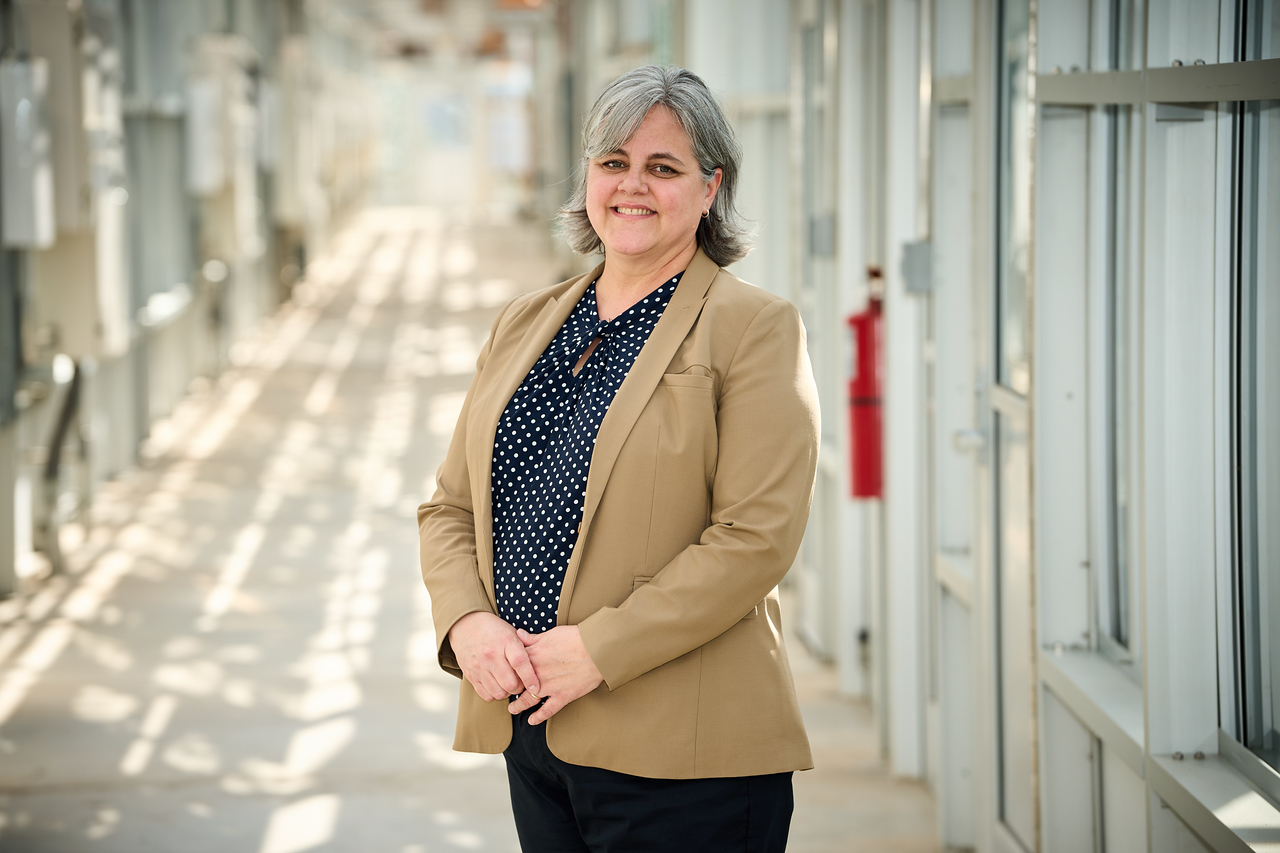
Amy Lawton-Rauh, senior associate provost and professor in the Department of Genetics and Biochemistry has been named a 2025 Fellow of the American Association for the Advancement of Science (AAAS), which is one of the highest honors in the scientific community.
Selected for her exceptional research and leadership in her field, with this election, Lawton-Rauh is being recognized by the AAAS for her contributions to the field of plant evolution. Her latest research addresses a rapidly growing agricultural challenge: herbicide-resistant Palmer amaranth (pigweed) invading cotton and soybean fields. This research also advanced understanding of resistance mechanisms across many organisms, including pathogens and invasive species.
Lawton-Rauh sees her election as an AAAS as both an honor and a responsibility, aiming to keep her own scientific spark and creativity while creating an environment at Clemson where students, faculty and staff can find and cultivate theirs.
“Dr. Amy Lawton-Rauh’s election as a fellow of AAAS recognizes not only her important research contributions, but also her exceptional leadership at Clemson,” Young said. “She has cultivated excellence in scholarship, empowered colleagues and students, and helped shape a collaborative environment where scientific innovation thrives in meaningful and lasting ways.”