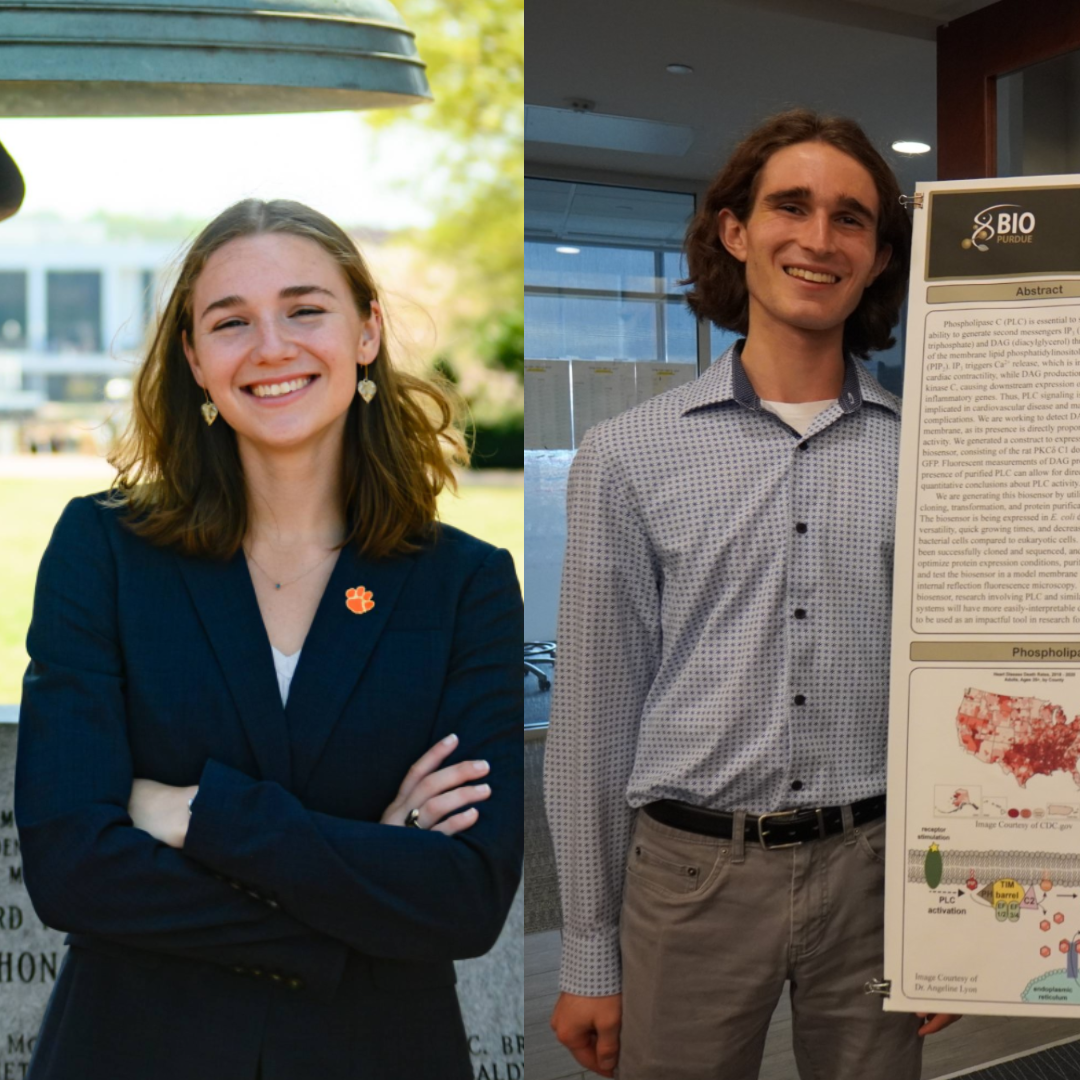
Senior Katie Barfield and alum Søren Spina were recognized by the National Science Foundation Graduate Research Fellowship Program (GRFP), a highly competitive award that supports outstanding graduate students in science, technology, engineering and mathematics (STEM) fields.
Katie, a genetics and sociology double major and Breakthrough Scholar studies the questions at the intersection of genetics, genomics and human health. Her research has explored transposable elements and translational regulation while also examining how science can better serve diverse communities. Søren is studying at Ohio State University.
The GRFP recognizes early-career scientists and engineers who demonstrate exceptional promises for leadership and innovation and provides three years of financial support over five years, including a $37,000 annual stipend and a $16,000 cost-of-education allowance to the institution.
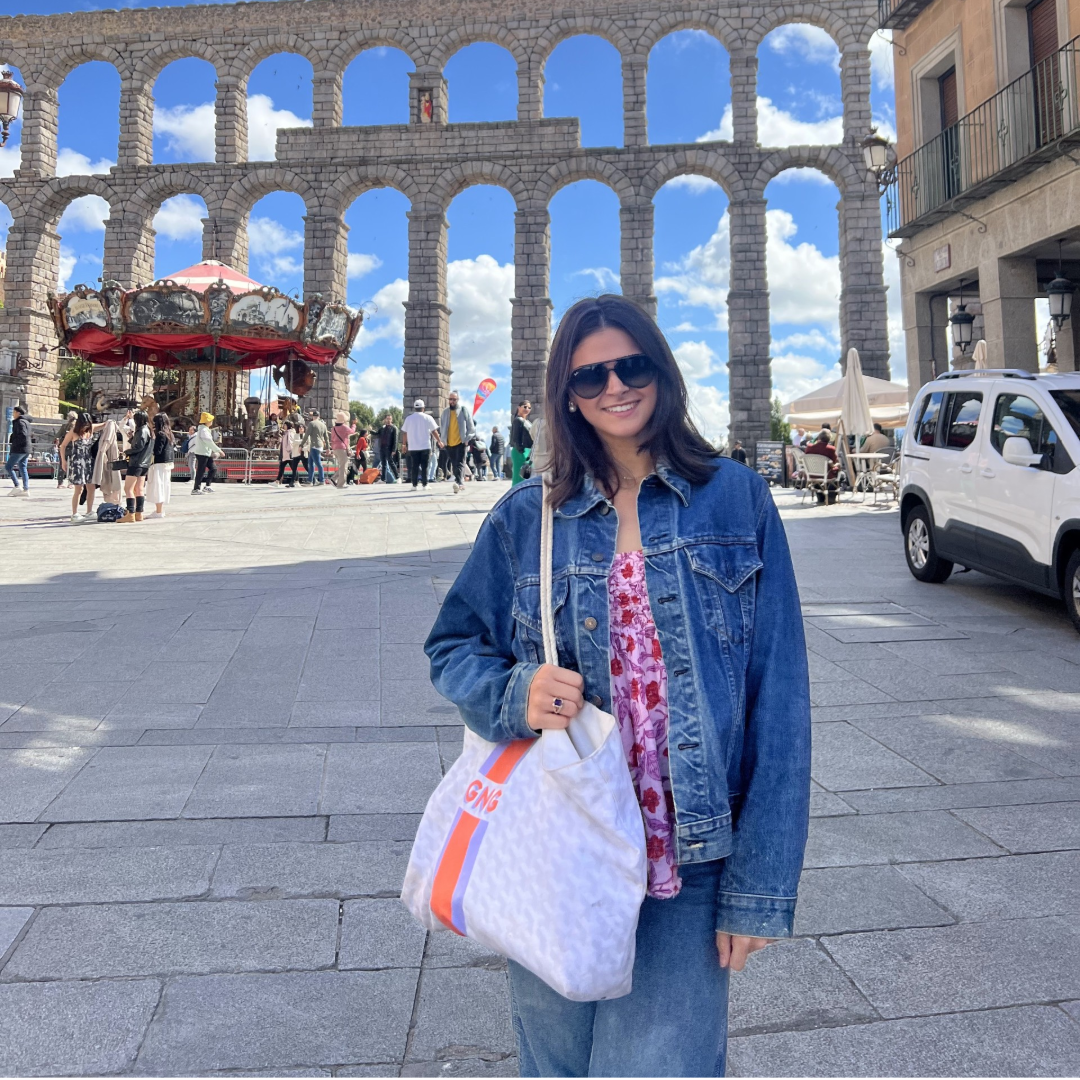
It will be strange not to see Gabbie Gardiner around the teaching labs in Poole anymore. Gabbie is graduating this May with dual degrees in genetics and biochemistry, along with a minor in Spanish, after serving as a student laboratory assistant.
“I have worked as a student laboratory assistant for the G&B [Poole] teaching labs for the past four years.”
Gabbie Gardiner has always kept busy, whether serving as an academic mentor and Assistant VP of Intellectual Development for the Theta Lambda Chapter of Alpha Chi Omega, acting as a Health Professions Advising Ambassador, or leading as Community Outreach Chair for The Period Project on campus. She has also been involved in organizations ranging from Beta Beta Beta Biological Honor Society to the Spanish Club and Hablemos Club.
Some of Gabbie’s extracurriculars were academic in nature as well, having worked in research labs aside from the teaching labs.
“I was a part of Dr. Métris’ Creative Inquiry exploring environmental DNA and RNA and Dr. Boccuto’s Health Genetics lab exploring Phelan-McDermid Syndrome.”
Gabbie has made many memories during her tenure at Clemson. However, when asked what her favorites are, a few come to mind.
“When we made it to the Elite 8 last year in basketball. I prefer watching basketball over football (sorry). An honorable mention for another favorite memory was winning Cribb Floor 5’s Resident of the Month for October 2022.”
Gabbie has gained a confidence over the last four years and has learned not to be afraid to speak up and talk to your peers and professors.
“Many of my opportunities have come from simply asking and not being afraid of being denied.”
After graduation, Gabbie plans to take the MCAT and work as a medical assistant until she moves to Spain to teach English in October as a gap year.
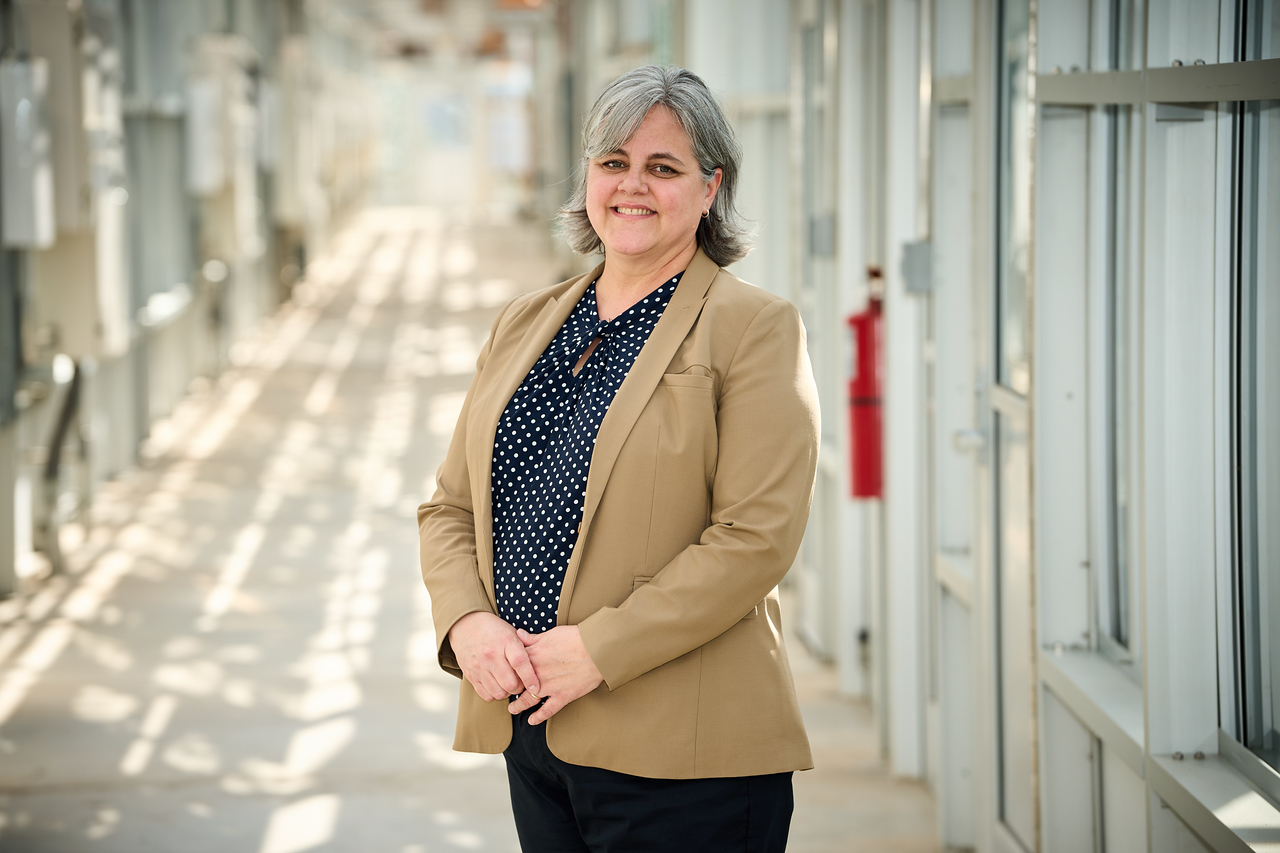
Amy Lawton-Rauh, senior associate provost and professor in the Department of Genetics and Biochemistry has been named a 2025 Fellow of the American Association for the Advancement of Science (AAAS), which is one of the highest honors in the scientific community.
Selected for her exceptional research and leadership in her field, with this election, Lawton-Rauh is being recognized by the AAAS for her contributions to the field of plant evolution. Her latest research addresses a rapidly growing agricultural challenge: herbicide-resistant Palmer amaranth (pigweed) invading cotton and soybean fields. This research also advanced understanding of resistance mechanisms across many organisms, including pathogens and invasive species.
Lawton-Rauh sees her election as an AAAS as both an honor and a responsibility, aiming to keep her own scientific spark and creativity while creating an environment at Clemson where students, faculty and staff can find and cultivate theirs.
“Dr. Amy Lawton-Rauh’s election as a fellow of AAAS recognizes not only her important research contributions, but also her exceptional leadership at Clemson,” Young said. “She has cultivated excellence in scholarship, empowered colleagues and students, and helped shape a collaborative environment where scientific innovation thrives in meaningful and lasting ways.”
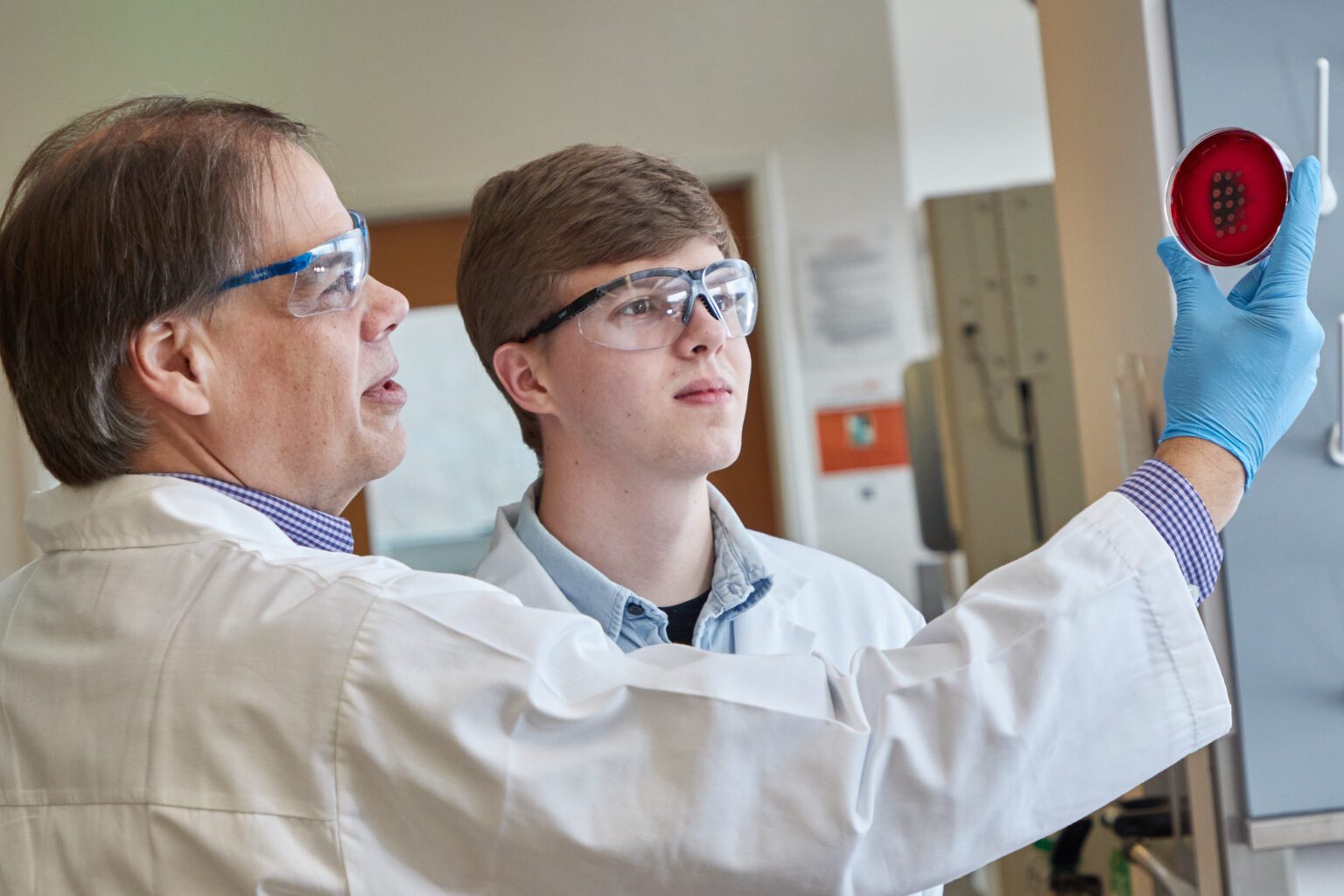
Assistant professor in Genetics and Biochemistry Dr. Stephen Dolan, who is also a part of the Eukaryotic Pathogens Innovation Center (EPIC), has joined forces with molecular biologist Gustavo Goldman at the University of São Paulo in Brazil to understand how dangerous fungi survive their own poisons and how that could be turned into a new antifungal drug.
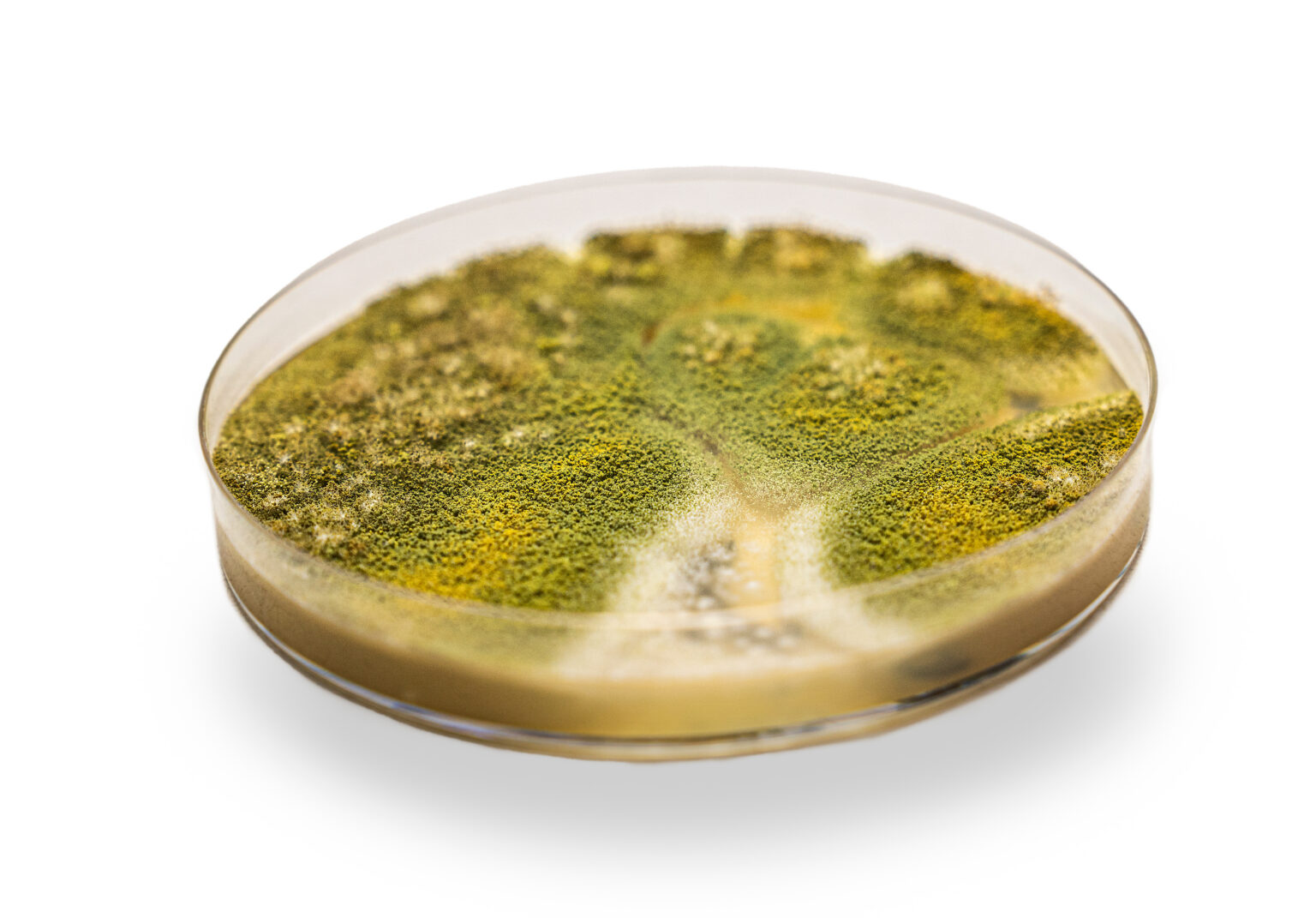
The two researchers work on the fungi Aspergillus fumigatus, a common mold that can cause life-threatening lung infections in people with weakened immune systems. A. fumigatus produces a potent toxin called gliotoxin that enables the fungus to cause disease and outcompete other microbes, but it is also so toxic that it can poison the fungus itself. To survive, the fungus has developed protective systems that neutralize gliotoxin.
With Dolan specializing in creating mutant strains of fungi and analyzing the resulting data to see which genes matter most for survival and Goldman’s strengths in fungal genetics and biochemistry, the team was able to connect molecular mechanisms to big-picture questions about how fungi cause disease.
Together they discovered that mitochondria are a key weak spot for gliotoxin. The toxin disrupts mitochondrial function, and when defenses fail, the fungus’s energy systems collapse, leading to cell death. The results reveal new details about how fungi defend themselves against their own toxins and highlight mitochondria as a possible target for future antifungal treatments, which is important because drug resistance is on the rise and current treatments for fungal infections can be toxic or ineffective.
Dolan has actually been working with Goldman since his Ph.D. and they have published two papers together, with more forthcoming and they’ve started participating in virtual joint lab meetings once a month. Dolan believes that collaboration in research is essential for impactful work.
“The mindset of working independently without engaging other labs is disappearing,” Dolan says.
“Science isn’t done in isolation. Labs must collaborate with others to move science forward. That’s just the nature of science…” says Dr. Kerry Smith, a professor in the Clemson Department of Genetics and Biochemistry and director of Eukaryotic Pathogens Innovation Center (EPIC).
This ideology is part of what prompted EPIC, which is one of Clemson’s largest research centers, to join with partners from around the world to form EPICON, the Eukaryotic Pathogens International Consortium. Dr. Smith now serves as EPICON’s first board chair.
“We realized that to tackle a serious global problem, we would need global partners,” said Bruce Rafert, the founding executive director of EPICON. “A new consortium made a lot of sense.”
Our partners are spectacular. USP is a top 100 global institution, and Ghana and Ecuador bring front-line experience with the very pathogens we study. The consortium essentially blankets the area where the global impacts of our pathogens are most severe and cause the biggest problems.” Rafert said.
The consortium was built on existing collaborations at the scientific level such as Stephen Dolan, an assistant professor in the Clemson Department of Genetics and Biochemistry, and Gustavo Goldman, a professor at USP, who have a close working relationship. Dolan began visiting Goldman’s lab while working toward his Ph.D. in Ireland and he and two of his graduate students traveled to Sao Paulo and Goldman’s lab. Goldman even visited Clemson last summer. They’ve published two scientific papers together.
Stephen Dolan, an assistant professor in the Department of Genetics and Biochemistry at Clemson University, does research focused on understanding the molecular interactions between bacteria and fungi which infect the lungs of people with cystic fibrosis. He found what he believes to be a new mechanism of how bacteria see and respond to fungal toxins during polymicrobial infection.
“When you combine the knowledge of many groups, it could give a better understanding of the whole problem,” Goldman said.
Dr. Meredith Morris has been awarded a Fulbright Specialist grant to strengthen international research and training partnerships between the Institute of Parasitology in the Czech Republic and the Eukaryotic Pathogens Innovation Center (EPIC) at Clemson University. This project brings together two globally recognized centers focused on understanding parasites that impact human and animal health.
The Fulbright award will support scientific exchange, collaborative research and shared training opportunities for students and early-career researchers. By building a sustainable bridge between the two institutions, the partnership between EPIC and the Institute of Parasitology will expand international opportunities, foster innovation and strengthen global networks in infectious disease research.
Beyond advancing laboratory science, this collaboration emphasizes professional development, cross-cultural engagement and preparing the next generation of scientists to work across borders to address complex global health challenges.
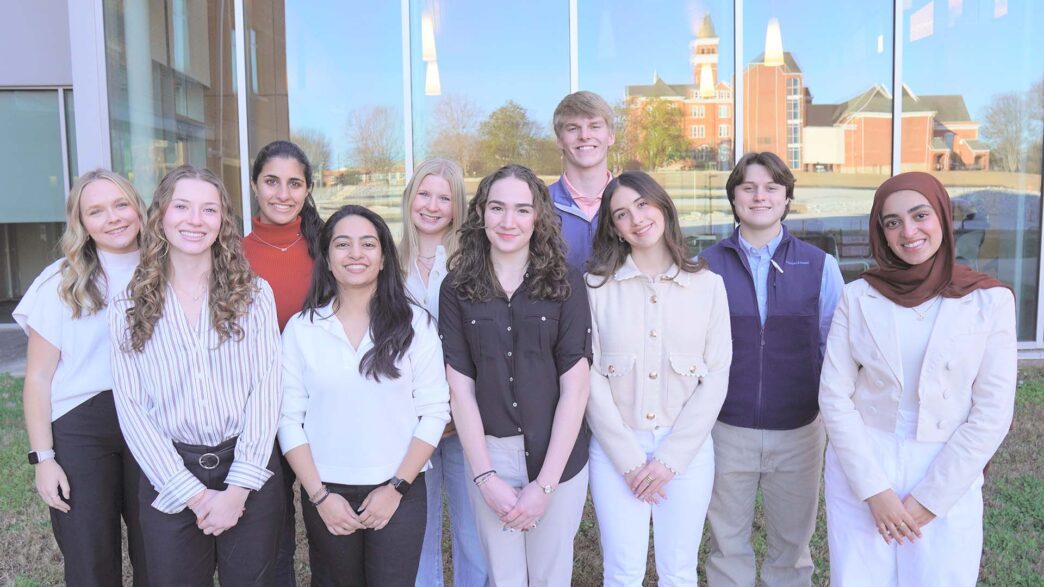
Alayna Khoja, genetics major, and Kristen Evans, biochemistry major have been inducted into the new Honors College initiative, the Action Scholars Program.
This new program brings together a group of first- and second-year Honors students to research, build and implement plans to address community needs or challenges, furthering the University’s land grant mission by building future leaders who are making a difference in communities throughout the state.
“This program brings 10 of those students together each year to share ideas, learn together and support each other as they pay it forward in their communities,” said Kristine Vernon, associate dean of curriculum and faculty affairs at the Honors College.
Action Scholars receive ongoing mentorship, identify community needs to build their projects, participate in events to finalize plans, build a portfolio of achievements and receive coaching to apply for major fellowships such as the Rhodes, Marshall or Truman.
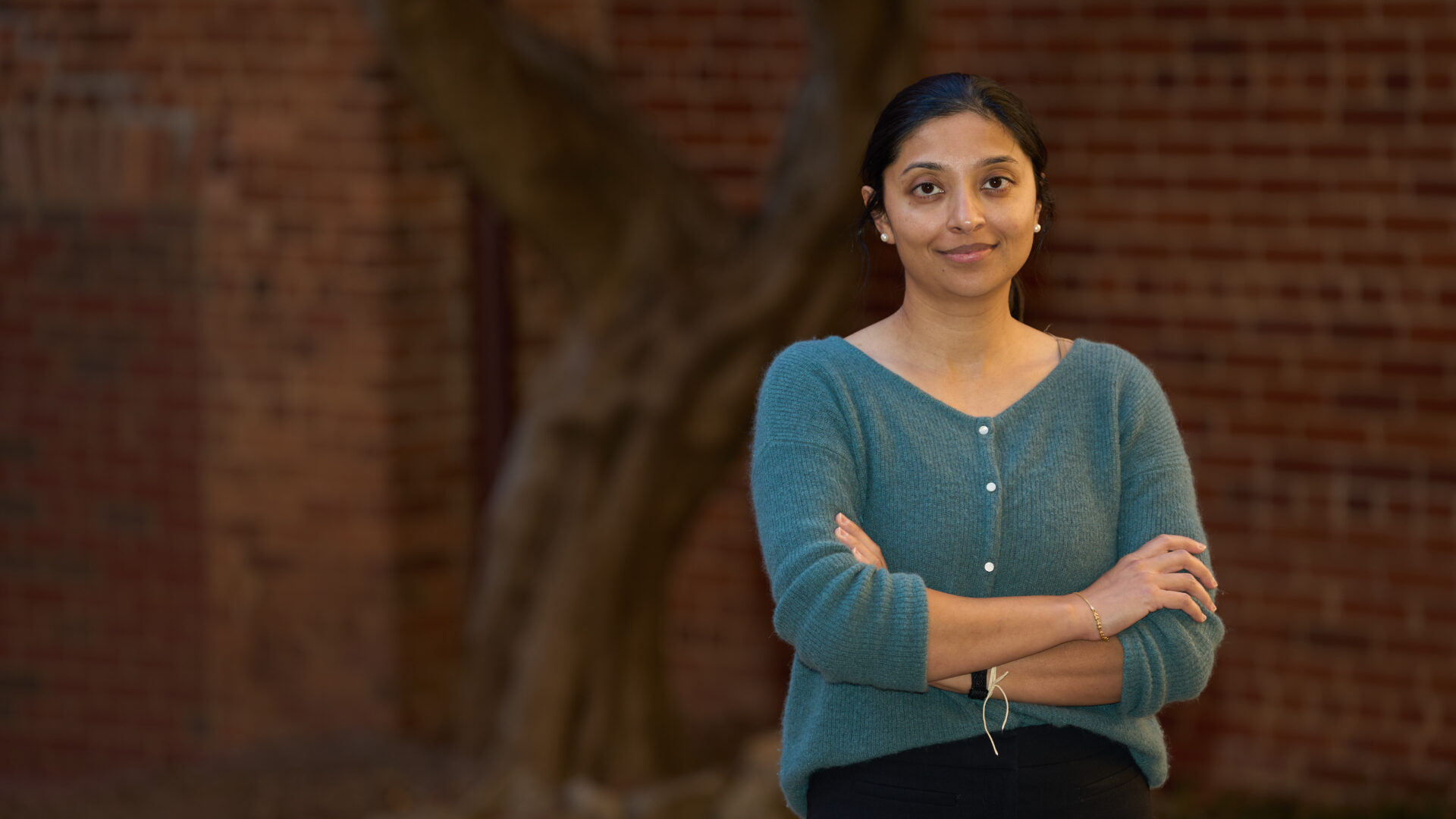
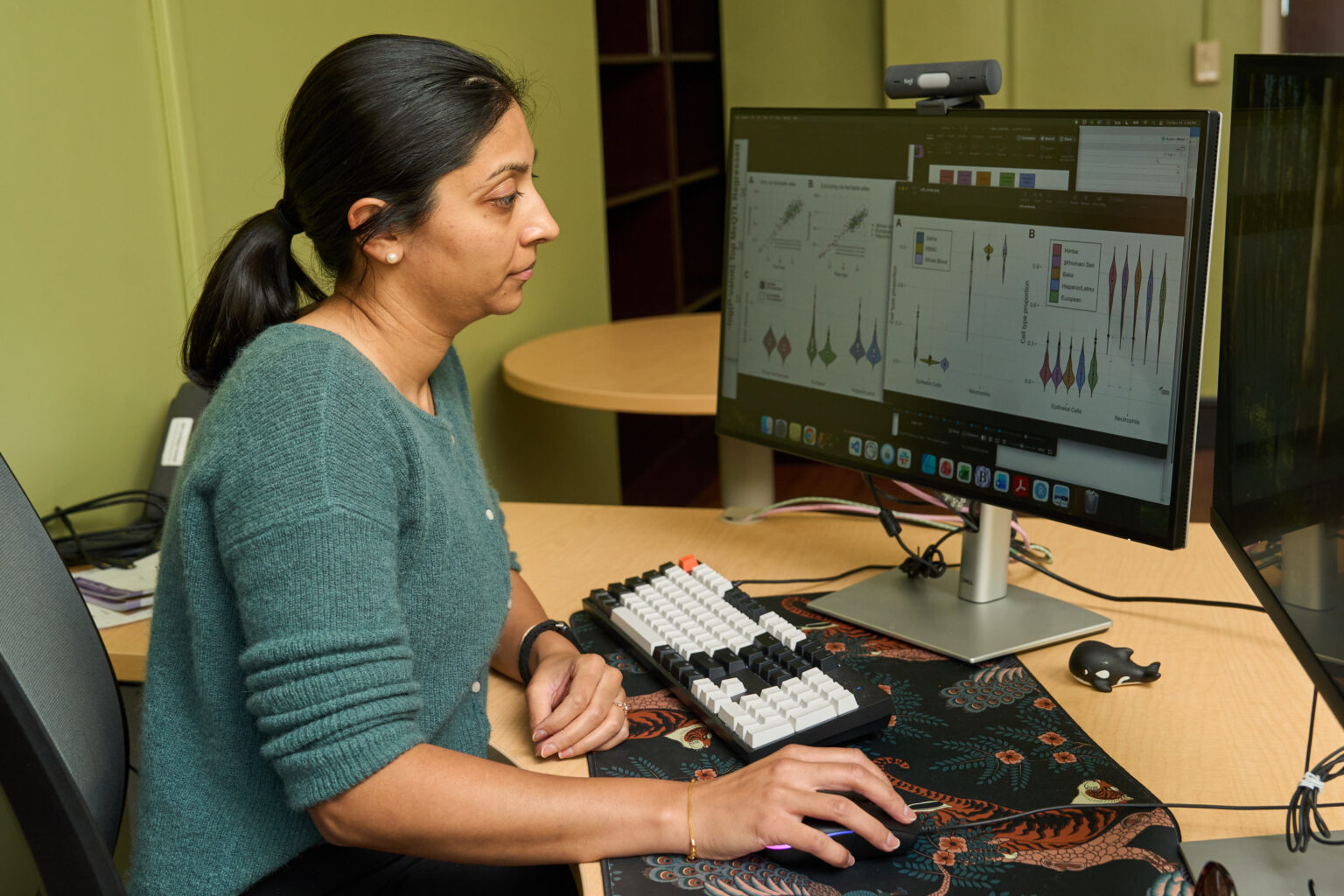
Aging leaves a chemical signature on DNA, statistical models known as epigenetic clocks estimating a person’s age with relatively high accuracy. However, new research by assistant professor and member of the Institute of Human Genetics Dr. Shyamalika Gopalan and collaborators from France show many of these clocks do not tell time well for some populations.
“None of these clocks are perfect. None of them are going to be,” Gopalan said. “But for some people, they can be way off because of genetic variation.”
“Human genetics is very biased toward Western European ancestry samples. It is data from those populations that is the most widely available and mostly widely used,” Gopalan said. “African populations have more genetic diversity than the majority of populations that we tend to study in human genetics. Our hypothesis was that genetic variation can bias these predictive models in ways that haven’t been accounted for,” she said. “It essentially means that the same level of DNA methylation can translate to a very different age prediction depending on your genotype.”
The researchers instead studied clocks to the African populations, which mostly showed significantly higher errors compared to publicly available DNA data from European and Hispanic/Latino individuals. When the researchers found this difference, they were able to reduce the error in the African cohorts while maintaining accuracy in the European and Hispanic/Latino samples.
“This study shows that we can’t necessarily take a model that was developed in one population and just apply it to another population and expect it to produce similar results,” Gopalan said. “Ideally, we would have better representation of global populations in our datasets so that we could build and train epigenetic clocks that perform better on everyone.”
In 2015, when Aliyah Simmons switched her major to biochemistry as a freshman, she had no idea that she had just begun a domino effect in her family.
Aliyah ’19, Chasity ’22 and Lauren Simmon’s ’25 parents raised them to always support one another. Whether in school or through life challenges, each sister knew they could rely on each other.
“As I’ve gotten older, our bond has only grown stronger, and I’m deeply grateful for the relationship we share,” Lauren says. “I truly love and appreciate my sisters, and I consider it a blessing to have them in my life.”
Lauren Simmons
Each sister has gone through and graduated from the Department of Genetics and Biochemistry at Clemson University. Aliyah and Chasity studied biochemistry and Lauren studied genetics.
“I always wanted to major in biochemistry since eighth grade due to my love for both biology and chemistry,” says Chasity.
However, it was Aliyah who was first to attend Clemson, coming in as a bioengineering major but soon found out engineering didn’t align with her future goals. She quickly switched to biochemistry and the others followed as they entered as freshman.
“When they [her sisters] shared their academic interests with me, I encouraged them to explore the G&B department because I knew it would be a great fit,” says Aliyah. “Throughout their time in school, I was always available to answer questions, help with course planning and offer guidance and support.”
Aliyah Simmons
For Lauren, choosing Clemson and our department was mainly family influence, but partly due to the exclusivity of our genetics program.
“When I learned that Clemson was one of the few universities offering genetics as a dedicated major, it immediately stood out to me,” says Lauren. “The combination of my family’s connection, my own visits and the opportunity to study genetics made Clemson the clear choice for me.”
Aside from their shared interest in the sciences of genetics and biochemistry, all three sisters also studied Spanish and were a part of the study abroad program with Aliyah and Chasity studying in Córdoba, Argentina and Lauren traveling to Santiago De Compostela, Spain.
“While there I did a surgical internship at the local hospital and many other activities. It was one of the best experiences of my life,” says Lauren, while Aliyah says, “I studied abroad in Córdoba, Argentina in Spring 2018, and it was an incredible experience. I’m still in touch with my host family to this day.”
Additionally, the Simmons sisters were noticeably active on campus during their undergrads, particularly in the Clemson University Student Government, which all three had some involvement. In addition to Student Government Aliyah, Casity and Lauren were involved in other extracurricular activities.
“I participated in the Minority Association of Pre-Medical Students, Undergraduate Pediatric Society, Association of Minority Psychology Students, was a Clemson Tour Guide and played intermural soccer and basketball,” says Chasity.
Chasity Simmons
After graduating, Aliyah, now a married mother of two boys, attended medical school at MUSC and is now at Rutgers Robert Wood Johnson in her anesthesia residency. For Chasity, she worked as a clinical assistant and translator at a pediatric clinic and is currently in medical school scheduled to graduate in 2028. Lauren, who just graduated a few months ago is pursuing medical school like her sisters.
All three sisters contribute some of their medical school successes to the faculty, peers and curriculum of the G&B department.
“Altogether, that sense of connection—with both peers and professors—has shaped my future by strengthening my study habits, collaboration skills and confidence, which I know will carry me forward in my medical journey,” says Lauren, while Aliyah says, “G&B taught me the importance of teamwork—something that’s essential in medicine, where collaboration across healthcare disciplines is critical.”
Associate professor Rajan Sekhon along with a team of researchers at Clemson University and partner organizations have received a $2.4 million, four-year grant to map genes that control leaf senescence in corn. Funded by the National Science Foundation through both the Plant Genome Research Program and the Cross-Directorate Activities program, this project aims to sustain photosynthesis longer, improve yield stability and support smarter on-farm nitrogen use.