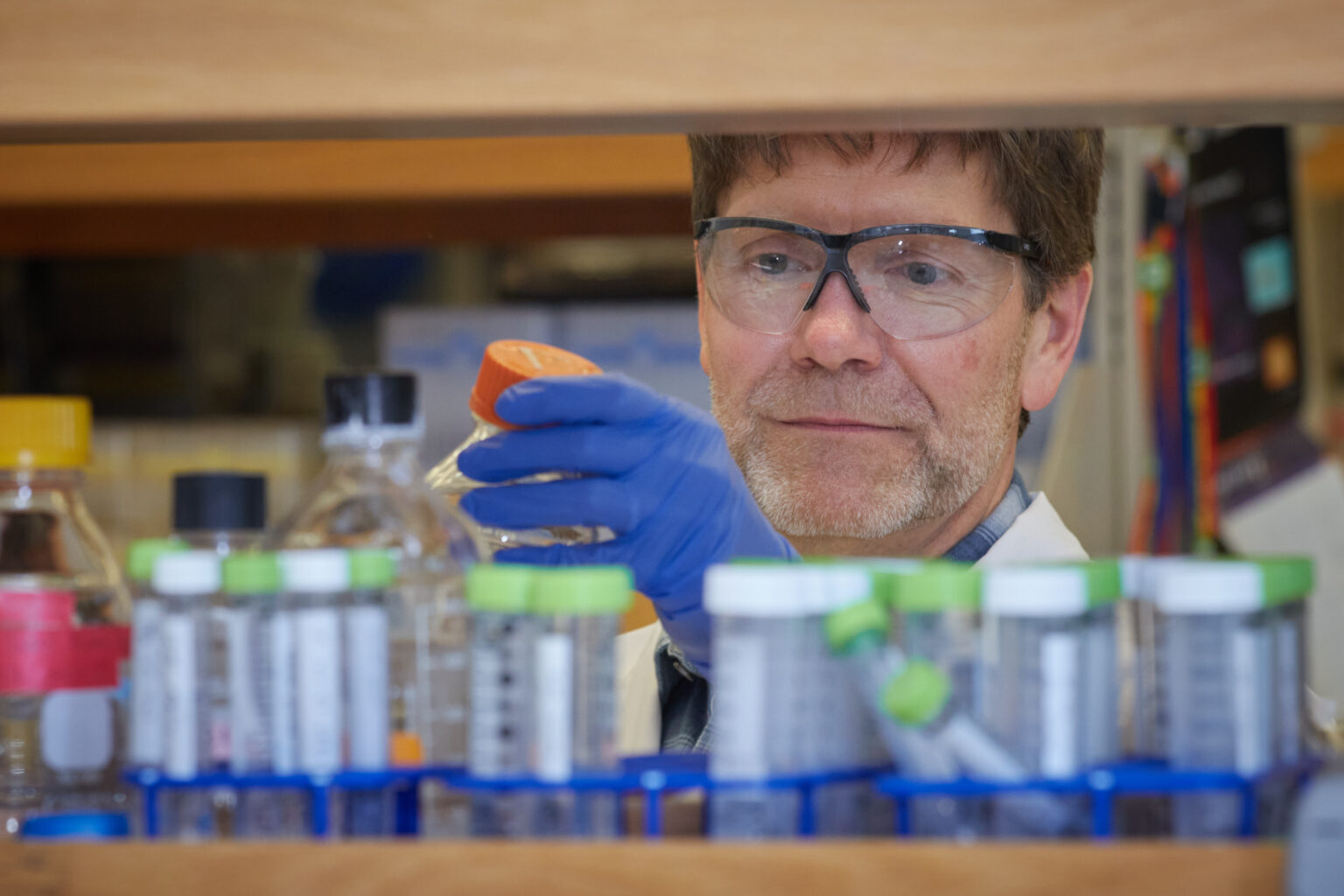
“Science isn’t done in isolation. Labs must collaborate with others to move science forward. That’s just the nature of science…” says Dr. Kerry Smith, a professor in the Clemson Department of Genetics and Biochemistry and director of Eukaryotic Pathogens Innovation Center (EPIC).
This ideology is part of what prompted EPIC, which is one of Clemson’s largest research centers, to join with partners from around the world to form EPICON, the Eukaryotic Pathogens International Consortium. Dr. Smith now serves as EPICON’s first board chair.
The consortium founding members include the University of Sao Paulo (USP) in Brazil, the University of Ghana and Pontificia Universidad Catolica del Ecuador (PUCE), which complement and supplement the research done by EPIC’s 24 faculty members, who represent three colleges and eight departments.
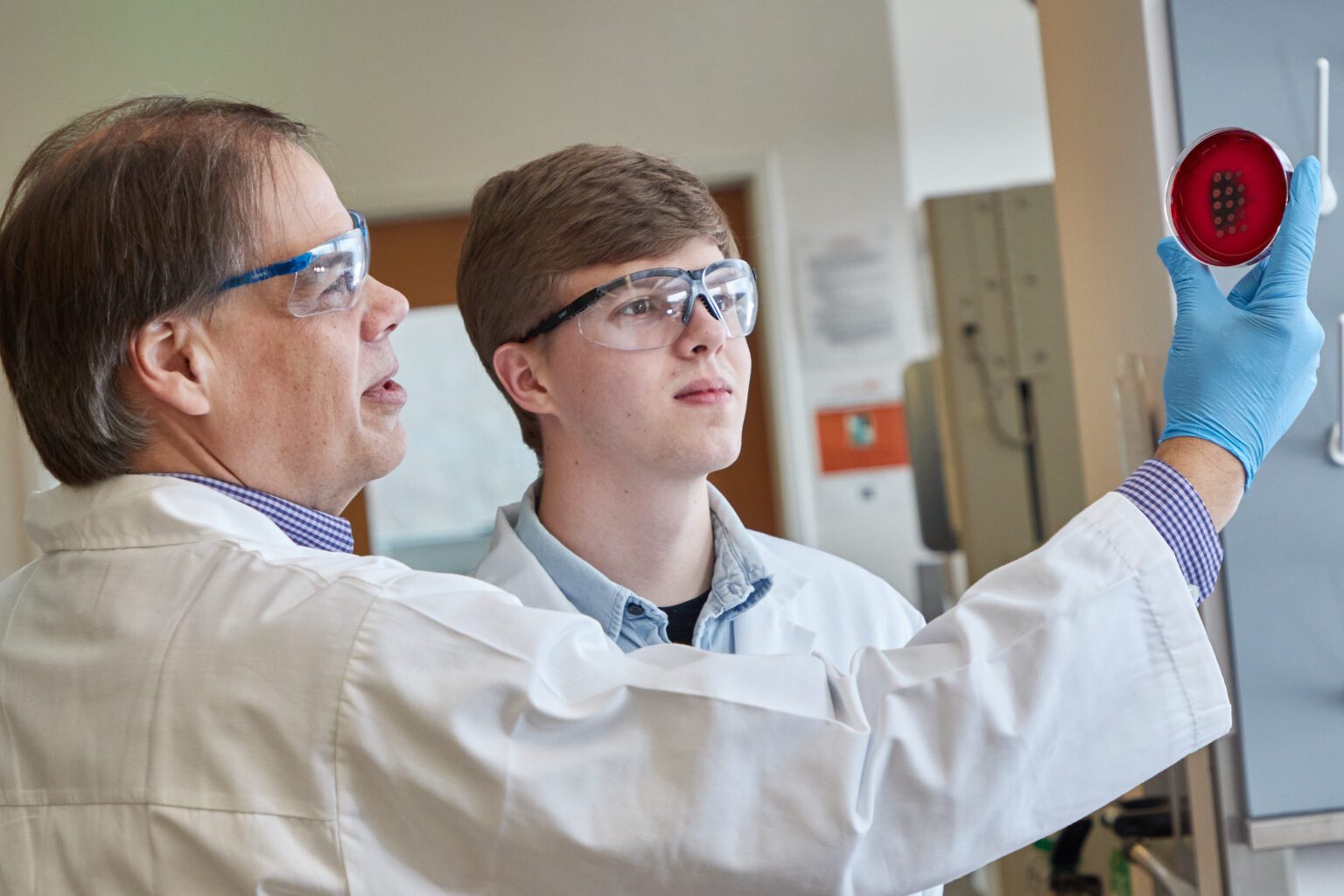
“We realized that to tackle a serious global problem, we would need global partners,” said Bruce Rafert, the founding executive director of EPICON. “A new consortium made a lot of sense.”
Our partners are spectacular. USP is a top 100 global institution, and Ghana and Ecuador bring front-line experience with the very pathogens we study. The consortium essentially blankets the area where the global impacts of our pathogens are most severe and cause the biggest problems.” Rafert said.
The consortium was built on existing collaborations at the scientific level such as Stephen Dolan, an assistant professor in the Clemson Department of Genetics and Biochemistry, and Gustavo Goldman, a professor at USP, who have a close working relationship. Dolan began visiting Goldman’s lab while working toward his Ph.D. in Ireland and he and two of his graduate students traveled to Sao Paulo and Goldman’s lab. Goldman even visited Clemson last summer. They’ve published two scientific papers together.

Stephen Dolan, an assistant professor in the Department of Genetics and Biochemistry at Clemson University, does research focused on understanding the molecular interactions between bacteria and fungi which infect the lungs of people with cystic fibrosis. He found what he believes to be a new mechanism of how bacteria see and respond to fungal toxins during polymicrobial infection.
“When you combine the knowledge of many groups, it could give a better understanding of the whole problem,” Goldman said.
Read more in the Clemson News article.
