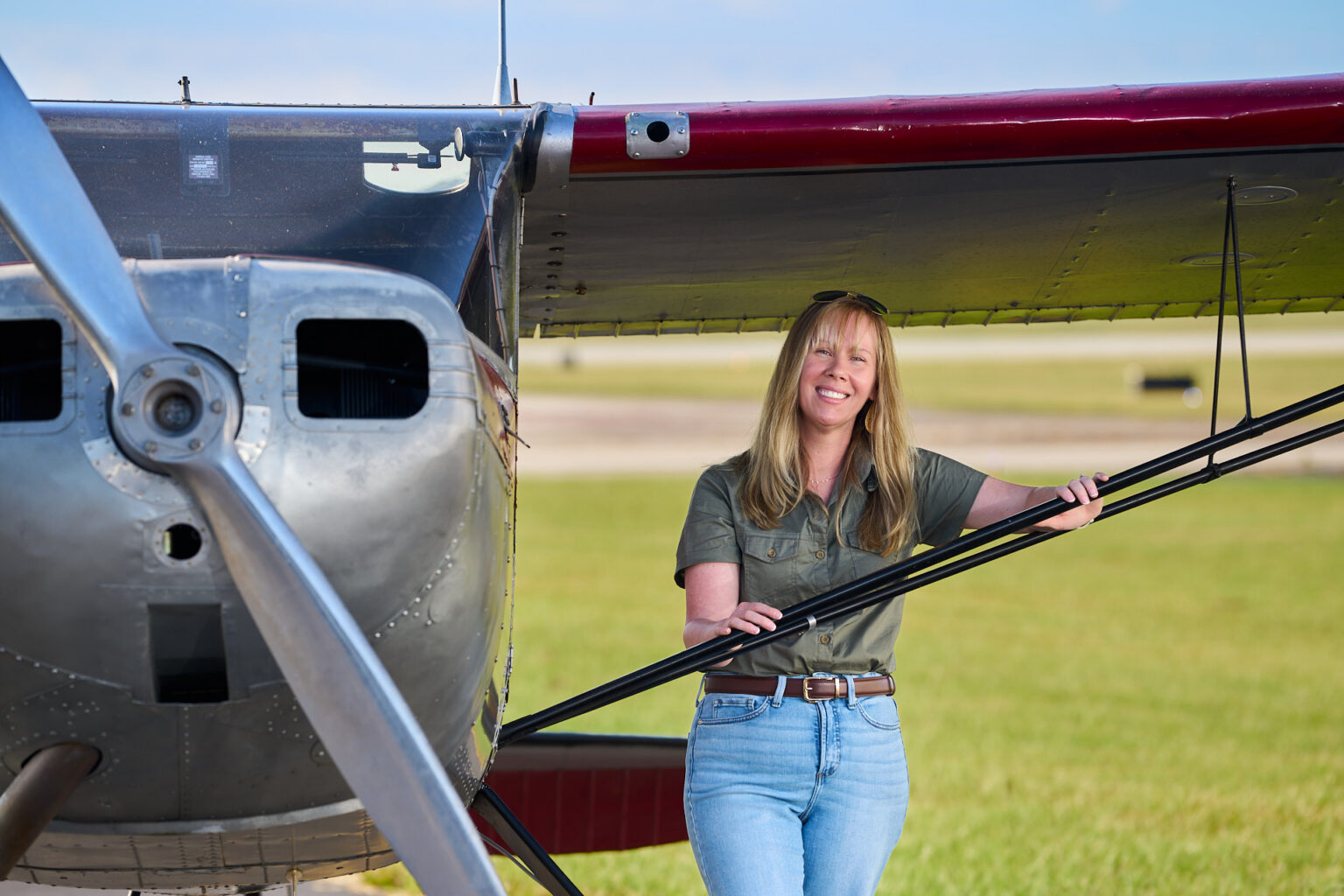
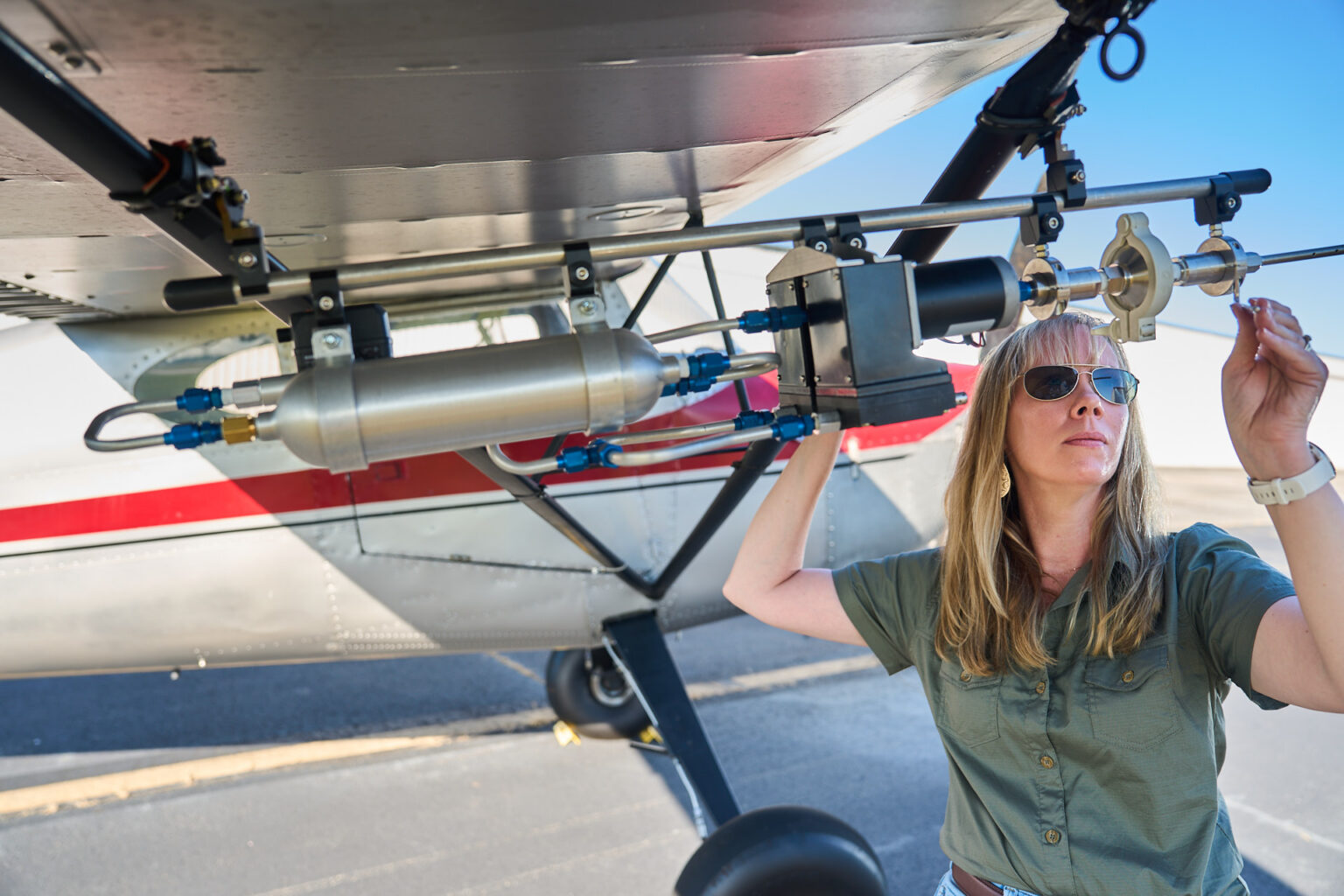
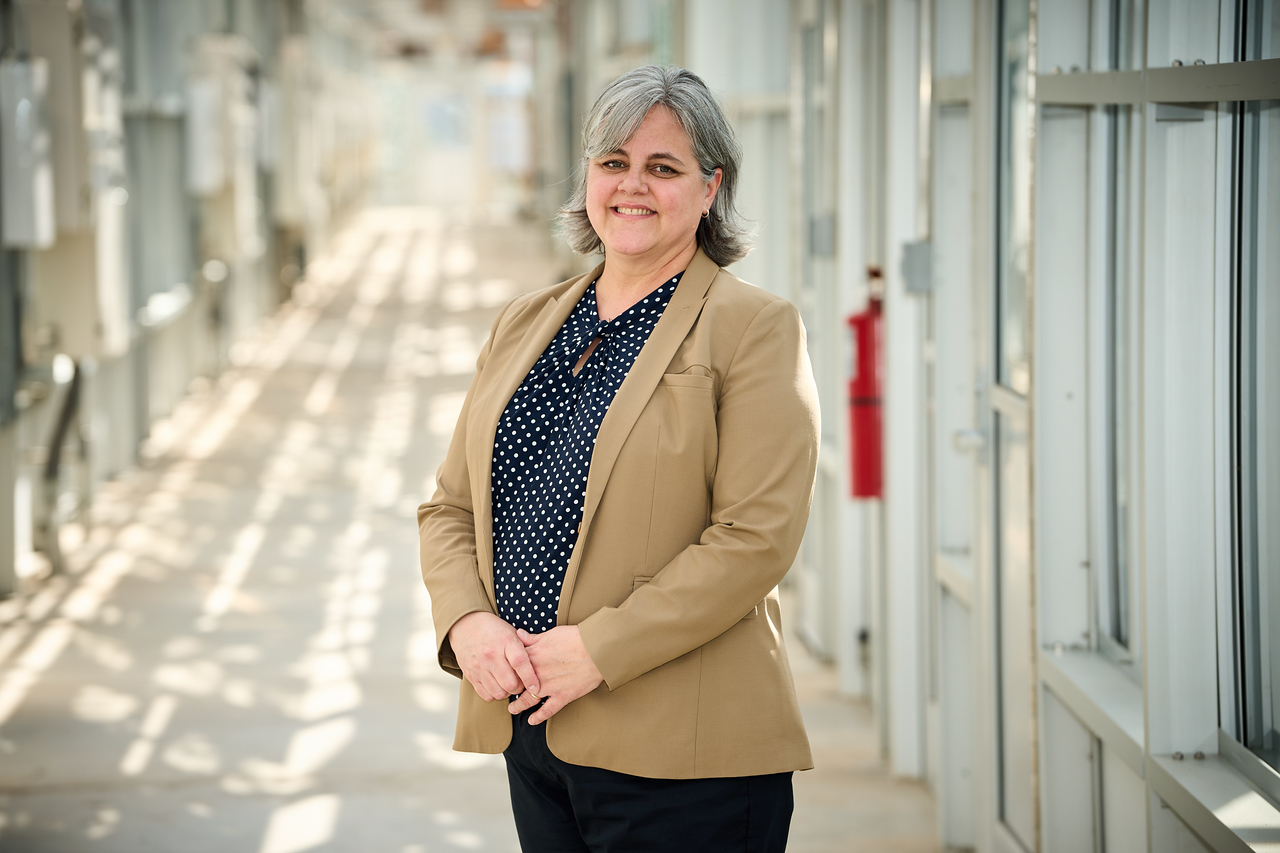
Using her single-engine aircraft and a contamination-free air sampling device developed alongside her husband, Jeremy, molecular ecologist and G&B lecturer Kimberly Métris collects samples from hundreds of meters above the ground to investigate which organisms are traveling through the air.
After fights over Hartwell, GA and Clemson, back in the laboratory, Métris sequenced fungal DNA from the filters in the device and compared the results with weather records, air-mass models and satellite measurements of vegetation productivity, finding a varied airborne community containing hundreds of fungi associated with plants, animals, soil, wood, dung and decaying leaves.
“We have the genomic makeup of this whole area,” Métris said, describing the long-term potential, “and then how does it change over time?”
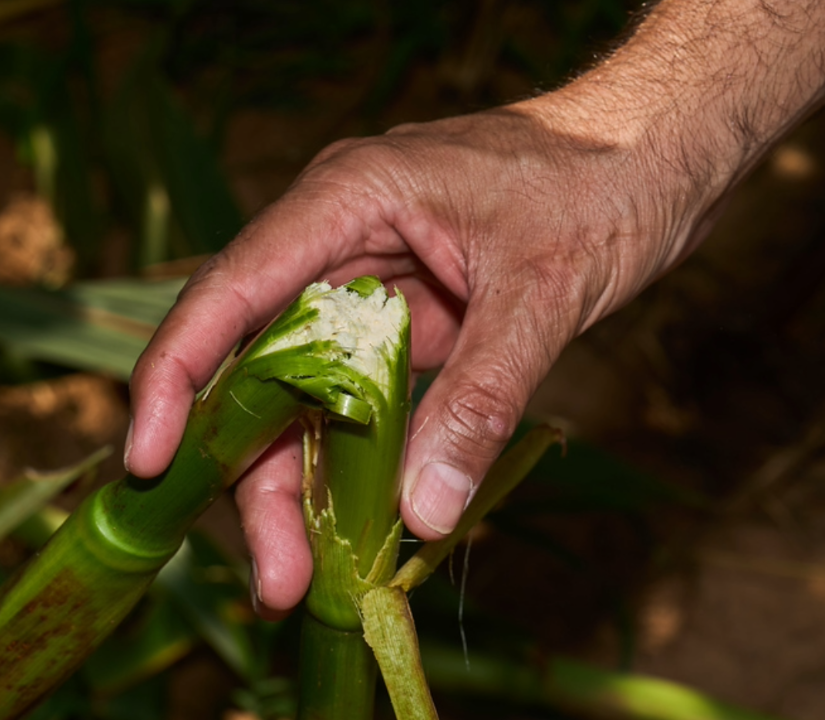
Stalk lodging, which is the bending, breaking, or falling of corn stalks before harvest, is a major agricultural challenge, causing more than $6 billion in maize yield losses worldwide each year, according to a peer-reviewed study by Clemson researchers and collaborators.
However, G&B’s Rajandeep Sekhon is leading a new, four-year, $6 million National Science Foundation grant that brings together plant geneticists, engineers, statisticians and artificial intelligence researchers from Clemson, the University of Nebraska Medical Center and the University of Idaho to develop corn plants that are less likely to bend or break before harvest. Sekhon will use Clemson’s $2 million share of the award to investigate the genetic and biological factors that influence stalk strength.
Researchers will grow and study about 1,000 maize inbred lines in South Carolina field trials, comparing plants with strong and weak lodging histories and measuring their stalk strength, stiffness, diameter, rind thickness and cellular characteristics.
“Our goal is to turn the genetic markers and biological insights we identify into practical tools breeders can use to develop stronger, more lodging-resistant corn. Ultimately, that could mean fewer losses in the field, more reliable harvests for farmers and more resilient food production,” Sekhon said.
Assistant professor Jennifer Mason has received the 2026 Samuel H. Wilson Award from the Environmental Mutagenesis and Genomics Society.
This award was created in honor of Samuel H. Wilson, who made seminal contributions to the field of DNA repair and who served for decades as a leader at the National Institutes of Health. The Samuel H. Wilson Award is given annually to provide career advancement opportunities for the next generation of environmental health scientists.
In this CI, students participate in tissue sectioning, advanced microscopy and histological analysis to assess plant anatomy and analyze how drought and other stressors alter plant tissues, helping them gain a better understanding of how environmental pressures affect agricultural systems.
“Dr. Mukhtar is as enthusiastic about working with undergraduates as he is about his own research,” wrote one student nominator for the Phil and Mary Bradley Faculty Award. “Even from my first conversation with him, I could tell he’s incredibly passionate about what he does and that he’s excited about including new students. He makes sure I know that he believes in me as a scientist … I’ve learned many important research skills, and I feel more confident in the lab because of him.”
Dr. Mukhtar says that the Carr Family Endowed Fund, which was established with a gift from Chalmers and Lori Anne Carr, owners and operators of Titan Farms, provides support for CI projects related to fruit and vegetable crop production, agriculture industries and rural economic development. will help provide students with a more immersive research experience and expand access to research technology to tackle real world agricultural challenges.
Phil and Mary Bradley helped launch the CI program in 2005 with a gift of $100,000. Since that time, they have continued to support CI by endowing the faculty award since 2006. The Bradleys’ generous gift allows each recipient to receive a plaque and salary supplement.
Amy Lawton-Rauh, senior associate provost and professor in the Department of Genetics and Biochemistry has been named a 2025 Fellow of the American Association for the Advancement of Science (AAAS), which is one of the highest honors in the scientific community.
Selected for her exceptional research and leadership in her field, with this election, Lawton-Rauh is being recognized by the AAAS for her contributions to the field of plant evolution. Her latest research addresses a rapidly growing agricultural challenge: herbicide-resistant Palmer amaranth (pigweed) invading cotton and soybean fields. This research also advanced understanding of resistance mechanisms across many organisms, including pathogens and invasive species.
Lawton-Rauh sees her election as an AAAS as both an honor and a responsibility, aiming to keep her own scientific spark and creativity while creating an environment at Clemson where students, faculty and staff can find and cultivate theirs.
“Dr. Amy Lawton-Rauh’s election as a fellow of AAAS recognizes not only her important research contributions, but also her exceptional leadership at Clemson,” Young said. “She has cultivated excellence in scholarship, empowered colleagues and students, and helped shape a collaborative environment where scientific innovation thrives in meaningful and lasting ways.”
Assistant professor in Genetics and Biochemistry Dr. Stephen Dolan, who is also a part of the Eukaryotic Pathogens Innovation Center (EPIC), has joined forces with molecular biologist Gustavo Goldman at the University of São Paulo in Brazil to understand how dangerous fungi survive their own poisons and how that could be turned into a new antifungal drug.
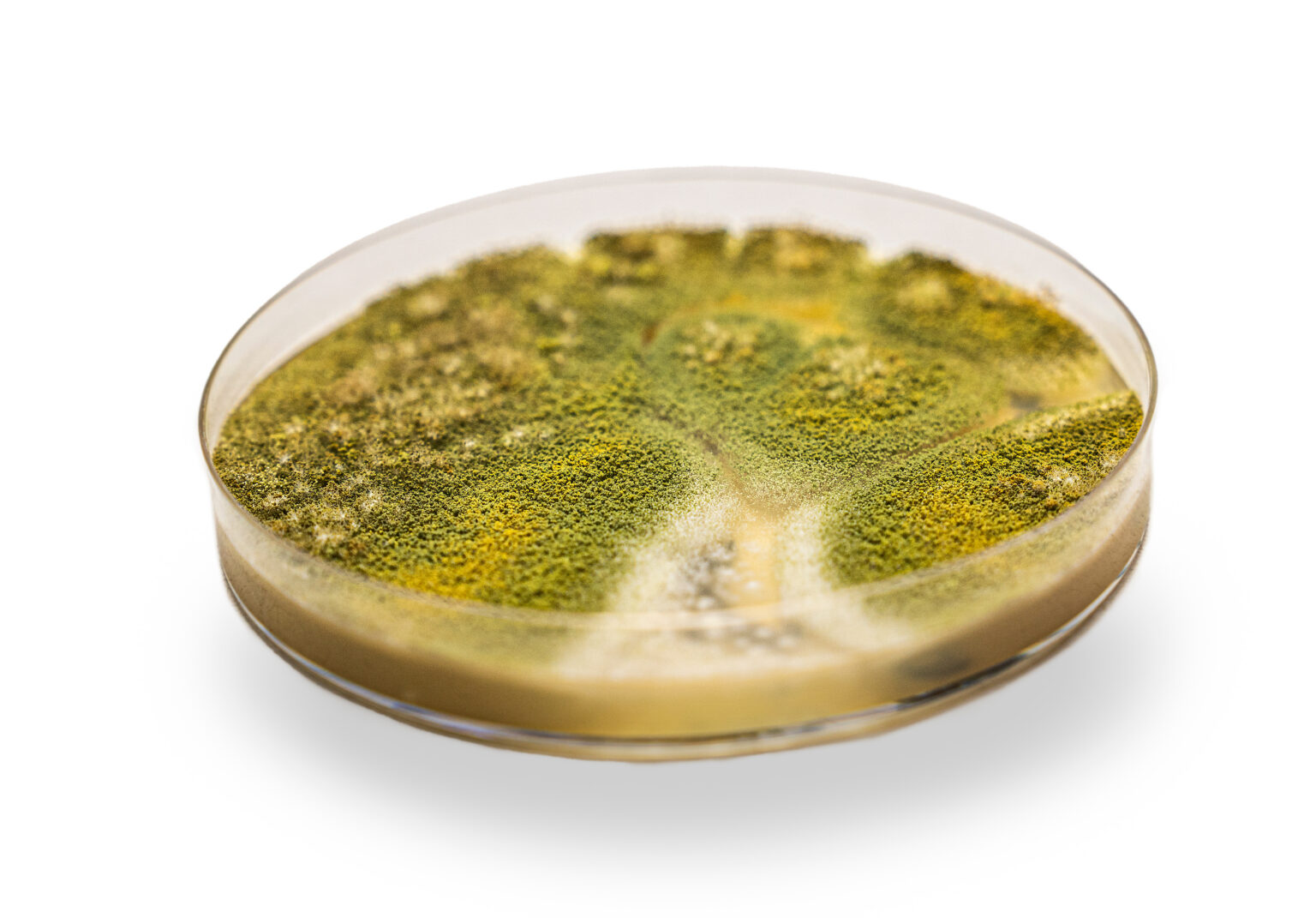
The two researchers work on the fungi Aspergillus fumigatus, a common mold that can cause life-threatening lung infections in people with weakened immune systems. A. fumigatus produces a potent toxin called gliotoxin that enables the fungus to cause disease and outcompete other microbes, but it is also so toxic that it can poison the fungus itself. To survive, the fungus has developed protective systems that neutralize gliotoxin.
With Dolan specializing in creating mutant strains of fungi and analyzing the resulting data to see which genes matter most for survival and Goldman’s strengths in fungal genetics and biochemistry, the team was able to connect molecular mechanisms to big-picture questions about how fungi cause disease.
Together they discovered that mitochondria are a key weak spot for gliotoxin. The toxin disrupts mitochondrial function, and when defenses fail, the fungus’s energy systems collapse, leading to cell death. The results reveal new details about how fungi defend themselves against their own toxins and highlight mitochondria as a possible target for future antifungal treatments, which is important because drug resistance is on the rise and current treatments for fungal infections can be toxic or ineffective.
Dolan has actually been working with Goldman since his Ph.D. and they have published two papers together, with more forthcoming and they’ve started participating in virtual joint lab meetings once a month. Dolan believes that collaboration in research is essential for impactful work.
“The mindset of working independently without engaging other labs is disappearing,” Dolan says.
“Science isn’t done in isolation. Labs must collaborate with others to move science forward. That’s just the nature of science…” says Dr. Kerry Smith, a professor in the Clemson Department of Genetics and Biochemistry and director of Eukaryotic Pathogens Innovation Center (EPIC).
This ideology is part of what prompted EPIC, which is one of Clemson’s largest research centers, to join with partners from around the world to form EPICON, the Eukaryotic Pathogens International Consortium. Dr. Smith now serves as EPICON’s first board chair.
“We realized that to tackle a serious global problem, we would need global partners,” said Bruce Rafert, the founding executive director of EPICON. “A new consortium made a lot of sense.”
Our partners are spectacular. USP is a top 100 global institution, and Ghana and Ecuador bring front-line experience with the very pathogens we study. The consortium essentially blankets the area where the global impacts of our pathogens are most severe and cause the biggest problems.” Rafert said.
The consortium was built on existing collaborations at the scientific level such as Stephen Dolan, an assistant professor in the Clemson Department of Genetics and Biochemistry, and Gustavo Goldman, a professor at USP, who have a close working relationship. Dolan began visiting Goldman’s lab while working toward his Ph.D. in Ireland and he and two of his graduate students traveled to Sao Paulo and Goldman’s lab. Goldman even visited Clemson last summer. They’ve published two scientific papers together.
Stephen Dolan, an assistant professor in the Department of Genetics and Biochemistry at Clemson University, does research focused on understanding the molecular interactions between bacteria and fungi which infect the lungs of people with cystic fibrosis. He found what he believes to be a new mechanism of how bacteria see and respond to fungal toxins during polymicrobial infection.
“When you combine the knowledge of many groups, it could give a better understanding of the whole problem,” Goldman said.
Dr. Meredith Morris has been awarded a Fulbright Specialist grant to strengthen international research and training partnerships between the Institute of Parasitology in the Czech Republic and the Eukaryotic Pathogens Innovation Center (EPIC) at Clemson University. This project brings together two globally recognized centers focused on understanding parasites that impact human and animal health.
The Fulbright award will support scientific exchange, collaborative research and shared training opportunities for students and early-career researchers. By building a sustainable bridge between the two institutions, the partnership between EPIC and the Institute of Parasitology will expand international opportunities, foster innovation and strengthen global networks in infectious disease research.
Beyond advancing laboratory science, this collaboration emphasizes professional development, cross-cultural engagement and preparing the next generation of scientists to work across borders to address complex global health challenges.
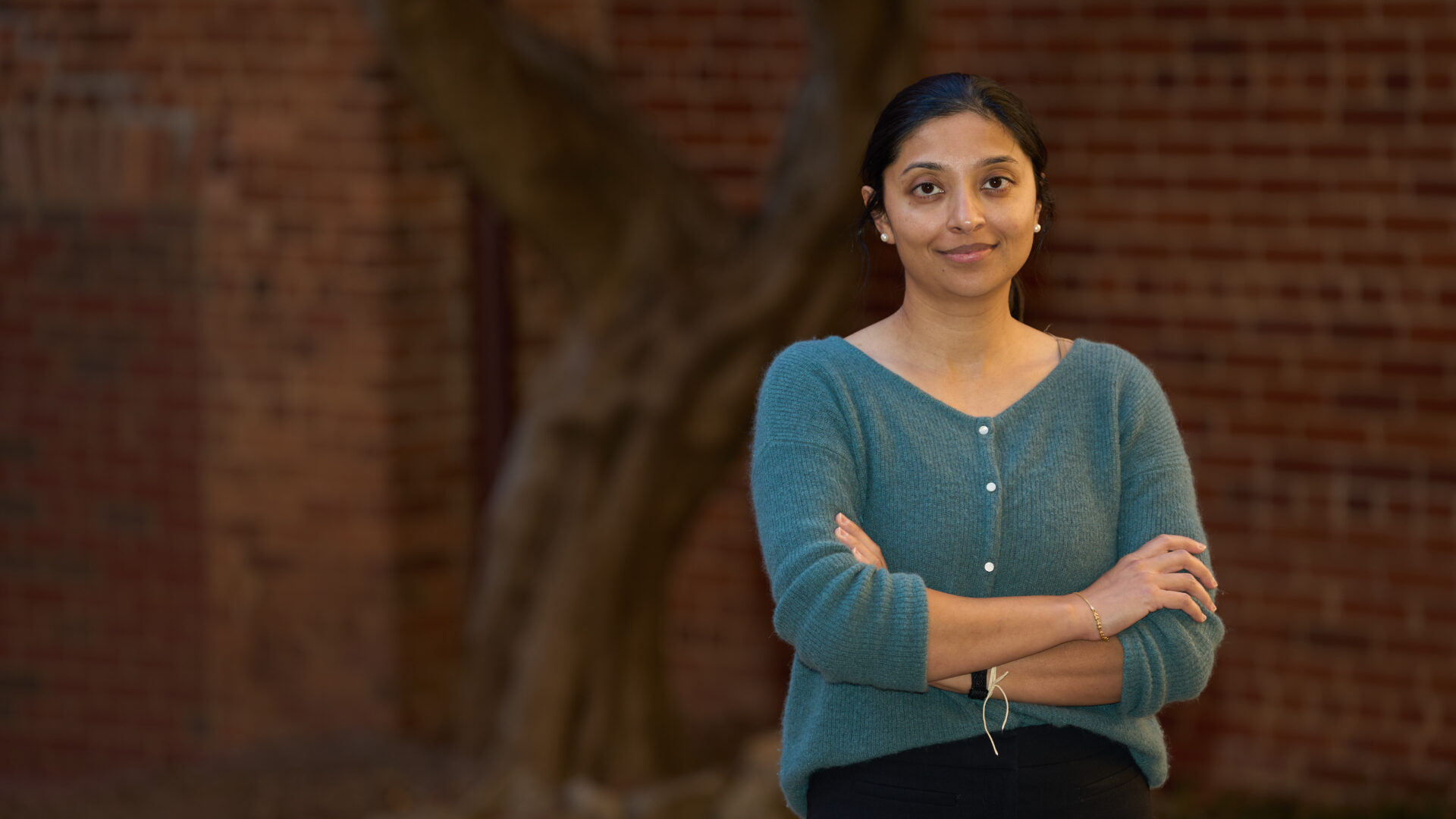
Aging leaves a chemical signature on DNA, statistical models known as epigenetic clocks estimating a person’s age with relatively high accuracy. However, new research by assistant professor and member of the Institute of Human Genetics Dr. Shyamalika Gopalan and collaborators from France show many of these clocks do not tell time well for some populations.
“None of these clocks are perfect. None of them are going to be,” Gopalan said. “But for some people, they can be way off because of genetic variation.”
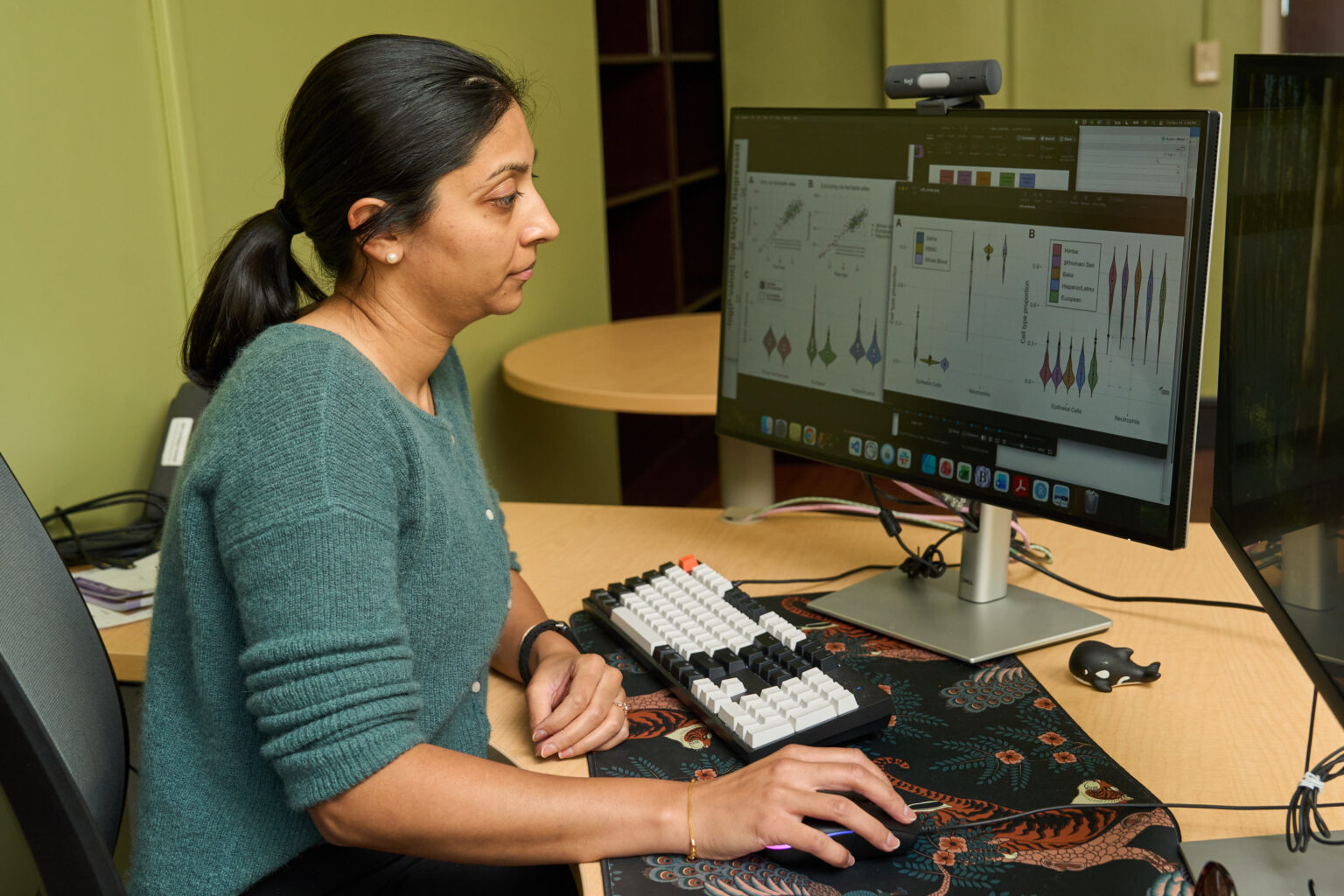
“Human genetics is very biased toward Western European ancestry samples. It is data from those populations that is the most widely available and mostly widely used,” Gopalan said. “African populations have more genetic diversity than the majority of populations that we tend to study in human genetics. Our hypothesis was that genetic variation can bias these predictive models in ways that haven’t been accounted for,” she said. “It essentially means that the same level of DNA methylation can translate to a very different age prediction depending on your genotype.”
The researchers instead studied clocks to the African populations, which mostly showed significantly higher errors compared to publicly available DNA data from European and Hispanic/Latino individuals. When the researchers found this difference, they were able to reduce the error in the African cohorts while maintaining accuracy in the European and Hispanic/Latino samples.
“This study shows that we can’t necessarily take a model that was developed in one population and just apply it to another population and expect it to produce similar results,” Gopalan said. “Ideally, we would have better representation of global populations in our datasets so that we could build and train epigenetic clocks that perform better on everyone.”