Genetics and Biochemistry News

Gopalan researches DNA aging

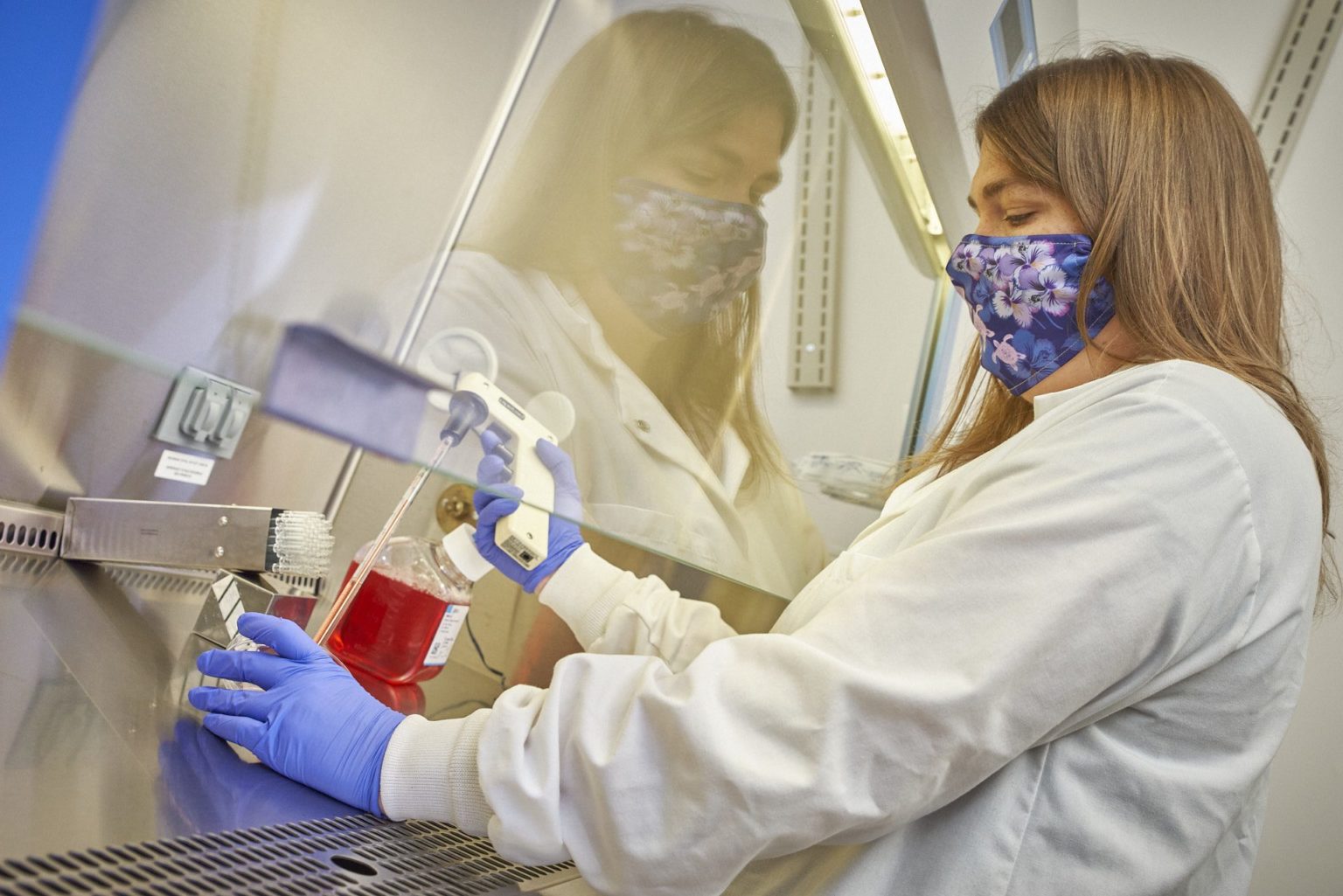
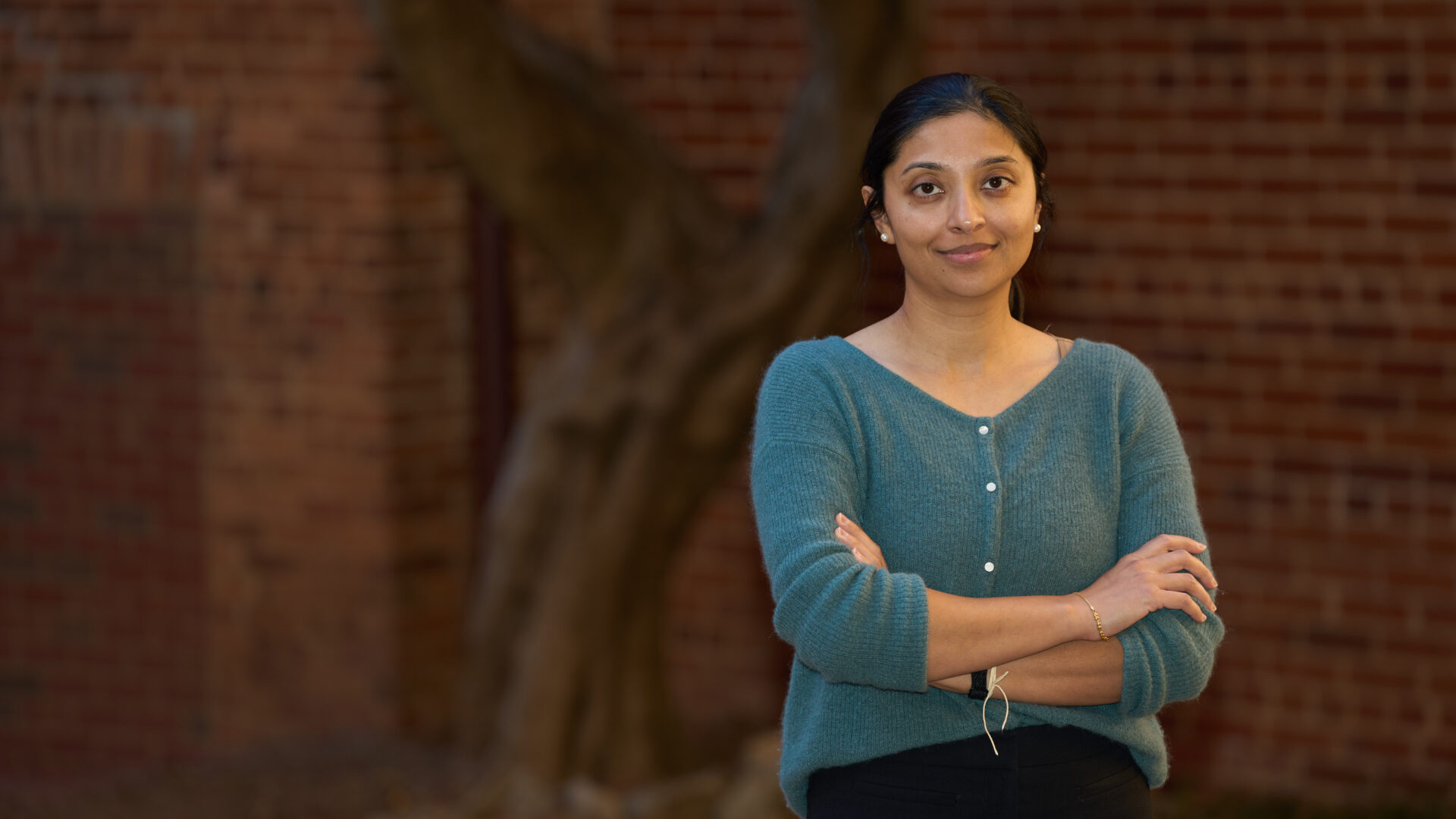
Aging leaves a chemical signature on DNA, statistical models known as epigenetic clocks estimating a person’s age with relatively high accuracy. However, new research by assistant professor and member of the Institute of Human Genetics Dr. Shyamalika Gopalan and collaborators from France show many of these clocks do not tell time well for some populations.

“None of these clocks are perfect. None of them are going to be,” Gopalan said. “But for some people, they can be way off because of genetic variation.”

 Most of the research and the clocks were built around European ancestry. The recently published work, “Common DNA sequence variation influences epigenetic aging in African populations,” found that these clocks show differences in accuracy when applied to different populations from around the world.

“Human genetics is very biased toward Western European ancestry samples. It is data from those populations that is the most widely available and mostly widely used,” Gopalan said. “African populations have more genetic diversity than the majority of populations that we tend to study in human genetics. Our hypothesis was that genetic variation can bias these predictive models in ways that haven’t been accounted for,” she said.  “It essentially means that the same level of DNA methylation can translate to a very different age prediction depending on your genotype.”
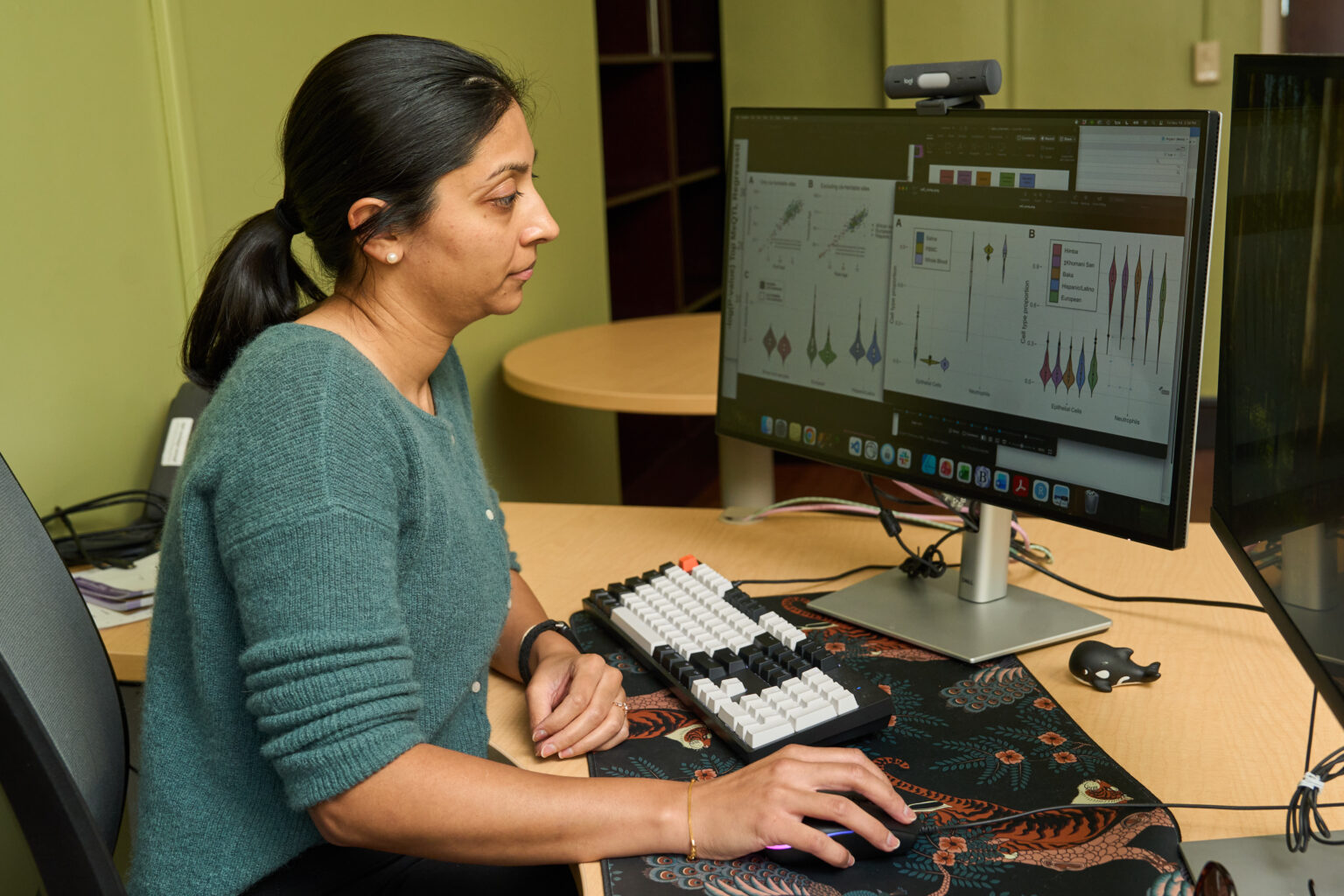
The researchers instead studied clocks to the African populations, which mostly showed significantly higher errors compared to publicly available DNA data from European and Hispanic/Latino individuals. When the researchers found this difference, they were able to reduce the error in the African cohorts while maintaining accuracy in the European and Hispanic/Latino samples.

“This study shows that we can’t necessarily take a model that was developed in one population and just apply it to another population and expect it to produce similar results,” Gopalan said. “Ideally, we would have better representation of global populations in our datasets so that we could build and train epigenetic clocks that perform better on everyone.”

ASBMB re-accredits biochemistry program

The Biochemistry Bachelor of Science program at Clemson University has been fully re-accredited by The American Society for Biochemistry and Molecular Biology (ASBMB) for another 7-year cycle.

The website notes that ASBMB accreditation is a national, independent, outcomes-based evaluation system that recognizes excellence in B.S. or B.A. degree programs in biochemistry and molecular biology. A committee of experts from academia and the private sector judge three program areas: curriculum, faculty and infrastructure.

The benefits to an ASBMB accreditation can include recognition for upholding the highest standards of education, leverage in gaining outside resources and advantages in recruiting students.

The society noted our outstanding faculty, strong curriculum and continuous strides to improve the program.

World CRISPR Day – G&B faculty highlighted

Today, October 20 is World CRISPR day, the day CRISPR was first used to edit a human genome — was established to celebrate its transformative impact on science, medicine and biotechnology.

CRISPR, which is short for Clustered Regularly Interspaced Short Palindromic Repeats, is a powerful gene-editing technology that research scientists use to selectively modify the DNA of living organisms so they can study gene function in disease, develop diagnostic tests and identify novel treatments. 

CRISPR was discovered in bacterial immune systems and works by acting when a virus attacks, save tiny pieces of the viral bacterial DNA. The next time the virus appears, the bacteria use CRISPR and a protein called Cas9 to locate and destroy the invader’s DNA.

For World CRISPR Day Clemson News highlighted two of the department’s faculty who use CRISPR in their research to advance human health.

Stephen Dolan

Dr. Stephen Dolan’s lab focuses on Aspergillus fumigatus, a fungal pathogen responsible for serious infections, particularly in immunocompromised individuals. By generating and studying fungal mutant strains using CRISPR, Dolan’s team investigates how Aspergillus responds to infection-relevant stressors and antifungal treatments.

“CRISPR has allowed us to move beyond the well-adapted lab strains we used to rely on. Now we can edit genes in pathogens taken directly from patients or the environment to better understand how they survive and cause disease,” he said.

Jennifer Mason

Dr. Jennifer Mason works on DNA damage and repair, studying how cells respond to DNA damage, including damage caused by sunlight exposure. 

Mason obtains cancerous and non-cancerous cell lines from human patients and predicts the genes essential for that DNA repair. She then uses CRISPR-Cas9, an enzyme, to knock the gene out. Once the gene is knocked out, she monitors a mutant or knockout cell line to see if the cell can still repair DNA damage. 

Before CRISPR, many DNA repair experiments that make specific changes or knockouts would not have been feasible due to cost and time. 

“I got my Ph.D. in human genetics in 2010, and we were limited to the availability of patient cell lines where patients with these disorders consent to having skin biopsies taken,” Mason says. 

Read more in the Clemson News article.

Dr. Rajan Sekhon and team lead to 2.4 million NFS grant

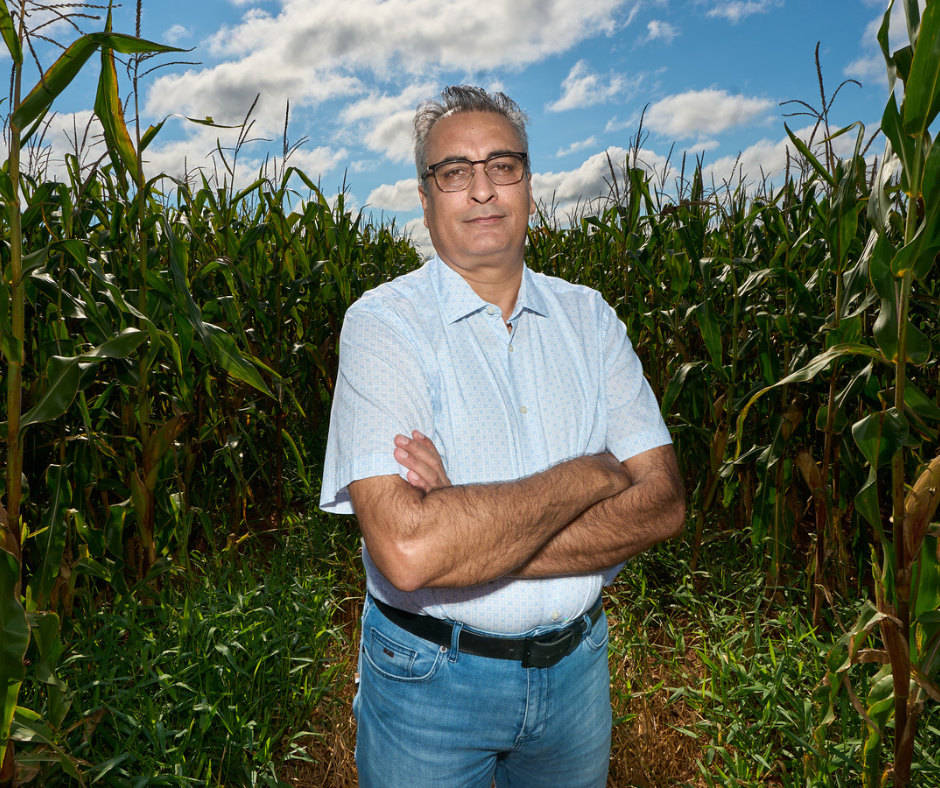
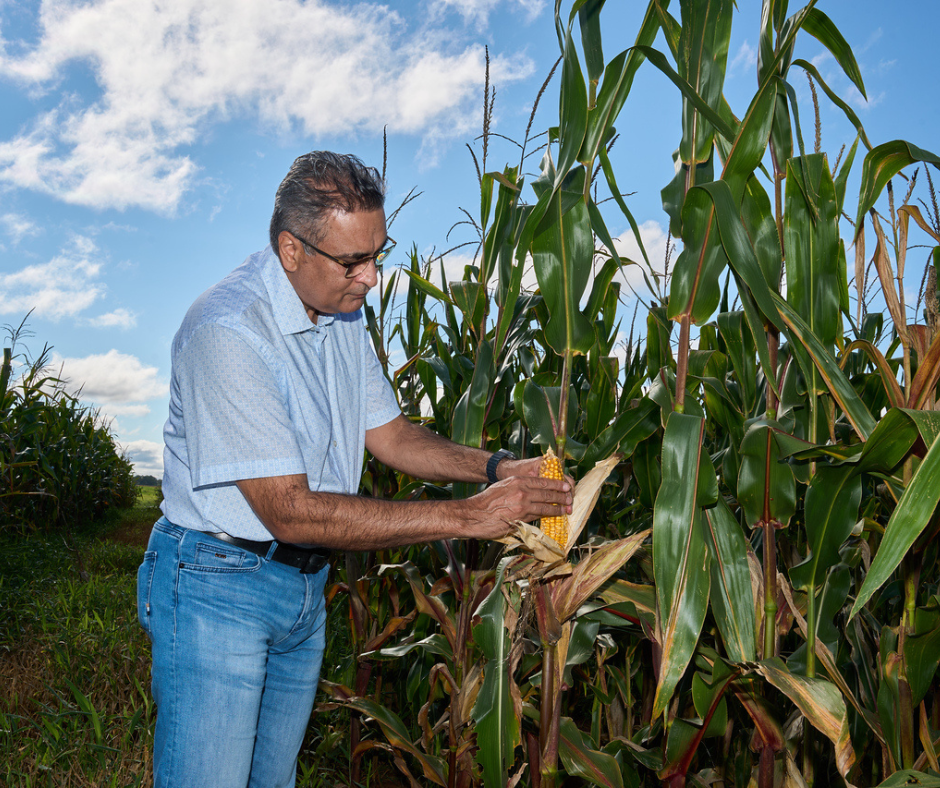
Associate professor Rajan Sekhon along with a team of researchers at Clemson University and partner organizations have received a $2.4 million, four-year grant to map genes that control leaf senescence in corn. Funded by the National Science Foundation through both the Plant Genome Research Program and the Cross-Directorate Activities program, this project aims to sustain photosynthesis longer, improve yield stability and support smarter on-farm nitrogen use.

“Our goal is to set the timing of leaf senescence so plants stay productive when it counts and still finish cleanly for harvest, which can also help keep more nitrogen working on the farm,” Sekhon said.

This project will determine when senescence, which is the aging process where plants recycle nutrients, begins and how quickly it proceeds. Sekhon’s group will map the genes and regulatory switches that control senescence by using a systems genetics approach that integrates physiology, metabolomics, transcriptomes, chromatin accessibility and single cell RNA sequencing. Artificial intelligence, primarily large language models (LLMs) and machine learning, along with advanced statistical methods, will combine these data to pinpoint genes and regulatory switches that set senescence timing in corn and possibly other crops.

“While we’re focused on the process of senescence, we are developing methods and datasets that can translate to other traits and crops,” he said.

Nitrogen is essential for protein formation in corn because it is a fundamental component of amino acids, the building blocks of all proteins.

“Most kernel protein is storage protein with limited amino acid balance, so lowering total kernel protein does not automatically reduce nutritional value. If we get the timing of leaf senescence right, we can keep yield steady and, over time, help more nitrogen remain on the farm.”

Read more in the Clemson News article.

G&B faculty and students publish articles – Summer 2025

Dr. Rajan Sekhon, Manwinder Brar and Barath Kunduru, recent Ph.D. graduates from the Sekhon lab, published a Plant Cell study identifying metabolites and genes controlling maize leaf senescence titled, “Temporal analysis of physiological phenotypes identifies metabolic and genetic underpinnings of senescence in maize.” 

Manwinder Brar was first author on a collaborative study with USDA scientists with an article titled “Untargeted metabolomics reveals key metabolites and genes underlying salinity tolerance mechanisms in maize” in Plant Genome.

Dr. Jennifer Mason and post doctoral fellow Josh Turner published “FBH1 and the replication stress response: Implications for genome stability and cancer” in DNA Repair.

Drs. Trudy Mackay and Robert Anholt published three articles together

“Ultrastructural expansion microscopy reveals unexpected levels of glycosome heterogeneity in African trypanosomes” by Drs. Heidi Anderson and Meredith Morris has been accepted in the Journal of Microscopy.

Dr. Andrew Jezewski’s paper “Discovery and mechanism of a highly selective, antifungal acetyl CoA synthetase inhibitor” was accepted into Nature Communications.

Dr. Fabio Morgante had three publications:

“Non-coding RNAs in plant stress responses: molecular insights and agricultural applications” was published in Plant Biotechnology Journal. Graduate student Xiaotong Chen is the first author, Dr. Hong Luo and two of his other students, Zhaohui Chen and Ryan Watts are co-authors of this article.

Dr. Robert Anholt was asked by Chem Senses to write the obituary for well-renowned artist and scientist Bert Menco when he passed earlier this summer after the pair had worked together for years.

G&B faculty invited for talks – Summer 2025

Dr. Hong Luo was invited to give four talks:

  • At the Louvain Institute of Biomolecular Science and Technology at the Catholic University of Louvain, Belgium.
  • In the session “Biotechnology approaches for animal and crop improvement and environmental risk assessment of genetically engineered organisms” of the Society For In Vitro Biology 2025 Meeting in Norfolk, VA.
  • At Lanzhou University as a part of their seminar series.
  • At the International Pastureland and Forage Industry Congress 2025 in Hulunbuir, China.

Dr. Stephen Dolan and Ph.D. students Jessica Aycock, Shafi Mondal and Lindsay Pauls attended the Gordon Research Seminar & Conference on Microbial Adhesion and Signal Transduction in Newport, RI, where all three gave research presentations.

Zane Tolbet, a Ph.D. candidate, gave an oral presentation at the Midwest DNA Repair Symposium at the University of Michigan.

Dr. Fabio Morgante was invited to speak at the CM Statistics 2024 conference in London and at Clemson University for the Medical Biophysics Seminar Series. The titles of his talks were “A variational empirical Bayes approach to multivariate multiple regression, with applications to polygenic prediction” and “Exploiting Complexity to Improve Phenotype Prediction,” respectively.

Post doctoral fellow Anurag Chaturvedi gave an oral presentation, titled “Unravelling toxicogenomics: From single cell to populations” as part of a workshop at the Drosophila Research Conference in San Diego.  

Dr. Robert Anholt presented a workshop presentation skills and was a panel member of a grant review writing session at the 2025 SC INBRE Career Development Workshop at the USC School of Medicine in Columbia, SC. He also served on the NIH Special Emphasis Panel/Scientific Review Group for Program Projects: Centers of Biomedical Research Excellence (COBRE) Phase 1.

G&B faculty receive grants – Summer 2025

Dr. James Morris received the grant “Optimization of delivery of HEX for treatment of primary amebic encephalitis” from the National Center for Advancing Translational Sciences/NIH.

Dr. Rajan Sekhon received a $2.4M NSF grant, titled “BIO-AI: RESEARCH-PGR: Harnessing Multi-Omics and AI/ML to Unveil Nutrient Recycling Mechanisms in Maize Senescence,” a collaboration between Clemson University (lead), Cornell University, and the University of Florida. The project uses systems genetics and AI/ML to identify key mechanisms of maize leaf senescence and nutrient remobilization, guiding improvements in nitrogen use efficiency, grain quality, and crop resilience.

Graduate students Xiaotong Chen and Zhaohui Chen were awarded travel grants to attend 2025 Society for In Vitro Biology Meeting held in Norfolk, VA in June.

Dr. Andrew Jezewski was awarded a South Carolina Department of Agriculture – Agribusiness Center for Research and Entrepreneurship (SCDA-ACRE) grant to study “Biocontrol of Salmonella using nutritional yeasts.”

Post doctoral fellow Anurag Chaturvedi received a $25,000 grant from the Clemson University Research Foundation to develop high-throughput screening of drugs using Drosophila.

G&B faculty and students receive awards and honors – Summer 2025

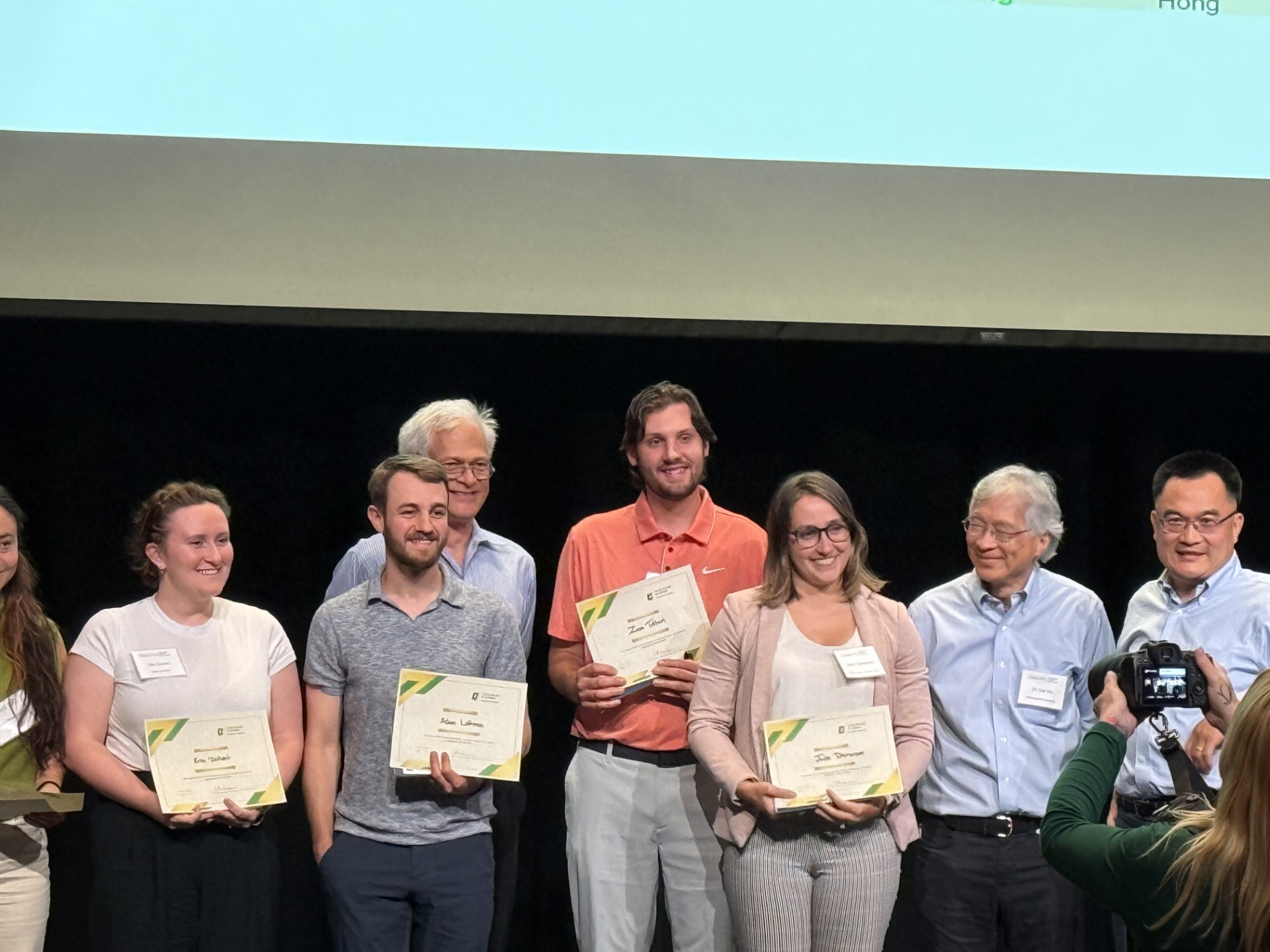
Doctorate student Zane Tolbert pictured winning an award in the middle.

Ph.D. student with Dr. Jennifer Mason, Zane Tolbert, was awarded second place for his poster presentation titled, “Nascent strand degradation and genomic instability in FANCD2 and FANCA deficient cells requires RAD54L-mediated fork reversal” at the Inaugural Symposium on Genome Integrity and Chromatin Regulation at UNC-Charlotte.

Dr. Michael Sehorn received the Clemson University National Scholars Program Award of Distinction.

Biochemistry alum Adam Gatch ’25 has received a Fulbright research award to study abroad in Munich, Germany at Ludwig Maximilian University. Adam has respectfully declined the Germany Fulbright offer after earning a Churchill scholarship earlier in the spring.

Drs. Heidi Anderson, Michael Harris and Todd Lyda have been promoted to senior lecturer.

Ph.D. student under Dr. Stephen Dolan, Jessica Aycock was honored with the Cell Press Best Poster Award at the Gordon Research Seminar & Conference on Microbial Adhesion and Signal Transduction in Newport, RI.

Dr. James Morris was quoted in the Washington post article “Brain-eating amoebas are rare. But hot weather increases the risk” regarding his expertise in the brain-eating amoebas Naegleria fowleri.

Graduate student Xiaotong Chen was awarded the first prize for poster presentation competition in the 2025 Society for In Vitro Biology Meeting.

Dr. Robert Anholt joined the Advisory Board of the Blackland Charity Initiative, Ghana.

Graduate student Bibhu Simkhada attended the summer course on Neurobiology of Drosophila at the Cold Spring Harbor Laboratories. He also won second place in the Clemson iGRADS video competition and the people’s choice award for his video on Sanfilippo disease.

Dr. Kim Paul recently celebrated 20 years with Clemson Univeristy.

Naegleria fowleri is a rare and complex infection that is severely underresearched. After a case was confirmed in the state, the news outlet WYFF reached out to Clemson University’s Eukaryotic Pathogen’s Innovation Center and its post doctoral fellow Dr. Jillian MeKon, who focuses on these organisms.

Alison Starr-Moss, Ph.D. elected to the 10th cohort of the President’s Leadership Institute

The 2025 cohort represents the tenth annual President’s Leadership Institute. As an exciting opportunity for emerging, high-potential, and high-performing members of the faculty and staff of Clemson University the President’s Leadership Institute (PLI) is a nine-month leadership development program designed to support and develop professional and personal leadership within a diverse and inclusive community.

The department’s own principal lecturer Dr. Alison Starr-Moss was nominated and selected to be a part of this years cohort. After earning her B.S. in Animal and Veterinary Sciences from Clemson in 2003, she received her Ph.D. in Genetics from Texas A&M University in 2007. Returning to Clemson in 2008, Starr-Moss focused her research on canine genetics and genomics.

She currently serves as the director of advising and instructional programs and M.S. program coordinator, where she is dedicated to undergraduate and graduate student development through degree planning and professional growth. Starr-Moss is recognized for her excellence in advising and teaching, having received the 2013 Frank A. Burtner Award for Excellence in Advising and the 2020 Dr. Ted G. Westmoreland Award for Faculty Excellence and most recently, the Dean’s Distinguished Lecturer Award.

The institute enables participants to build individual effectiveness, understand the power of critical thinking and communication, learn directly from President Jim Clements and embrace their own ability to lead within the Clemson community. Each cohort consists of 25 faculty and staff nominated by University leadership.

Faculty and students publish articles – Spring 2025

Unique and common transcript isoforms (A) and genes (B) among the three tissue types, ck1, ck2, and FB

Ph.D. student Roger Zhang published his first paper as a co-first author in Plant Growth Regulation titled, “Paclobutrazol induces changes in transcriptomic and endogenous hormone profiles in yellow camellia for reproductive phase transition.”

Alex Feltus’ lab published two articles:

Dr. Stephen Dolan and Ph.D. candidate Jessica Aycock published “Aspergillus fumigatus secondary metabolite pyripyropene is important for the dual biofilm formation with Pseudomonas aeruginosa.”

“Late Pleistocene onset of mutualistic human/canid (Canis spp.) relationships in subarctic Alaska” was published by Dr. Kelsey Witt Dillon. Her research was also featured in a Clemson News article.

Drs. Trudy Mackay and Robert Anholt published two articles:

Dr. Miriam Konkel co-authored a paper that was published in Nature titled, “Complete sequencing of ape genomes.”