
Today, October 20 is World CRISPR day, the day CRISPR was first used to edit a human genome — was established to celebrate its transformative impact on science, medicine and biotechnology.
CRISPR, which is short for Clustered Regularly Interspaced Short Palindromic Repeats, is a powerful gene-editing technology that research scientists use to selectively modify the DNA of living organisms so they can study gene function in disease, develop diagnostic tests and identify novel treatments.
CRISPR was discovered in bacterial immune systems and works by acting when a virus attacks, save tiny pieces of the viral bacterial DNA. The next time the virus appears, the bacteria use CRISPR and a protein called Cas9 to locate and destroy the invader’s DNA.
For World CRISPR Day Clemson News highlighted two of the department’s faculty who use CRISPR in their research to advance human health.
Stephen Dolan

Dr. Stephen Dolan’s lab focuses on Aspergillus fumigatus, a fungal pathogen responsible for serious infections, particularly in immunocompromised individuals. By generating and studying fungal mutant strains using CRISPR, Dolan’s team investigates how Aspergillus responds to infection-relevant stressors and antifungal treatments.
“CRISPR has allowed us to move beyond the well-adapted lab strains we used to rely on. Now we can edit genes in pathogens taken directly from patients or the environment to better understand how they survive and cause disease,” he said.
Jennifer Mason
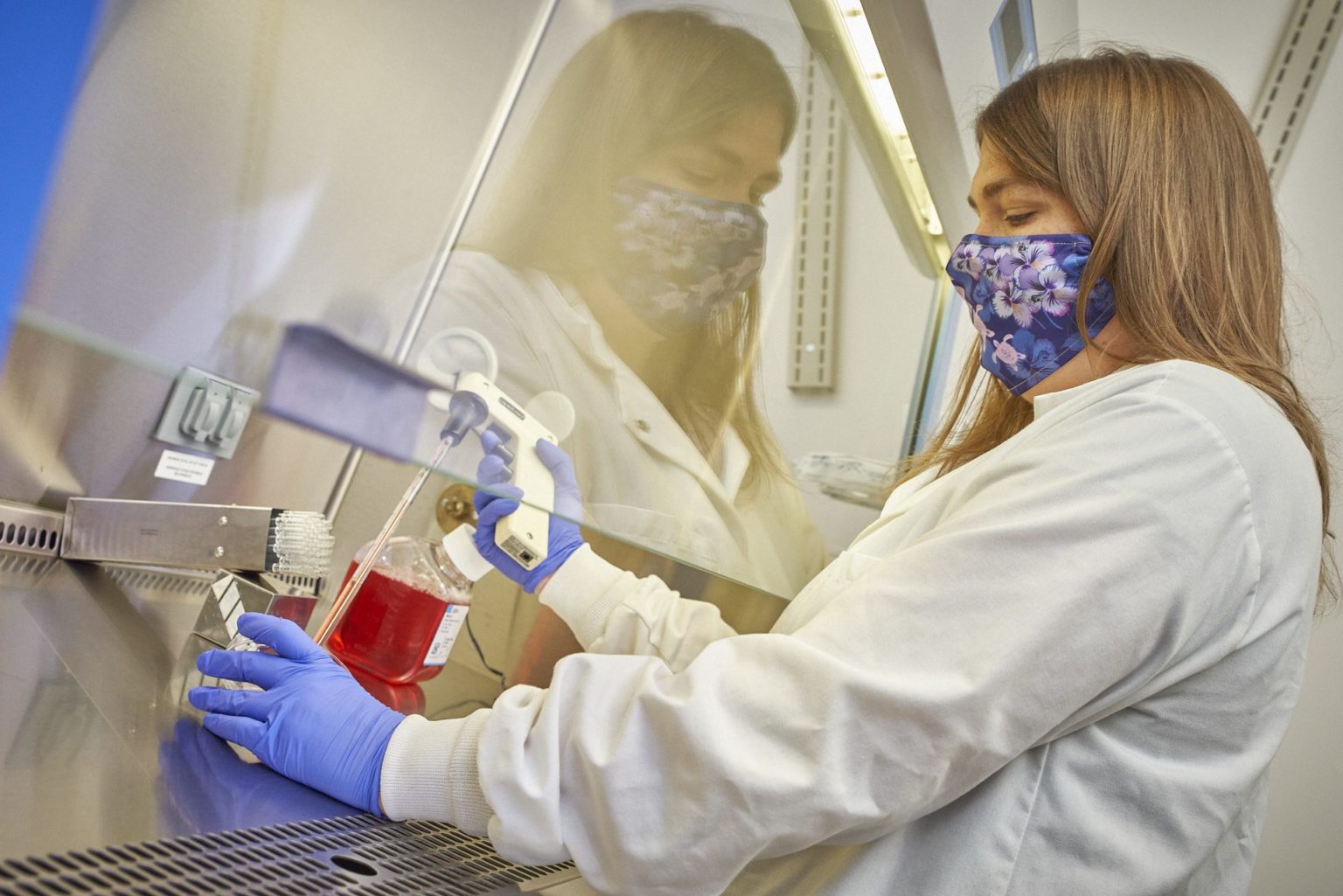
Dr. Jennifer Mason works on DNA damage and repair, studying how cells respond to DNA damage, including damage caused by sunlight exposure.
Mason obtains cancerous and non-cancerous cell lines from human patients and predicts the genes essential for that DNA repair. She then uses CRISPR-Cas9, an enzyme, to knock the gene out. Once the gene is knocked out, she monitors a mutant or knockout cell line to see if the cell can still repair DNA damage.
Before CRISPR, many DNA repair experiments that make specific changes or knockouts would not have been feasible due to cost and time.
“I got my Ph.D. in human genetics in 2010, and we were limited to the availability of patient cell lines where patients with these disorders consent to having skin biopsies taken,” Mason says.
Read more in the Clemson News article.
