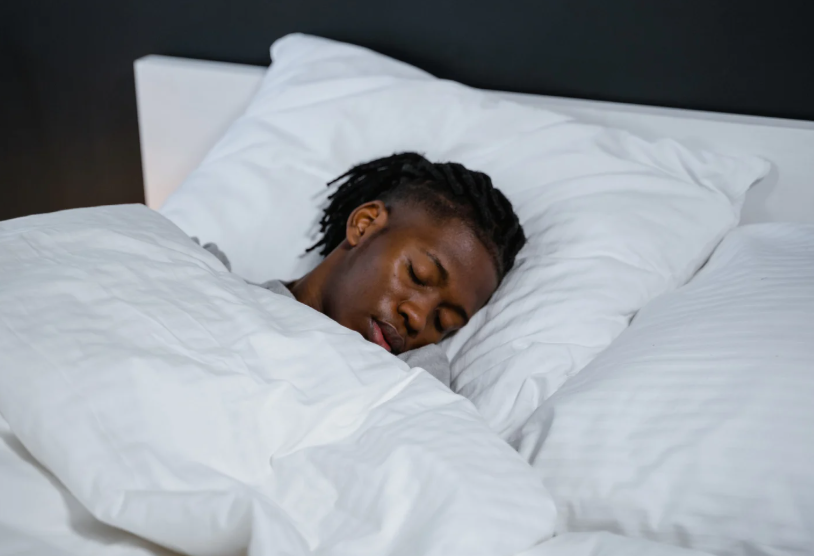
Quality sleep gives your body the time it needs to recover, restore energy, and prepare for your next day of physical activity. Image Credit: Canva
Quality sleep is essential for good health, yet many adults do not get enough of it. Sleep is much more than a time to rest. It is when the body recovers from the physical and mental demands of the day. During sleep, the body repairs muscle tissue, restores energy, regulates hormones, strengthens the immune system, and supports brain function. These important processes help prepare the body for daily activities and regular physical activity. Whether you are beginning an exercise program or maintaining an active lifestyle, getting enough quality sleep is one of the best ways to support recovery, improve physical performance, and promote overall health.
Why Sleep Matters
Sleep is an active biological process that supports nearly every system in the body. During sleep, the body repairs muscle tissue, replenishes energy stores, strengthens the immune system, and regulates hormones that influence metabolism, appetite, and stress. These restorative processes become especially important after physical activity, when the body is working to recover from the physical demands of exercise.
Adults who consistently get enough sleep are more likely to have the energy needed to engage in regular physical activity. In contrast, insufficient sleep can contribute to daytime fatigue, decreased motivation, reduced concentration, and poorer exercise performance. Research has also shown that inadequate sleep may slow recovery and increase the likelihood of injury by affecting balance, coordination, and reaction time.
The American Academy of Sleep Medicine recommends that adults sleep at least 7 hours each night to support optimal health. Many adults function best when they consistently get between 7 and 9 hours of quality sleep.
The Relationship Between Sleep and Physical Activity
Sleep and physical activity have a two-way relationship. Being physically active can improve sleep quality, while getting adequate sleep helps individuals perform better during physical activity. When one area suffers, the other often does as well.
People who do not get enough sleep may find it more difficult to complete their usual exercise routine because they feel tired or lack motivation. Exercise may also feel more physically demanding, even when completing activities that normally seem manageable. Over time, this cycle can make it more challenging to remain physically active.
On the other hand, individuals who consistently prioritize both exercise and sleep often experience improved energy levels, better mood, enhanced cognitive (brain) function, and greater overall well-being. These benefits can make it easier to establish and maintain healthy habits over the long term.
Understanding Recovery
Recovery is an important part of every physical activity program. While it may be tempting to exercise every day without rest, the body needs time to recover from physical activity in order to adapt and become stronger.
Recovery does not always mean complete inactivity. Active recovery involves participating in low-intensity activities that encourage blood flow while placing minimal stress on the body. Walking, gentle stretching, yoga, or light cycling are all examples of active recovery that may help reduce muscle stiffness and improve flexibility without overloading the muscles.
Scheduling regular recovery days can also help reduce the risk of overuse injuries and prevent burnout. Recovery is particularly important after vigorous exercise or strength training sessions, when muscles require additional time to repair and rebuild.
Simple Strategies to Improve Sleep and Recovery
Developing healthy sleep habits does not require major lifestyle changes. Small, consistent behaviors can improve both sleep quality and recovery over time.
Consider incorporating the following strategies into your daily routine:
- Aim for 7 to 9 hours of sleep each night.
- Go to bed and wake up at the same time each day, including weekends.
- Create a sleep environment that is cool, dark, and quiet.
- Limit screen time during the hour before bedtime, as light from electronic devices may interfere with the body’s natural sleep cycle.
- Avoid consuming large amounts of caffeine or alcohol close to bedtime.
- Stay physically active throughout the week, but allow time for rest and recovery between more strenuous workouts.
- Drink enough water and consume balanced meals that support recovery after exercise. Read more about nutrition to support physical activity here.
These habits work together to promote better sleep, improve recovery, and support long-term physical activity.
Conclusion
Physical activity, nutrition, sleep, and recovery are all connected. While exercise strengthens the body, sleep provides the opportunity for the body to recover and adapt. Without adequate recovery, it becomes more difficult to maintain energy, perform well during physical activity, and continue making progress toward health goals.
Whether you are beginning a new exercise routine or working to maintain an active lifestyle, remember that recovery is not a sign of slowing down. It is an essential part of staying healthy. By making sleep a priority and allowing your body time to recover, you can support your physical activity goals and improve your overall health and well-being.
Programs to Support Your Physical Activity
The Clemson Extension Rural Health and Nutrition Team offers free, evidence-based physical activity programs designed to meet participants where they are and provide support every step of the way. Whether you want to build a walking routine with WalkSC, create a balanced movement plan through MoveSC, improve strength and function with Practical Strength, or explore gentle, accessible movement through Yoga for Every Body, our programs provide structured guidance, education, and ongoing support from trained fitness and health coaches. Designed for beginners and experienced movers alike, these programs focus on building confidence, consistency, and realistic habits that support long-term health.
MoveSC is a free Clemson Extension program available to South Carolina residents that provides 11 weeks of group education and support focused on physical activity and healthy movement habits. Participants learn how to apply the Physical Activity Guidelines for Americans recommendations for cardiovascular, strength, and balance and flexibility training to their everyday lives. The program also provides opportunities to meet with two certified personal trainers who help participants develop a personalized physical activity plan based on their goals, abilities, and lifestyle.
Learn more about our physical activity programs and additional resources by visiting our website or contacting the Rural Health and Nutrition Team at healthextension@clemson.edu.
References:
- American Academy of Sleep Medicine, & Sleep Research Society. (2015). Recommended amount of sleep for a healthy adult: A joint consensus statement of the American Academy of Sleep Medicine and Sleep Research Society. Sleep, 38(6), 843–844. https://doi.org/10.5665/sleep.4716
- American College of Sports Medicine. (2024). ACSM’s guidelines for exercise testing and prescription (12th ed.). Wolters Kluwer.
- Lambe, N. (2026). The essential role of sleep in recovery and better health. American Council on Exercise. https://www.acefitness.org/resources/pros/expert-articles/9071/the-essential-role-of-sleep-in-recovery-and-better-health/?srsltid=AfmBOorQhhh5BLmzT2VKKs2rz7Qi9fnX7NbxnkKAa3ERg2tHKUeNtkCV
- National Academy of Sports Medicine. (2024). The importance of sleep and recovery. https://blog.nasm.org/exercise-programming/the-importance-of-sleep-and-recovery
Authors:
- Ellie Lane, Extension Associate, Rural Health and Nutrition
- Camden Bryan, Rural Health and Nutrition Agent, Statewide
Reviewed by:
- Melissa Bales, Extension Associate, Rural Health and Nutrition
