Clemson Extension Rural Health and Nutrition Blog

The Dawn Phenomenon

a white glucometer and lancing device used to test blood glucose

Introduction Some people living with diabetes may check their blood glucose (blood sugar) first thing in the morning and be surprised to find that it is higher than expected, even though they have not eaten overnight. This is a common experience and may be related to the Dawn Phenomenon. This article explores what the Dawn […]

Fast Food and Diabetes: How to Make Informed Choices

When choosing healthier options at fast-food restaurants, you can enjoy the convenience while continuing to effectively self-manage your blood sugar. Image Credit: Conner Russell Fast food is convenient, affordable, and often part of a busy lifestyle. However, many fast-food meals are high in refined carbohydrates and added sugars and are served in large portion sizes, […]

Diabetes Superstar Foods

Blueberries, yogurt, and whole grains are diabetes superstar foods that deliver fiber, protein, and antioxidants to support overall health and blood sugar management. Image Credit: RHN Team Picture Bank Managing diabetes is often misunderstood as requiring people to give up their favorite foods or follow complicated meal plans. However, many everyday foods, which can be […]

Protein Bars with Diabetes

What is Diabetes? Diabetes is a chronic disease that occurs when an individual’s blood glucose (blood sugar) is too high. If an individual has diabetes, their body does not make enough insulin or does not use insulin properly. Insulin is a hormone made by the pancreas that helps glucose (sugar) enter into an individual’s cells, […]

Hypertension in the Lens of a Healthcare Disparity

Approximately 119.9 million Americans have been diagnosed with hypertension, making it one of the most common chronic diseases in the United States. In South Carolina, an estimated 1.5 million people have been medically diagnosed with this condition, which is often asymptomatic and is known as the “silent killer.” Hypertension affects nearly half of the adult […]

Hormones and Their Impact on Health  

A person measuring their waist with a tape measure

This fact sheet is Part 1 of the Hormones and Chronic Disease series. Follow along each month to learn more about hormones and how they impact chronic disease risk, prevention, and management.   Introduction  Hormones are part of the endocrine system which includes various glands (pituitary gland, pineal gland, hypothalamus, parathyroid, thyroid, thymus, and adrenal gland) and organs […]

Understanding and Addressing Sickness Absence in the Workplace

Figure 1 Clemson University FMLA manual

Sickness absence remains one of the most significant contributors to economic and social challenges, directly impacting daily workplace operations and overall organizational effectiveness. In 2003, reports indicated that over 176 million working days were lost due to sickness absence. Today, that figure has risen dramatically, with billions of workdays lost annually due to illnesses. What […]

How Caring for Plants Can Improve Your Well-Being

A toddler holding a bucket of flowers in the sun.

Gardening and caring for plants is much more than a hobby. While there are many well-known health benefits of having plants in and around your home, including the physical activity involved in gardening and nutritional value of consuming produce harvested from the garden, there are many other ways tending to plants can support our overall […]

Protein: For Diabetes, It Is a Balancing Act

A bowl containing two herb-baked chicken thighs served with roasted potatoes

What You Need to Know Protein is one of the three macronutrients considered the foundation of the foods we consume and is a necessary component of a wholesome, well-balanced diet. Good-quality proteins include: Proteins are made of amino acids, which are often called the building blocks of proteins. Within proteins, there are non-essential amino acids […]

Liver Health-From a Different View

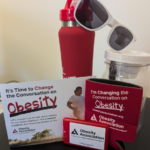
Obesity Association Promotion Items

Metabolic Dysfunction–Associated Steatotic Liver Disease (MASLD), formerly known as nonalcoholic fatty liver disease (NAFLD), is a condition characterized by the accumulation of excess fat in the liver, typically defined as fat comprising more than 5% of the liver’s weight. The development of MASLD is closely linked to underlying cardiometabolic risk factors, including obesity, hypertension, type […]