What is Diabetes?
Diabetes is a chronic disease that occurs when an individual’s blood glucose (blood sugar) is too high. If an individual has diabetes, their body does not make enough insulin or does not use insulin properly. Insulin is a hormone made by the pancreas that helps glucose (sugar) enter into an individual’s cells, so the glucose can be used for energy within the cell. If the insulin is not working properly, the glucose cannot reach your cells to give energy to complete the body’s daily tasks.
It is vital to have sufficient sources of energy in order to give one’s body enough blood glucose. The body must also have insulin in order to allow blood glucose to enter the cells in the body and prevent one’s blood glucose from rising higher and higher. Diabetes friendly snacking relies on foods that combine protein, healthy fats, and fiber. It is important to view the nutrition label to best manage one’s blood glucose levels.
Read the Nutrition Label:
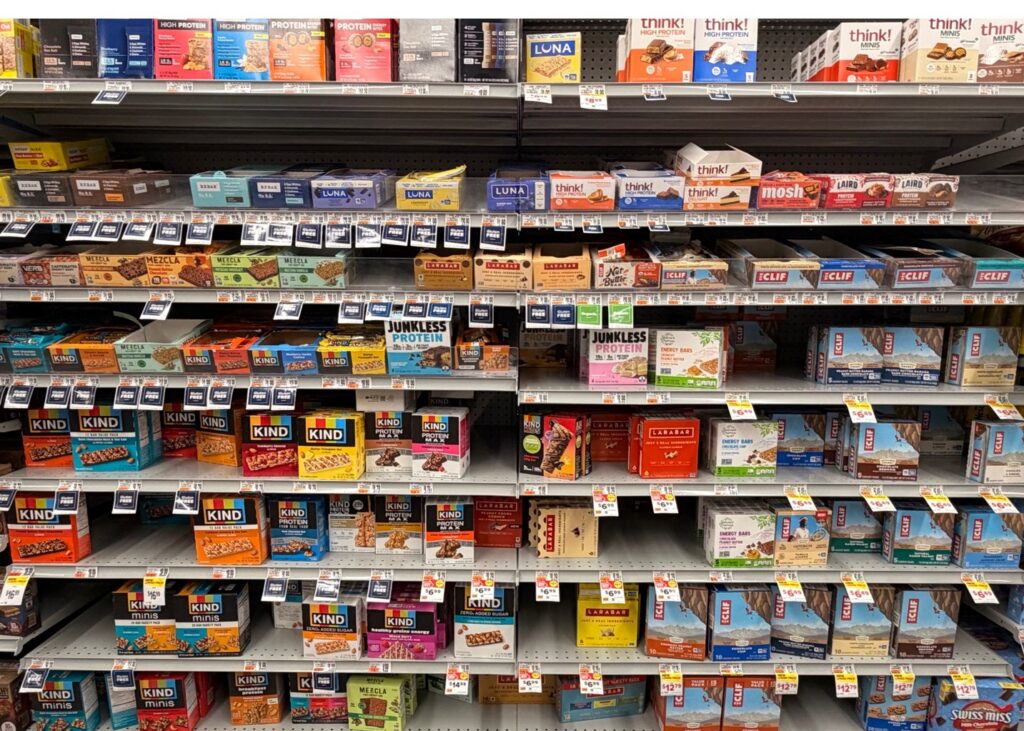
Protein bars or other types of foods may be labeled as “diabetes friendly,” but it is important to read the nutrition label.
- Check the serving size first.
- The rest of the nutrition label is based on that serving size, so it is important to know how much you are consuming.
- Look at the overall nutrition profile.
- It is important to check nutrition labels to make sure the bar is a balanced option in all categories. One should pay attention to the sugar, carbohydrates, fiber, protein, and saturated fat contents of the bar.
- Look for protein bar options that are lower in carbohydrates and higher in protein.
- Pay attention to the total sugar content.
- Foods containing natural sugars may also include fiber and other nutrients, which may be healthier compared to added sugars, but they can still affect blood glucose.
- Some bars or snacks may be sweetened with sugar substitutes, like Stevia. These sugar substitutes have glycemic indexes of zero or close to zero; that means they have little to no impact on blood glucose levels for most people. The glycemic index (GI) measures how quickly carbohydrate foods raise blood glucose levels after consumption (on a scale of 0 to 100).
- However, it is important to be aware that some sugar substitute products may be mixed with high-glycemic additives like maltodextrin or dextrose, which can impact blood glucose levels.
- Products with more added sugar are more likely to cause blood glucose spikes, and eating patterns high in added sugar are associated with excess weight gain.
- Be aware of the total carbohydrates.
- While starch is not considered in the total sugar count, it still enters the bloodstream as glucose, which impacts blood glucose levels.
What to Look for:
Overall, individuals with diabetes should look for products that have little to no added sugar and a calorie count that fits within individual nutrition goals. Generally, it is beneficial to find bars that have 10 or more grams of protein. For an on-the-go snack, one should stick to options that have 15 to 30 grams of carbohydrates. Based on the nutrition label, protein bars should be seen as a replacement for a snack or possibly meal and not eaten with a meal or snack. However, it is important to not rely on protein bars as replacements for a meal. If an individual consistently needs more protein in their diet or meals, a better option may be to adjust their meals to naturally include more protein rather than relying on a protein bar. Additionally, protein powder may offer a better protein-to-calorie ratio than a protein bar. If someone is consistently not meeting their protein goals, they should consider speaking with a registered dietitian nutritionist to determine the best approach to meet their specific needs.
Specific Ingredients to Look for:
There are some ideal ingredients to look for within a protein bar to identify the best options. Healthier protein bars include ingredients like nuts and seeds, whey or plant-based protein like pea protein, whole-food ingredients, and fiber sources. These ingredients can help provide protein, healthy fats, and fiber which support blood glucose management and help promote the feeling of fullness. It is important to watch out for ingredients like corn syrup, rice syrup, maltodextrin, dextrose, and high amounts of added sugars. These can increase the carbohydrate content of the bar and may cause blood glucose levels to rise quicker.
Caution on Sugar Alcohols:
Sugar alcohols are becoming more common in low-carbohydrate diets. These sugar alcohols may include erythritol, xylitol, or mannitol. Sugar alcohols are less sweet than sugar, which requires some brands to use more sugar alcohol to reach the same sweetness as regular sugar. However, sugar alcohols have fewer calories per gram, so they are considered a low-calorie sweetener. Even though they have fewer calories, sugar alcohols are a type of carbohydrate that can raise blood glucose. While sugar alcohols may not raise one’s blood sugar too much, it is important to be aware of the impacts of sugar alcohols. Sugar-free does not mean carbohydrate-free; therefore, it is important to read the label to see the carbohydrate content of sugar-free foods.
Individual Glucose Response:
It is important to note that each individual responds differently. Blood glucose responses vary based on the person, medication they are on, activity level, and the ingredients in the bar. Checking blood glucose before and after trying a new protein bar can help determine what bars work best for you.
Conclusion:
Choosing a protein bar that supports stable blood glucose is mainly about understanding your own needs and paying attention to the nutrition label. While general guidelines can help identify better options, every individual’s response to different foods varies. Taking time to monitor how one’s blood glucose reacts to new protein bars can help them make informed decisions. If you are unsure what ingredients and nutritional targets are best for your health, discussing options with a registered dietitian or your healthcare provider can be beneficial. They can help provide personalized guidance that aligns with your specific diabetes management plan.
References:
- Bessesen, D. (2023). What is diabetes? National Institute of Diabetes and Digestive and Kidney Diseases. https://www.niddk.nih.gov/health-information/diabetes/overview/what-is-diabetes
- CCS Medical. (2025). Are protein bars a good choice when you are living with diabetes? https://ccsmed.com/education/are-protein-bars-a-good-choice-when-youre-living-with-diabetes/
- Diabetes Food Hub. (2019). What are sugar alcohols? American Diabetes Association. https://diabetesfoodhub.org/blog/what-are-sugar-alcohols
- Hartford Healthcare. (2026). Not all protein bars are healthy. Here’s how to tell. https://hartfordhealthcare.org/about-us/news-press/news-detail?articleId=71815
- Fornoville, E. (2025). Best snack bars for diabetics. Diabetic Me. https://diabeticme.org/diabetes-products/diet/the-11-best-snack-bars-for-diabetics/#t-1611088488281
- Saintsing, A. (2026). Best protein bars for people with diabetes. DiaTribe. https://diatribe.org/diet-and-nutrition/best-protein-bars-people-diabetes
- Wu, Y., Ehlert, B., Metwally, A., et al. (2025). Individual variations in glycemic responses to carbohydrates and underlying metabolic physiology. Nature Medicine, 31, 2232–2243. https://doi.org/10.1038/s41591-025-03719-2
Authors:
- Anna Brown, Health Science Intern, Rural Health and Nutrition
- Danielle McFall, Extension Associate, Rural Health and Nutrition
Reviewed by:
- Hannah Wilson, PhD, RDN, LD, FAND, Assistant Professor, Community Nutrition, Department of Food, Nutrition, and Packaging Sciences
- Melissa Bales, Extension Associate, Rural Health and Nutrition
- Michelle Altman, Extension Associate, Rural Health and Nutrition
