Extension Rural Health & Nutrition

Fast Food and Diabetes: How to Make Informed Choices

When choosing healthier options at fast-food restaurants, you can enjoy the convenience while continuing to effectively self-manage your blood sugar. Image Credit: Conner Russell Fast food is convenient, affordable, and often part of a busy lifestyle. However, many fast-food meals are high in refined carbohydrates and added sugars and are served in large portion sizes, […]


Diabetes Superstar Foods

Blueberries, yogurt, and whole grains are diabetes superstar foods that deliver fiber, protein, and antioxidants to support overall health and blood sugar management. Image Credit: RHN Team Picture Bank Managing diabetes is often misunderstood as requiring people to give up their favorite foods or follow complicated meal plans. However, many everyday foods, which can be […]

Protein Bars with Diabetes

What is Diabetes? Diabetes is a chronic disease that occurs when an individual’s blood glucose (blood sugar) is too high. If an individual has diabetes, their body does not make enough insulin or does not use insulin properly. Insulin is a hormone made by the pancreas that helps glucose (sugar) enter into an individual’s cells, […]

Hormones and Their Impact on Health  

A person measuring their waist with a tape measure

This fact sheet is Part 1 of the Hormones and Chronic Disease series. Follow along each month to learn more about hormones and how they impact chronic disease risk, prevention, and management.   Introduction  Hormones are part of the endocrine system which includes various glands (pituitary gland, pineal gland, hypothalamus, parathyroid, thyroid, thymus, and adrenal gland) and organs […]

Protein: For Diabetes, It Is a Balancing Act

A bowl containing two herb-baked chicken thighs served with roasted potatoes

What You Need to Know Protein is one of the three macronutrients considered the foundation of the foods we consume and is a necessary component of a wholesome, well-balanced diet. Good-quality proteins include: Proteins are made of amino acids, which are often called the building blocks of proteins. Within proteins, there are non-essential amino acids […]

Understanding Starchy and Non-Starchy Vegetables for Diabetes Management

A meal using the Diabetes Plate Method: 1/2 of the plate non-starchy vegetables, 1/4 of the plate lean protein, and 1/4 of the plate carbohydrates and starches.

From the time an individual is in preschool through the elder years, “Eat your vegetables!” is a very common recommendation from health professionals and public health organizations. However, despite ongoing dietary guidelines recommending adults consume at least 2.5-3 servings of vegetables daily, according to the Centers for Disease Control and Prevention (CDC), in 2021, 20.3% […]

The Glycemic Index: A Helpful Tool for Blood Glucose Management

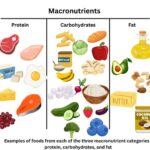
Carbohydrates and the Human Body All foods provide the human body with at least one of three macronutrients: carbohydrates, proteins, and fats. Of the three macronutrients, the human body prefers carbohydrates as its primary source of fuel for supplying the body’s cells, tissues, and organs with energy. Carbohydrates can come from many different foods, including: […]

Ask a CLC Blog: Supportive Nutrition for Breastfeeding Moms

Introduction Postpartum maternal nutrition is a cornerstone of breastfeeding success. Breastfeeding and lactation increase a new mother’s energy and nutrient requirements, not only to produce breastmilk, but also to support her body and health during recovery from childbirth. Adequate nutrition influences the quantity of breast milk and ensures that infants receive the essential nutrients required […]

Reasonable Accommodations for Individuals with Chronic Health Conditions

Chronic Health Conditions and Disability Chronic health conditions, such as cancer, arthritis, and diabetes, tend to develop gradually and worsen over time. When chronic health conditions transition from an asymptomatic to a symptomatic stage, they can contribute to the onset of disability. Diabetes, for example, is a condition in which the body either does not […]

The Health Benefits of Nature

The world is filled with nature. Natural environments, ranging from forests and coastal areas to community parks, gardens, and even indoor spaces with plants, are an integral part of daily life. Beyond their aesthetic value, these environments are increasingly recognized as contributors to human health and wellbeing. Overview of Nature and Health A growing body […]