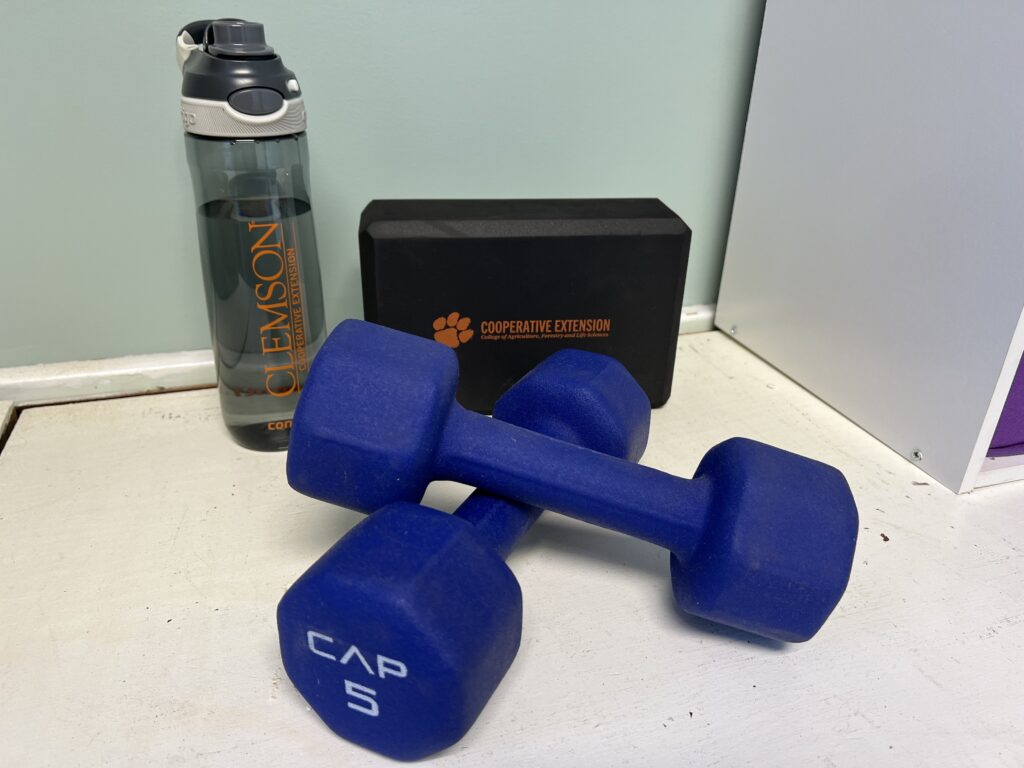
Yoga blocks bring the floor closer or create space between parts of the body, helping practitioners modify poses for comfort, balance, and support. Image Credit: RHN Team Picture Bank
Yoga can be adapted to meet different bodies, abilities, experience levels, and goals. Props do not make a pose less effective. They can provide support, improve comfort, and help a person practice a movement with better control. The goal is not to force the body into a particular shape. The goal is to practice safely and consistently.
Background on Yoga
Yoga is an ancient practice rooted in Indian philosophy. Classical yoga includes physical postures, breathing practices, meditation, and ethical and philosophical teachings. In the United States, yoga classes often emphasize a combination of physical postures, breathing, and meditation, although the content varies by teacher and style.
Yoga styles range from gentle practices to physically demanding classes. Some people practice yoga for general wellness, movement, stress management, or mindfulness. Research suggests that yoga may support balance, sleep, mental and emotional well-being, and some aspects of physical function. Research findings vary, however, because yoga programs and participants differ from study to study.
Yoga is generally considered safe for healthy people when practiced properly, but injuries can occur. Sprains and strains are among the most commonly reported injuries. People who are pregnant, older, recovering from an injury, or living with a health condition should ask a health care professional and a qualified yoga instructor how to modify their practice.
Meet Your Body Where It Is
How a person practices yoga may look different from day to day. Energy, balance, flexibility, pain, stress, and other factors can affect movement. A modification is not a failure; it is a way to make the practice more appropriate for the body at that moment.
Start with a position that allows comfortable breathing and controlled movement. A wider stance, a chair, a wall, or a prop may make a pose more accessible. If a movement causes sharp, sudden, or worsening pain, stop and choose a different option. Do not use yoga to delay medical care for a health problem.
There is no single correct shape for every body. A qualified instructor can offer options, but each person is responsible for communicating what feels comfortable and making adjustments as needed.
Modifying Movements
Movements can be modified by changing posture, position, range of motion, speed, or support. For example, a standing movement can be practiced seated in a chair. A pose that requires a wide reach can be practiced with a shorter range of motion. A balance pose can be performed near a wall or with one hand on a sturdy chair.
Breathing should remain steady and comfortable. If a position makes it difficult to breathe normally, come out of the pose or modify it. The purpose of a modification is to help a person participate with control—not to push through pain or hold a position longer than is appropriate.
For a tree pose, a person may keep the toes of the lifted foot on the floor, place the foot against the ankle or lower leg, or hold a wall or chair. Do not place the foot directly against the knee joint. These options allow a person to practice balance at a level that matches their current ability.
Props Help Personalize the Experience
Common yoga props include blocks, straps, blankets, bolsters, walls, chairs, therapy balls, sandbags, and eye pillows. Household items can sometimes be used in place of traditional props, but they should be stable, clean, and safe for the intended use. Never use an unstable stack of books, a rolling chair, or another object that could shift unexpectedly.
Yoga Blocks
Blocks bring the floor closer and can reduce the need to bend or reach as far. In a triangle pose, a block under the lower hand may help a person keep the chest open and the spine in a comfortable position. In a standing balance pose, a block can provide a target for the hand without requiring the person to reach all the way to the floor.
If a block is not available, a firm, stable book or another solid object of a similar height may work. Check that the substitute does not slide or collapse.
Yoga Straps
A strap can extend the reach of the arms and help a person avoid pulling or rounding the shoulders during a stretch. In a seated leg stretch, the strap can be placed around the foot while the person holds the ends and keeps the spine comfortable. A towel or belt may be used as a substitute if it is strong enough and does not stretch or slip.
The strap should support a position, not force a joint farther than it can comfortably move. Avoid wrapping a strap tightly around the neck or another body part.
Therapy Balls
Small therapy balls may be used for gentle self-massage or to provide feedback about posture and pressure. Use light pressure and avoid rolling directly over the spine, joints, open wounds, areas of swelling, or places with reduced sensation. A therapy ball should not be used to diagnose or treat an injury.
Blankets
A folded blanket can add padding under the knees, hips, wrists, or head. It can also raise the hips in a seated position or provide support under the pelvis in a modified pigeon pose. Use enough padding to feel supported without creating an unstable surface.
Bolsters and Cushions
A bolster or firm cushion can support the torso, hips, knees, or back during restorative poses. Folded towels or firm couch cushions may work as substitutes. Place the support where it allows the body to relax without forcing a joint into an uncomfortable angle.
Wall
A wall can provide support during standing poses and balance practice. Stand close enough to reach the wall without leaning heavily into it. A wall may be especially useful when practicing a modified tree pose, standing leg lift, or transition between standing positions.
Chair
A sturdy, non-rolling chair can make yoga more accessible. It may be used for seated poses, supported standing poses, or balance practice. During a modified tree pose, hold the chair with one or both hands while keeping the standing foot grounded. Make sure the chair is on a level surface before beginning.
Sandbags
Sandbags can provide gentle grounding in some restorative poses. Because they add weight, they should be used cautiously and only where the person can remove them easily. Do not place a sandbag on the neck, face, chest, abdomen, or any area where it affects breathing or causes discomfort. A sandbag is not necessary for an effective yoga practice.
Eye Pillows
An eye pillow may block light and provide a comfortable sensory cue during rest. It should be light enough to remove easily and should never interfere with breathing.
Exercise or Medicine Balls
Exercise balls and medicine balls are different types of equipment. A large stability ball may provide an unstable surface, while a medicine ball adds external weight. Neither is required for yoga, and both require careful setup. Use the appropriate size and weight, begin with simple movements, and keep the ball on a non-slip surface. Avoid using a medicine ball for a balance pose until the movement can be performed safely without it.
Ways to Get Started Integrating Props
Begin with movements you can perform comfortably and safely. A short practice can include breathing, gentle range-of-motion exercises, a supported standing pose, and a few minutes of rest. Increase the length or difficulty gradually as your body adapts.
When choosing a class or video, look for an instructor who explains modifications and encourages participants to work within their own abilities. If you have a health condition, injury, or other concern, ask a qualified health professional or instructor about appropriate options before beginning.
Keep track of which props and modifications make movement more comfortable. Over time, this can help you develop a practice that is realistic, enjoyable, and sustainable.
Conclusion
Yoga does not require perfect flexibility, expensive equipment, or a specific body type. Props and modifications can make movements more comfortable and help people participate at an appropriate level. Focus on steady breathing, controlled movement, and options that fit your body today. When in doubt, ask a qualified professional for guidance and stop any movement that causes sharp or worsening pain.
Programs to Support Your Physical Activity
The Clemson Extension Rural Health and Nutrition Team offers free, evidence-based physical activity programs designed to support participants at every stage of their journey. Whether you want to build a walking routine with WalkSC, create a balanced movement plan through MoveSC, improve strength and function with Practical Strength, or explore gentle movement through Yoga for Every Body, these programs provide structured guidance, education, and support from trained fitness and health coaches.
MoveSC is a free Clemson Extension program available to South Carolina residents that provides 11 weeks of group education and support focused on physical activity and healthy movement habits. Participants learn how to apply the Physical Activity Guidelines for Americans recommendations for cardiovascular, strength, and balance and flexibility training to their everyday lives. The program also provides opportunities to meet with two certified personal trainers who help participants develop a personalized physical activity plan based on their goals, abilities, and lifestyle.
Learn more about our physical activity programs and additional resources by visiting our website or contacting the Rural Health and Nutrition Team at healthextension@clemson.edu.
For additional information on safe and effective physical activity and nutrition strategies to support movement, review our fact sheets on Cardiovascular Training, Strength Training, and Balance and Flexibility Training.
References:
- American Council on Exercise. (2018). How to use blocks to enhance your yoga poses.https://www.acefitness.org/resources/everyone/blog/7094/how-to-use-blocks-to-enhance-your-yoga-poses/?srsltid=AfmBOoqAosOjKIuKPVnKVMLy-ImnO174IrBibNy2JIYwYsKWX3vB9A0Y
- McCrary, M. 5 more ways to use props. Yoga International. https://yogainternational.com/article/view/5-new-ways-to-use-props/?srsltid=AfmBOoqi6-geEpyjUZTFj03W7_0uqcaizoyhnTDkiB86CXm8sOUgbNvW
- National Center for Complementary and Integrative Health. Yoga: Effectiveness and safety. https://www.nccih.nih.gov/health/yoga-effectiveness-and-safety
- National Center for Complementary and Integrative Health. Yoga for pain: What the science says. https://www.nccih.nih.gov/health/providers/digest/yoga-for-pain-science
- Sugarman, L. Rethink your relationship with props: 4 variations to deepen your practice. Yoga International. https://yogainternational.com/article/view/rethink-your-relationship-with-props-4-variations-to-deepen-your-practice/?srsltid=AfmBOoqZaU3ieCbwXK3xJrWdR5ClUQ61Ezl2wpZG0RCk8bGg12lhWR-j
Authors:
- Jenna Lynes, Graduate Student Intern, Rural Health and Nutrition
- Camden Bryan, Rural Health and Nutrition, Statewide
- Ellie Lane, Extension Associate, Rural Health and Nutrition
Reviewed by:
- Michelle Altman, Extension Associate, Rural Health and Nutrition
- Melissa Bales, Extension Associate, Rural Health and Nutrition
