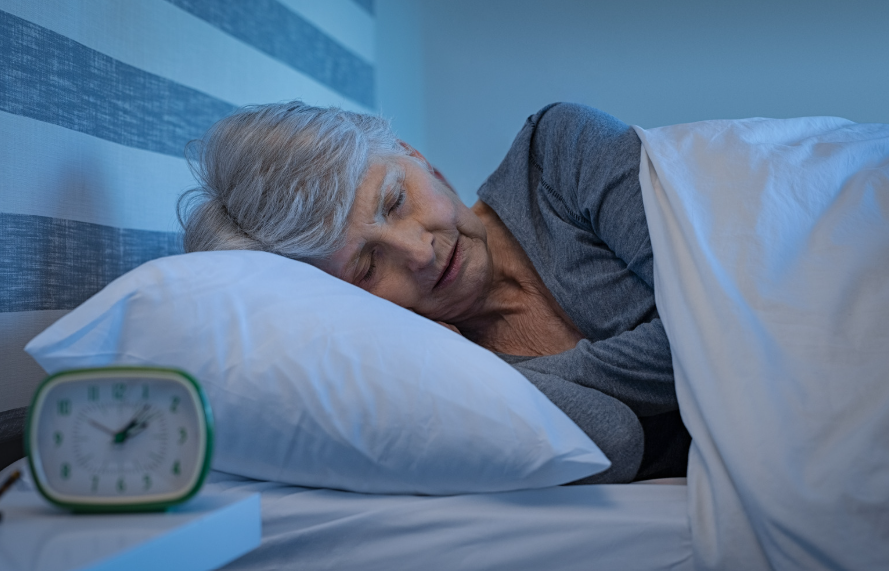
During sleep, the body repairs muscle tissue, regulates hormones, and restores energy, making adequate sleep an essential part of recovery and overall health. Image Credit: Canva
Why Sleep Matters
Sleep is an essential biological process that supports physical, mental, and emotional health. Although sleep is often viewed as a period of rest, the body remains highly active throughout the night. During sleep, important physiological processes occur that repair tissues, restore energy, regulate hormones, strengthen the immune system, and consolidate learning and memory. These functions are critical for everyone, but they are especially important for individuals who participate in regular physical activity.
Exercise places stress on the muscles, bones, joints, cardiovascular system, and nervous system. This stress is necessary because it stimulates the body to adapt and become stronger. However, these adaptations occur primarily during recovery, not during exercise itself. Sleep provides the body with the opportunity to complete many of these recovery processes, making it an essential part of any physically active lifestyle.
Understanding the Sleep Cycle
Sleep is divided into two main categories: non rapid eye movement (NREM) sleep and rapid eye movement (REM) sleep. Throughout the night, adults cycle through these stages four to six times, with each cycle lasting approximately 90 to 120 minutes. Each stage plays a unique role in supporting recovery and overall health.
Stage 1 NREM Sleep
Stage 1 is the lightest stage of sleep and serves as the transition between wakefulness and sleep. Heart rate, breathing, and eye movements begin to slow as the body prepares for deeper sleep. Although this stage lasts only a few minutes, it signals the beginning of important restorative processes.
Stage 2 NREM Sleep
Stage 2 accounts for nearly half of an adult’s total sleep time. During this stage, body temperature decreases, heart rate slows, and muscles continue to relax. Brain activity changes as the body prepares to enter deep sleep. Stage 2 contributes to learning, memory, and motor skill development, all of which are important for physical performance and coordination.
Stage 3 NREM Sleep
Stage 3, often called deep sleep or slow wave sleep, is the most physically restorative stage of sleep. During deep sleep:
- Growth hormone is released to stimulate tissue repair and muscle recovery.
- Muscle fibers damaged during physical activity begin to rebuild.
- Glycogen stores are replenished to restore energy.
- Bone remodeling and tissue repair occur.
- The immune system becomes more active, helping reduce inflammation and support recovery.
Because so many restorative processes occur during deep sleep, insufficient sleep may delay recovery after exercise and reduce the body’s ability to adapt to training.
REM Sleep
Rapid eye movement sleep is the stage most associated with dreaming, but it also serves important biological functions. During REM sleep, the brain processes information, strengthens learning, and consolidates memory. For physically active individuals, REM sleep supports motor learning, coordination, reaction time, and skill development. These functions are particularly important when learning new exercises or improving athletic performance.
How Sleep Supports Recovery
Recovery begins immediately after physical activity and continues for many hours afterward. Sleep allows the body to complete several processes that contribute to recovery.
Muscle Repair
Exercise creates microscopic damage to muscle fibers. During sleep, protein synthesis increases, allowing these fibers to repair and become stronger over time. This process contributes to improvements in muscular strength and endurance.
Hormone Regulation
Sleep helps regulate hormones involved in recovery, appetite, and metabolism. During deep sleep, growth hormone supports tissue repair and muscle development. Sleep also helps maintain healthy levels of cortisol, the body’s primary stress hormone. Chronically elevated cortisol may interfere with recovery and increase fatigue.
Sleep also influences the hormones leptin and ghrelin, which regulate hunger and fullness. Inadequate sleep can disrupt these hormones, increasing appetite and making healthy food choices more difficult.
Energy Restoration
Physical activity uses glycogen, the body’s stored form of carbohydrate, as a primary energy source. During recovery, glycogen stores are replenished, helping prepare the body for future physical activity. Adequate sleep supports this restoration process and helps reduce feelings of fatigue.
Immune Function
Regular physical activity temporarily challenges the immune system. Sleep strengthens immune function by supporting the production of immune cells and reducing inflammation. Individuals who consistently obtain adequate sleep are generally better able to recover from exercise and maintain overall health.
What Happens When Sleep Is Limited?
Even one night of insufficient sleep can affect physical and mental performance. Research has shown that inadequate sleep may result in:
- Reduced endurance and muscular performance.
- Slower reaction time.
- Decreased balance and coordination.
- Reduced concentration and decision making.
- Increased perception of effort during exercise.
- Delayed muscle recovery.
- Greater risk of overuse injuries.
- Increased fatigue and decreased motivation to be physically active.
Over time, chronic sleep deprivation has also been associated with an increased risk of obesity, type 2 diabetes, cardiovascular disease, depression, and impaired immune function.
How Much Sleep Do Adults Need?
The American Academy of Sleep Medicine and the Sleep Research Society recommend that adults obtain at least seven hours of sleep each night for optimal health. Most adults benefit from seven to nine hours of quality sleep on a regular basis.
Sleep quality is just as important as sleep duration. Frequent awakenings, inconsistent sleep schedules, and poor sleep habits may reduce the amount of restorative deep and REM sleep, even if total sleep time appears adequate.
Strategies to Improve Sleep and Recovery
Healthy sleep habits can improve recovery and support regular physical activity.
Consider the following recommendations:
- Maintain a consistent bedtime and wake time every day.
- Create a cool, dark, and quiet sleep environment.
- Limit exposure to electronic devices before bedtime.
- Avoid caffeine late in the day and limit alcohol before bed.
- Finish vigorous exercise at least two to three hours before bedtime if evening workouts interfere with sleep.
- Stay physically active throughout the week.
- Allow adequate recovery between intense workouts.
- Eat balanced meals and stay hydrated to support recovery.
- Seek medical advice if you regularly have difficulty falling asleep, staying asleep, or experience excessive daytime sleepiness.
Key Takeaways
Sleep is one of the most important components of recovery and overall health. During sleep, the body repairs tissues, restores energy, regulates hormones, strengthens the immune system, and supports learning and memory. These processes help individuals recover from physical activity, reduce the risk of injury, and improve physical performance.
Prioritizing sleep should be considered just as important as engaging in regular physical activity and consuming a balanced diet. Together, these healthy lifestyle behaviors support long term health and well being. Read more about nutrition to support physical activity here.
Programs to Support Your Physical Activity
The Clemson Extension Rural Health and Nutrition Team offers free, evidence-based physical activity programs designed to meet participants where they are and provide support every step of the way. Whether you want to build a walking routine with WalkSC, create a balanced movement plan through MoveSC, improve strength and function with Practical Strength, or explore gentle, accessible movement through Yoga for Every Body, our programs provide structured guidance, education, and ongoing support from trained fitness and health coaches. Designed for beginners and experienced movers alike, these programs focus on building confidence, consistency, and realistic habits that support long-term health.
MoveSC is a free Clemson Extension program available to South Carolina residents that provides 11 weeks of group education and support focused on physical activity and healthy movement habits. Participants learn how to apply the Physical Activity Guidelines for Americans recommendations for cardiovascular, strength, and balance and flexibility training to their everyday lives. The program also provides opportunities to meet with two certified personal trainers who help participants develop a personalized physical activity plan based on their goals, abilities, and lifestyle.
Learn more about our physical activity programs and additional resources by visiting our website or contacting the Rural Health and Nutrition Team at healthextension@clemson.edu.
References:
- American Academy of Sleep Medicine, & Sleep Research Society. (2015). Recommended amount of sleep for a healthy adult: A joint consensus statement of the American Academy of Sleep Medicine and Sleep Research Society. Sleep, 38(6), 843 to 844. https://doi.org/10.5665/sleep.4716
- American College of Sports Medicine. (2024). ACSM’s guidelines for exercise testing and prescription (12th ed.). Wolters Kluwer.
- Centers for Disease Control and Prevention. (2024). Sleep and sleep disorders. https://www.cdc.gov/sleep
- Lambe, N. (2026). The essential role of sleep in recovery and better health. American Council on Exercise. https://www.acefitness.org/resources/pros/expert-articles/9071/the-essential-role-of-sleep-in-recovery-and-better-health/?srsltid=AfmBOorQhhh5BLmzT2VKKs2rz7Qi9fnX7NbxnkKAa3ERg2tHKUeNtkCV
- National Institute of Neurological Disorders and Stroke. (2025). Brain basics: Understanding sleep. https://www.ninds.nih.gov/health-information/public-education/brain-basics/brain-basics-understanding-sleep
Authors:
- Ellie Lane, Extension Associate, Rural Health and Nutrition
- Camden Bryan, Rural Health and Nutrition Extension Agent, Statewide
Reviewed By:
- Michelle Altman, Extension Associate, Rural Health and Nutrition
