Clemson Extension Upstate District

First South Carolina Master Food Preservers Graduate

Alex Ryan Thompson, Food Systems and Safety Agent
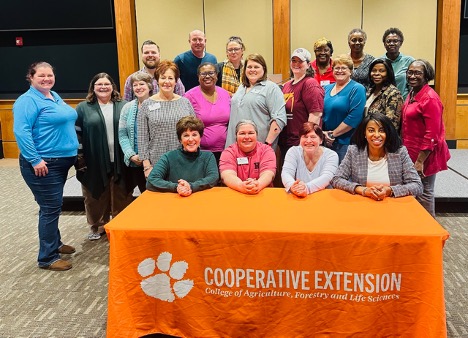
2023 South Carolina Master Food Preservers and members of the Clemson Cooperative Extension Food Systems and Safety team

2023 South Carolina Master Food Preservers and members of the Clemson Cooperative Extension Food Systems and Safety team

The first cohort of South Carolina Master Food Preservers graduated at the Philips Market Center in Columbia, South Carolina on January 24th, 2024. The South Carolina Master Food Preserver program began in Fall 2022 and aims to expand the reach of  Clemson Cooperative Extension’s Food Systems and Safety team. Master Food Preservers were trained in various disciplines of food preservation including canning, dehydrating, freezing, and fermentation. Participants completed an 8-week online course, a 2-day intensive training, and completed 30 hours of volunteer service to earn the title of South Carolina Master Food Preserver. Participants assisted Clemson Cooperative Extension agents across South Carolina. Volunteer activities included assisting Food Systems and Safety agents with home food preservation workshops, participating in information booths at local farmers markets, creating instructional videos, writing articles about food preservation, judge county fair canning competitions, and many other exciting volunteer opportunities. The 2024 cohort of South Carolina Master Food Preservers have recently completed their 2-day intensive and are beginning their volunteer hours. To learn more about becoming a Master Food Preserver contact Food Systems and Safety Agent Alex Ryan Thompson by phone (864-365-0628) or email (art6@clemson.edu).

New Horticulture Agent

Drew Jeffers


Drew Jeffers is the new Horticulture agent in the Greenville County office. A native of the mountains of eastern Tennessee, he holds a B.S. in Plant and Soil Science and an M.S. in Plant and Soil Science from the University of Tennessee. Jeffers comes to us from the Spartanburg office, where he was in a similar position for seven years. Before coming to Clemson Extension, Jeffers was a perennial plant grower for Zelenka Nurseries, a production manager for Brussel’s Bonsai Nursery, a bedding plant grower for Van Wingerden International, and an Integrated Pest Management (IPM) coordinator for Costa Farms – Costa Carolina.

Drew holds classes for both homeowners and professionals, with topics such as:

  • Home vegetable gardening
  • Home fruit gardening
  • Integrated pest management (IPM) for home landscapes
  • Pesticide Safety and education classes
  • Commercial and Private Pesticide License classes
  • Ornamental plants and their care

As a resident of the Greer community, Jeffers is excited to be working and serving in the county where he lives. Be sure you click this link Clemson University Cooperative Extension (list-manage.com) to get on his email blast list to be alerted to programs. 

Successful First Health Extension for Diabetes in Cherokee County

Julia Newsome
Rural Health & Nutrition Agent
Cherokee & Union Counties

“The first Health Extension for Diabetes (HED) cohort in Cherokee county was a community success! The cohort started in August 2023 and graduated in December 2023, with approximately a 90% graduation rate (adjusted)! We are recruiting for a second Health Extension for Diabetes cohort in partnership with the Cherokee County Family YMCA for HED in-person programing. Registration is open from 01/24/24-02/21/24, please contact me if you are interested in participating!

  • HED is a free diabetes support program recognized by the ADA as a practice-tested diabetes support program. The main goal of this program is to help participants better manage diabetes to prevent or delay complications. HED is 4 months long and includes a series of 8 education sessions and intermittent support sessions. Each session is designed to help participants learn more about diabetes and provide them with necessary skills and support to successfully self-manage diabetes. Participants will receive bi-weekly materials and weekly follow-up to help navigate resources and reach healthy lifestyle goals. A Type 1 or Type 2 diabetes diagnosis is required for enrollment.

February is American Heart Month; If there is an upcoming event or group meeting that you are looking for a guest speaker and a timely topic, I would love to attend and hold the Know Diabetes by Heart (KDBH) program. Please feel free to contact me if you have any opportunities or questions.

  • KDBH is sponsored by the American Diabetes Association (ADA) and American Heart Association (AHA). It is a free education session offered in-person or online. The program aims to help participants better understand the link between diabetes and heart disease. By participating in this one-hour session, you will learn more about risks related to diabetes and heart disease, how to take control of your risks, and learn about community and clinical resources.

Julia’s Contact Information:
864.424.8275
Janewso@clemson.edu

Growing Gardeners

Laura Haddon
Spartanburg 4-H Youth Development

            Spartanburg County 4-H has partnered with Kids Upstate (formerly Boys and Girls Club of the Upstate) for almost twenty years.  Spartanburg 4-H provides STEM, Ag in the Classroom, and Healthy Lifestyles programs for the youth attending Kids Upstate afterschool and summer programs.

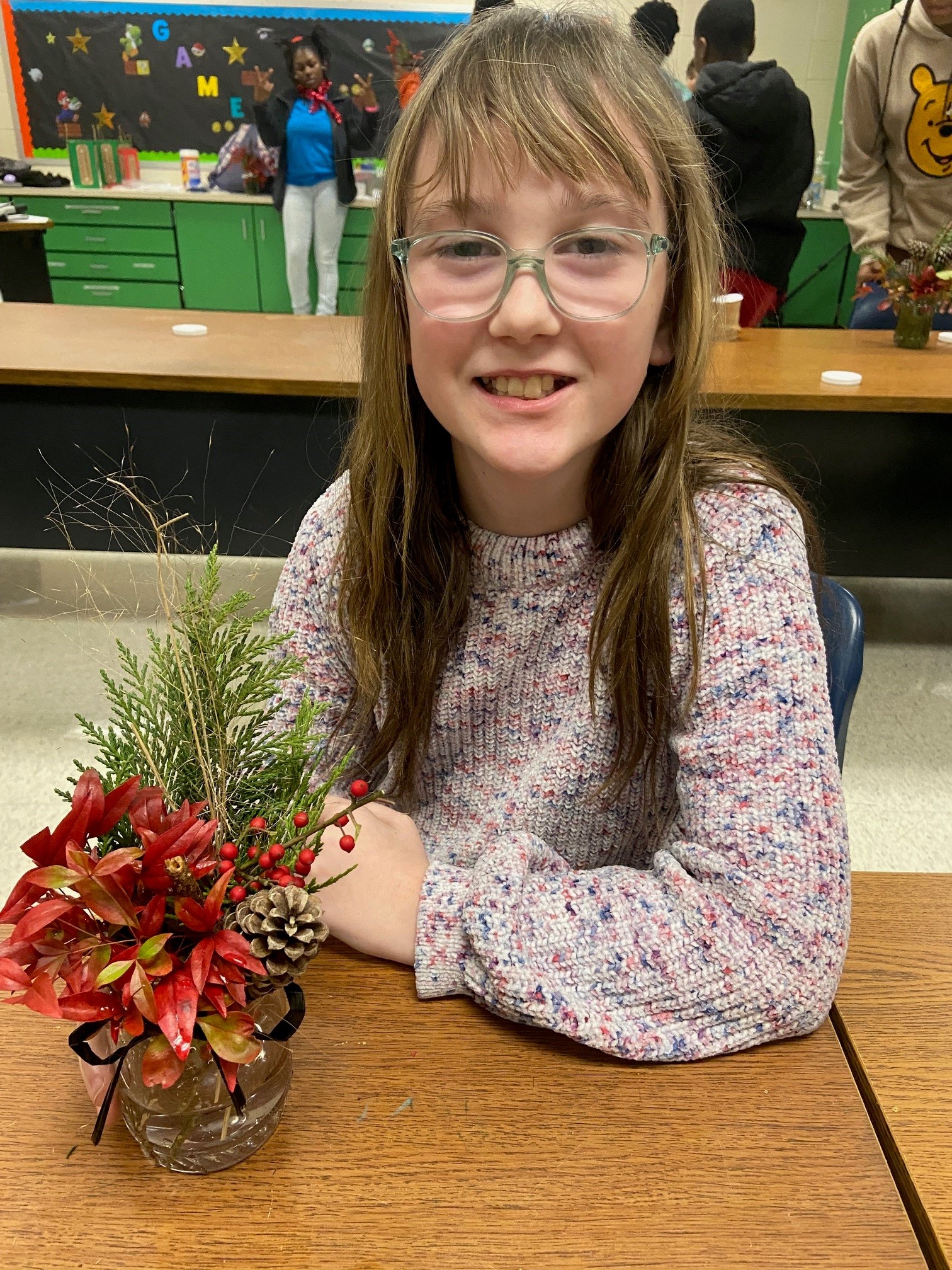
            This year Spartanburg 4-H was able to offer the Kids Upstate youth at Jesse Boyd Elementary School a special experience!  Spartanburg County Master Gardeners, Janet Behnke and Steva Kiser, volunteered to lead a Junior Master Gardener program for fifth graders at the school.

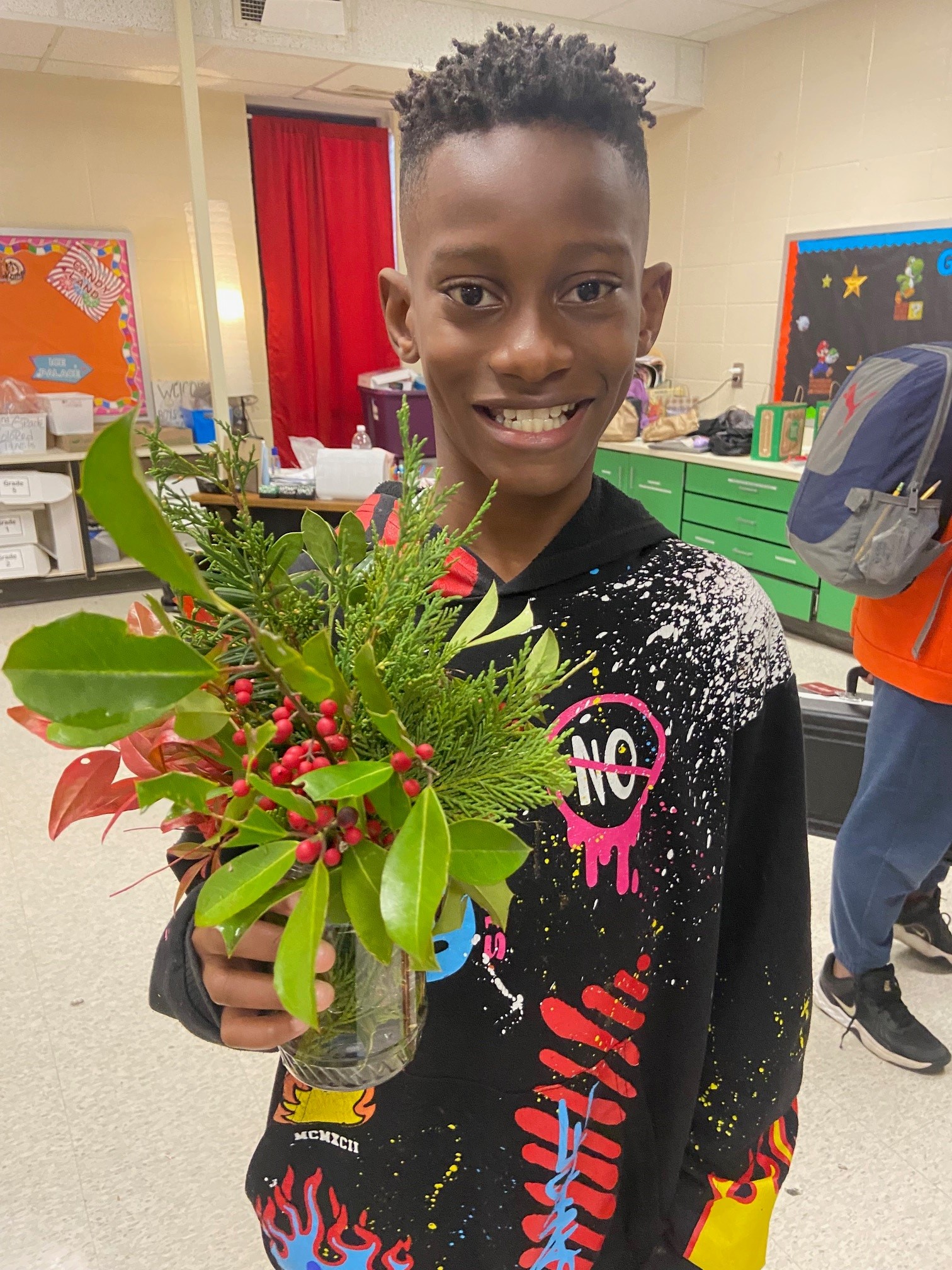
            Using the Junior Master Gardener curriculum developed by Texas A&M, Janet and Steva are leading hands-on activities that cover topics such as plant growth and development, soils and water, and life skills and career exploration.  In December, the youth created holiday greenery arrangements.  In the spring they will be planting vegetables and flowers in school’s raised beds.

            This partnership between Kids Upstate, Spartanburg 4-H, and Spartanburg Master Gardeners is giving youth the opportunity to grow their knowledge and love of gardening and helping them to cultivate green thumbs and good citizenship!

What to Know about Mistletoe

Carolyn Dawson
Area Extension Forestry Agent
Anderson, Cherokee, Greenville, Oconee, Pickens, & Spartanburg Counties

Now that deep winter is upon us, and the trees are bare of leaves, it is extremely easy to see the round, green balls of leaves scattered throughout the tree canopies. This is mistletoe.

“Mistletoe “roots” may extend up to a foot on either side of the point of attachment. Bob Polomski, ©2018, Clemson Extension”

Is it harmful to trees? Well, kind of. It is considered a parasite, a hemiparasite, to be exact. A hemiparasite makes some of its own food through photosynthesis but takes water and most of its nutrients from the host tree. American or Oak Mistletoe (Phoradendron serotinum) is commonly found on deciduous trees such as pecans, oaks, elms, hackberries, maples, and wild cherries. In the fall, it produces white berries that contain toxic chemicals poisonous to people and domestic animals.

Where did it come from? Birds are the most common culprit. They consume the sticky, white berries, and then transport the seeds to other trees where the seeds can germinate and begin their parasitic journey.

Mistletoe uses specialized roots called haustoria, which penetrate the host tree’s bark, allowing them to embed themselves in the vascular tissue. Through this connection, mistletoe siphons off nutrients from its host, sustaining itself.

What should you do if you have mistletoe? The primary method of management involves pruning out the infected branches. Prune the affected branch at least 18 inches beyond the point of attachment. Simply removing the mistletoe plant, without removal of the infected branch, will provide some protection from spreading. However, if you remove only the mistletoe, it will probably regrow.

For more extensive infestations higher in the tree, it’s advisable to enlist the services of a professional Certified Arborist. For some older, larger, heavily infested trees, it may not be feasible to remove such large portions of the canopy, and best just to let the tree live out its natural life or have it removed.

If you’d like to learn more about tree insects, diseases, and issues, or perhaps invite Carolyn Dawson, Clemson Extension Forestry Agent, to speak at your event, please contact her at dawson4@clemson.edu.

Welcome Emily Fish Our New EFNEP Agent

Emily Fish New EFNEP Agent

Emily DuRant Fish is a graduate of Clemson University with a degree in Language and International Health (B.S.). Upon graduation, she started her career in Cooperative Extension as a youth nutrition educator with the Expanded Food and Nutrition Education Program (EFNEP) at the University of Maryland, College Park. During her time there, Emily also took on the role of a program specialist where she managed program data and developed training development tools. 

She is excited to be back in her home state of South Carolina as the EFNEP nutrition educator for Spartanburg County. Emily aspires to utilize her public health background and passion for teaching to promote healthy lifestyles for families and youth in her community. In her free time, Emily enjoys reading, hiking, walking her Bernese Mountain Dog, and playing pickleball!

Be Well Informed

Heather Nix
Water Resource Agent
Abbeville, Anderson, Cherokee, Greenville, Greenwood, Laurens, McCormick, Oconee, Pickens, & Spartanburg Counties

Be Well Informed logo
New Online Course! Be Well Informed
If you rely on a private well to provide drinking water for your home, the Be Well Informed course is for you! There is no cost and it’s available anytime.
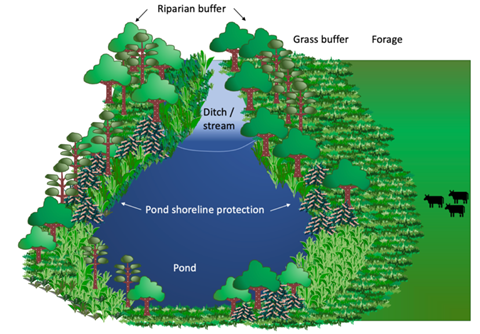
Diagram showing a healthy riparian buffer with livestock-safe plants
Figure 1. Example of a healthy riparian buffer with livestock-safe plants. Image credit: Sarah White

Prepare your pond for spring!

The winter is a great time to start preparing for a healthier pond when warm weather arrives! Here are some actions to consider.

  • Consider adding plants to the shoreline of streams and ponds. Riparian buffers with healthy, native vegetation support clean water and help prevent erosion along the shoreline. If the waterbody is in a pasture, see our new Land Grant Press article on Livestock-Safe Buffers!
  • When vegetation decays in ponds, the nutrients from the plant tissue are returned to the water – and can spur future plant growth. Remove decaying vegetation and compost in an upland area to help reduce in-pond nutrients.
  • Consider installing an aerator in ponds that stratify (or, to simplify, that develop layers of different temperature water) and in areas with slow or stagnant water. Pumping air to the bottom of a pond and letting it bubble to the service can increase dissolved oxygen levels and support healthy fish populations.
  • For more information on these, and other suggestions, please read our Pond Weeds: Causes, Prevention, and Treatment Options article on Clemson’s Land Grant Press website.

Upcoming events: Want to install a rain garden? Sign up now for the Master Rain Gardener online course (Register by 2/4/24). Please keep an eye on the Clemson Extension Events Calendar for information on additional events.

Annual Training in Greer for Horticultural Professionals Expanding

Drew Jeffers
Horticulture and Natural Resource Agent
Spartanburg County

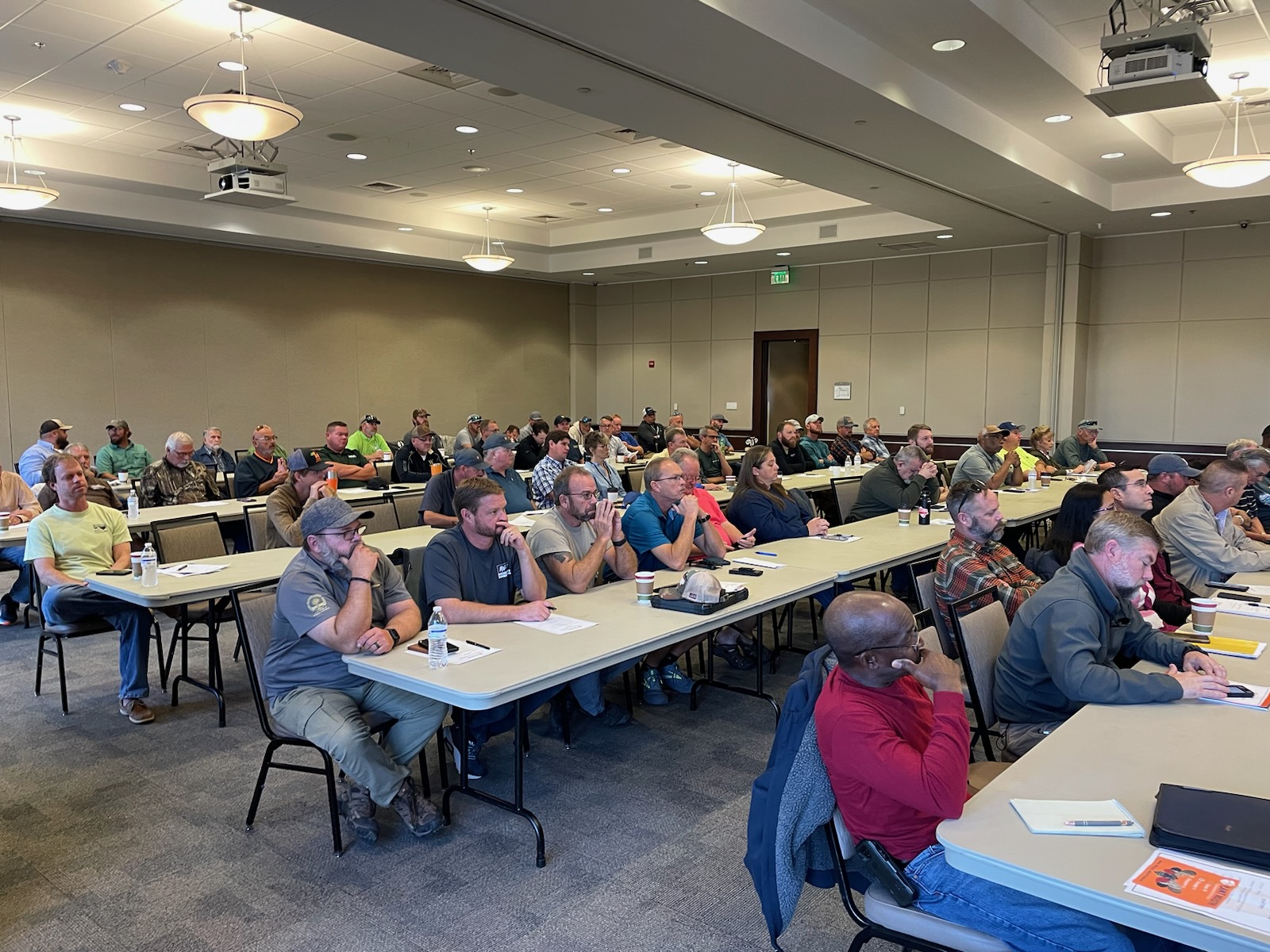
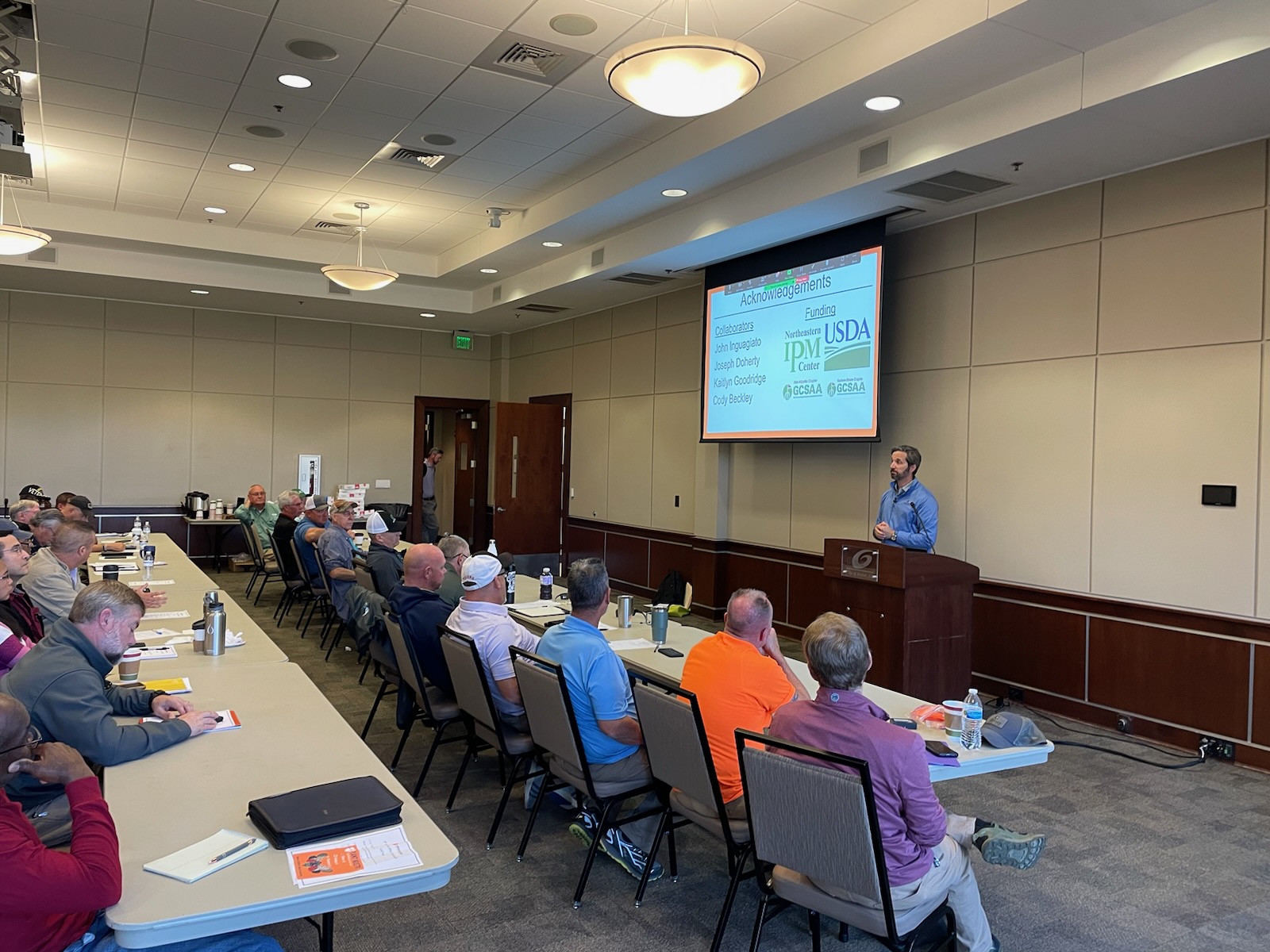
The annual integrated pest management (IPM) symposium in Greer, SC, was a huge success again in 2023. The IPM symposium offers sound, economical, and environmentally friendly pest management topics to landscapers, growers, and other horticultural professionals. Horticulture agent Drew Jeffers holds the training at the Canon Centre in Greer, SC. The training seats typically average fifty to sixty persons, but this past year was in such high demand that it was converted into a hybrid event to meet demand. Six county offices around the state held a virtual live broadcast to reach more stakeholders. Two hundred thirty-two stakeholders attended the training, receiving valuable information and recertification credits for pesticide licenses. Jeffers is working with fellow agents again in 2024 to expand the training to serve more people.

Cherokee County 4-H Clovers in the Kitchen Club

Haven Blackwell
4-H Agent
Cherokee County

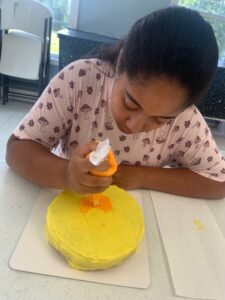
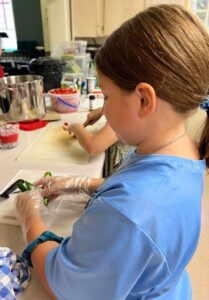
4-Her decorating a cakeThe Cherokee County 4-H Clovers in the Kitchen Club provides a program once a month for kids ages 9 to 18. We want to inspire the youth in our community to learn to cook healthy and nutritious meals for their families. The Clovers in the Kitchen Club has been cooking through the seasons since September. They have learned various valuable skills such as chopping, seasoning, baking, etc. In September, they learned to make nutritious items that can be packed in their lunch boxes. October was full of delicious tailgate food and of course November and December were Thanksgiving and Christmas inspired. We look forward to continuing 4-Her cutting up peppersthe year and learning new skills to enhance our confidence in the kitchen. Other clubs that Cherokee County 4-H has to offer are Cloverbuds (ages 5-8), Bits and Pieces Horse Club (ages 9-18), Cherokee Charter Academy 4-H Club (students of Cherokee Charter Academy), and Teen Council (ages 14-18). In the months ahead we will have our Peach Country 4-H Livestock Show in March for any youth interested in showing beef, poultry, market hog, or rabbit and Down on the Farm Day in April for second  grade classes across Cherokee County. Also, be on the lookout for 4-H summer day camps!

If any of the youth in your life would like to be a part of Cherokee County 4-H, please contact Haven Blackwell by email at daynab@clemson.edu or by phone at (864) 649-8252.

Spartanburg County Extension Office Gets a Facelift

Drew Jeffers

Spartanburg County Horticulture Agent

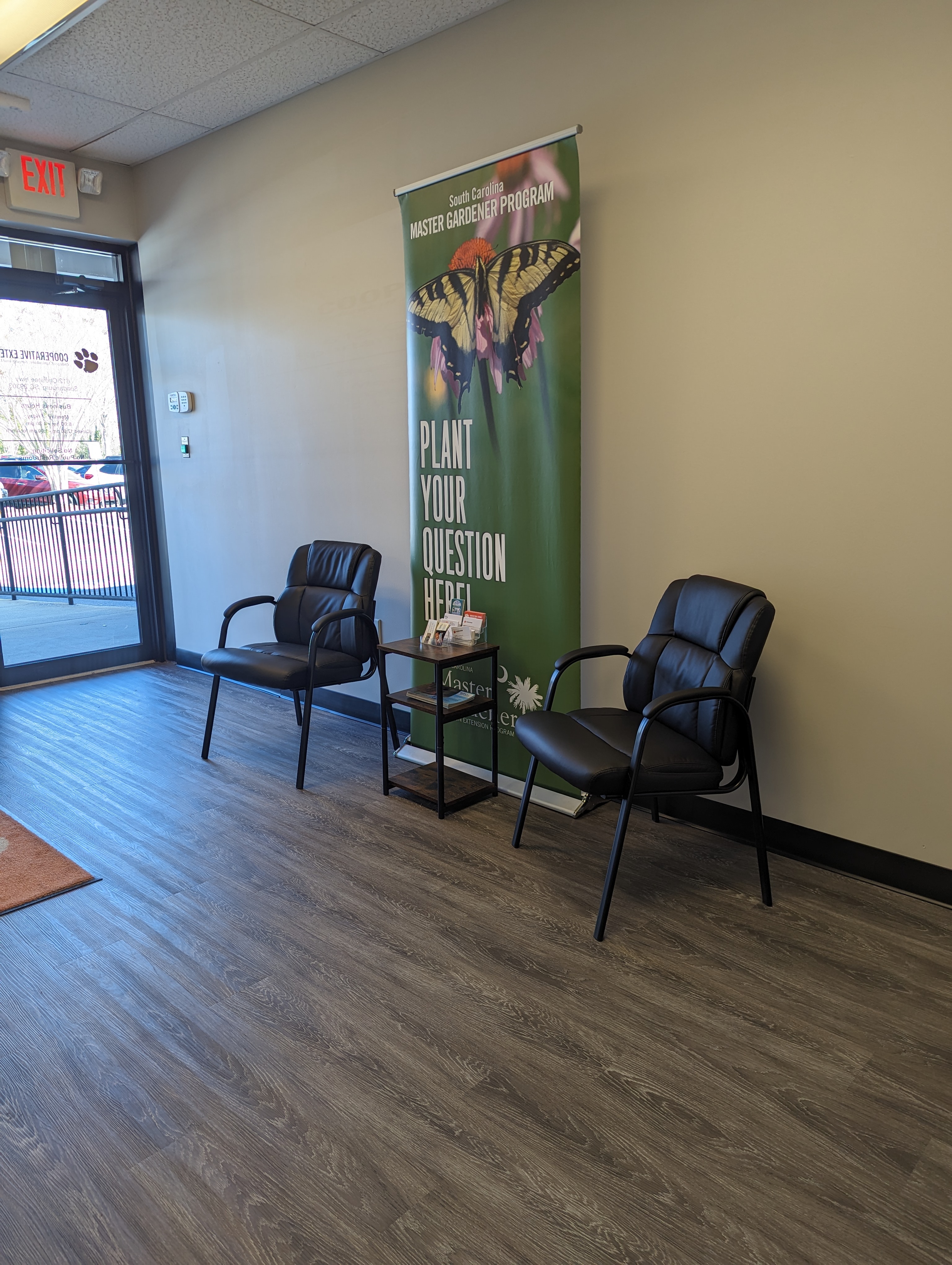
Spartanburg Counties new foyer

            The Clemson University Cooperative Extension Office in Spartanburg County has been at 612 Chesnee Highway in Spartanburg since 2008, serving thousands of residents annually. As with most organizations, they need to freshen things up a bit every now and then. The office has undergone some light renovation to make it more inviting to residents and make the classroom more usable for future classes and training. Residents are encouraged to come by and check out the new office and will enjoy a new and exciting classroom experience.