Lenox Hill Neurosurgery is a top destination for advanced cranial and spinal care, consistently ranking among the best hospitals in the world for neurosurgery by annual rankings in U.S. News & World Report.
Griffin is not new to research. While an undergraduate he performed research in Dr. James Morris’ lab where he studied the metabolism of T. brucei and Nagleria Fowleri.
This also isn’t Griffin’s first time at Lenox Hill. One summer, he had the opportunity to shadow in the Department of Neurosurgery at Lenox Hill Hospital – the very same department he works in now.
“This experience affirmed my passion to pursue a career in medicine and my interest in neurosurgery.”
Griffin is using his time at Lenox Hill to hone in on and perfect his research skills before applying to medical school and is finding his time valuable.
“It’s going great! I’ve really enjoyed learning how to use clinical research and technology to optimize patient care. I’ve spent a lot of time exploring ways to incorporate AI into neurosurgical practice.”
Congrats and continued good luck to recent graduate Griffin!
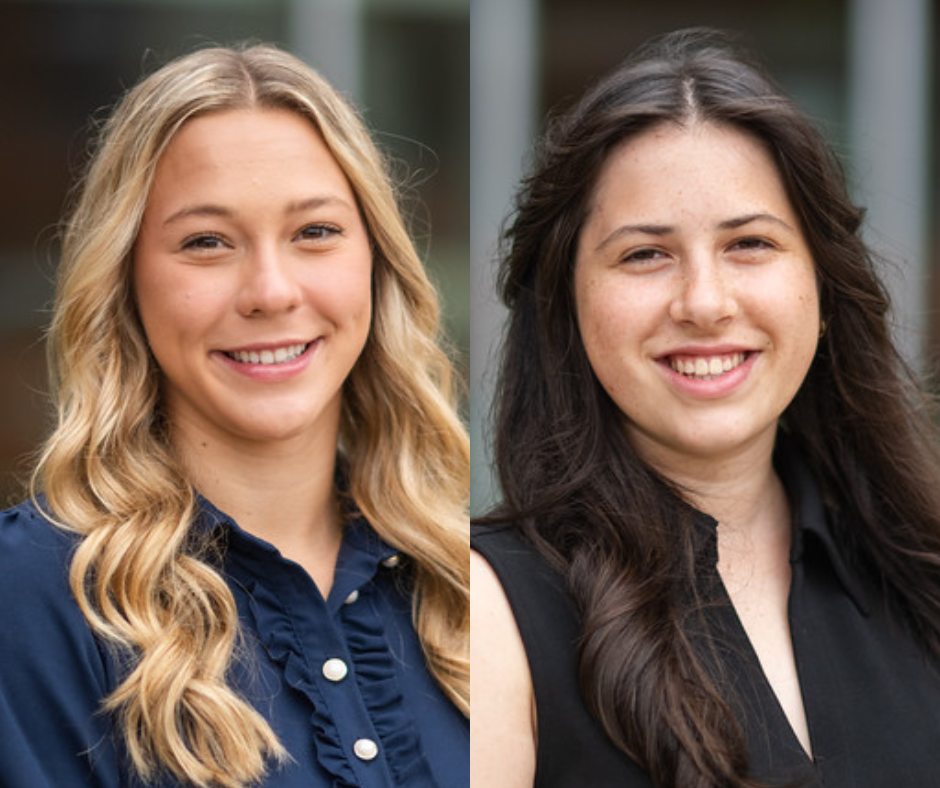
Elizabeth Polatty (left) and Evgenia Zheltov (right).
Two students from the Department of Genetics and Biochemistry joined the National Scholars Program(NSP), which serves students from all majors who demonstrate a unique combination of academic excellence, intellectual curiosity, leadership ability and demonstrated impact on their local and global communities.
Scholars were chosen from more than 6,000 applications to the Honors College. They receive personalized support to develop their leadership skills and deepen their academic experience, equipping them to excel in the classroom and beyond. Many National Scholars go on to earn major University awards and nationally competitive fellowships.
The National Scholars Program strives to create a transformative community offering life-changing experiences and developing thoughtful scholar-leaders who listen, critically examine their place in the world, and use their talents to serve.
Senior genetics and biochemistry student Gabbie Gardiner spent her summer in Charleston, South Carolina participating in the Summer Undergraduate Research Program at the Medical University of South Carolina (MUSC) researching a protein called PTP1B with Dr. Lalima Katyayani Madan.
“This summer, I conducted research at the Medical University of South Carolina focused on developing more precise cancer therapies by studying a protein called PTP1B (Protein Tyrosine Phosphatase 1B).”
PTP1B plays a critical role in cellular signaling and has been linked to diseases like breast cancer, diabetes, and Alzheimer’s. However, designing drugs that target it specifically has been extremely difficult due to similarities it shares with other proteins.
“My project aimed to overcome this challenge by exploring how PTP1B can be inhibited allosterically – meaning, by targeting areas outside the active site that control the protein’s shape and function.”
By combining lab-based protein purification and activity testing with computational analysis of over 250 crystal structures, we can begin to understand how the protein shifts between different conformations. This research led to findings that will lay the groundwork for creating highly specific inhibitors that could one day be used in targeted cancer treatments.
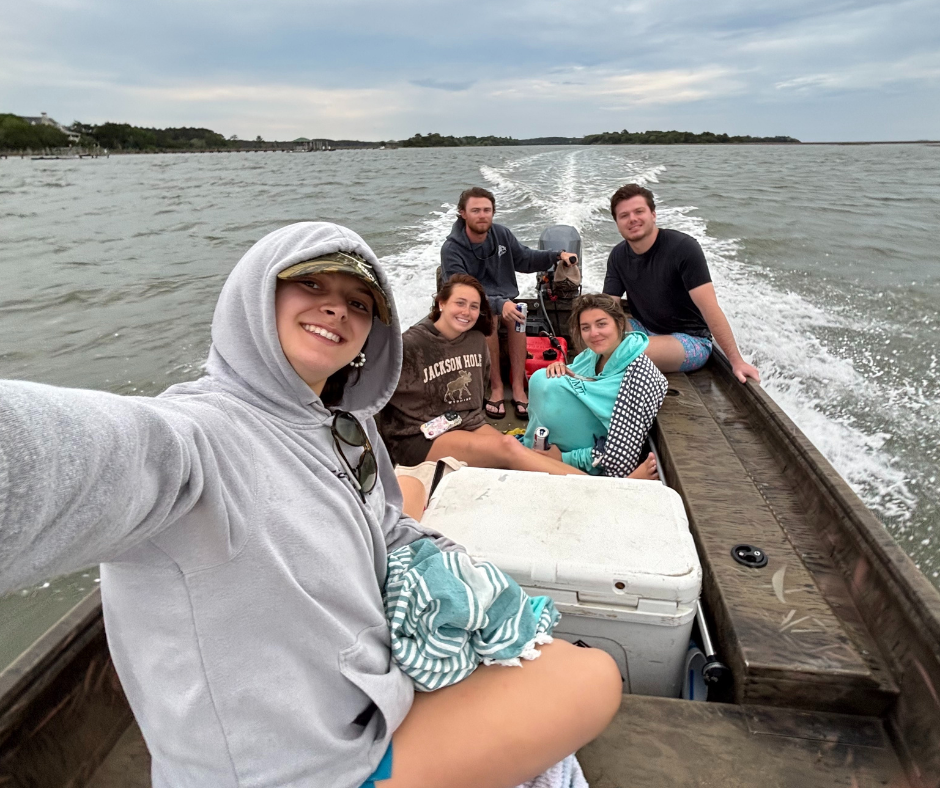
While not in the lab, Gabbie took in all that Charleston had to offer: the beach, amazing restaurants, yoga, Pilates and more!
“I love going to the beach; my favorite beach is Sullivan’s Island Beach. I’ve also loved trying a ton of restaurants in the area. I can’t pick a favorite; they are all so good.”
This summer at MUSC was invaluable to Gabbie, reiterating her passions for research and science.
“This summer really opened my eyes to what research is all about. I learned how to work with proteins in the lab, analyze data, and think through problems when things didn’t go as planned. Being part of a project that could actually help lead to new treatments for cancer made the work feel really meaningful. It confirmed for me that I want to keep doing this kind of work in the future as a doctor and scientist.”
HELEN LARKIN
Senior biochemistry student Helen Larkin spent the summer on the University of Michigan’s campus in Ann Arbor, MI researching how circulating tumor cells can cause inflammatory effects in a patient.
“I participated in the Cancer Research Summer Internship Program (CaRSIP) through the Rogel Cancer Center and the University of Michigan Medical School. I worked in Dr. Sunitha Nagrath’s lab, which is in the Department of Chemical Engineering.”
Helen found this internship on the program’s website. When looking for internships, she would go through the websites of graduate schools that she was interested in and see the summer research internship positions available.
In the Nagrath lab, Helen worked on researching the effect of glioblastoma extracellular vesicles (EVs) on neutrophils. In other words, Helen looked at how circulating tumor cells can cause inflammatory effects in a patient and potentially contribute to malignancies.
“This project has involved cell culture, flow cytometry, and different types of assays. I have learned a lot about new techniques and experiments from being there. This has been an incredibly valuable experience. I feel more prepared to apply to graduate school this fall and I have a better understanding of what life in graduate school will be like.”
Margo Courtney’s ’21 experience in research labs and creative inquires (CI) during her undergraduate experience at Clemson prepared her for her career at Ionis Pharmaceuticals in San Diego, CA.
“My time in research labs and my CI prepared me well to feel comfortable in the [Ionis Pharmaceuticals] lab and the background in genetics and biochemistry has made it very easy to understand the concepts of our therapies and the diseases we work to treat.”
Margo was a genetics and biochemistry double major with a minor in life sciences and worked at the Academic Success Center as a peer tutor for general and organic chemistry.
“Orgo was probably my favorite class of all of college!”
Margo was member of the Zeta Tau Alpha sorority and held an executive position as the academic achievement chair. She also worked in Dr. Will Richardson’s lab for a CI in the biomedical engineering department.
“We developed in vitro tissue culture platforms to create technologies to control fibrosis related to heart failure.”
After graduating in May of 2021, Margo moved to San Diego to work for as a Research Associate II at Ionis Pharmaceuticals, a company that focuses on developing RNA-targeted therapies, specifically Antisense Oligonucleotides for a variety of diseases.
“It’s been a great experience, and I can see the ocean from my lab which is pretty fun! They really helped develop my skills both professionally and in the lab. I often times am asked to present my research, help with publications and attend conferences so it has the feel of academia even though I’m working in industry.”
Margo works for the Genome Integrity Group, where they mainly focus on age-related diseases and neurodegenerative conditions. Margo’s main concern is working to identify a target and relevant treatment of Huntington’s Disease (HD).
“I make in vitro neuronal models for the disease starting with iPSCs, then differentiating them into neurons or organoids, and finally try to model the repeat instability of the repeat in HD in these cell models with the hope of reversing somatic instability with our various therapies.”
The day-to-day at work changes depending on the specific project she is working on or protocols, but it mainly entails working in the lab doing cell culture, treatment and downstream analysis of Next-Generation Sequencing or qPCR.
“I knew I enjoyed the lab and wanted to spend some time in industry out of school to figure out what specific type of genetic research and science related path I wanted to go down.”
Margo’s time in industry motivated her academically to obtain her Ph.D. Last year she started back in school at Clemson in the Healthcare Genetics and Genomics (HGG) Program. Going back to school and getting a higher degree will open doors to careers that truly interest her. Margo hopes in the future to stay in industry but lean more into the translational science that is highlighted in the HGG program.
“Becoming a medical science liaison would be great to bridge the gap between my knowledge of genetic research and clinical practice as I have always loved discussing, teaching and communicating scientific concepts and ideas to make it more accessible and impactful for others hopefully in the neurodegenerative or aging field.”
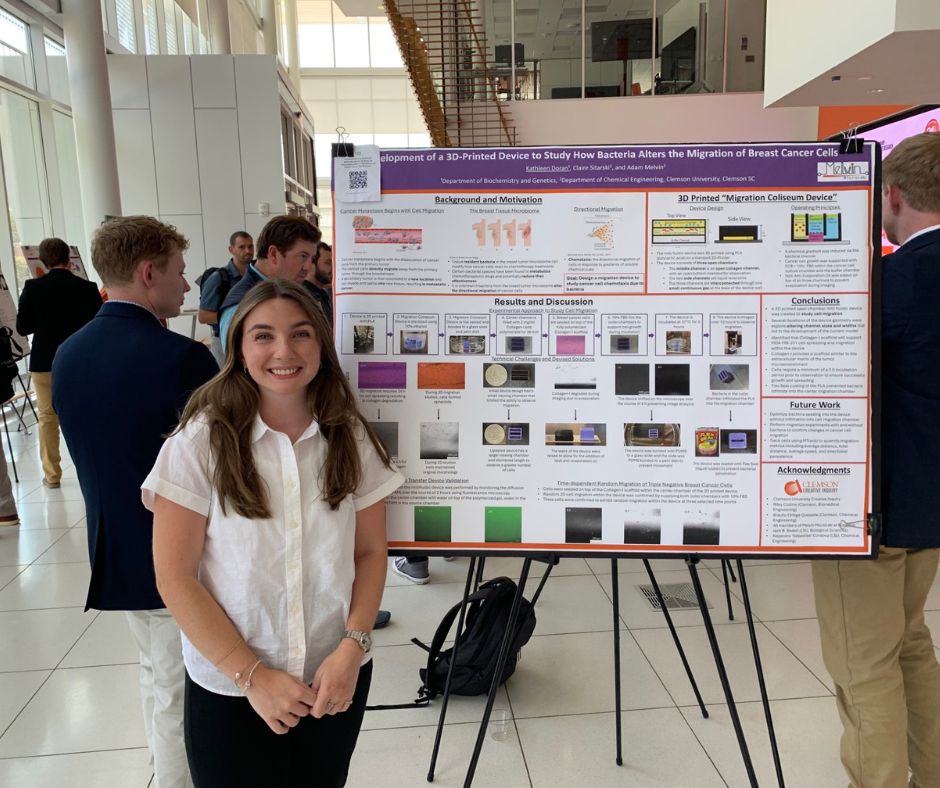
Kathleen Doran, junior biochemistry and genetics major from Stephentown, NY, stayed on campus this summer in working on Creative Inquiry (CI) project in Dr. Adam Melvin’s MicroLab titled “Biophysical analysis of the chemotactic response of different cell types exposed to various stimuli spanning the breast tumor.”
Coming into Clemson, Kathleen knew she wanted to be involved in research. She began searching for labs and came across Dr. Melvin’s lab and joined in the Spring of 2024.
“During the academic year I am a member of Melvin MicroLab, in the Department of Chemical and Biomolecular Engineering. My project focuses on the chemotaxis of breast cancer cells in response to bacterial presence.”
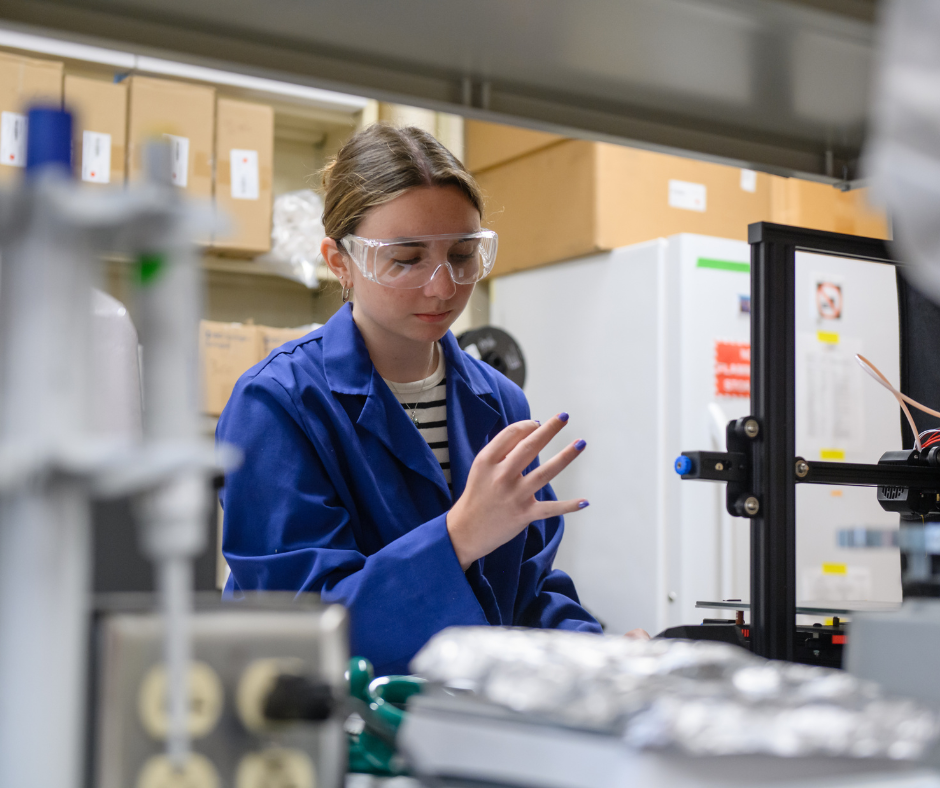
In the fall of her freshman year, Kathleen took Careers in Biochemistry and Genetics, which is where she learned about the Creative Inquiry Program. Kathleen’s Summer CI project focused on the development of a 3D printed device to study how bacteria alters the migration of breast cancer cells.
“Currently, there are few studies that have been able to identify if bacteria from the breast tumor microbiome alters the directional migration of cancer cells. Our work hopes to visualize cancer cell chemotaxis due to bacteria.”
Kathleen notes that the Summer CI Program has been a wonderful experience to continue her ongoing research and get to know more about the work being done by others within the Melvin lab.
“I loved getting to know what other people are working on, and having the opportunity to discuss issues that other teams may have struggled with and sharing different approaches to address complications. Working in the Melvin Lab has been one of the defining experiences of my time here at Clemson.”
SOFIA BUFANO
Senior international biochemistry student Sofia Bufano always knew she wanted to participate in a research lab during her academic career at Clemson and found the perfect fit in the Research and Education in Disease Diagnosis and Intervention Laboratory (REDDI Lab).
“I stumbled across Dr. Congyue Peng’s lab in the REDDI lab, and I liked her publications and her current research in the pathology field. I joined the lab spring semester of freshman year, and I’ve been an undergraduate researcher there ever since.”
This summer Sofia participated in a Creative Inquiry (CI) within the REDDI lab working on a project with the ultimate goal of differentiating human Dental Pulp Stem Cells into Motor Neuron Cells.
“So far, I have been taking care of my hDPSCs (passaging and changing media), and I performed RNA extraction, RNA to cDNA conversion, and qPCR to characterize the hDPSCs for specific primers we have selected, which will also be used to characterize Neuron Cells after differentiation.”
Sofia was nervous this summer to be in the lab and working on her own research project with new protocols and without any other lab partners. However, once she got used to it, Sofia felt beyond satisfied with her progress and research.
“The summer CI research was a life-changing experience on so many levels! Prior to this summer internship, I had in mind to pursue a Ph.D. in science after college, and this experience was the confirmation I needed that this path is the right choice for me.”
When Sofia was not in the lab, she used her free time to travel and spend time with friends and family, some of her closest friends staying in Clemson participating in CIs as well.
“We often got together after lab to chat about our experiments and watch TV. I also traveled quite a bit: I went horseback riding in the Dominican Republic, snorkeling in Curaçao, sightseeing in Aruba, and I spent some time in Hilton Head with friends and family.”
Sofia is Italian and officially became an American citizen in April and experienced her first American 4th of July this year!
CATLY NGUYEN
When Dr. Jim Morris was the guest speaker at a Biochemistry and Genetics Club meeting, senior biochemistry major Catly (Cat) Nguyen became interested in his research, leading to a position as an undergraduate researcher in the Morris Labs. This summer, Cat is participating in the Undergraduate Research + Creative Inquiry (CI) program, while continuing her research with Dr. Morris.
“Hearing Dr. Morris talk about his journey into research/molecular biology and his work was so insightful and interesting. It gave me the courage to email him and ask to join his lab as an undergraduate researcher.”
In the Morris Lab, Cat’s research focuses on identifying and localizing potential drug targets and understanding drug uptake in Trypanosoma brucei, a protozoan parasite that causes African sleeping sickness. Trypanosomes are so complex because their cellular mechanisms, like glucose metabolism, are not yet fully understood.
“Our goal here is expand our understanding of their cellular biology so that we can exploit it for drug targets.”
This summer, for her CI, Cat is specifically investigating how drugs and inhibitors are trafficked to glycosomes, which are specialized peroxisomes that house essential glycolytic enzymes.
“To do this, I’ve been working on purifying PTS-tagged (peroxisomal targeting sequence) eYFP proteins, which will help us characterize how these proteins are delivered to the glycosomes and potentially co-delivered with drugs.”
Another part of Cat’s research is working on another side cloning project where the goal is to find the origin of replication within a plasmid by dividing it into smaller fragments and amplifying them using specific designed primer pairs. Once one is discovered, they can clone EYFP into it, allowing N. fowleri to replicate the fluorescent protein independently and establish long-term expression of EYFP once it is transfected into the parasite.
“So far, I’ve had such an amazing experience in Dr. Morris’ lab during the summer. I’ve gotten to spend more time in lab, getting more work done, being able to see positive results, and most importantly expanding my understanding of molecular biology and biochemistry.”
Cat has been able to apply this experience to her lecture courses and has been able to interact with and learn from graduate students, whom she notes as great mentors. Cat knows this experience in the Morris lab will help her reach her future ambitions.
“From this experience, I hope to better prepare myself for a future in research. I am pursuing pharmacy school after undergrad and am planning on going into biochemical pharmaceutical research where I focus on drug discovery/delivery. So, working with Dr. Morris this summer has be extremely valuable to my future goals.”
Outside of her CI, Cat has been spending her summer planting, spending time with friends and families, cooking and baking, going to concerts, reading and traveling.
ALEXANDRA HARRINGTON
Currently working in the Creative Inquiry (CI) project Investigating the role of the TMLH (CNAG_05675) gene and the gBB (CNAG_00403) gene in the carnitine biosynthesis pathway in Cryptococcus neoformans, senior genetics and biochemistry major Alexandra Harrington strives to contribute and make a difference in the scientific community.
Alexandra is researching the carnitine biosynthesis pathway in the Eukaryotic Pathogens Innovation Center (EPIC) with its director Dr. Kerry Smith and plans to continue her research throughout the Fall semester as she pursues a Departmental Honors.
“I was very interested in the EPIC here at Clemson because it combines my majors in biochemistry and genetics and my minor in microbiology.”
For her CI, Alexandra is investigating the role of the TMLH (CNAG_05675) gene and the gBB (CNAG_00403) gene in the carnitine biosynthesis pathway in Cryptococcus neoformans, a fungal pathogen responsible for diseases like meningitis and pneumonia. Alexandra’s project aims to completely characterize the carnitine biosynthesis pathway, specifically genes TMLH and gBB, as it pertains to acetate metabolism and amino acid biosynthesis in the virulence of fungal pathogen C. neoformans.
“I have spent these past several weeks especially focusing on the TMLH gene, in which I have grown my C. neoformans wild-type in media and isolated its DNA, isolated my target DNA (TMLH), used PCR to amplify the TMLH gene and I am currently working to clone my TMLH gene into a plasmid and further confirm that transformation occurred using PCR and sequencing. I am working towards having all elements necessary to perform complementation using a gene-editing method called Transient CRISPR-Cas9 Coupled with Electroporation (TRACE).”
Through her summer CI Alexandra hopes to strengthen her critical thinking and problem-solving skills and deepen understanding of what she is learning in her classroom lectures and labs, particularly the techniques, processes and pathways, and apply them to real-world experiments.
“Through this project, I want a greater understanding of fungal metabolism and virulence. I have been able to isolate DNA, conduct many PCR procedures, interpret gel electrophoresis results, and I have learned the importance of designing primers as well as cloning target DNA into plasmid DNA.”
She was especially excited to work with the gene editing technology CRISPR-Cas9 that is becoming increasingly effective and vital in the fields of biochemistry, genetics and biomedicine to discover gene therapies.
“My project has already taught me how to learn by asking meaningful questions and how important it is to step back and find another route to a solution. In addition, I have thoroughly enjoyed being a part of a team, both developing connections with and learning from lab mates.”
Alexandra finds excitement in knowing that one day she may help discover something truly important to healthcare that makes a difference in someone’s life and sees this program as an experience that will help her get closer to achieving her career and life goals.
“It is rewarding knowing that this project has the potential to better understand pathogen virulence and to use this pathway as a target for antifungal drug treatments in the future.”
During the academic year, Alexandra participates in Dr. Kimberly Métris’ lab, Beta Beta Beta Biological Sciences Fraternity, the women’s lacrosse team, Clemson Hope, Kappa Delta, Clemson’s Sigma Delta Pi Hispanic National Honor Society and the Spanish club, Hablemos. When not in the lab this summer, she spends her time studying for the MCAT, attending baseball games, both Clemson and the Phillies, enjoying lake days with friends, golfing, walking on the dikes and reading.
Biochemistry alum Adam Gatch ’25 has received a Fulbright research award to study abroad in Munich, Germany at Ludwig Maximilian University. The Fulbright U.S. Student Program offers unparalleled opportunities to pursue graduate study, conduct research or teach.
Adam has respectfully declined the Germany Fulbright offer after earning a Churchill scholarship earlier in the spring, which allows students to undertake a one-year master’s program in STEM fields at the University of Cambridge in the United Kingdom. The Churchill Scholarship is seen as the most prestigious and competitive international science, mathematics and engineering award for post-undergraduate researchers.
Adam’s proposed project at Ludwig Maximilian University of Munich would have explored how early-stage medin aggregates interact with amyloid-beta in the brain, advancing a novel line of inquiry in Alzheimer’s research.
At Clemson, Adam conducted extensive biophysics research in the lab of Dr. Feng Ding, exploring molecular mechanisms of neurodegenerative disease. Gatch also volunteered at the campus food pantry, worked as a tutor and gained clinical experience as an emergency medical technician (EMT). He plans to one day lead an interdisciplinary laboratory dedicated to neuroscience discovery while working in academic medicine.
Clemson University has held a special significance in Madeleine Greer’s family ever since her grandfather graduated in ’61. This connection was a key consideration for her as she selected her university.
“I chose Clemson because it’s always been an important place to me and my family. My family has been going to Clemson games since before I was born and with it being close to where I grew up, we always visited and grew a connection with the university.”
Madeleine is from Greenville, SC and went to Greenville High School, where she skipped a grade between her sophomore and senior year. In high school, Madeleine enjoyed being a part of the school’s tennis team, eventually becoming team captain.
As a genetics major, Madeleine is eager to explore how our genes are inherited and how they shape our identities.
“I’ve always been curious about how traits are passed down and why people are the way they are. I think it’s really interesting how our genes shape so much about us and I’m excited to learn more about it.”
Madeleine has plans when she gets on campus not just academically but with extracurricular activities, planning to go through sorority recruitment and joining the club tennis team.
Even as an incoming freshman, she has goals for her future after graduating with her genetics degree.
“With my genetics degree I plan on going to medical school and becoming a doctor specializing in either IVF or gynecology.”
Madeleine, we can’t wait to see you on campus!
Alexandra Hart
When incoming biochemistry freshman Alexandra Hart attended her mother’s doctoral hooding ceremony at Clemson University in 2021, she knew it was an experience she would never forget.
“Seeing Clemson for the first time is something I would love to relive. Honestly, I don’t think there is a college that could provide me with an experience like Clemson has. You can really tell that Clemson cares about their students, especially their incoming students.”
Coming from Charleston, SC, Alexandra went to Berkeley Middle College High School a top magnet school in partnership with Trident Technical College. At Berkeley students can complete all requirements of a high school graduate while pursuing an associate degree and other certifications provided by the technical college.
Alexandra was not only busy with her academics in high school, but she was also involved in many extracurricular activities within the school and the community.
“At Berkeley I earned my high school diploma and associate’s degree in science. I participated in varsity cheerleading, varsity tennis and multiple volunteer organizations, including a few local, youth-based non-profits.”
Alexandra is coming in as a biochemistry major with a genetics minor with the hopes of completing the bachelors-to-master’s program. She chose biochemistry after taking a Principles of Biomedical Sciences course her first year of high school.
“It made me realize how much I enjoyed working in a lab setting and helped my constant curiosity about life!”
When Alexandra arrives on campus she plans on getting involved by participating in Club Cheerleading, the Black Student Union and the Biochemistry & Genetics Club.
“I am beyond excited to enter Clemson University this August, and I keep a countdown for the move-in day on all my devices. I still can’t believe I am going to Clemson! Go Tigers!!”
Meilani Wijetunga
Clemson was the perfect choice for incoming biochemistry freshman Meilani Wijetunga, who wanted to study in-state and fell in love with the campus like many before her. She also saw inspiring opportunities here for her as a woman in science and couldn’t wait to receive her acceptance letter.
“I heard how great Clemson’s STEM program and internship opportunities were and couldn’t wait to explore them! I applied for early action in October, so when I got my acceptance in December. I was so excited to accept!”
In high school, Meilani was a varsity athlete, playing varsity soccer and volleyball. When Meilani arrives on campus, she cannot wait to get settled and get into her classes as well as get involved in clubs and organizations such as the College of Science Mentoring and Inclusion Collaborative (COSMIC), which is an award-winning peer mentoring program intended to support incoming students with their transition to Clemson by matching them with upperclassmen mentors who come from similar backgrounds and share similar interests.
Meilani is a student who is coming in with a plan, knowing where she wants her future career to go, and Clemson’s biochemistry program is going to help her reach her goal of becoming a pathologist or pharmaceutical researcher one day.
“I wanted to study biochemistry because I’ve always been interested in working in labs and helping people from ‘behind-the-scenes.’ The numerous opportunities and beautiful area made me eager to call Clemson home!”
Kayla Poulias
Kayla Poulias, high-jump track and field star, dancer and survivor is coming into Clemson this fall as a freshman genetics major with big dreams. Clemson is not new to Kayla or the Poulias family as her brother graduated from Clemson this spring as well.
“I chose Clemson because my brother went there and I also fell in love with tiger town whenever I visited!”
Kayla is originally from Ontario, Canada but moved to South Carolina when she was ten and attended Fort Mill High School where she participated in varsity track and field and the HOSA – Future Health Professionals Club.
Kayla is excited to see all the clubs Clemson has to offer and to meet new people when she arrives on campus in August. In her free time Kayla enjoys reading, watching movies and spending time with friends and family.
“One fun fact is I did aerial silks for 5 years but all forms of dance even pointe for 15 years!”
Kayla’s choice to study genetics comes both from a passion for it and from a personal, medical experience when she was in middle school.
“I choose genetics because I’ve always had a passion for genetic research since 8th grade when I actually had a very rare noncancerous tumor in my leg. I’m hoping to study the genetic sequences from tumors to help find more targeted therapy techniques for patients.”
As a travel lover, study abroad was an important factor when deciding where to attend college for genetics sophomore Maddie Smith. This summer, she jumped at the opportunity to study abroad in Oaxaca, Mexico through the Faculty-Directed: Global Experiences in Health Professions Program.
“I love travelling and getting to experience different cultures and landscapes different from my hometown. Clemson has been so supportive of my dream to go abroad, and this dream come true did not disappoint!”
During the three weeks that Maddie was in Mexico, she shadowed doctors, gained insight on traditional medicine, studied the Spanish language and learned the history of Mexico.
“While in Oaxaca, Mexico, I was shadowing in local hospitals and clinics to gain insightful experience within healthcare settings and gain a global perspective on public health.”
Maddie and the other students lived with a host family during their stay. Each day they would have clinical rotations, Spanish lessons and lectures to attend. As busy as Maddie’s days were, she did occasionally get some free time.
“In our free time, I would do my assignments, take much needed naps, go to dinner with friends and explore the city! I loved going to the market to see all the local goods they were selling!”
Grateful for this experience, Maddie hopes this will follow her into her future career as a physician.
“Through this experience, I have learned that we are very fortunate in the US to have a top-notch healthcare system. When I am a practicing physician, I hope to use my global healthcare perspective to be patient and respectful of my patients and their life experiences.”
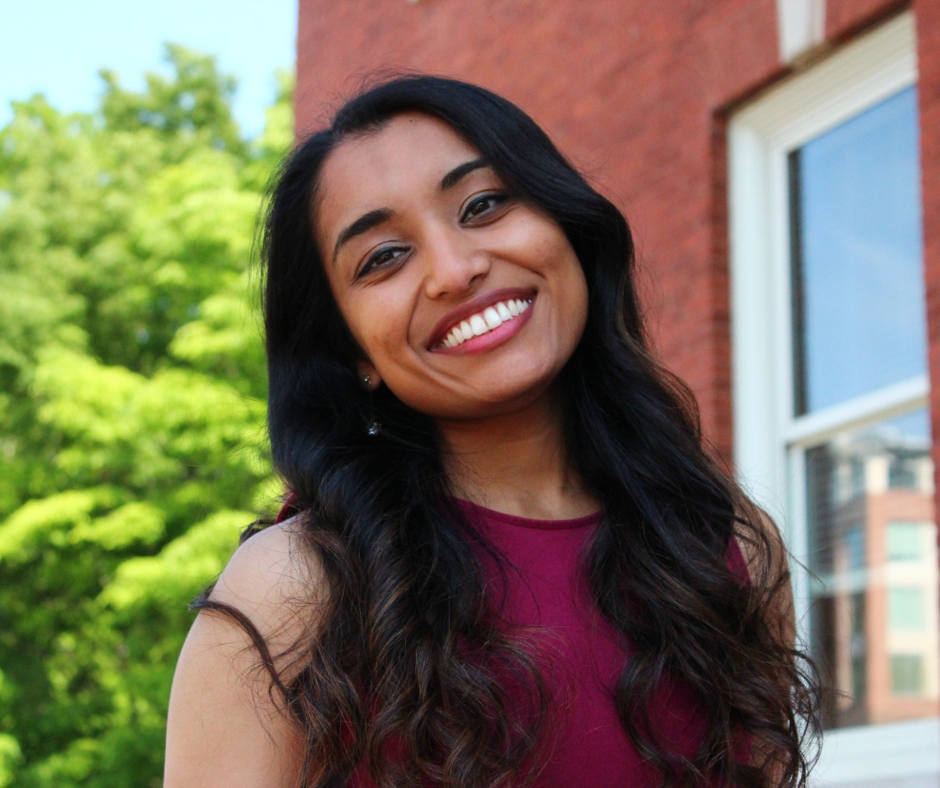
Shriya Amin ’22 has always had a passion for ancient history – partly due to reading the Percy Jackson series as a child. So, when she came to Clemson as a biochemistry major (quickly switching to genetics), minoring in history was a no-brainer.
During the spring semester of Shriya’s sophomore year, the COVID pandemic hit and everything went remote. Shriya didn’t want to get behind and also wanted to get involved in some way.
“During the summer of 2020, I was on two teams in the Clemson COVID Challenge – groups of Clemson, MUSC and Prisma Health students, along with faculty and staff worked to address issues highlighted by the pandemic in everything from medical challenges to societal discrepancies.”
One of the projects Shriya worked on was with the REDDI Lab at Clemson. She first started as a Collection Specialist, then as one of the two Undergraduate Supervisors, staying with this project until graduation.
Shriya was also part of Clemson Dholna, Clemson’s Bollywood fusion dance team since her freshman year.
“We performed at university and community events. It continues to be a wonderful and talented group of people, and I’ve loved getting to see the team grow and progress since graduating.”
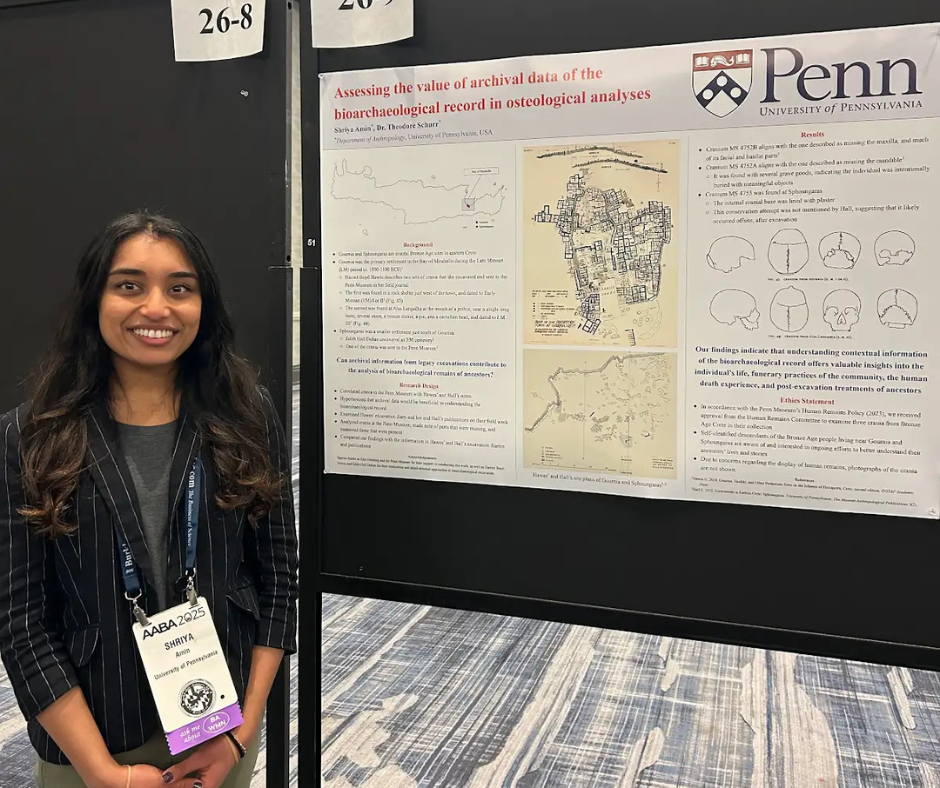
During Shriya’s senior year she participated in virtual directed reading with Drs. Raquel Fleskes and Tad Schurr at the University of Pennsylvania. That same year, construction around the Gaillard Center in downtown Charleston unearthed an 18th century burial ground.
There were 36 enslaved individuals – called the Ansons Street Ancestors – buried there. With permissions from the local Gullah community, Drs. Fleskes and Schurr completed ancient DNA, stable isotope and osteological analyses on these ancestors to learn more about their lives and try to re-identify them as much as possible.
“I had found out about this project and worked out a directed reading project of bioinformatics with Dr. Fleskes. It was kind of my first foray into anthropology, and I really connected with how it focused on the human side of science.”
Shriya always knew she wanted to further her education and attend grad school; she just wasn’t sure where or what she really wanted to study.
“During my junior year, I sat down with Dr. Alison Starr-Moss to see how I could bridge the gap between ancient history and genetics, because I loved them both so much. She suggested I find some papers that connected the two and learn more the authors and see if they would be willing to speak with me.”
After reading Dr. Fleskes paper on the Anson Street Ancestors and participating in the directed reading, Shriya knew this was the path she wanted to pursue.
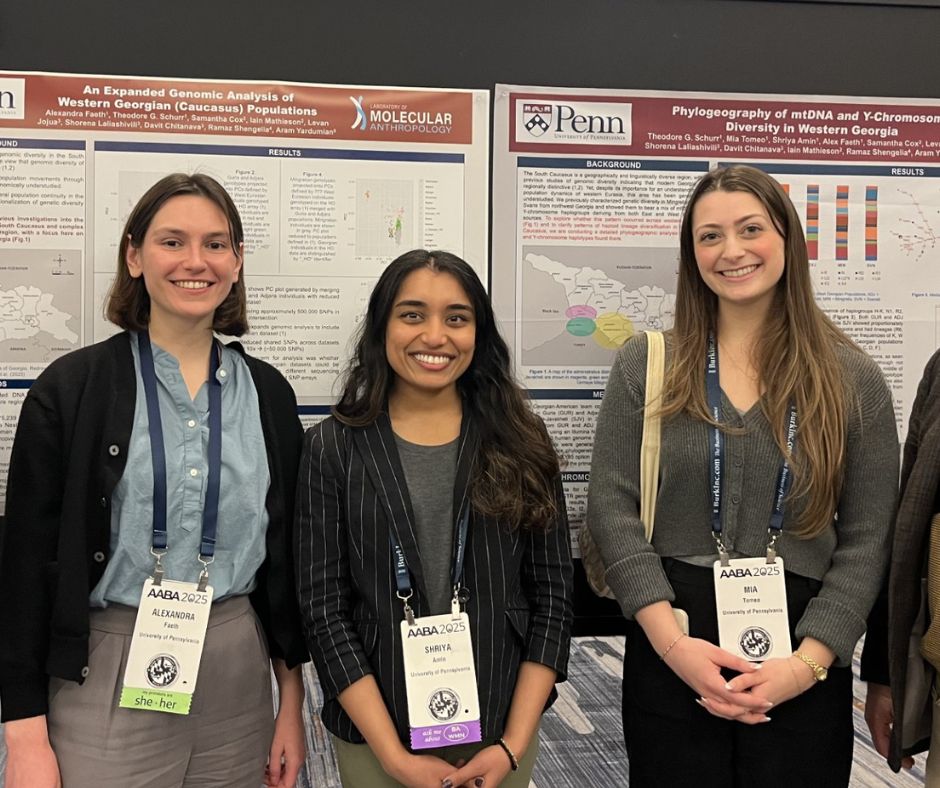
Shriya is currently working towards her Ph.D. in anthropology at the University of Pennsylvania (UPenn). She is in a subdivision of anthropology at the UPenn, which is biological anthropology – genetics.
“It’s similar to human genetics, but takes into further consideration the sociocultural, political and environmental aspects that can shape and affect the human genome and looks at genetics a little more holistically.”
Her dissertation project addresses questions of admixture and diversity: how population- and individual-level movements and migrations from the recent and more ancient pasts affect the genomes of current peoples.
“I’m part of a larger project that is working to characterize genetic diversity in the country of Georgia in the South Caucasus.”
Unsure of what lies ahead after completing her Ph.D. in anthropology, Shriya does know that she will work on making science more available to the population.
“Right now, I think I’d like to work in science publishing and outreach. The pandemic highlighted for me how poor scientific education and literacy is in the U.S., and I want to try to make science more accessible to non-scientists.”
May graduate Britana Myers knew she wanted to study genetics after gaining an interest in high school.
Britana was a part of Clemson Honors College, the College of Science Mentoring and Inclusion Collaborative (COSMIC) Program and was a Student Phonathon Caller for the Clemson Annual Fund.
In addition, Britana performed research in Dr. Michael Sehorn’s, focusing on a project that includes creating a mutation in the human SSB1 protein.
Britana’s advice for undergraduate students is to seek assistance from professors, advisors and peers.
“The best thing I learned in the last four years is that you should always ask for help when you need it. It’s better to be vulnerable and admit when you don’t know something.”
Britana loved spending late nights studying and goofing off with her friends, which she will continue to do as she is pursuing a master’s in genetics with our department starting in the Fall of 2025.