
Stalk lodging, which is the bending, breaking, or falling of corn stalks before harvest, is a major agricultural challenge, causing more than $6 billion in maize yield losses worldwide each year, according to a peer-reviewed study by Clemson researchers and collaborators.
However, G&B’s Rajandeep Sekhon is leading a new, four-year, $6 million National Science Foundation grant that brings together plant geneticists, engineers, statisticians and artificial intelligence researchers from Clemson, the University of Nebraska Medical Center and the University of Idaho to develop corn plants that are less likely to bend or break before harvest. Sekhon will use Clemson’s $2 million share of the award to investigate the genetic and biological factors that influence stalk strength.
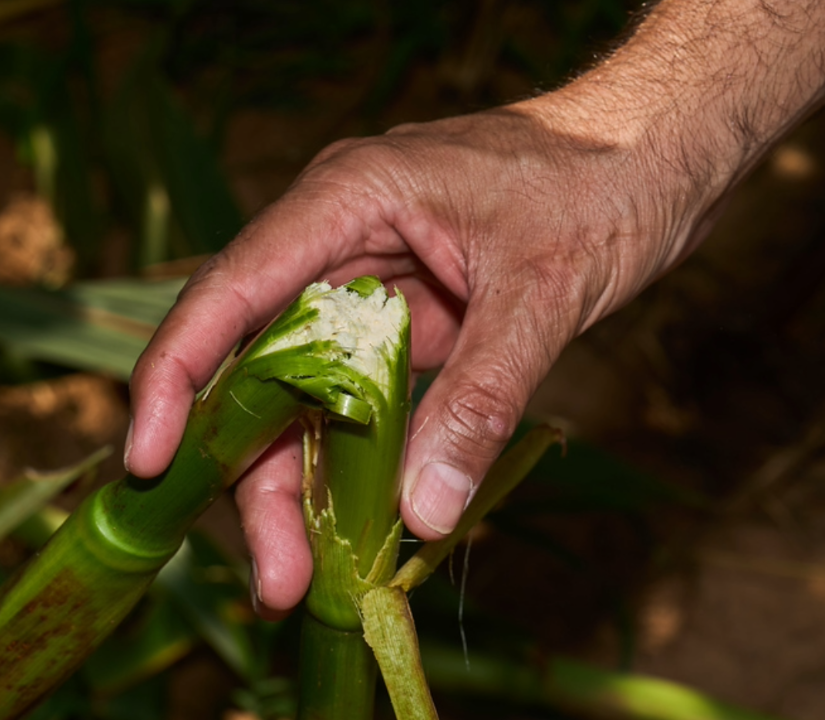
Researchers will grow and study about 1,000 maize inbred lines in South Carolina field trials, comparing plants with strong and weak lodging histories and measuring their stalk strength, stiffness, diameter, rind thickness and cellular characteristics.
“Our goal is to turn the genetic markers and biological insights we identify into practical tools breeders can use to develop stronger, more lodging-resistant corn. Ultimately, that could mean fewer losses in the field, more reliable harvests for farmers and more resilient food production,” Sekhon said.
Read more in the Clemson News article.
