Clemson Extension Upstate District

4-H Cooks for their Community

Haven Blackwell
4-H Youth & Development Agent
Cherokee

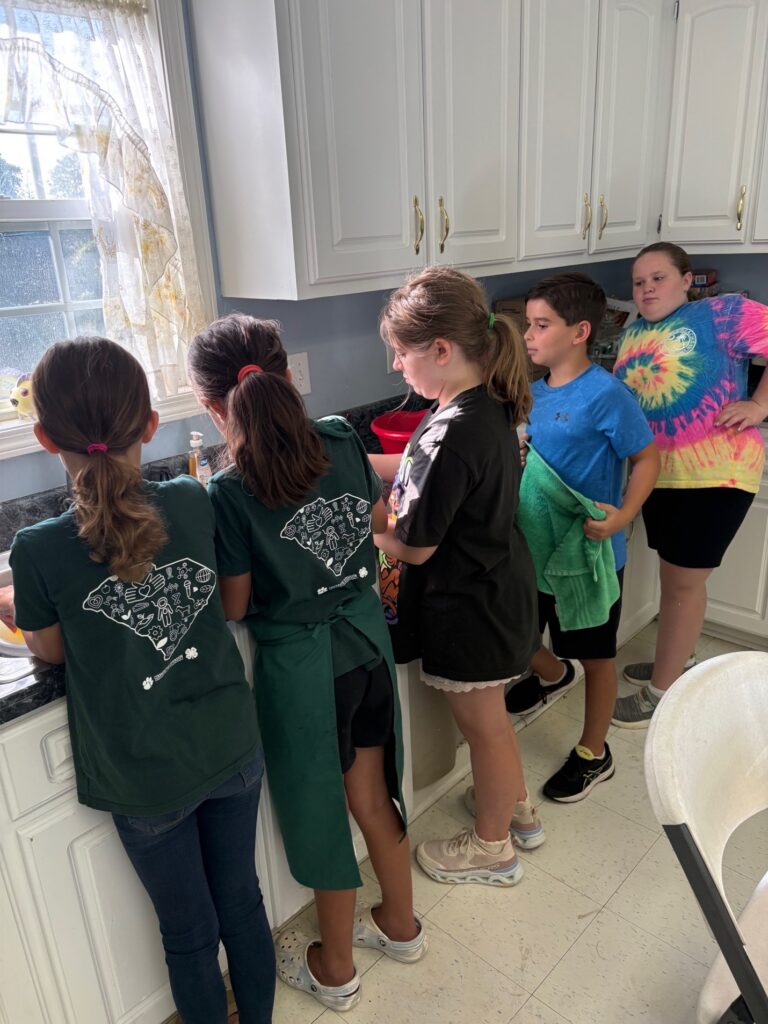
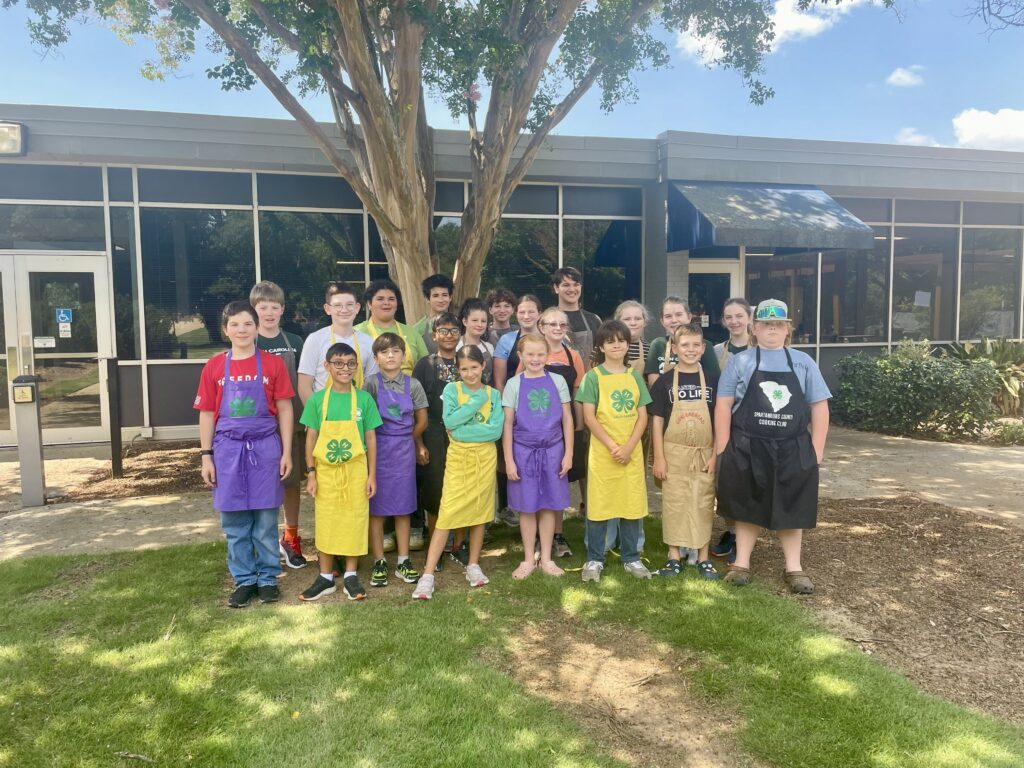
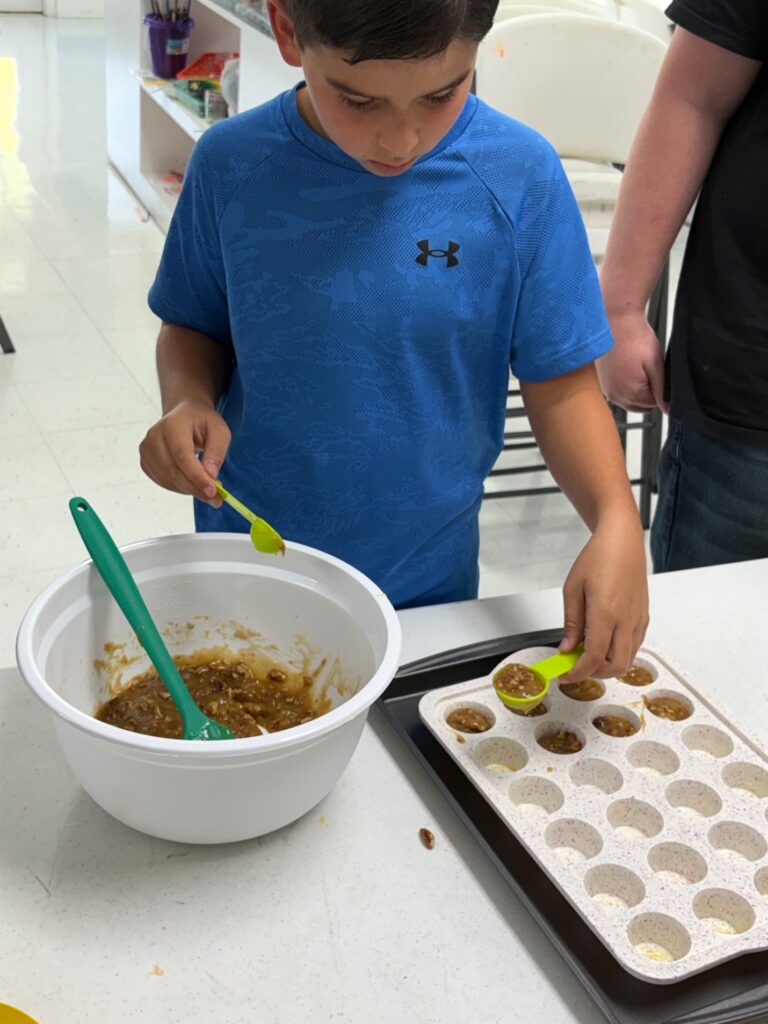
The Cherokee County 4-H Clovers in the Kitchen Cooking Club kicked off the year in September with a fun first meeting. Members rolled up their sleeves, learned how to make Pecan Pie Mini Muffins, and enjoyed spending time together in the kitchen. The tasty recipe was a great way to begin a year of cooking, learning, and trying new things.

The club was also invited to participate in the 2nd Annual Cherokee Flavor Fest, a community-wide celebration held at the Institute of Innovation. Businesses and organizations were invited to set up stations to display and serve their delicious products. Guests could peruse the food tables, visit with local groups, and take part in a silent auction. The event also featured lively entertainment, including singing, line dancing, and clogging.

Clovers in the Kitchen members brought their Pecan Pie Mini Muffins to share with the community. Along with offering a sample of what they had made, members had the opportunity to tell guests about 4-H and the club’s activities. Some members came out for the second night in a row to help share their creation and represent 4-H at the event.

It was a wonderful way for the club to put its new cooking skills to use and connect with the community. Clovers in the Kitchen has started the year strong, and members are looking forward to a great year filled with new recipes, hands-on learning, and opportunities to share what they create.
Liliana Flores, Spartanburg County’s New Face of EFNEP

Liliana Flores, EFNEP Educator

Hi everyone! My name is Liliana Flores, and I’m excited to join Clemson Extension as the new Nutrition Educator for the Expanded Food and Nutrition Education Program (EFNEP) in Spartanburg County. I’m a recent graduate of Clemson University with a degree in Food Science and Human Nutrition, and I am grateful to be in this role because it allows me to use my knowledge to help my community. I’m excited to grow in this role, learn from my community, and build meaningful connections while making a positive difference in the lives of others.

Outside of nutrition, I enjoy a little bit of everything! You can find me playing pickleball, dancing, running, reading, cooking, swimming, or playing with my niece. I wanted to share a recipe I tried recently from a creator on Tik Tok named @itzangiemacias. Not only was the food yummy, but it also included seasonal vegetables! This usually makes it easier to find in stores and bumps the prices down. If you grow your own food, then you just pick it out of your garden! The soup is full of nutrients and fiber which will help with overall health. I hope you love it and make it one of your go-to recipes this fall!

Recipe: Butternut Soup with Chicken Sandwich

Ingredients:

Soup

  • 1 Butternut squash
  • 1 Carrot
  • 1 Medium sweet potato
  • ½ White onion
  • 4 Garlic cloves
  • 2 Roma tomatoes
  • 1 Bell pepper (any color)
  • Salt and pepper
  • Paprika
  • 4-5 Cups vegetable broth (low sodium) or water

Chicken Mozzarella Sandwich

  • Whole grain bread
  • 3-4 oz chicken breast
  • ⅛ cup (≈ 14 g) of mozzarella cheese (low-fat) cheese *or cheese of your choice

Equipment

  • Knife/cutting board
  • Baking sheet
  • Blender
  • Pot
  • Skillet
Directions:

Soup:

  1. Prep the vegetables: Cut all vegetables into medium-sized cubes and spread them evenly onto a sheet pan – recommend leaving the skin on for more nutrients!
  2. Season: Drizzle with black pepper and salt and toss until the vegetables are evenly coated.
  3. Roast: Bake at 400°F for about 40 minutes, or until the vegetables are tender and lightly browned.
  4. Blend: Transfer the roasted vegetables to a blender. Add 4–5 cups of vegetable broth and blend until smooth and creamy.
  5. Heat the soup: Pour the blended soup into a pot and warm over low-medium heat for about 5 minutes, stirring occasionally to ensure everything heats evenly.

Sandwich:

  1. Prepare the chicken: Pat a 3–4 oz chicken breast (about the size of your palm) dry with a paper towel. Season both sides with salt and black pepper.
  2. Heat the skillet: Add 1 tablespoon of oil to a skillet and heat over medium-high heat.
  3. Cook the chicken: Place the chicken breast in the skillet and cook for about 7 minutes per side, or until the internal temperature reaches 165°F.
  4. Let it rest: Remove the chicken from the skillet and allow it to rest for about 5 minutes before adding it to the sandwich.
  5. Build your sandwich: Place 2 slices of whole-wheat bread on a clean surface. Add ⅛ cup of mozzarella cheese to one slice, followed by the cooked chicken breast. Top with the second slice of bread.
  6. Toast: Place the sandwich in a skillet and toast both sides until the bread is golden brown and the cheese is warm and melty.
  7. Serve: Slice in half and enjoy your chicken mozzarella sandwich alongside your warm roasted vegetable soup!

Water Chats, Drought, & El Niño

Heather Nix
Upstate Regional Water Resources Agent
Abbeville, Anderson, Cherokee, Greenville, Greenwood, Laurens, McCormick, Oconee, Pickens, & Spartanburg

Water Chats Webinar Series

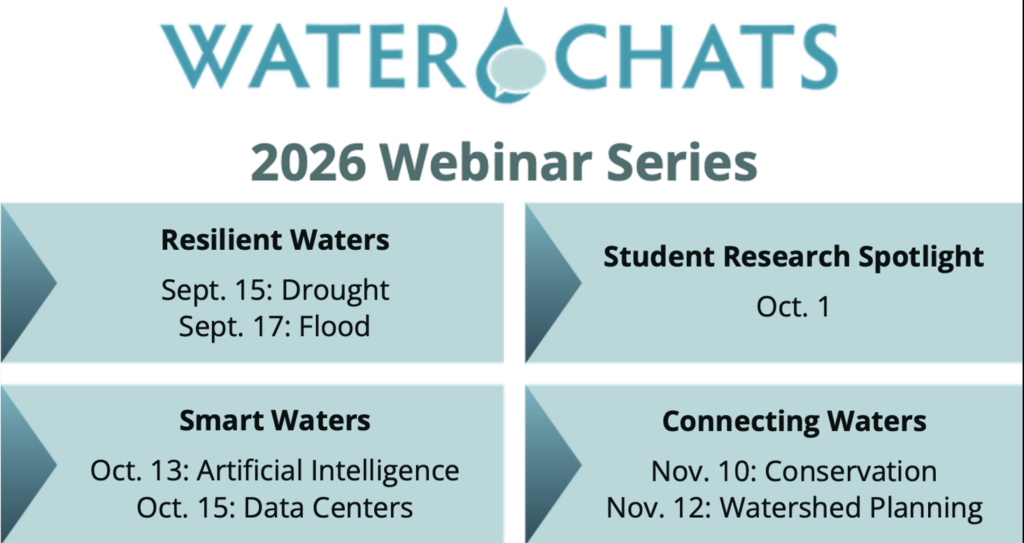
The 2026 Water Chats webinar series is happening this fall! The webinars are free and focus on relevant, timely water related topics. Register in advance for each of the upcoming webinars: Water Chats Webinar Registrations. Upcoming topics include Smart Waters: AI & Data Centers and Connected Waters: Conservation & Watershed Planning.

Water Chats: Webinar Series
Dates

Drought & El Niño

Considering that the past year in SC is the driest September to August in 130 years (since SC started keeping records!), it’s not a surprise that we continue to have low water levels in ponds and reservoirs. The dry weather, accompanied by the prolonged heat has resulted in many people seeing extremely low water levels in ponds. See the recent “Why Are Some Ponds So Low?” blogpost for more information.

While conditions can vary significantly between locations and timing, in the past, strong El Ninos often bring average or above average precipitation to South Carolina over the winter. So hopefully our water supplies will gradually recover this winter. See the State Climatology Office’s El Nino/Southern Oscillation website for more information.

Tomato Variety Demos in Upstate SC

Andy Rollins
Upstate Commercial Horticulture Agent
Cherokee, Greenville, Spartanburg, Union, & York

One advance selection variety that stood out with a slightly higher brix content than other varieties.

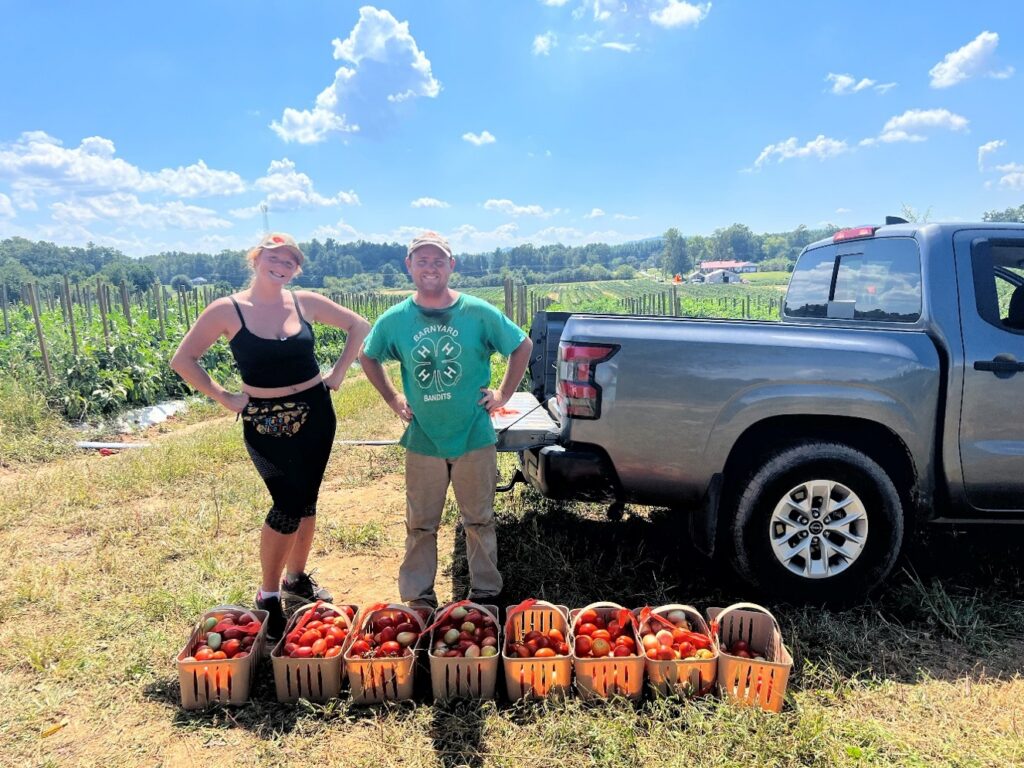
In Upstate SC, I set up four on-farm tomato demonstrations with varieties coming out of Dr. Dilip Panthee’s NCSU tomato breeding program. Wayne Morgan, a research technician in the program, has been instrumental in getting Dr. Panthee’s varieties into growers’ hands for these demonstrations. The first two plantings in York County were unsuccessful.  More than 50% of the plants died within the first two weeks.  The extreme heat under which they were planted is believed to be the cause of their failure.  The second two, planted approximately 4 weeks later in Spartanburg County and Greenville County, have done well.

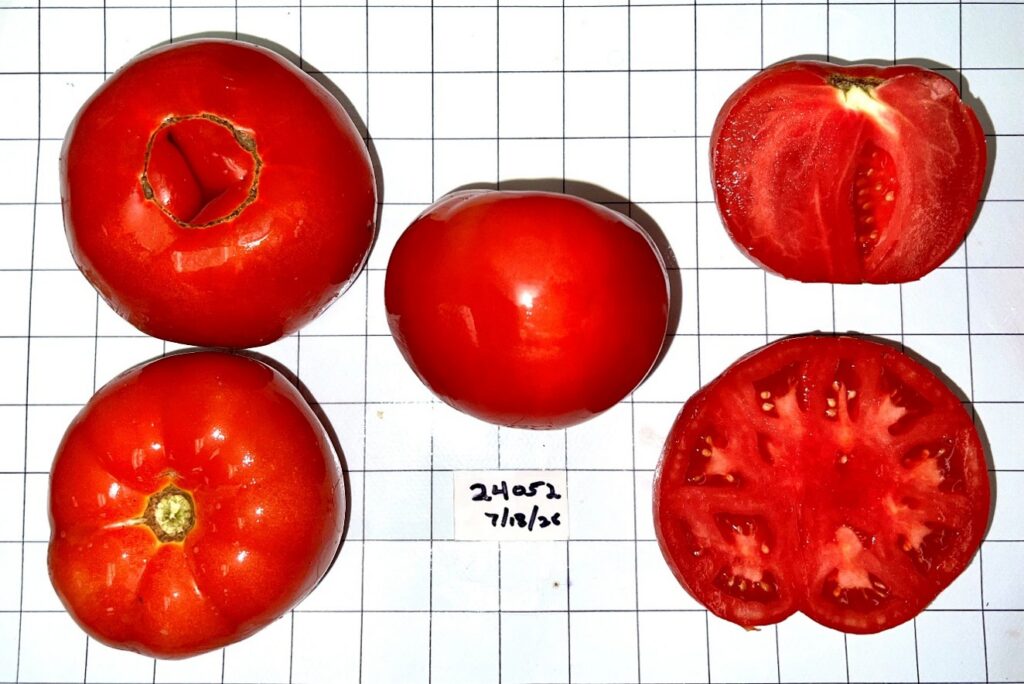
On September 14th, we harvested our first demonstration at the Estrada Farm.  We primarily took yield weights for each variety in the field at that time. We also kept ten representative fruit for further evaluation.  After refrigeration, I took the best 6 of the 10 and measured size, weight, pressure, and sugar content for each.  Then, a representative picture is taken of each variety from multiple angles (top, bottom, and side) and also sliced horizontally and vertically to see internal characteristics.  More extensive evaluations are done at the Mountain Horticultural Research Center in Mills River, NC.

Wayne Morgan and Hope Rollins, my daughter, helped with the harvest.

There are two replications of nine large, fruited varieties and nine plum type varieties on each farm. There are common varieties, such as Mountain Fresh Plus (standard) that are compared to newer varieties, such as Mountain Defender and Mountain Ruby. Crown is a standard plum type we are comparing to other plum types. We are also looking at many advanced selections in both tomato types. Many of the newer varieties have a heat set gene and seem to have less white tissue spread from the stem ends. These varieties have handled this hot summer better than others.  Many of the new varieties also have a deeper red internal color as well as being meatier than older varieties in general.

Moving into early fall, I will continue to harvest and evaluate the rest of the demonstrations we have left.

From Roof to Soil

Nicole Goodman
Urban Horticulture Agent

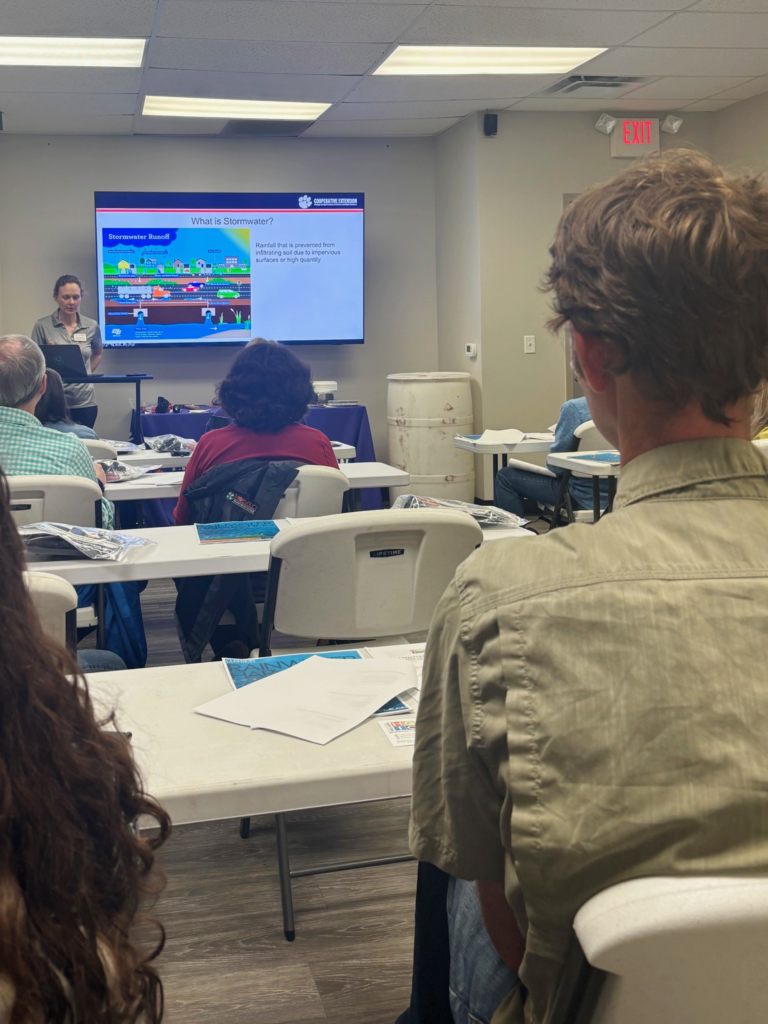
Extension Agent Nicole Goodman is steadily expanding her workshop offerings, including education on stormwater management—an important topic for protecting local water resources.

This year, Nicole offered two “Harvest the Rain” workshops, both of which filled to capacity with 15 attendees each.

Participants explored the legal considerations of rainwater collection nationwide, rainwater chemistry, stormwater management, and how everyday activities—such as washing a car—can affect water quality downstream.

The second half of the workshop focused on practical applications. Attendees learned how to calculate rainwater storage capacity, incorporate landscape features that manage stormwater, safely use collected rainwater in edible landscapes, and build and connect a rain barrel to a roof. Participants also had the option to purchase a rain barrel and installation kit.

“Harvest the Rain” is planned as an annual workshop.

Interested in suggesting a future workshop topic? Complete Nicole’s Qualtrics form to help identify the county’s educational needs: https://clemson.ca1.qualtrics.com/jfe/form/SV_douhccsqDM63odo

Spartanburg 4-H is Growing!

Laura Haddon
4-H Youth & Development Agent

The new 4-H year is off to an exciting start in Spartanburg County! Since the new club year began on September 1, more than 200 youth members and 30 adult volunteers have enrolled in Spartanburg County 4-H. We are excited to see so many young people getting involved, learning new skills, building friendships, and discovering opportunities to be #BeyondReady for their bright futures!

This year, Spartanburg 4-H is offering 16 community clubs covering a wide variety of interests, including sewing, cooking, fishing, livestock, STEM, leadership, and more. In addition, we have 7 in-school and homeschool co-op clubs connecting 4-H opportunities with youth in their schools and homeschool communities.

And we’re not done growing! We are currently working to add 6 additional clubs as volunteers and meeting venues become available. Our goal is to continue creating opportunities for even more Spartanburg County youth to participate in 4-H and find a project or club that sparks their interest.

Help Us Grow!

As Spartanburg 4-H continues to grow, community support is more important than ever. We are looking for:

  • Volunteers who are willing to share their time, talents, and interests with youth
  • Meeting venues where clubs can gather safely and regularly
  • Monetary donations to help provide supplies, activities, and opportunities for our members
  • Product and supply donations to support hands-on 4-H projects and programs

Whether you can volunteer your time, provide a place for youth to meet, donate supplies, or make a financial contribution, there are many ways to help Spartanburg 4-H grow!

If you have questions about joining 4-H, becoming a volunteer, starting or supporting a club, or making a monetary, product, or venue donation, please reach out to Spartanburg County 4-H Agent, Laura Haddon. I would love to connect with you and explore how you can be part of helping the next generation learn, lead, and grow through 4-H!

Recreational Pond Management

With over 50,000 ponds across South Carolina, proper management of these systems is always an important topic!

In March, we welcomed 29 pond owners from across the Midlands to the Recreational Pond Management Workshop, hosted in Lexington County. Participants learned about aquatic weed control, plant identification, fisheries management, and available Clemson resources. Workshop feedback indicated a 100% increase in both knowledge gained and participants’ likelihood of using the information presented. The success of this workshop gave pond owners new confidence and practical tips for managing their ponds.

Recreational Pond Management Workshop

Feedback from the workshop also indicated that attendees would like to learn more about wildlife management, including the control of beavers, muskrats, and turtles. While still in the planning stage, be on the lookout for Nuisance Wildlife in Private Ponds Workshop, tentatively planned for November in the Midlands region!

For pond or water-related questions, please contact Charly Greenthaler at charleym@clemson.edu or (803) 520-1679.

Midlands STEM 4-H Club Grows, Harvests, and Learns

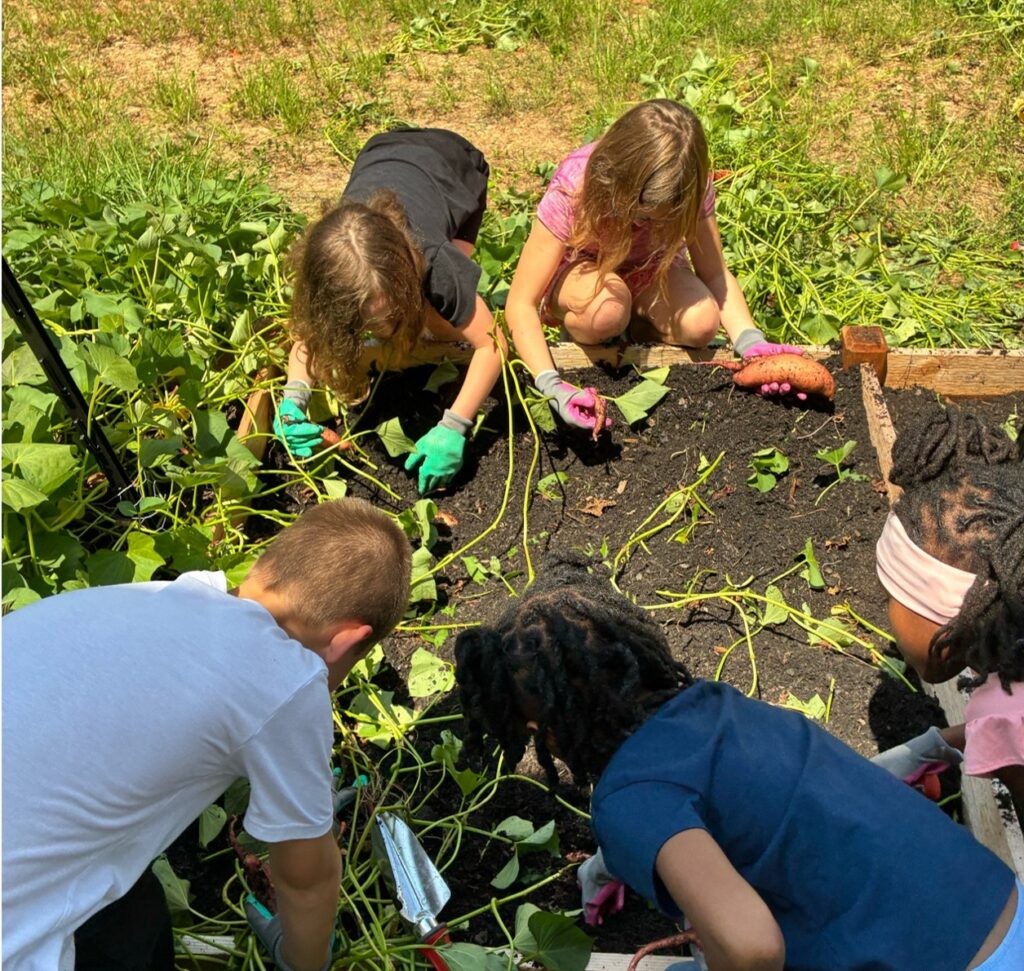
Members of Midlands STEM 4-H Club have been busy learning about gardening, stewardship, and healthy living through hands-on activities in their school garden. Club members had the chance to harvest their sweet potatoes, which were planted at the end of last school year. The sweet potatoes were a great success, and members even had the opportunity to learn how to prepare a healthy sweet potato snack.

MSCS 4-H Club members then prepped their garden beds and planted their next round of crops, including green beans and squash.

Midlands STEM 4-H Club
Midlands STEM 4-H Club members harvesting sweet potatoes in their school garden.

These activities helped youth develop practical skills not only in gardening and nutrition, but also in teamwork and meal preparation. The school garden provides a continuous lesson on where food comes from and encourages healthy living.

Fairfield County 4-H Youth Development Agent, Chloe Margeson | cmarges@clemson.edu

Discover 4-H During the New 4-H Year

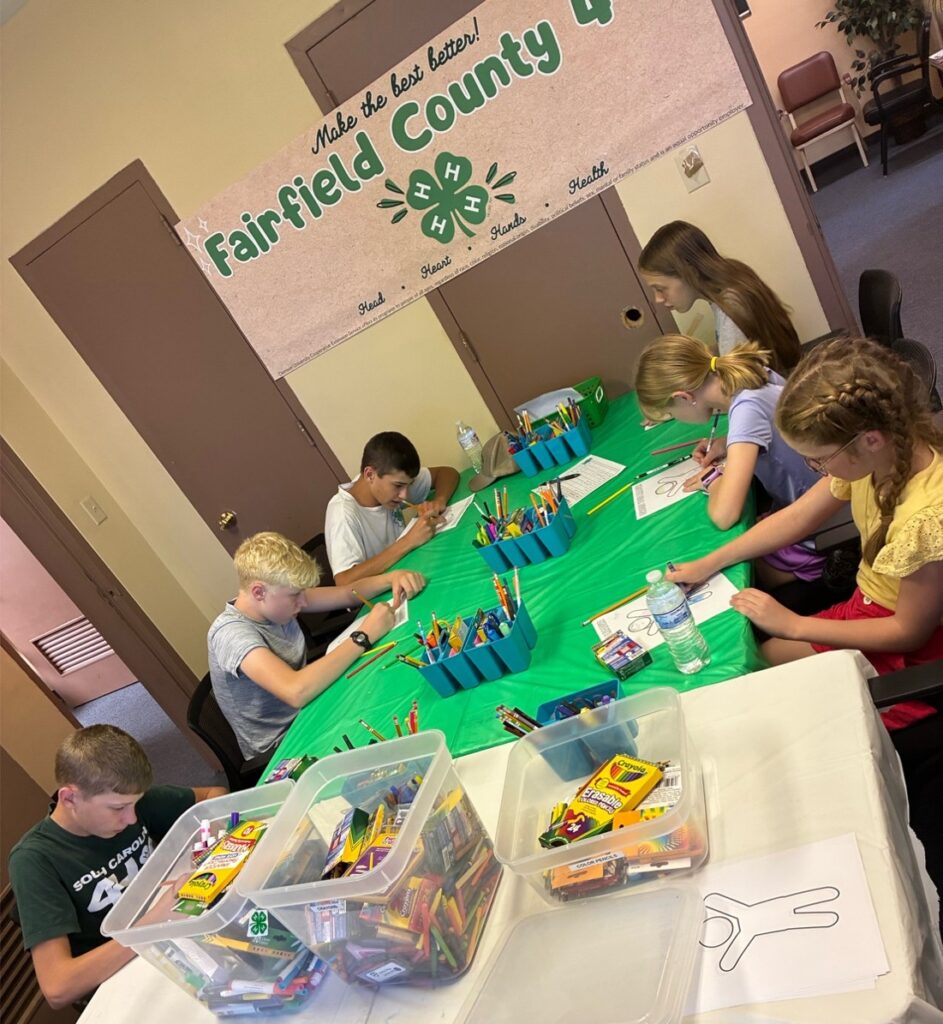
The new 4-H year has officially arrived, with enrollment underway, offering youth ages 5-18 across the county opportunities to learn new skills, make friends and build confidence through fun, hands-on, engaging activities.

Clubs for the new 4-H year explore every 4-H program area, including STEM, agriculture, animals, leadership and more. Other events and programs throughout the year encourage youth to explore 4-H outside of their club experiences.

New 4-H Membership Year
Fairfield County 4-H Teen Council members participate in a hands-on leadership development activity designed to help them identify strong leadership qualities.

To learn more about joining 4-H, finding or starting a club, or becoming a 4-H volunteer, contact Fairfield County 4-H Youth Development Agent, Chloe Margeson at cmarges@clemson.edu.

Two-Spotted Cotton Leafhopper

Keeping an eye on The South Carolina Grower blog, written by Clemson Extension food crop agents, provides timely suggestions for pest and disease management and potential issues being seen in the state. In addition, the resources tab provides up-to-date information on meetings of interest around the state with the opportunity to earn private applicator CEUs.

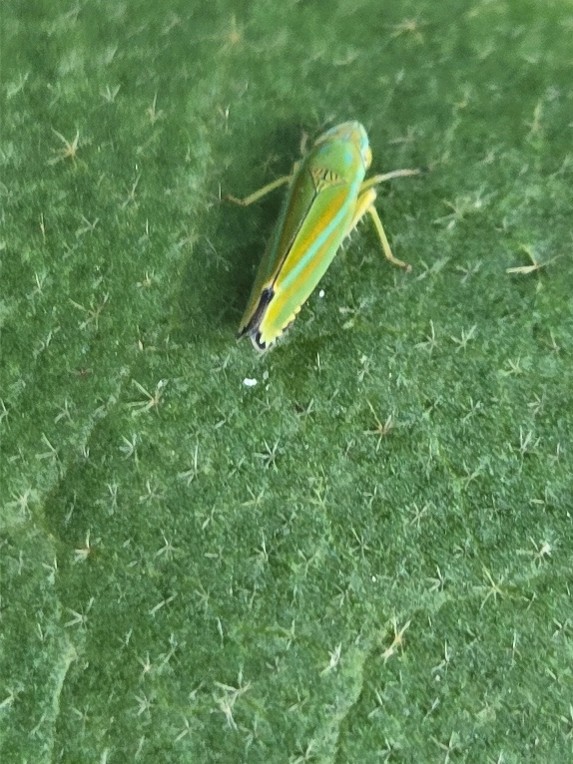
Leafhopper found on an eggplant leaf.
Two-spotted cotton leafhopper.

The two-spotted cotton leafhopper was observed again in August, initially in Charleston. The pest does not appear to be overwintering in South Carolina at present. The favored hosts are in the mallow family, including cotton, hibiscus and okra. In addition, it is known to be found on sunflowers and eggplant. If you find the insect, please report it to Extension. The adults are visible to the naked eye, but using a phone camera provides magnification, bringing the spots into clearer focus.

For more information, contact Commercial Horticulture Agent 
Rob Last 
at rlast@clemson.edu or (803) 359-8515.