By: Camilla Herndon, Rural Health and Nutrition Agent
According to a 2024 South Carolina Department of Public Health Report, 20.3% of South Carolina adults eat less than one serving of vegetables per day. In addition, approximately 6 in 10 adults in South Carolina have a chronic disease, such as heart disease, cancer, or diabetes. Substantial evidence affirms that diets rich in fruit and vegetables reduce the risk of chronic diseases. Furthermore, research suggests that gardening improves fruit and vegetable consumption by increasing access to fresh produce and fostering positive attitudes for eating fruits and vegetables.

In an effort to address nutrition through gardening, Greenville County Clemson Extension hosted three Growing Health classes during the spring, summer, and fall growing seasons in 2025. The Growing Health program, jointly facilitated by the county Horticulture Agent and Rural Health Agent, provided gardening and nutrition education to beginner gardeners at no cost. Each class focused on one of three vegetables: tomatoes, leafy greens, and broccoli. During the class, participants learned about the vegetable’s planting dates, fertilization practices, pest and disease management, how to harvest the vegetable, and recipes for cooking with the vegetable.
Participants left the class with a booklet on the vegetable, a 5-gallon grow bag, seedlings or transplants of the vegetable, and a kitchen measuring cup to aid their gardening and nutrition efforts at home.
Harvard School of Public Health’s Healthy Eating Plate visually communicates evidence-based nutrition information. To create healthy, balanced meals at home, consider using the plate method:
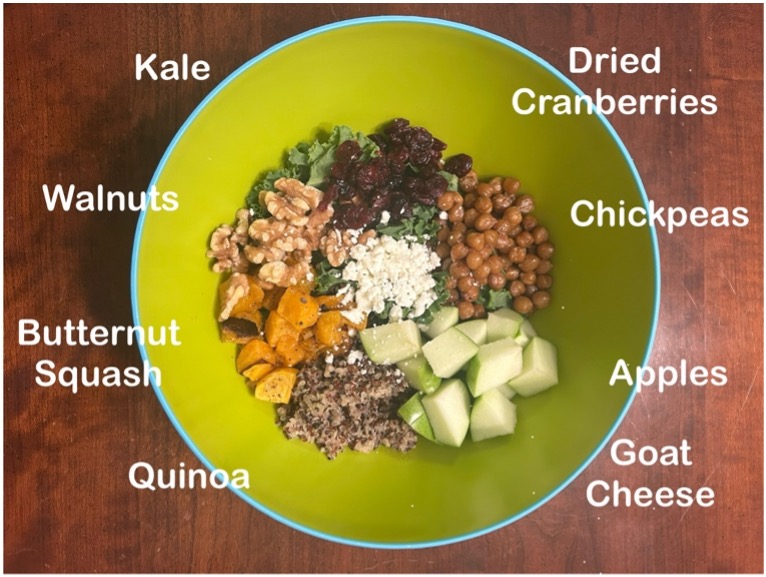
- Fill ½ of your plate with colorful vegetables and fruits: leafy greens, bell peppers, broccoli, asparagus, berries, apples, peaches
- Fill ¼ of your plate with whole grains: brown rice, quinoa, oats, whole wheat pasta or bread
- Fill ¼ of your plate with lean proteins: fish, poultry, chickpeas, or beans
- Use oils in moderation: vegetable oil, olive oil, canola oil, and others
- Drink water and avoid sugary beverages
If you’d like to participate in the 2026 Growing Health classes, sign up on Eventbrite here.
