Clemson Extension Upstate District

On-Demand to On-Site: A Year of Pesticide Education That Works

By: Andrew Jeffers, Greenville County Horticulture Agent

Over the past year, Horticulture Agent Drew Jeffers’ pesticide education and safety work has centered on three simple goals: equip professionals to make compliant, effective decisions; give homeowners clear, confidence-building guidance; and keep practical training available whenever people have time to learn. That meant building durable on-demand options while continuing live, credit-bearing programs that meet people where they are.

On the asynchronous side, he expanded two self-paced courses that anchor our outreach: Commercial Pesticide Applicator: Core & Category 3 (Ornamental & Turf) and Pesticide Safety for Homeowners. As of August 31, 2025, 13 learners had enrolled in the Core/Category 3 course and 15 in the homeowner course, using modules on reading the label, PPE, application timing, and recordkeeping to translate regulation into day-to-day practice.

Live programs rounded out that foundation, offering recertification webinars that moved from diagnosis to action—like Managing Diseases in Ornamental Landscapes (November 13, 2024; 45 attendees) and Professional Pest Scouting Programs: Using Consumer IPM Knowledge for Pest Management Decisions (February 26, 2025; 31 attendees)—each designed to reduce misuse, align products with label language, and slow resistance through better timing and selection.

To maintain a clear pathway into legal, safe use for growers, we hosted Initial Private Applicator Training & Exam twice at the county office (June 7 and November 8, 2024; five participants each). Beyond test prep, these sessions emphasize storage, mixing and loading, spill response, and documentation—habits that protect people and places.

For homeowners, he ran a three-part Ornamental Pest Management series in spring of 2025 that kept IPM front-and-center: Insects (March 5, 2025; 48 attendees), Diseases (April 2, 2025; 21), and Weeds (April 30, 2025; 33). Each webinar walked through correct identification, non-chemical tactics, and, when necessary, how to choose and apply a pesticide responsibly—always by the label.

He also took these messages to where professionals gather. At the 7th Annual IPM Symposium (October 10, 2024; 87 attendees), we explored how consumer IPM knowledge can sharpen scouting and treatment decisions, and at the Urban Tree Health Workshop (June 13, 2024; 85 attendees), we connected diagnosis, calibration, and risk reduction for crews working at scale. At Cultivate 2024 (July 14, 2024; 168 attendees), our session on Pesticide Label Interpretations used real labels to build fluency in the parts that most often trip up compliance.

Finally, he compared how different Extension systems coach the public by sharing Navigating Differences on Pesticide Recommendations for Consumers with Master Gardener audiences in Florida (February 14, 2025; 21 attendees) and Ohio (December 10, 2025; 38), clarifying a common theme: start with identification, select the least-risk option that can realistically work, follow the label, and document the result.

Threaded through everything is the same approach—teach people to slow down, diagnose first, and let the label lead. By combining flexible, self-paced learning with targeted live sessions and field-tested examples, we’re helping professionals and homeowners make safer, more effective decisions that protect their families, clients, and landscapes.

Residential Well Water: Quick Checklist for Flood Recovery

By: Heather Nix, Water Resource Agent

Picture shows Hurricane Helene flooding damage
Figure 1. Flooding in downtown Greenville following Hurricane Helene. Credit: Andrew Whitaker, Post & Courier.

As we approach the one-year anniversary of Hurricane Helene, many of us are reflecting on – or still recovering from – the damage it caused. One lesson is the importance of being prepared before the next storm arrives.

If your home relies on a private well for drinking water, it’s especially important to know how to disinfect your well after flooding. Floodwater can contaminate private wells with bacteria, sewage, fuel, and other pollutants. If this happens, shock chlorination is the standard way to disinfect it to remove the bacteria. If your well is contaminated with fuel or other pollutants, this method will not be effective. 

Supplies needed:

  • Regular, unscented bleach (5-6% sodium hypochlorite) – about 1 gallon
    (Do NOT use: scented, no- or low-splash, or color-safe bleach)
  • Waterproof gloves, eye protection
  • Small funnel or 5-gallon bucket (optional)
  • Tools to open well (if needed)

The Shock Chlorination Process

Below is a simplified overview of the steps. For detailed instructions, see these helpful resources:

STEP 1: CONFIRM ELECTRICITY IS OFF

  1. Confirm electrical wiring to well has not been damaged and is turned off.
  2. If wiring is damaged, do not proceed until it has been repaired and is safe to operate.

STEP 2: INSPECT THE WELL

  1. Inspect well for damage (examples: cracked casing, missing cap, broken seal)
  2. Inspect well and surrounding area for ongoing contamination (ex: sewer line break, dirty stormwater, oil/gas leaks)
  3. The well must be repaired, with no active contamination, for disinfection to provide lasting results.

STEP 3: RUN WATER UNTIL CLEAR

  1. Turn power on to well. Use caution!
  2. If well is intact and there is no active contamination > run water from outside spigots until it appears clear.
  3. Disinfection methods are less effective if water is not clear.

NOTE: If needed, collect water now for use during waiting period.

STEP 4: ADD BLEACH

  1. Open well access (ex: plug, air vent, or lift entire well cover)
  2. Pour bleach into the well casing. A funnel may help to direct bleach into the well.
  3. See Disinfecting Your Water Well (https://dnr.mo.gov/document-search/disinfecting-your-water-well-pub2733/pub2733 ) for instructions on calculating the correct amount of bleach for your well. If you cannot perform the calculations, one (1) gallon bleach is usually (more than) enough per residential well. 

STEP 5: CIRCULATE CHLORINE

  1. Run water from outside hose into the well casing until you smell chlorine coming from the hose. Turn off outside hose.
  2. Turn on all water faucets, inside and outside, until you smell chlorine at each. Then turn off all faucets.

STEP 6: WAIT

  1. Do not use any water during the waiting period. Chlorine requires contact to disinfect.
  2. Wait 8-18 hours before turning faucets back on. The high chlorine level will help disinfect the pipes but can be corrosive if left too long (24 hours maximum). *Use caution while any chlorine smell is present – bleach can burn eyes and irritate skin.

STEP 7: FLUSH THE SYSTEM

  1. After the waiting period, turn on outside spigot and run water into an area where it will minimize damage (away from septic tanks, streams, etc.). This water contains high levels of chlorine and is not safe for human consumption or contact. The water may be used for cleaning (reminder – bleach may damage fabrics, clothes, etc.).
  2. Run water until you no longer smell chlorine odor. Turn the water off.
  3. Run water from inside faucets until you no longer smell chlorine odor. Turn the water off.

NOTE: The water should now be disinfected.

STEP 8: TEST THE WATER

  1. After 3-7 days, the chlorine smell should be completely gone, and the well water should be tested for bacteria.
  2. If available, have water tested professionally.
  3. Otherwise, use DIY test kit to indicate presence of bacteria.

For additional resources on well care and water testing, try Clemson Extension’s Be Well Informed online class. It’s free and available anytime. (https://www.clemson.edu/extension/water/programs/be-well-informed.html )

Preparing now helps ensure that you’ll be ready to keep your drinking water safe if the next storm impacts your private residential well.

Advancements in Peach Thinning and Soil Fumigation Techniques

Andy Rollins
Commercial Horticulture Agent
Spartanburg County

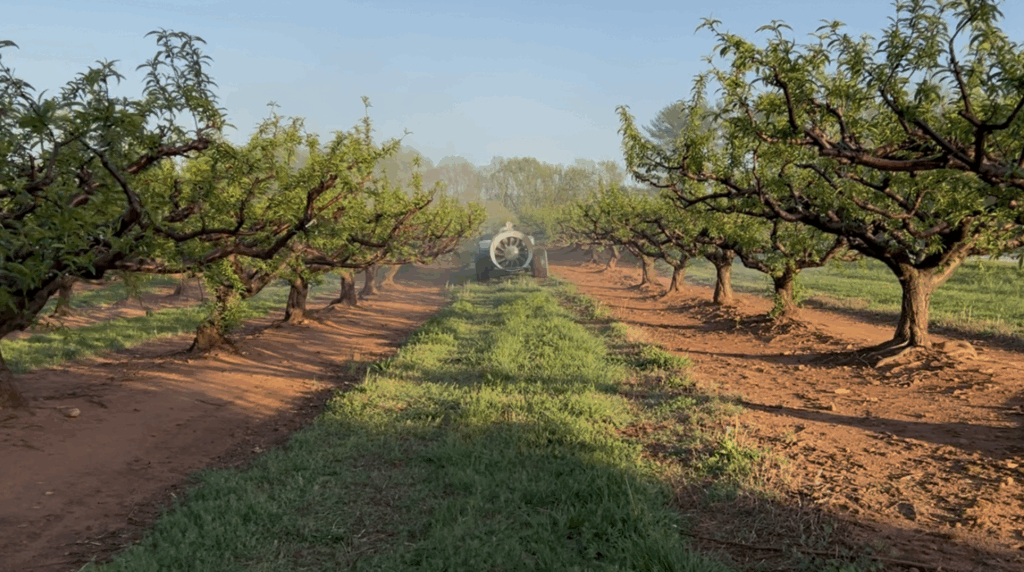
Andy Rollins has made significant progress in chemically thinning peaches using ethylene. Ethylene is a naturally occurring gas that increases as many fruits ripen. A common example of its use is placing a ripe banana peel in a paper bag with an unripe tomato, which helps accelerate the tomato’s ripening process.

In commercial peach production, thinning is typically done by hand after the risk of the last frost has passed—generally around April 15th, although this can vary. However, the rapidly rising cost of legal H2A labor, combined with widespread inflation across other farm inputs, has severely eroded profit margins. Many farms are now uncertain whether they can remain operational even for another year.

Rollins has applied ethylene in liquid form to young peach flowers and fruit, which causes the trees to naturally abort a portion of the developing fruit. This spring, he was able to thin 50–60% of the fruit from multiple peach varieties at a cost of just $1.67 per acre (approximately 150 trees), excluding labor for application. In contrast, traditional hand thinning can cost $8–10 per tree. While he encountered some challenges thinning certain varieties, he plans to continue refining the process next year, believing it to be a critical step forward for the future of peach production.

In addition to his work with ethylene, Rollins is also exploring the use of a new biological fumigant applied through an innovative method. Fumigants are essential in commercial agriculture to combat soil-borne diseases, weeds, and pests that can severely damage crops. These substances are highly dangerous, but by using inline injection through irrigation drip tape, exposure to harmful gases is reduced and the fumigant remains concentrated in the soil, where it can effectively target plant pathogens and pests.

This method has gained popularity since Rollins began working with it. He is scheduled to demonstrate the technique at the NC Strawberry Growers Association meeting on November 11, 2025. During the demonstration, he will use blue dye through the irrigation system to simulate the fumigant, highlighting the importance of saturating the entire root zone to ensure maximum efficacy.

Further educational meetings on these practices are currently being planned for early next year.

Growing Community Impact

Nicole Goodman
Horticulture Agent
Spartanburg County

Nicole Goodman has fully stepped into her role as the Urban Horticulture Agent in our county. In addition to offering regular workshops on gardening topics (announced through our Facebook Page) and assisting residents daily, Nicole is dedicated to fostering broader community impact through the work of the local Master Gardener Volunteers.

One project particularly close to her heart is the Teaching Garden at St. Luke’s Free Medical Clinic in Downtown Spartanburg. This initiative is designed to educate the community on growing nutritious food, practicing safe food handling, and promoting both mental and physical well-being.

Through collaboration with the clinic’s dietitian, JuliSu, and director Ms. Smith, the garden has become a thriving partnership. Monthly volunteer workdays continue to transform the property into a fully functioning edible and teaching garden.

Project Highlight
This season’s major milestone has been the beginning of terracing the steep east hillside of the property. Thanks to the enthusiasm of this year’s Master Gardener Volunteer students, the project is progressing smoothly. Volunteers—both experienced gardeners and community members new to the field—are not only learning about plants, but also about safe building practices that turn unusable slopes into productive spaces.

While tremendous progress has been made, the garden still requires the removal of several large trees to improve sunlight access and support the continued success of edible plantings.
For ongoing updates, follow the Teaching Garden’s Facebook page: Teaching Garden of St. Luke’s Free Medical Clinic (green logo with three hands).

Meet Margaret Estridge: The New Rural Health Agent in Spartanburg County

Margaret Estridge
Rural Health & Nutrition Agent
Cherokee, Spartanburg, & Union Counties

Margaret Estridge the new Rural Health Agent in Spartanburg County.

Hello! My name is Margaret Estridge and I am excited to be able to work with the Spartanburg, Union and Cherokee communities as a Rural Health & Nutrition agent.  As a Clemson graduate, I am thrilled to return after working in health education and coaching in both health systems and corporate wellness. My passion lies in empowering individuals and communities to take charge of their health through nutrition and prevention.  When not working, I love to hike and ride my bike so I hope to see you out on the trails of this beautiful region!

Fairfield County 4-H Celebrates a Year of Growth at Annual Awards Night

4-H Awards Night
4-H Awards Night

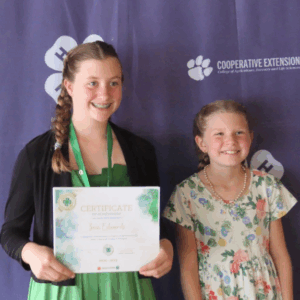
On Thursday, August 14, 2025, Fairfield County 4-H hosted its annual Awards Night, an evening filled with celebration, recognition, and community spirit. The event marked the official end to the 2024–2025 4-H year and gave members, families, and volunteers a chance to reflect on the successes of the past year while looking forward to the future.

4-H Awards Night

In addition to celebrating new members, the evening honored youth who have demonstrated dedication, leadership, and achievement in various 4-H projects and activities. Volunteers, whose tireless support makes the program possible, were also thanked for their invaluable contributions.

This year’s Awards Night highlighted the remarkable growth of Fairfield County 4-H. More than 53 first-year members were recognized on stage, a clear reflection of the momentum and excitement surrounding the program. Each new member received a warm welcome and a special recognition item to mark their beginning in 4-H.

The evening wasn’t all formalities—members, families, and friends also enjoyed time together, sharing stories, smiles, and laughter. The celebration captured the heart of 4-H: learning, growing, and thriving together.

4-H Awards Night
4-H Awards Night

As Fairfield County 4-H steps into the 2025–2026 year, the excitement from Awards Night has set the tone for what promises to be another year of growth, discovery, and success.

Martina Wicker, 4-H Youth Development Agent: mewick@clemson.edu | 864-985-2904

Midlands STEM 4-H Club Opens New Pollinator Garden

Midlands STEM Pollinator Garden
Pollinator Garden

The Midlands STEM 4-H Club is buzzing with excitement as they celebrate the opening of their brand-new Pollinator Garden, a hands-on project designed to support local ecosystems while giving youth a chance to learn, grow, and make a lasting impact in their community.

The garden, created and maintained by club members, is filled with pollinator-friendly plants chosen to attract bees, butterflies, and other beneficial insects. Through this project, 4-H youth are gaining firsthand experience in environmental stewardship, science, and sustainable gardening practices—all while creating a welcoming space for pollinators that play a critical role in food production and biodiversity.

As part of their preparation, club members visited Riverbanks Zoo and Garden, where they learned about the importance of garden design and plant selection from the horticulture staff. They then applied what they learned to design and plant their own space, making the garden both a learning laboratory and a meaningful contribution to the community.

Midlands STEM Pollinator Garden

The school community came together, joined by members of the wider community, to celebrate the official opening of the garden. As part of the festivities, students released butterflies that had been raised in classrooms participating in the Fairfield 4-H Embryology Program, symbolizing growth, transformation, and the positive impact of youth-led projects.

The Pollinator Garden will serve as an outdoor classroom for the club, providing opportunities for lessons in biology, ecology, and agriculture. It also stands as a symbol of the club’s commitment to community involvement, as the space will be open for others to visit and enjoy.

The Midlands STEM 4-H Club thanks all volunteers, families, and community partners who supported the development of the garden. With their help, this project has truly taken root, and the club looks forward to watching both the garden—and its young leaders—continue to flourish.

Martina Wicker, 4-H Youth Development Agent: mewick@clemson.edu | 864.985.2904

Fairfield County 4-H Establishes Teen Council

Fairfield County 4-H is proud to announce the establishment of its very first Teen Council, marking a monumental moment in the program’s growth and development. This exciting new leadership opportunity gives teens a voice in shaping the direction of 4-H, while also building their skills in teamwork, organization, and service.

The newly formed Teen Council has already hit the ground running. Members have elected officers, begun planning future activities, and played a key role in helping plan and implement the recent 4-H Awards Night on August 14. Their involvement added fresh energy and creativity to the event, demonstrating the important role youth leadership can play in the success of the program.

4-H Teen Council
4-H Teen Council

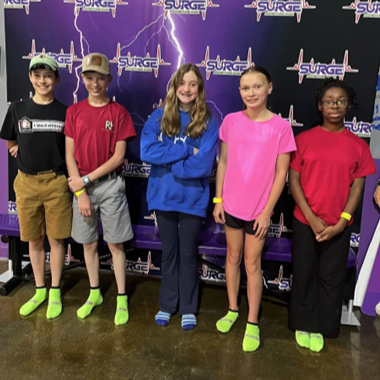
In addition to their leadership responsibilities, the Teen Council has also enjoyed several outings together, strengthening friendships and building the kind of teamwork that will serve them well as they continue their work. They also helped design the brand-new Fairfield County 4-H T-shirt, giving them the chance to contribute in a lasting and creative way.

Looking ahead, the Teen Council will continue to help shape the Fairfield County 4-H program throughout the upcoming year, ensuring that youth voices remain at the center of planning, activities, and growth.

Martina Wicker, 4-H Youth Development Agent: mewick@clemson.edu | 864.985.2904

Fairfield 4-H Celebrates a Successful Summer of Growth and Opportunity

4-H Tour

Fairfield County 4-H is celebrating a summer filled with learning, leadership, and lasting memories. From hands-on projects to leadership conferences, local youth had the chance to experience the very best of what 4-H has to offer.

The season kicked off with the Midlands STEM 4-H Club’s Grand Opening of their Pollinator Garden, a youth-led project designed to support local ecosystems and serve as an outdoor learning space for years to come. Shortly after, members participated in Forged in 4-H, a unique blacksmithing class where youth learned traditional metalworking skills while exploring creativity and craftsmanship.

Forged in 4-H
Forged in 4-H

In June, Fairfield 4-H members had the special opportunity to tour the South Carolina Governor’s Mansion, gaining a closer look at state history and leadership.  Youth also explored their artistic side through Gallop Into Art, a program that combined creative expression with agricultural themes, allowing members to experiment with different art forms while celebrating their connection to the land and horses. At the end of the month, members attended STEM Camp and competed in activities such as Paper Rocketry, The Egg Drop Challenge, and Zipline Racers.

4-H Camp
4-H Contest

Later in the summer, members participated in Reel & Range Camp, where they practiced outdoor skills in fishing, shooting sports, and wildlife education. Leadership development was another highlight, with two Fairfield County 4-H members attending South Carolina 4-H Congress at Clemson University. This statewide gathering gave participants the chance to connect with peers, grow as leaders, and represent Fairfield County on a bigger stage.

The summer concluded with the highly anticipated Fairfield County 4-H Awards Night on August 14. This special evening celebrated the accomplishments of youth and volunteers, while also highlighting the program’s tremendous growth—including the recognition of over 53 first-year members.

4-H Summer
4-H Summer

From start to finish, the summer of 2025 showcased the impact of 4-H in Fairfield County: building skills, creating memories, and growing leaders for tomorrow. With momentum from such a successful season, Fairfield County 4-H looks forward to an even stronger year ahead.

Martina Wicker, 4-H Youth Development Agent: mewick@clemson.edu | 864.985.2904

Heifer Selection Program: Using Genetic Test Results for Heifer Selection in Commercial Cattle Herds

Heifer Selection Program
Horned M Ranch, 4874 Patrick Road, White Oak, SC

October 16, 2025, 5:30 – 7:00 PM

Join us at Horned M Ranch in White Oak and learn how to incorporate genetic test results into your replacement heifer selection.

 Mr. Jim Johnson with Zoetis will review the INHERIT genetic test and how to use the information to select replacement heifers. Tested heifers will be on site, and you will get to see how your traditional replacement methods match with the genetic test results.

Agenda:

  • Live animal selection – Participants will pick which heifer they would select as replacements
  • Traditional, phenotype-based selection of replacement heifers by Mr. Brian Beer, Area Livestock & Forages Extension Agent, Clemson Extension.
  • Meal
  • Using Zoetis INHERIT genetic testing to aid in selecting superior replacement heifers by Mr. Jim Johnson, Zoetis
  • Heifer selection with genetic test results – Participants will review their selected replacement heifers and see how their picks compare to the genetic test results.

This event is free thanks to our sponsors, Carolinas Animal Health, CPC Feeds, and Zoetis. Registration is required using Eventbrite.

Click Here to Register

Contact Brian Beer, Area Livestock and Forages Extension Agent. Email: bbeer@clemson.edu. Phone or text: 803-320-9360.