Many landowners are looking for cost-effective practices to improve wildlife habitat on their properties. Fall and winter disking is an often-overlooked practice that stimulates germination of a wide variety of dormant seeds in the soil seed bank. If conducted at the right time of year, this practice can promote an abundance of natural forage (forbs and legumes) and cover that benefit many game and non-game species. Broadleaf plants attract insects (caterpillars, grasshoppers, beetles, etc.) which provide critical nutrients including energy, protein and amino acids needed by quail chicks and wild turkey poults in the spring. When done correctly, fall and winter disking can increase plant diversity, improve nesting and brood-rearing cover, and create bare ground to improve brood access and foraging for species such as quail and wild turkeys.
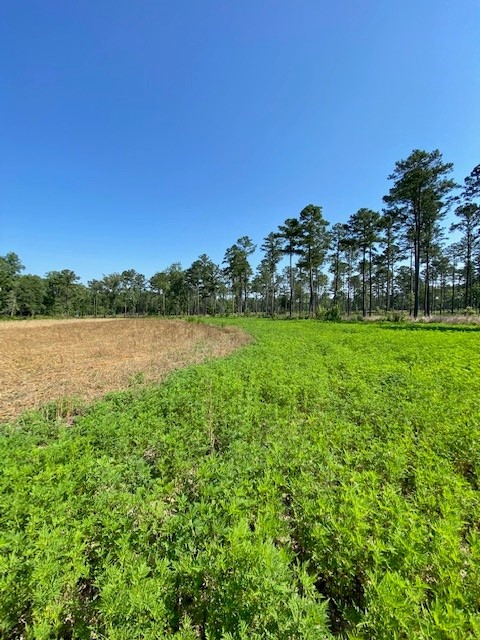
Choosing the right location – idle or fallow fields, utility rights-of-way, and large openings in woodlands are good choices. Select locations with adequate sunlight and free of stumps and other debris. Avoid sites infested with perennial or sod-forming grasses such as bermudagrass, bahia grass, fescue and Johnson grass. Disking alone will not control these exotic species. Sites infested with these grasses often require multi-year herbicide treatments to control or eradicate them. Keep disk areas or strips close to escape cover or dense shrubby cover to benefit species such as quail and rabbits. On sites prone to erosion, disk strips should follow the contour of the land.
Timing is important – fall and winter disking tends to stimulate forbs such as ragweed, partridge pea, native lespedezas, beggarweed, crotons (woolly and tropic), which are beneficial (seed and cover or structure) to numerous wildlife species like deer, quail, turkey, rabbits and songbirds. Summer or spring disking tends to favor many weedy and non-beneficial plant species, including sickle pod, Crotalaria, Johnsongrass and crabgrass, to list a few. Since conditions vary by location and each year is different, it is advisable to experiment with timing to determine what works best on your property.
Tillage depth matters – intensive seedbed preparation is usually not required to stimulate annual plant communities. A light disking to a depth of 2 to 4 inches, depending on soil type and the amount of residue, encourages germination of most annual plant species beneficial to wildlife. This tillage depth incorporates litter, breaks up the thatch layer and dense root mats, exposing seed in the soil bank to sunlight and moisture, improving germination.
Rotational or strip disking – disking the soil in alternating sections, leaving adjacent areas undisturbed, creates a mix of plant communities in different stages of growth over time. Two-to-three-year rotations are most common. Longer rotations tend to encourage woody encroachment such as pine and sweetgum, which may not be desirable. Strip size varies depending on site, field size, rotational interval and wildlife species you are managing for. Strips 15, 30 or 50 feet wide, separated by undisked strips two to three times the width of the disked area, are common. Large, disked strips reduce predation effects.
Supplemental planting – if the site does not contain desirable plant species, which is often the case in old agricultural fields, planting ragweed and/ or partridge pea for one year can introduce these plant species into the soil seed bank with adequate growing conditions, seed production and proper management.
Fertilization is Optional – while fertilizer and lime can sometimes increase native plant growth and seed production, they are usually not required in fall and winter disking practices and add an extra cost.
Author
Marion Barnes, Cooperative Extension, Agronomy and Natural Resources Agent
Clemson University Cooperative Extension Service offers its programs to people of all ages, regardless of race, color, religion, national origin, disability, political beliefs, sex, marital or family status and is an equal opportunity employer.
