Clemson Extension Upstate District

The Laurens County Dog Project

Lauren Smith
4-H Youth Development Agent
Laurens

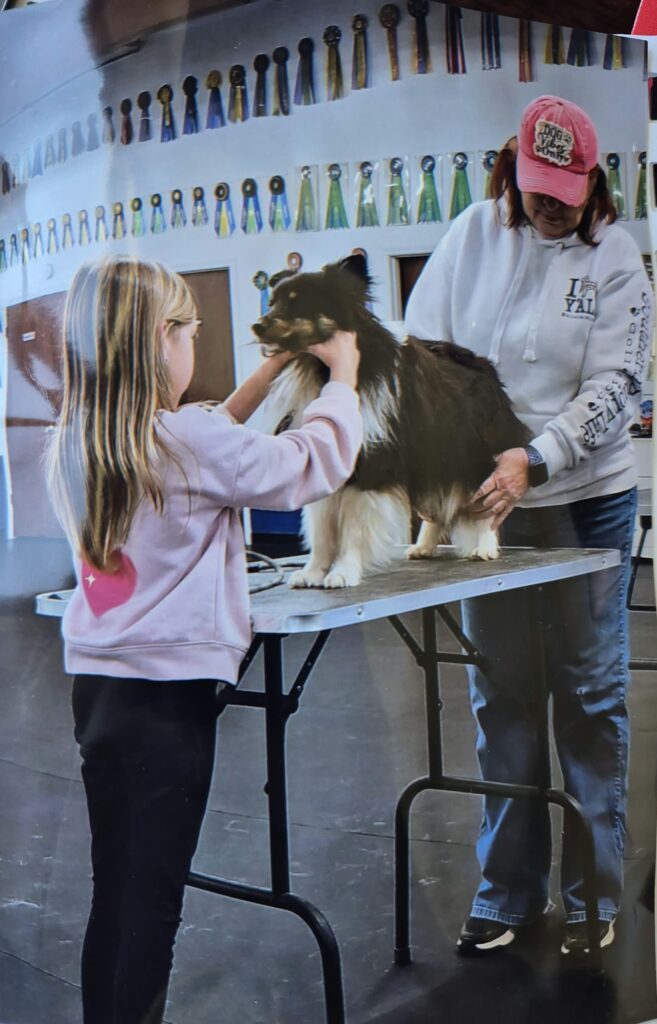
Hannah and Gracie Lou

Hope, Ty, and Gracie Lou are just a few of the dogs from the Laurens County Dog Project helping their young humans learn responsibility, gain confidence, and develop new skills. Youth in the project explore topics such as dog care, grooming, nutrition, health, safety, behavior, and responsible pet ownership. As they work with their dogs, members learn how to set goals, practice new skills, solve problems, and celebrate progress along the way.

Three 4-H members were excited to share their story about their work with the Dog Project.

Ruthie

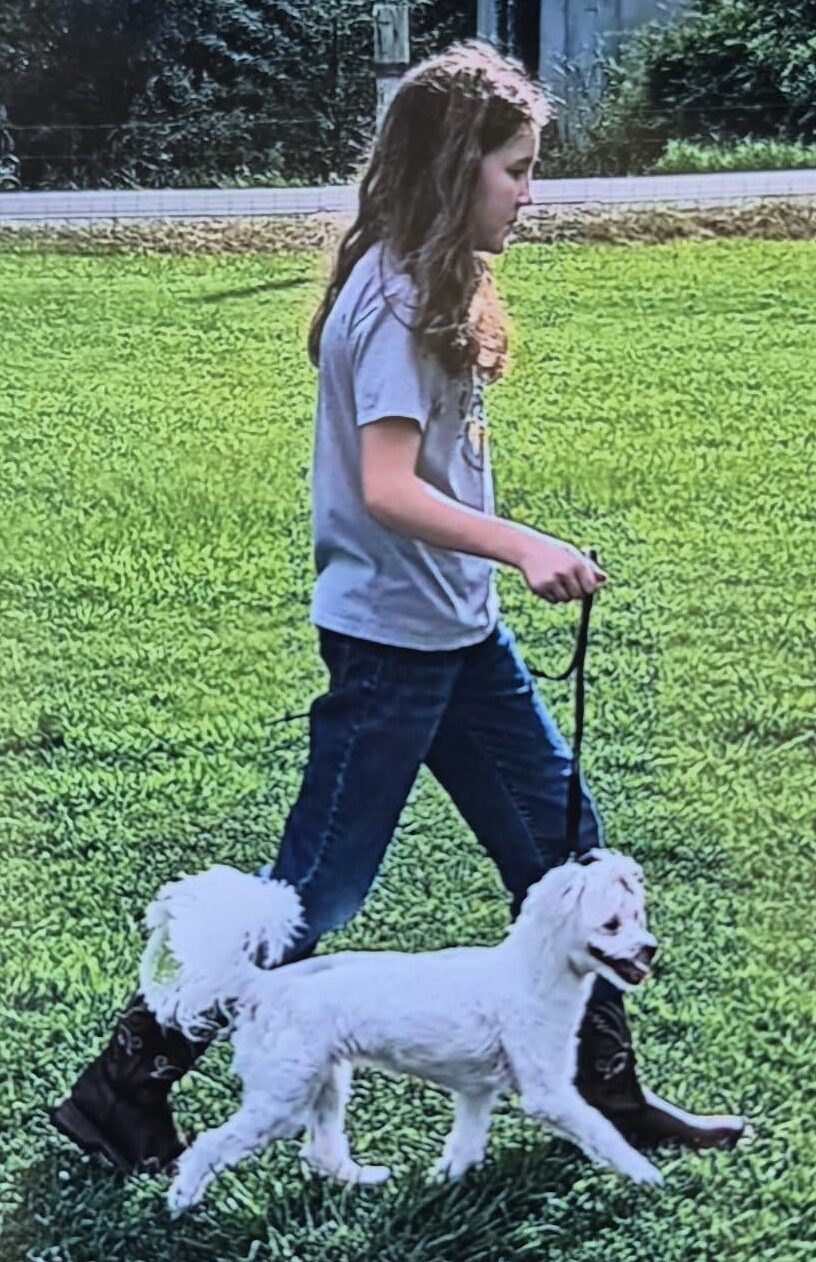
Hannah, from Saluda, wrote about her dedication to doing her best at her first show. She prepared for the Laurens County Youth DogShow by watching reference showmanship videos and practicing daily with her Pomapoo, Gracie Lou. Hannah’s learning didn’t stop at the show ring. Through the 4-H Dog Project Activity Book, the youth also spent time learning about different dog breeds and expanding her knowledge of dogs.

John
John

One Laurens County 4-H member, Ruthie, had the opportunity to take her dog to a local school event and share what she has learned through the 4-H Dog Project. The youth talked with students about responsible dog ownership and the importance of properly caring for their pets.

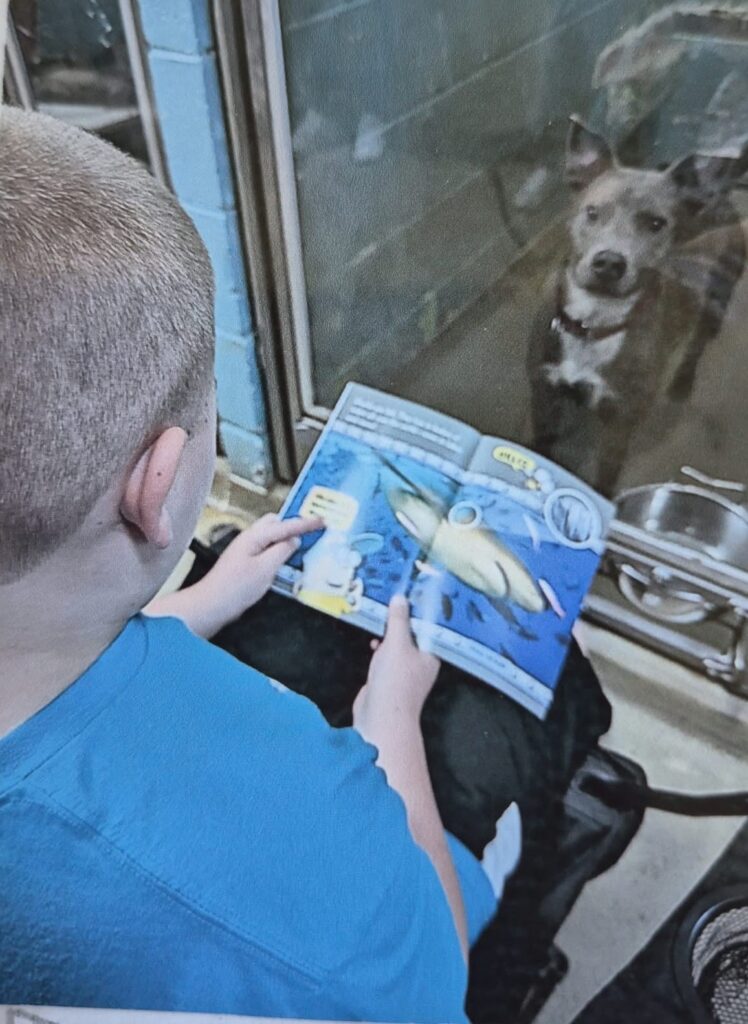
Then finally Abbeville 4-H member, John, taught his dog to sit, stay, and lie down. John later competed at a local dog show and, although he was nervous, he had a great time. He gave back to this community by spending time at the dogshelter reading to dogs needing some love and attention. He now aspires to learn about hunting dogs and teach his dog to track.

Through experiences like this, the 4-H Dog Project gives youth opportunities to learn by doing, share their knowledge, and make a difference in their community.

The Laurens County 4-H Dog Project runs from March through August, making it a great summer project for young people. The project gives members a fun and meaningful way to spend their out-of-school time learning about dogs, practicing new skills, and building a stronger bond with their pets.

Laurens County Hosts a Hybrid Master Gardener Course

Bryan Smith
Area Extension Agent – Agricultural Engineer

Laurens

The Laurens County Extension Office is currently hosting a hybrid Master Gardener course.  The Master Gardener course began on August 11, 2026 and will meet each Tuesday through December 1.  This year’s course has 21 students.

Master Gardener logo

Students in the course will complete 16 three-hour classes on subjects including lawn care, vegetable gardening, urban tree care, soils and plant nutrition, tree fruits and small fruits, and many more.  Each class is presented by an Extension Agent or a Master Gardener graduate that has experience in the subject matter, which allows them to provide practical experience along with research-based information.

This year’s course is once again a hybrid model, which includes 12 in-person presentations and 9 presentations by video (21 presentations in total will be presented over the 16 week course).  The hybrid model is an attempt to provide the same training to Master Gardener students across the State so they will all have the same base knowledge in the “Core” subjects.  The in-person classes allow coordinators to tailor the course for each county’s needs by offering local topics most useful to their students.

After completing the course the students will provide 40 hours of community service over the next 12 months to become Certified Master Gardeners.

For more information about the program visit https://www.clemson.edu/extension/mg/ .

New Laurens Agricultural Center and Laurens County Extension Office

Bryan Smith
Area Extension Agent – Agricultural Engineer

Laurens

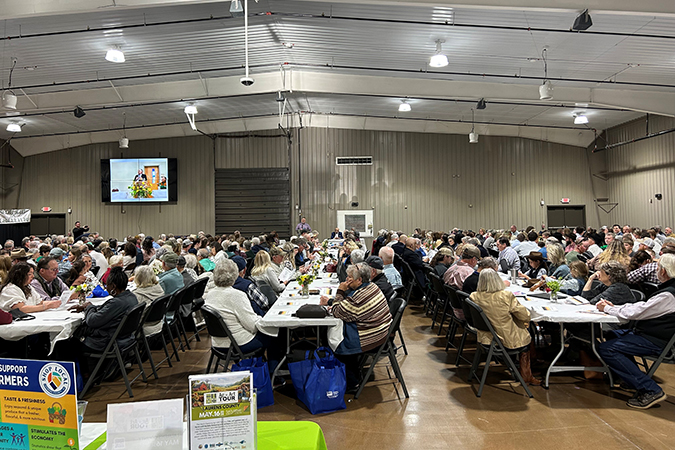
The Laurens Spotlight on Agriculture Awards banquet held in the new Laurens Ag Center in March 2026.  Over 400 attended the banquet.
The Laurens Spotlight on Agriculture Awards banquet held in the new Laurens Ag Center in March 2026.  Over 400 attended the banquet.

Laurens County residents voted to approve a 1 cent sales tax increase for a number or projects in Laurens County.  One of those projects included an Agricultural Center and a new Extension Office.  Both of these facilities were built on the old Laurens Fairgrounds property (behind Aldi’s and Ingles in Laurens).

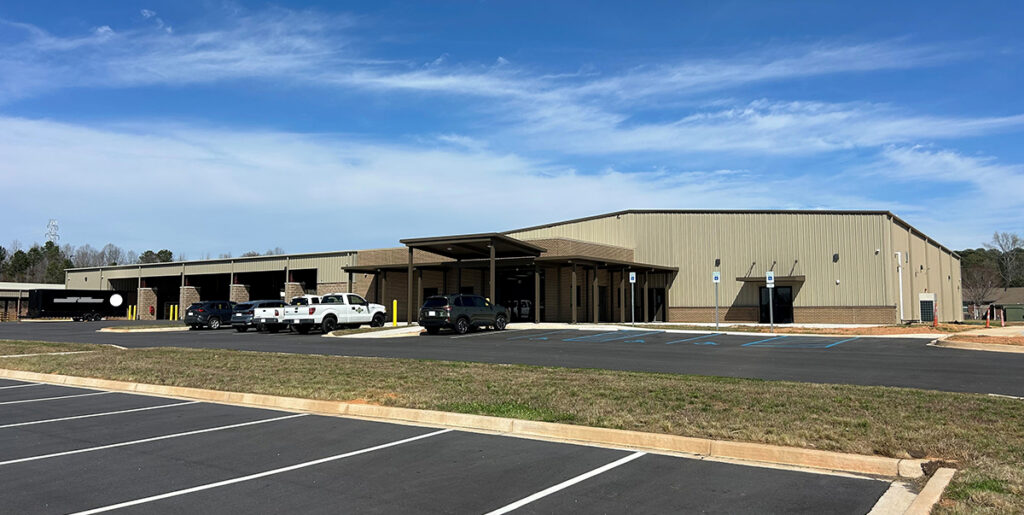
The new Laurens Ag Center has been open since the fall of 2025 and has been busy hosting youth livestock shows and other Ag events.  The Laurens County Youth Livestock Show utilized the facility in both 2025 and again in 2026.  The Laurens County Spotlight on Agriculture awards banquet was held there in March of 2026 and had over 400 in attendance.  It is an excellent facility that includes a climate-controlled main area, an attached pole barn for livestock staging, livestock wash racks, and more.  A separate horse arena is under construction and nearing completion.

Laurens Ag Center
The new Laurens County Ag Center
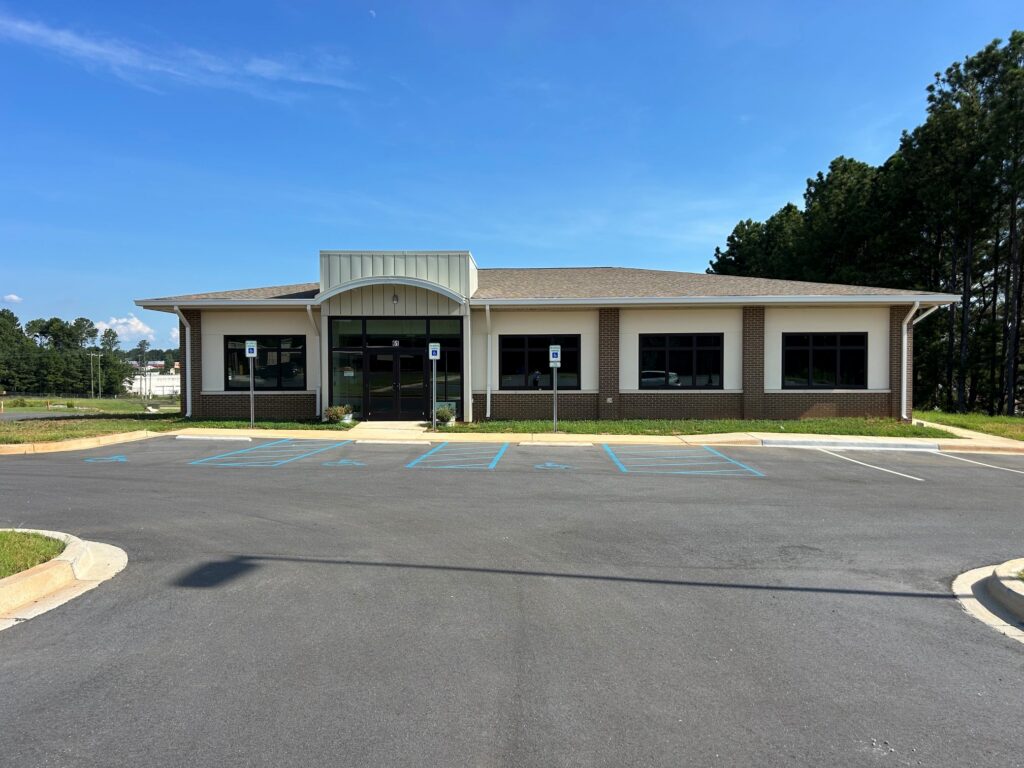
The new Laurens Extension Office building, 61 Ag Center Drive, Laurens.

The new Laurens Extension office is located right beside the Laurens Ag Center at 61 Ag Center Drive, Laurens.  The Laurens Extension staff began moving into the new building on June 15, 2026.  The move took quite a bit of time and effort, moving accumulated knowledge resources and materials collected over decades of service to the county.  The Extension Office was open for business in the new location on June 16 and the move was completed over the next two months.

The new office is a beautiful facility including a large meeting room, offices, a break room, and a storage area.  The Laurens Extension staff will host an Open House for the building on Thursday, October 1 form 10:00 am – 4:00 pm.  Stop in and see the new office!

Adventures From the Area Forestry and Natural Resource Agent, Jeff Fellers

Portable Sawmill

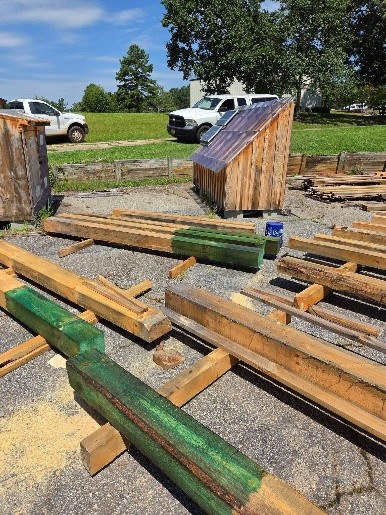
The past year I have been helping Dr. Patrick Hiesl with Chainsaw Safety Workshops, Tree Felling Workshops, and Portable Sawmill Workshops.  This summer we started building a sawmill shed that will house our portable sawmill.  This project takes the tree, from standing, all the way to a finished product of the shed. We felled white pines in the spring of 2026 and have been milling the trees into dimensional lumber/timbers during the summer.  In August, we had enough lumber/timbers to begin the frame.  We will be cutting some more trees in the fall to mill so that we can finish the sawmill shed this winter/spring.  The sawmill shed will provide an example of what landowners can do with portable sawmills.  We have also made picnic tables and storage boxes with the wood we have milled off the Clemson Forest.  Our plan is to expand the program and offer more courses to landowners.

August meeting of the Newberry Forestry Association
August meeting of the Newberry Forestry Association.

Newberry Forestry Association

  • May 12, 2026 – Jon Carter presented on Utilization of Agricultural Spray Drones in Forestry. 
  • August 11, 2026 – Lew Merchant with Helena Chemical presented on Herbicides for Forestry Management.  The Newberry Forestry Association also presented a student with a $500 scholarship. 

Laurens Forest Landowners Association

  • May 26, 2026 – Lance Beecher presented on pond management.
  • August 25, 2026 – 1st SGT Dan Bridges from SC DNR presented on new regulations and game laws.

Upcoming Events

For other Forestry and Wildlife related programs, be sure to visit our Eventbrite page at: https://www.eventbrite.com/o/clemson-extension-forestry-wildlife-75733679603

Clemson Livestock and Forage Foundations Course

Bryan Smith
Area Extension Agent – Agricultural Engineer

Laurens

Livestock and Forage Foundations Logo

There are many new farmers that contact Clemson Extension each year, asking how to get started in livestock farming.  Many of these people have little to no previous experience with growing livestock.  Extension agents are always glad to help them get started, but the Livestock and Forages team recognized that an online, on-demand course may be a good first step to help new farmers learn the in’s-and-out’s of growing livestock and give them a very basic baseline knowledge. 

Livestock and Forage Foundations is an asynchronous course designed for beginning farmers that want to learn basic livestock and forage concepts. This course includes video lessons and on-farm fieldwork which allow course participants the opportunity to learn about concepts such as soil health and fertility, animal production and management, forage production and management, farm infrastructure and farm business while showing how Clemson Extension can support their farming journey.  Course topics include:

  • Soil Basics (Module 1): Sampling your soil  
  • Soil Fertility and Health (Module 2): Tighty-Whities Test 
  • Forage Basics (Module 3): Submit a forage sample 
  • Grazing Practices (Module 4): Develop a grazing plan 
  • Livestock Selection (Module 5): 10 questions to ask when starting a livestock operation 
  • Livestock Handling and Management (Module 6): Develop a record-keeping system 
  • Backyard Poultry Handling And Management (Module 7)
  • Fencing (Module 8): Know your farm layout 
  • Equipment and Tools (Module 9): Maintenance and Calibration 
  • Farm Safety (Module 10): Creating a farm safety and emergency plan 
  • NRCS Programs (Module 11)
  • Agribusiness and Marketing (Module 12): Starting your Ag business

More information and a registration link may be found at https://cpe.clemson.edu/browse/extension/livestockandforages/courses/livestock-and-forage-foundations .

FALL WEED CONTROL: A LITTLE WORK NOW CAN PAY OFF NEXT SPRING

CHRISTOPHER LeMASTER 
LIVESTOCK AND FORAGE AGENT

Fall can be an excellent time to get ahead of troublesome pasture weeds. With the right timing and growing conditions, producers can often achieve effective weed control at a lower cost than waiting until spring. However, knowing which weeds to target and which ones are better left alone is important. 

Many of our troublesome cool-season annual weeds, such as buttercups, begin germinating in the fall. Catching these weeds while they are small and actively growing can make them easier to control, often with lower labeled herbicide rates or less expensive products. Fall is also an excellent time to target biennial thistles while they are in the rosette stage, before they begin bolting and flowering next spring. 

TARGET THE RIGHT WEEDS THIS FALL 

Fall can also be a good time to control certain perennial weeds, including briars. During late summer and early fall, many perennial plants move carbohydrates from their leaves down into their roots for winter storage. Systemic herbicides applied during this period can move with those carbohydrates into the root system, improving control. However, timing is important. Applications should be made while leaves are still green and actively functioning, before significant leaf yellowing or senescence begins. For effective foliar control of briars, it is also best to avoid mowing earlier in the season, as adequate leaf surface area is needed for herbicide absorption. 

On the other hand, spraying mature warm-season annual weeds late in the fall often provides little return on investment. Many of these weeds have already produced viable seed and will die with the first killing frost anyway. At that point, herbicide applications may accomplish very little toward reducing next year’s weed pressure. 

GOOD CONDITIONS MAKE GOOD RESULTS 

Herbicides generally work best when plants are actively growing and have adequate moisture. Fall rainfall can be spotty, and drought-stressed weeds may not absorb or move herbicides effectively. As temperatures cool, look for a stretch of favorable weather, preferably with daytime temperatures above 50°F for a couple days surrounding the application. Always follow the specific product label, as temperature requirements and effectiveness vary. 

Another important consideration is whether you plan to establish clover or other legumes this winter or spring. Many broadleaf herbicides can injure desirable legumes, and some products have lengthy reseeding restrictions. If you plan to frost seed clover in January or February, check the herbicide label for planting intervals before making a fall application. Don’t assume that a few months between spraying and seeding will be sufficient for every product. 

PUT YOUR SPRAYER TO BED FOR WINTER 

Finally, as spraying season winds down, don’t forget about the sprayer itself. Thoroughly clean the system, lubricate components as needed, and protect pumps and plumbing from freezing. Store equipment under cover when possible to prevent UV damage to hoses and other components. This is also a great time to inspect for wear and tear, identify needed repairs, and order replacement parts before the busy spring season arrives. 

A little attention to weed growth stages, weather conditions, herbicide selection, and equipment maintenance this fall can save time, money, and frustration when spring rolls around. 

Greenville 4-H Kicks Off a New Year

Amie Mabe
4-H Youth & Development Agent
Greenville

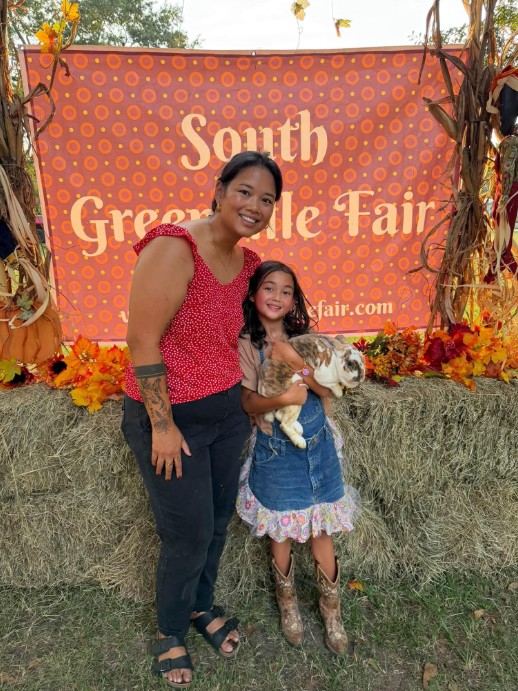
Amie Mabe and 4-H holding a rabbit

Greenville 4-H kicked off the first month of the new 4-H year with an exciting Open House at the Greenville State Farmers Market. Families enjoyed learning more about 4-H opportunities while celebrating with farm-fresh ice cream generously sponsored by Happy Cow Creamery.

The following day, the South Greenville Fair opened in Simpsonville, bringing together many talented 4-H youth who showcased their livestock projects, including goats, dairy cows, and rabbits. Their hard work, dedication, and commitment were on full display throughout the fair.

4-Hers working on a project

Greenville 4-H clubs are open and ready to welcome new members! Visit our website to explore our club listings and find the right opportunity for your family.

Expanding Access to Obesity Care and Treatment in the Upstate

Camilla Herndon
Rural Health & Nutrition Agent
Greenville & Laurens Counties
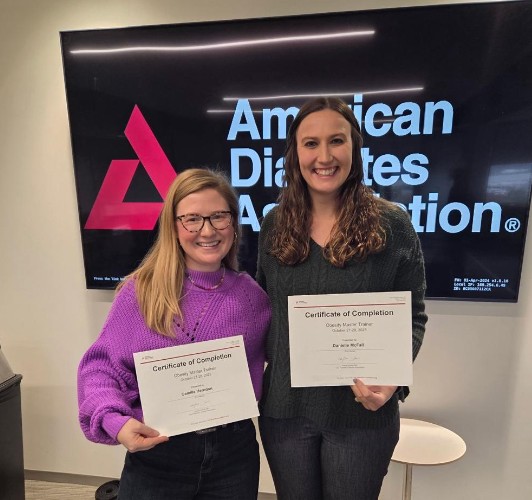
RHN Agent, Camilla Herndon, and RHN Associate, Danielle MCFall, with their training certificates at the American Diabetes Association in Arlington, Virginia.

In October 2025, the American Diabetes Association® (ADA) invited the Clemson Extension Rural Health and Nutrition (RHN) team to participate in a pilot program to address obesity care and treatment. The Clemson Extension Rural Health and Nutrition team was one of 10 selected organizations for the obesity care program.

Obesity is a prevalent condition. In 2024, approximately 2 in 5 adults in the United States had obesity. In previous years, 1 in 4 U.S. adults had obesity, indicating an increase in new cases. While some believe that obesity is caused by a lack of willpower, poor eating habits, or a lack of physical activity, these beliefs are an inaccurate generalization. There are several factors outside of a person’s control that contribute to obesity, such as genetics, stress, grief, and trauma, medications, sedentary jobs, lack of access to healthcare, food deserts, and lack of safe spaces for recreation.

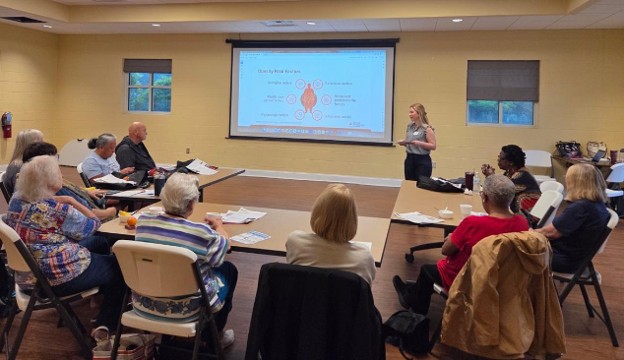
RHN Agent, Camilla Herndon, facilitating the Understanding Obesity as a Chronic Disease program with a group in Fountain Inn, SC.

The Understanding Obesity as a Chronic Disease program, outreach of the Obesity Association™, a division of the ADA, focuses on understanding obesity as a chronic disease, addressing stigma, roadblocks to care, and evidence-based strategies for prevention and management. The program emphasizes why obesity treatments involve more than just an eating plan and physical activity. As of August 2026, Clemson Extension’s RHN Agent, Camilla Herndon, and RHN Associate, Danielle McFall, had facilitated 6 program sessions for communities across the Upstate.

If you or your organization is interested in the Understanding Obesity as a Chronic Disease program, check Eventbrite for upcoming sessions or email Camilla at herndo3@clemson.edu to schedule.

Greenville County Horticulture: A Busy Year and More to Come

Drew Jeffers
Horticulture Agent
Greenville

It has been a busy spring and summer for horticulture programming in Greenville County, and the pace is not slowing as we head into fall and begin looking ahead to 2027.

Over the past several months, much of my work has focused on helping homeowners, Master Gardeners, and green-industry professionals make better horticultural and pest-management decisions. That has included educational programs, professional training, diagnostic assistance, research, and the continued development of new Extension resources.

This summer also provided several opportunities to share some of that work beyond Greenville County. In August, I presented three research projects at the American Society for Horticultural Science Annual Conference in Dallas. Those presentations focused on consumer demand for Integrated Pest Management (IPM) services, Master Gardener knowledge of IPM, and factors affecting long-term retention of Master Gardener volunteers.

Closer to home, work has continued on the South Carolina Certified Landscape Professional program, including efforts to update and strengthen the curriculum for future participants. We have also been developing new educational resources for the green industry, including an IPM video project with the Clemson Campus Research Greenhouses and the transition of commercial pesticide applicator exam-preparation material into a more applied, online, on-demand IPM course.

A Full Fall Ahead

Fall 2026 is already shaping up to be busy.

Our Greenville County Master Gardener Training Course began in September and will continue through February 2027. Over the next several months, participants will work through topics ranging from soil and plant physiology to pest management, trees and shrubs, diagnostics, and other core horticultural subjects.

On October 17, I will be at the Kilgore Lewis House Fall Festival and Plant Sale, presenting Increasing Biodiversity in the Landscape and answering gardening questions at a horticulture Q&A booth.

October will also bring our annual IPM Symposium, which provides continuing education for landscape, nursery, greenhouse, and other green-industry professionals. The program focuses on practical, research-based approaches to pest identification, diagnosis, pesticide stewardship, and Integrated Pest Management.

In November, Jackie Jordan and I will present a hands-on Microscope and Diagnostics Workshop at the South Carolina State Master Gardener Conference in Myrtle Beach. The workshop will give Master Gardeners an opportunity to strengthen their diagnostic skills and gain experience with microscopes and other tools for investigating plant problems.

Looking Ahead to 2027

We are already planning a full slate of horticulture programs for next year.

For green-industry professionals, 2027 programs will include live webinars on plant diagnostics, biological controls, ornamental diseases, thrips, mites, whiteflies, and scale insects. We are also planning pesticide applicator training opportunities, a Greenhouse & Nursery Growers Summit, and continued IPM programming.

Homeowners will have several opportunities as well. Programs already planned include:

  • Landscaping with Sun Perennials
  • Landscaping with Shade Perennials
  • Ornamental Landscape IPM
  • Vegetable Garden Pest Management
  • Using Shrubs in the Landscape

I am also planning to expand public outreach through garden center Q&A booths during the spring gardening season. These informal events will provide an opportunity for homeowners to stop by, ask gardening questions, learn about Clemson Extension resources, and receive research-based information as they make decisions for their landscapes and gardens.

Another longer-term goal is the development of an advanced diagnostics and IPM training program for experienced Master Gardeners. This will likely be a collaborative effort involving Extension agents and specialists, focusing on practical diagnosis, scouting, symptom recognition, and pest management decision-making.

Staying Connected

One of the goals of Clemson Cooperative Extension is to make research-based horticultural information practical and accessible, whether you are managing a commercial landscape, growing plants professionally, volunteering as a Master Gardener, or simply trying to keep your own lawn and garden healthy.

As registration opens for these programs, details will be shared through Clemson Extension and Greenville County program announcements.

There is a lot ahead in 2027, and I look forward to continuing to work with homeowners, volunteers, and horticulture professionals throughout Greenville County and across South Carolina.
Cattlemen’s Field Day: Adding Value to Your Calf Crop

Christopher LeMaster, Jr.
Area Livestock & Forages Agent
Cherokee, Spartanburg, & Union Counties

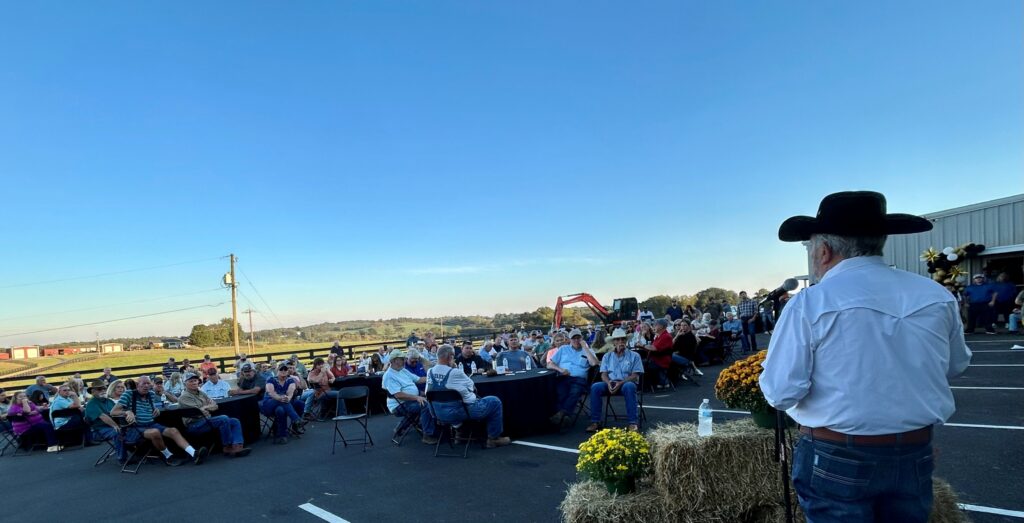
A large crowd of cattlemen

For many cattle producers, a year’s worth of work can come down to one day.

Across our region, many cow-calf producers market their annual calf crop in the fall, often through a local livestock sale barn. The price those calves bring on sale day can play a major role in determining whether the operation is profitable for the year. Yet producers often leave the sale with a familiar question: Why did some calves bring more than others?

Cattlemen listening to a speaker

The answer is rarely simple. Cattle buyers consider numerous factors when determining what they are willing to pay, from cattle futures and market conditions to a calf’s frame, muscling, health, and management history. While producers cannot control the market, there are management decisions they can make at home that can influence how buyers value their calves.

Clemson Cooperative Extension partnered with livestock and industry professionals to help producers better understand those decisions through a hands-on cattlemen’s field day focused on what buyers look for and management practices that pay.

A key partner in the program was LeMaster Livestock, an order buyer based in Gaffney, South Carolina, that purchases cattle throughout much of the Southeast. On a slow week, the operation may move approximately 30 loads of calves and routinely bids on cattle at sale barns across a 600-mile radius of South Carolina, in addition to tele-auctions and video auctions. Their experience provided producers with a real-world perspective on the traits buyers evaluate and the management practices they are willing to reward.

Rather than simply talking about those characteristics in a classroom, attendees were able to see them firsthand. Producers evaluated several different loads of calves alongside experienced cattle buyers and discussed the characteristics that influenced the value of each group.

Cattlemen listening intently

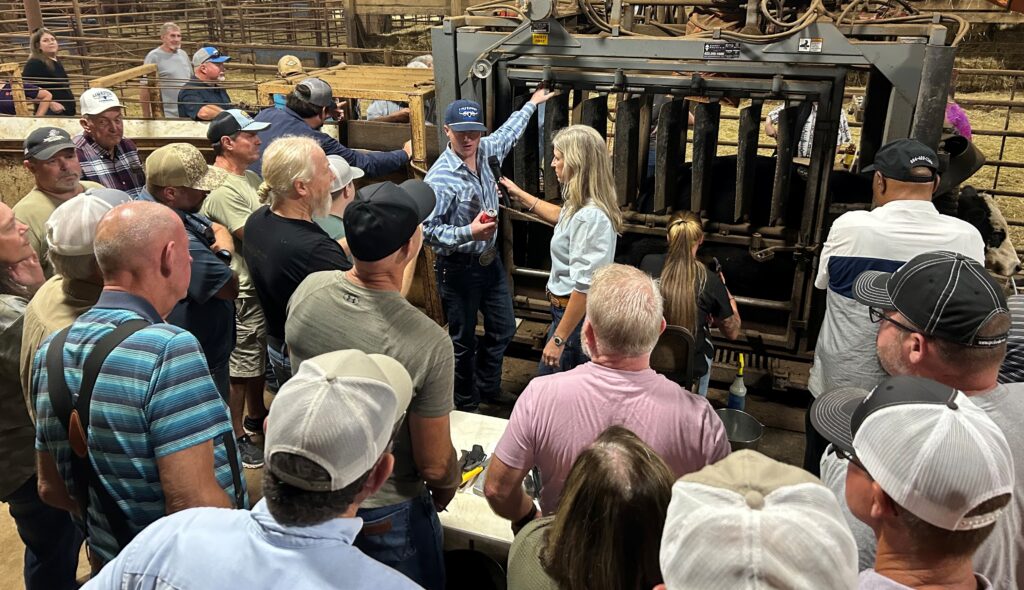
The program then moved chute-side, where participants received hands-on demonstrations of practical management practices that can improve calf marketability, including castration, dehorning, and vaccination. Representatives from animal health and nutrition companies also participated, providing producers an opportunity to learn about products and tools available to support their operations.

The field day drew more than 200 attendees from South Carolina, North Carolina, Georgia, Tennessee, and Virginia. Members of the county’s legislative delegation, including Senator Harvey Peeler and Representatives Dennis Moss and Brian Lawson, were also in attendance. Strong participation from producers, sponsors, and industry partners created opportunities for conversations and interaction throughout the program.

Because the field day was recently held, formal evaluation results are still being collected. However, Extension received unsolicited phone calls from participants following the program expressing their appreciation for the event and, in particular, its practical, hands-on approach to learning.

At its core, the field day was an example of farmers helping farmers, facilitated and guided by Extension and industry expertise. By sharing practical knowledge and real-world experience, producers gained a better understanding of what cattle buyers value and management decisions that pay.