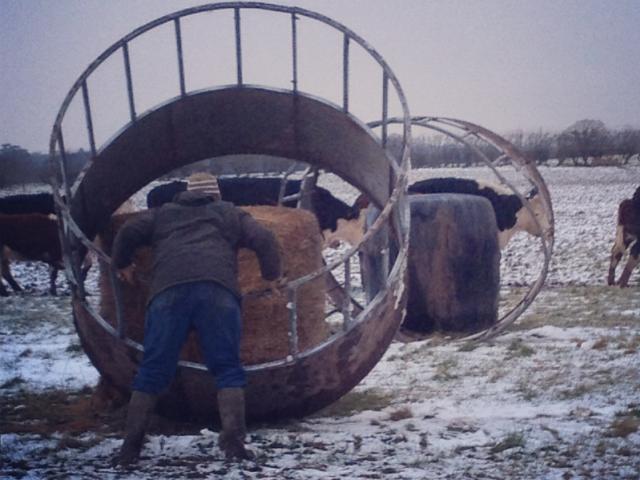
Cold Weather Safety
As temperatures drop, winter creates many unique challenges for the farming community. Cold stress, icy surfaces, equipment failure, and power outages can interrupt routine tasks on the farm and turn them into dangerous situations. With early preparation and practicing safe procedures, accidents and injuries can be prevented.
Protecting People from Cold Stress
Winter weather affects the body faster than most realize. Frostbite and hypothermia can develop quickly—especially in windy, wet, or low-temperature conditions.
Warning signs to watch for:
- Pale or numb skin
- Tingling or waxy appearance
- Shivering, confusion, clumsiness
- Slow pulse or slurred speech
Safety tips:
✅ Dress in layers with insulated gloves and boots
✅ Take warming breaks every 30–60 minutes
✅ Keep walkways salted or sanded
✅ Never run engines or heaters in enclosed barns or shops due to carbon monoxide risk
Winter Equipment and Machinery Safety
Cold temperatures affect how engines, hydraulics, and electrical systems perform.
Common winter equipment hazards include:
- Diesel fuel gelling
- Slippery steps and platforms
- Battery failure in low temps
- Frozen hoses and brittle belts
- Reduced traction for tractors, UTVs, and trucks
Best practices:
✅ Check batteries, fuel additives, tire pressure, and lighting
✅ Allow machinery warm-up time
✅ Reduce driving speeds on snow or ice
✅ Use chains, ballast weights, or traction aids
✅ Store fuel properly and inspect block heater cords
Livestock Winter Care Essentials
Animals experience cold stress too—and their needs change significantly in winter.
Important considerations:
- Increased feed requirements (1–2% more per 10°F drop)
- Access to liquid, not icy, water
- Draft-free shelters and windbreaks
- Extra bedding for insulation
- Icy pens can cause slips, injuries, and leg strains
Water safety tip:
Always use GFCI outlets with heated buckets or tank heaters.
Farm Property and Infrastructure Preparedness
Winter can damage buildings and systems that farms rely on.
Watch for:
- Roof strain from snow load
- Cracked plumbing and frozen hydrants
- Power outages affecting ventilation, heat, or watering systems
Prevention checks:
✅ Insulate pipes and exposed water lines
✅ Inspect barns and rafters
✅ Maintain generators safely outdoors
✅ Keep emergency lighting and communication tools ready
Be Ready for Emergencies
A winter emergency can escalate quickly if help is far away.
Every farm should have:
- First-aid kits with thermal blankets
- Vehicle emergency kits
- Tow straps, flashlights, and radios
- A check-in and communication plan
- Posted emergency contacts
Call for medical help immediately if:
- Body temperature drops below 95°F
- A person becomes disoriented or stops shivering
- Frostbite turns black or blistered
- Carbon monoxide symptoms appear