Clemson Agricultural Safety

National Farm Safety and Health Week 2026 – Cancer Prevention Quiz

Questions

  1. Roughly how many Americans are diagnosed with skin cancer every day?
  2. True or False: Long-term exposure to UV radiation from the sun can increase your risk of developing skin cancer.
  3. Wearing a ______ – _________ _____ can help protect your face, neck, and ears from sun exposure.
  4. True or False: If you get splashed with a pesticide, you should not worry about it and carry on with your day. 
  5. When should outside work be scheduled to avoid direct sun exposure?

Answers

  1. 9,500
  2. True
  3. Wide-brimmed hat
  4. False
  5. When UV levels are lower

National Farm Safety and Health Week 2026 – Cancer Prevention

Cancer Prevention

Agricultural workers and farmers can experience long-term exposure to sunlight, pesticides, dust, and other workplace hazards. Reducing exposure today can help protect you from cancer in the future.

Protect Your Skin

Long-term exposure to UV radiation from the sun increases the risk of skin cancer. More than 9,500 people are diagnosed with skin cancer every day in the US, and about 1 in 5 Americans will develop the disease by the age of 70.

  • Wear a wide-brimmed hat.
  • Wear long sleeves and protective clothing.
  • Use sunscreen on exposed skin.
  • Take breaks in shaded areas or indoors.
  • Schedule outdoor work when UV levels are lower, in the mornings or evenings.
  • Check your skin regularly for unusual changes.

Pesticide Safety

Ways to reduce pesticide exposure:

  • Read and follow all pesticide labels.
  • Wear the appropriate PPE that is specified on the label.
  • Avoid spills and splashes. If you experience skin exposure, immediately remove any contaminated clothing and wash the area with clean water.
  • Keep pesticides away from food and water.
  • Wash your hands thoroughly after handling pesticides.
  • Always store pesticides securely and properly.

National Farm Safety and Health Week 2026 – Confined Space Quiz

Questions

  1. Before entering a grain bin, what should you do first?
  2. True or False: If a person collapses in a confined space, you should immediately jump in after them.
  3. Hazards may not be _________ inside confined spaces.
  4. True or False: Gas concentrations in manure pits can increase rapidly during agitation.
  5. Confined spaces often have limited room and are not designed for ___________ ____________. 

Answers

  1. Lockout/tagout loading and unloading equipment
  2. False
  3. Visible
  4. True
  5. Continuous occupancy

National Farm Safety and Health Week 2026 – Confined Space

Confined Space

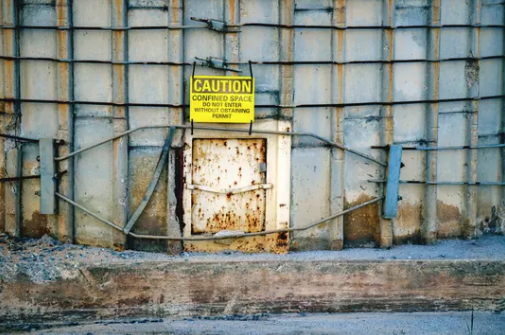
Grain bins, silos, manure pits, tanks, wells, and other agricultural structures can all be considered confined spaces and pose many hazards. Hazards inside these confined spaces may not be visible, and entering a confined space without proper training and equipment can quickly become fatal.

Common Confined Space Hazards

  • Oxygen-deficient atmospheres
  • Toxic or flammable gases
  • Grain engulfment
  • Mechanical equipment
  • Manure pit gases
  • Entrapment
  • Falls from elevated openings

Grain Bin Safety

Never enter a grain bin while grain is flowing. It acts like quicksand, and within 22 seconds you can become completely submerged in the grain.

Before entering:

  • Lockout/tagout all loading and unloading equipment.
  • Test the atmosphere in the bin.
  • Ensure that you have the proper respiratory protection when necessary.
  • Use a harness and lifeline.
  • Never enter alone; bring at least two other people with you.

Manure Pit Safety

Manure can produce gases that are extremely dangerous, including hydrogen sulfide. Gas concentrations can increase rapidly, particularly during agitation.

Keep people and animals away from manure pits during agitation and pumping.

Don’t Become a Second Victim

If someone collapses inside a confined space, do not rush in after them.

Call 911 immediately. Unplanned rescues can often result in multiple victims and potentially multiple fatalities.

National Farm Safety and Health Week 2026 – Generations of Farming

Questions

  1. What is the first step you should take when teaching youth or inexperienced workers about a task or operation?
  2. Why can younger generations contribute to farm safety?
  3. True or False: Experienced farmers can provide valuable knowledge about equipment, livestock, weather, and farm hazards to younger generations.
  4. True or False: Leading by example in a safe manner can prevent injuries.
  5. True or False: Safety improves when generations learn from one another.

Answers

  1. Explain the hazards
  2. They may bring new ideas to the table about technology and safety.
  3. True
  4. True
  5. True

National Farm Safety and Health Week 2026 – Generations of Farming

Generations of Farming

Farming is often a family tradition. Along with land, equipment, and knowledge, each generation has an opportunity to pass down something even more important: a commitment to safety. Instead of saying, “We have always done it that way,” ask, “Is there a safer way to do it now?”

Experience Matters

Experienced farmers have lots of valuable knowledge. Be sure to share that knowledge with the next generation.

  • Equipment and farm operations
  • Local weather and terrain
  • Livestock behavior
  • Seasonal hazards
  • Lessons learned over decades of farming

New Perspectives Matter Too

Younger generations may bring new ideas to the table. Safety ultimately improves when generations learn from one another.

  • New technology
  • Updated safety practices
  • Different approaches to equipment operation
  • Greater awareness of new hazards
  • New ideas for improving farm efficiency

Always Teach First

Youth and inexperienced workers should never be placed on equipment or given responsibilities simply because that was how you learned. Also, be aware that most of the time youth and inexperienced workers learn by watching you. If you do something unsafe, they will likely copy that unsafe behavior. Lead by example.

Before allowing someone to perform a new task:

  1. Explain the hazards.
  2. Demonstrate the correct procedures.
  3. Let them practice safely.
  4. Observe their work.
  5. Correct any unsafe behavior immediately.

National Farm Safety and Health Week 2026 – Farmer Health & Wellness

Farmer Health & Wellness

Farming often requires long hours of strenuous work, unpredictable conditions, and constant decision making. Taking care of your health is not separate from farm safety; it is an important part of it.

Take Care of Your Body

  • Stay hydrated, especially during hot weather.
  • Take regular breaks during physically demanding work.
  • Use proper lifting techniques and ask for assistance with heavy or awkward loads.
  • Wear appropriate footwear and PPE.
  • Get adequate sleep before operating tractors, machinery, or other equipment.

Take Care of Your Mind

  • Stress, fatigue, financial concerns, weather challenges, and long workdays can take a toll on you mentally.
  • Watch for signs of excessive stress.
    • Constant fatigue
    • Difficulty concentrating
    • Irritability or frustration
    • Loss of interest in normal activities
    • Changes in sleep or appetite
    • Feeling overwhelmed or hopeless

Environmental Hazards and Concerns

  • Use appropriate PPE and take steps to reduce exposure to common hazards and concerns such as:
    • Excessive heat and sun
    • Dust and allergens
    • Noise
    • Chemicals and pesticides
    • Animal related hazards
    • Repetitive motions

Mental Health Resources

National Hotlines & Crisis Support

  • 988 Suicide & Crisis Lifeline: Call or text 988 (available 24/7, free, and confidential).
  • Farm Aid’s Farmer Hotline: Call 1-800-FARM-AID (1-800-327-6243) for peer support, crisis help, and resource connection (Monday–Friday, 9:00 a.m. – 9:00 p.m. Eastern).
  • AgriStress HelpLine: Call 833-897-AGRI (833-897-2474) for free, 24/7 mental health support designed specifically for agricultural communities.
  • 2-1-1: Dial 2-1-1 to connect with local community, financial, and health services in your area.

Specialized Programs & Education

  • Farm State of Mind: Run by the American Farm Bureau Federation, this campaign offers a searchable directory of state-by-state mental health resources and counseling services.
  • Rural Minds: Offers the free Farmer Mental Health Resilience Program, providing online tools, fact sheets, and education to reduce stigma and build resilience in agricultural communities.
  • Rural Resilience Training: A free online course developed by Farm Credit and partners to teach individuals how to recognize stress symptoms and communicate effectively with stressed farmers.

National Farm Safety and Health Week 2026 – Health and Wellness Quiz

Health and Wellness Quiz

Questions

  1. True or False: Getting enough sleep can help reduce fatigue and improve alertness when working on the farm.
  2. When working in hot conditions, always remember to _.
  3. True or False: You can call or text 988 to reach the Suicide & Crisis Lifeline.
  4. True or False: Changes in sleep or appetite can be signs of excessive stress.
  5. True or False: Stress and fatigue can affect a person’s concentration and decision-making abilities. 

Answers

  1. True
  2. Stay hydrated
  3. True
  4. True
  5. True

National Farm Safety and Health Week 2026 – Equipment and Rural Roadway Safety

Equipment and Rural Roadway Safety

Farm equipment is a common sight on rural roadways, but large machinery, slow-moving vehicles, limited visibility, and changing road conditions can create serious hazards for both operators and motorists.

Common Hazards

  • Slow-moving vehicles: Tractors, combines, and other machinery may travel at speeds well below the posted speed limit.
  • Limited visibility: Large equipment can block an operator’s view of approaching traffic.
  • Wide loads: Implements may extend into another lane or require extra room when turning.
  • Left turns: Farm equipment may need to swing wide before making turns.
  • Nighttime travel: Lights and reflective markings are critical when operating after dark.

Safety Tips for Equipment Operators

  • Use a Slow-Moving Vehicle (SMV) sign for equipment traveling less than 25 mph.
  • Make sure headlights, taillights, flashers, and turn signals are working.
  • Keep reflective material and lighting clean and visible.
  • Check mirrors and blind spots before turning or changing lanes.
  • Avoid traveling on roadways during poor visibility or high traffic times.
  • Secure or remove equipment components that could create roadway hazards.

Tips for Motorists

  • Slow down when approaching farm equipment.
  • Maintain a safe following distance.
  • Do not pass until you have a clear view of oncoming traffic.
  • Be alert for equipment making wide or unexpected turns.
  • Remember that farm machinery may need to use more than one lane.

National Farm Safety and Health Week – Equipment and Rural Roadway Safety Quiz

Questions

  1. What is the top speed at which equipment with a slow-moving vehicle sign can travel?
  2. If you are passing farm equipment on the road, when should you pass?
  3. What two times should you limit traveling on roadways in farm equipment?
  4. What state ranked number 1 in the US for most deaths on non-interstate rural roadways?
  5. If you see equipment with a slow-moving vehicle sign, what should you do immediately?

Answers

  1. 25 mph
  2. When you have a clear view of oncoming traffic
  3. Poor visibility and high traffic times
  4. South Carolina
  5. Slow down immediately