Insects and other pests are an every day hazard when working outdoors. By being prepared and aware of them around you, you have the potential to lessen any effects that you may feel from being stung or bitten. Always be prepared with a first aid kit in the event that you encounter one of the many stinging or biting pests found on the farm.
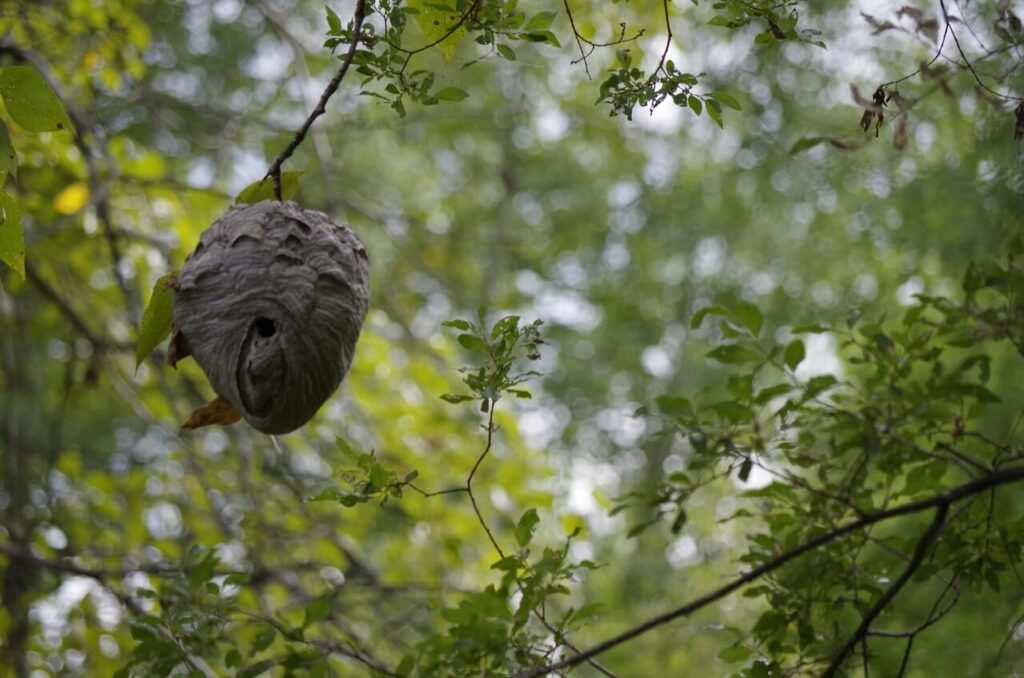
Common Risks:
- Insects: bees, wasps, hornets, fire ants, mosquitoes, ticks
- Animals: snakes, spiders, rodents, potentially aggressive livestock or other animals such as dogs or cats
Prevention Tips:
- Wearing the right clothing can help prevent stings or bites. Wear long sleeves, long pants, gloves and closed-toe boots/shoes exposes less skin and reduces the risk of being bitten or stung. If you are working in an area that has high snake traffic, such as dense grass, it is recommended to wear snake boots.
- Try leaving the perfume, scented lotion, and cologne at home. Strong scents can attract stinging insects such as bees and wasps. They might suspect that you are flower with nectar.
- Always inspect your workplace before getting started. Insects and other pests often build homes in the areas that you may be working, check for nests and shake out any clothing that has been left out before you start working. If you leave shoes outside, check before putting your foot in for spiders or maybe even snakes.
- Invest in bug repellents! Before working in the field, apply a healthy amount of insect repellent to keep the bees, bugs, and flys away!
- Always be on the lookout for nests, hives, and burrows. Disturbing them can anger the insects or pests that call them home and they will be more prone to attact you.
- Remain calm if a stinging insect approaches you. You should never swat at a bee or wasp, calmly walk away. If you run, the insect may follow you and they may bring their friends!
First Aid Tips
- Stings
- If the stinger is still present, remove it. Never squeeze it out, only scrape it out.
- Use soap and water to wash the area where the sting occurred.
- Apply ice and take an antihistamine for swelling and itching.
- If the site of the sting gets worse with time, contact your doctor for additional information and guidance.
- Bites
- Clean the bite thoroughly
- Apply an antiseptic and a bandage as needed
- Seek medical attention for signs of allergic reaction or infection
- If it is a snake bite, call emergency services. Never try to suck the venom out or use a tourniquet.
When Should I Seek Medical Attention?
- If you develop difficulty breathing or swelling of your face/throat
- Rapid heart beat or dizziness
- Severe pain or allergic reaction
- Signs of infections around the bite or sting
